Farmhouse shutters have gained popularity for their timeless charm and practicality. Whether you’re aiming to enhance your home’s curb appeal or increase its energy efficiency, the benefits of farmhouse shutters offer numerous advantages. In this blog post, we’ll explore the pros and cons of farmhouse shutters, recommend tools for installation, outline necessary steps, compare different shutter types, provide tips and tricks, answer frequently asked questions, discuss updates and future considerations, and delve into cost implications.
Pros
Farmhouse shutters bring a unique blend of aesthetics and functionality to any home. Here are some of the key benefits:
- Enhanced Curb Appeal:
- Farmhouse shutters add a rustic and classic look to your home, increasing its overall aesthetic value.
- Available in various colors and finishes to match your exterior design.
- They can be customized to fit any window size or shape.
- Shutters can complement both traditional and modern farmhouse designs.
- Made from durable materials that withstand weather elements.
- Improved Energy Efficiency:
- Shutters provide excellent insulation, reducing heat loss in winter and keeping interiors cool in summer.
- Help lower energy bills by maintaining a stable indoor temperature.
- Block out UV rays, protecting furniture and flooring from sun damage.
- Can be adjusted to control light and airflow into your home.
- Offer a sustainable and eco-friendly solution compared to other window treatments.
- Increased Privacy and Security:
- Provide an additional layer of security, making it harder for intruders to access windows.
- Adjustable slats allow you to maintain privacy while still letting in natural light.
- Deter potential burglars by adding a visible security feature to your home.
- Can be locked from the inside for extra security.
- Offer peace of mind, especially for homes in busy or high-traffic areas.
- Versatility and Customization:
- Suitable for both interior and exterior applications.
- Available in various styles, including board-and-batten, louvered, and panel shutters.
- Can be painted or stained to match your home’s decor.
- Easy to personalize with decorative hardware like hinges and handles.
- Can be installed on windows, doors, and even as room dividers.
- Durability and Low Maintenance:
- Made from robust materials like wood, vinyl, or composite that resist warping and cracking.
- Require minimal maintenance compared to other window treatments.
- Easy to clean with just a damp cloth or mild detergent.
- Resistant to pests and insects, ensuring long-lasting performance.
- Offer a cost-effective solution with a long lifespan.
Cons
While farmhouse shutters have many benefits, there are some drawbacks to consider:
- Initial Cost:
- Higher upfront cost compared to other window treatments like blinds or curtains.
- Custom-made shutters can be more expensive than standard sizes.
- Installation costs can add to the overall expense.
- Quality materials like hardwood are pricier but offer better durability.
- May not fit every budget, especially for large homes with many windows.
- Installation Challenges:
- Require precise measurements and professional installation for best results.
- DIY installation can be challenging without proper tools and experience.
- Improper installation can lead to poor fit and reduced functionality.
- Time-consuming process compared to other window treatments.
- May need structural adjustments for older homes with uneven window frames.
- Maintenance Considerations:
- While low maintenance, they still require periodic cleaning to prevent dust buildup.
- Wood shutters need occasional refinishing to maintain their appearance.
- Hinges and hardware may need tightening or replacement over time.
- Exposure to harsh weather can affect their longevity.
- Vinyl and composite shutters may discolor or fade with prolonged sun exposure.
- Limited Design Flexibility:
- Fixed design may not suit every interior decor style.
- Louvered shutters may not provide a complete blackout effect.
- May not be suitable for modern or contemporary home designs.
- Limited color options for some materials like vinyl or composite.
- Decorative hardware can be an added expense if customization is desired.
- Operational Constraints:
- Can be cumbersome to open and close frequently.
- Hinged shutters may require sufficient space for full swing.
- Larger shutters can be heavy and difficult to maneuver.
- Fixed slats limit the ability to adjust light precisely.
- Not ideal for sliding or sash windows without additional modifications.
Recommended Tools for the Project
To install farmhouse shutters, having the right tools is essential. Here’s a list of recommended tools:
- Measuring Tape:
- Accurate measurements are crucial for a perfect fit.
- Ensure you measure the window frame width and height precisely.
- Measure at multiple points to account for any variations.
- Use a laser measuring tool for added accuracy.
- Record measurements carefully to avoid mistakes.
- Power Drill and Bits:
- A power drill is necessary for drilling holes into the window frame.
- Use appropriate drill bits for different materials (wood, masonry, etc.).
- Ensure you have a variety of bit sizes for different screw types.
- A cordless drill offers more flexibility and ease of use.
- Have spare batteries or a charger handy for longer projects.
- Level:
- A level ensures that your shutters are installed straight and even.
- Use a long level for larger windows to check alignment.
- A laser level can provide more precision.
- Check both horizontal and vertical alignment.
- Recheck alignment after drilling to ensure accuracy.
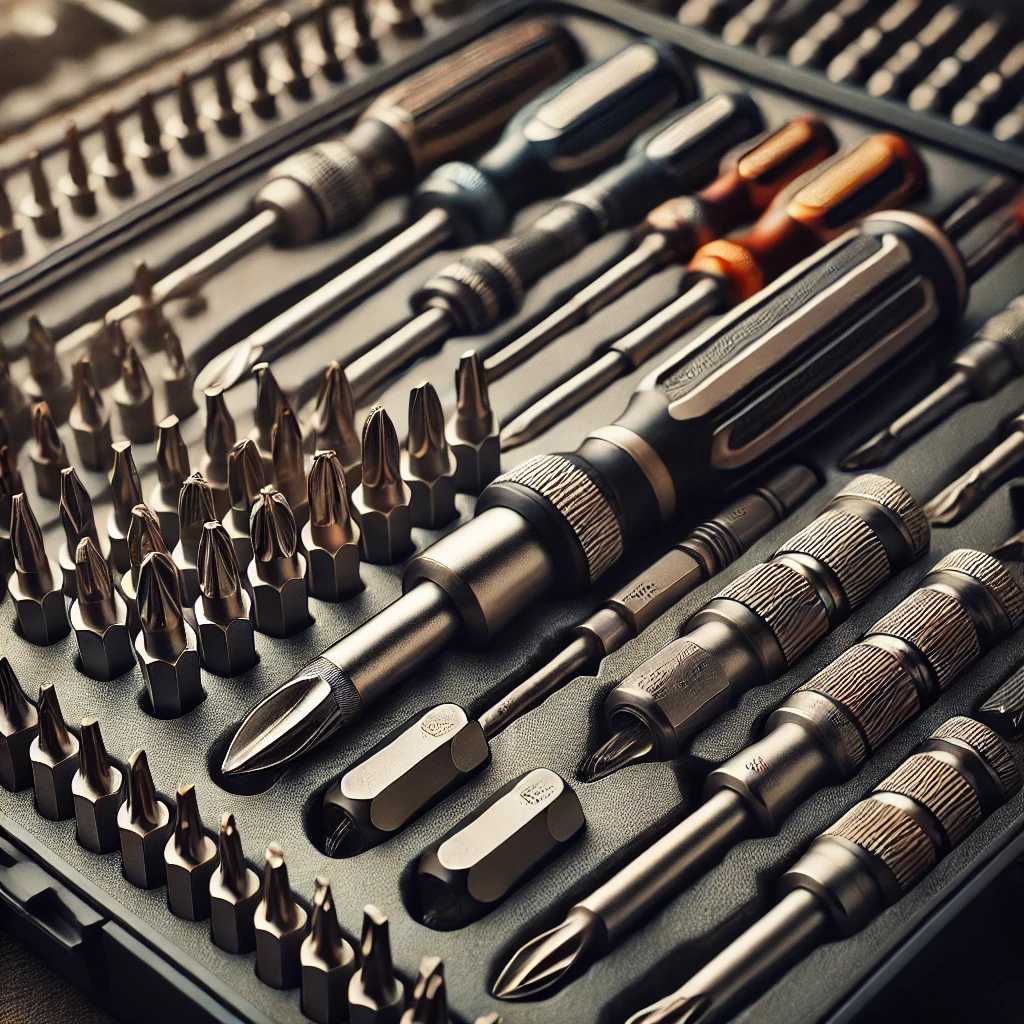
- Screwdriver Set:
- A set of screwdrivers (both flathead and Phillips) is essential.
- Choose screwdrivers with comfortable grips for extended use.
- Magnetic tips can help hold screws in place.
- A ratcheting screwdriver can speed up the installation process.
- Ensure you have the right size screwdrivers for the screws provided.
- Ladder or Step Stool:
- A ladder or step stool is necessary for reaching higher windows.
- Choose a sturdy ladder with a non-slip base.
- Ensure the ladder height is appropriate for your window size.
- Use a ladder stabilizer for added safety.
- Always follow safety guidelines when using ladders.
- Hammer and Nails:
- A hammer may be needed for certain installation steps.
- Use finishing nails for a clean, professional look.
- Ensure nails are the appropriate length for your window frame.
- A nail set can help drive nails below the surface.
- Keep extra nails on hand in case of mistakes.
- Caulk and Caulking Gun:
- Caulk is used to seal gaps and ensure a weatherproof installation.
- Choose a caulk suitable for exterior use.
- A caulking gun is necessary for applying caulk evenly.
- Use a putty knife to smooth out the caulk.
- Clean up excess caulk immediately for a neat finish.
- Saw (if needed):
- A saw may be required for trimming shutters to fit.
- Use a circular saw or a handsaw for precision cuts.
- Ensure the saw blade is appropriate for the material you’re cutting.
- Wear safety goggles and gloves when using a saw.
- Sand edges after cutting for a smooth finish.
- Protective Gear:
- Safety goggles and gloves protect you during installation.
- Ear protection may be needed when using power tools.
- Wear a dust mask if cutting wood or other materials.
- Choose comfortable, durable work gloves.
- Always prioritize safety during any DIY project.
- Pencil and Notepad:
- A pencil is useful for marking measurements and drilling points.
- Use a notepad to jot down measurements and instructions.
- Keep your plans organized for a smooth installation process.
- Double-check all markings before drilling or cutting.
- Have an eraser handy to correct any mistakes.
Necessary Steps (1-10)
Installing farmhouse shutters involves several precise steps. Here’s a detailed guide:
- Measure Your Windows:
- Use a measuring tape to measure the width and height of your windows.
- Measure at multiple points to ensure accuracy.
- Record the measurements carefully.
- Consider the depth of the window frame.
- Double-check measurements before ordering shutters.
- Choose the Right Shutters:
- Select shutters that match your home’s style and color scheme.
- Decide between materials like wood, vinyl, or composite.
- Consider the type of shutters (louvered, board-and-batten, etc.).
- Ensure the shutters are suitable for your window size.
- Order custom shutters if standard sizes don’t fit.
- Prepare Your Tools and Materials:
- Gather all necessary tools (measuring tape, drill, level, etc.).
- Lay out all materials and ensure nothing is missing.
- Read through the installation instructions provided.
- Set up a safe and organized workspace.
- Wear appropriate protective gear.
- Mark the Installation Points:
- Use a pencil to mark the positions for the shutter hinges.
- Ensure the marks are level and evenly spaced.
- Mark drilling points for screws and brackets.
- Double-check all markings for accuracy.
- Use a level to confirm alignment.
- Drill Pilot Holes:
- Use a power drill to create pilot holes at the marked points.
- Choose the appropriate drill bit size for the screws.
- Drill straight and steady to avoid damaging the frame.
- Clean up any debris from drilling.
- Recheck the alignment of the pilot holes.
- Attach the Hinges:
- Secure the hinges to the shutters using screws.
- Ensure the hinges are aligned properly.
- Use a screwdriver to tighten the screws securely.
- Check that the shutters can swing open and closed smoothly.
- Adjust the hinges if necessary for proper operation.
- Mount the Shutters:
- Position the shutters on the window frame.
- Align the hinges with the pilot holes.
- Use screws to attach the shutters to the frame.
- Ensure the shutters are level and evenly spaced.
- Check for smooth operation and make adjustments as needed.
- Secure the Shutters:
- Add additional screws or brackets for extra stability.
- Ensure all fastenings are tight and secure.
- Check that the shutters open and close properly.
- Adjust any screws or brackets if needed.
- Confirm that the shutters are securely mounted.
- Seal and Finish:
- Use caulk to seal any gaps around the shutters.
- Choose a caulk that matches the shutter color.
- Apply the caulk smoothly and evenly.
- Clean up any excess caulk immediately.
- Allow the caulk to dry completely.
- Final Inspection:
- Inspect the shutters for any alignment issues.
- Ensure all screws and fastenings are secure.
- Test the shutters to ensure they open and close properly.
- Make any final adjustments as needed.
- Enjoy your newly installed farmhouse shutters!
Comparisons
When choosing farmhouse shutters, it’s essential to compare different types and materials. Here’s a detailed comparison:
- Wood vs. Vinyl:
- Wood:
- Offers a classic, authentic look.
- Can be painted or stained to match any decor.
- Requires more maintenance to prevent warping and cracking.
- More expensive than vinyl.
- Provides better insulation properties.
- Vinyl:
- Low maintenance and easy to clean.
- Resistant to moisture and pests.
- Limited color options.
- Less expensive than wood.
- Can mimic the look of wood with textured finishes.
- Wood:
- Louvered vs. Board-and-Batten:
- Louvered:
- Adjustable slats for controlling light and airflow.
- Provides a more traditional look.
- Can be more challenging to clean due to slats.
- Ideal for ventilation and privacy control.
- Available in both fixed and movable slat designs.
- Board-and-Batten:
- Solid panels offer more privacy and security.
- Simple, rustic design that suits farmhouse aesthetics.
- Easier to clean with smooth surfaces.
- Not adjustable for light control.
- Provides a robust and sturdy appearance.
- Louvered:
- Composite vs. Aluminum:
- Composite:
- Made from a combination of wood and synthetic materials.
- Durable and resistant to warping and cracking.
- Can be painted or stained.
- More expensive than aluminum.
- Offers a more natural look.
- Aluminum:
- Lightweight and durable.
- Resistant to rust and corrosion.
- Limited color and style options.
- Typically less expensive.
- Ideal for modern and industrial designs.
- Composite:
- Interior vs. Exterior:
- Interior:
- Installed inside the home for decorative purposes.
- Provides privacy and light control.
- Easier to clean and maintain.
- Can be used as room dividers or closet doors.
- Limited impact on curb appeal.
- Exterior:
- Installed outside the home to enhance curb appeal.
- Provides added security and insulation.
- Requires more maintenance due to weather exposure.
- Offers protection against elements like wind and rain.
- Significant impact on overall home aesthetics.
- Interior:
- Custom vs. Standard:
- Custom:
- Made to fit any window size and shape.
- Higher cost due to customization.
- Allows for personalized design and features.
- Longer lead time for production and delivery.
- Ensures a perfect fit and unique look.
- Standard:
- Available in common sizes and designs.
- More affordable and readily available.
- Limited to standard window dimensions.
- Quicker installation with off-the-shelf products.
- May require adjustments or modifications for a perfect fit.
- Custom:
Tips & Tricks
Installing farmhouse shutters can be a rewarding DIY project. Here are some tips and tricks to ensure a smooth process:
- Plan Ahead:
- Measure your windows accurately before purchasing shutters.
- Plan the installation process step-by-step.
- Gather all necessary tools and materials in advance.
- Read through the installation instructions thoroughly.
- Allocate enough time to complete the project without rushing.
- Choose Quality Materials:
- Invest in high-quality shutters for durability and longevity.
- Select materials that are weather-resistant and low maintenance.
- Consider the aesthetic appeal and functionality of different materials.
- Opt for custom shutters if standard sizes don’t fit perfectly.
- Don’t compromise on quality to save costs in the short term.
- Ensure Proper Alignment:
- Use a level to ensure shutters are installed straight.
- Double-check measurements and markings before drilling.
- Align hinges and brackets precisely for smooth operation.
- Make adjustments as needed to achieve perfect alignment.
- Recheck alignment after installation to ensure accuracy.
- Secure Fastenings:
- Use the appropriate screws and anchors for your window frame material.
- Tighten all fastenings securely to prevent loosening over time.
- Add additional brackets or screws for extra stability if needed.
- Check all fastenings periodically for maintenance.
- Avoid overtightening, which can damage the frame or shutters.
- Maintain Regularly:
- Clean shutters regularly to prevent dust and dirt buildup.
- Refinish wood shutters periodically to maintain their appearance.
- Inspect hinges and hardware for any signs of wear or rust.
- Lubricate hinges to ensure smooth operation.
- Make minor repairs promptly to prevent larger issues.
- Use Protective Gear:
- Wear safety goggles and gloves during installation.
- Use ear protection when operating power tools.
- Choose a stable ladder or step stool for reaching high windows.
- Follow all safety guidelines when using tools.
- Prioritize your safety throughout the installation process.
- Get Help if Needed:
- Enlist a friend or family member to assist with installation.
- Don’t hesitate to hire a professional if the project is too challenging.
- Use online resources and tutorials for additional guidance.
- Join DIY forums or communities for tips and support.
- Don’t be afraid to ask questions if you’re unsure about any step.
FAQs
What are the benefits of farmhouse shutters?
Farmhouse shutters offer numerous benefits, including enhanced curb appeal, improved energy efficiency, increased privacy and security, versatility and customization options, and durability with low maintenance requirements. They can be tailored to fit various window sizes and styles, adding both aesthetic and functional value to your home.
Are farmhouse shutters worth the investment?
Yes, farmhouse shutters are worth the investment due to their long-term benefits. While the initial cost may be higher compared to other window treatments, their durability, energy-saving properties, and timeless appeal can increase your home’s value and reduce energy bills over time.
How do I maintain farmhouse shutters?
Maintaining farmhouse shutters involves regular cleaning with a damp cloth or mild detergent, periodic refinishing for wood shutters, tightening or replacing hardware as needed, and inspecting for any signs of damage or wear. Proper maintenance ensures the shutters’ longevity and optimal performance.
Can I install farmhouse shutters myself?
Yes, you can install farmhouse shutters yourself with the right tools and instructions. However, DIY installation can be challenging, especially for larger or custom shutters. Precise measurements and careful alignment are crucial. If you’re unsure, consider hiring a professional to ensure a flawless installation.
What materials are best for farmhouse shutters?
The best materials for farmhouse shutters include wood, vinyl, and composite. Wood offers a classic, authentic look but requires more maintenance. Vinyl is low maintenance and moisture-resistant, while composite combines the benefits of both wood and synthetic materials, providing durability and aesthetic appeal.
Updates and Future Considerations
As home design trends evolve, farmhouse shutters continue to remain popular due to their timeless appeal. Here are some future considerations:
- Smart Technology Integration:
- Future shutters may incorporate smart technology for automated control.
- Integration with home automation systems for remote operation.
- Sensors for adjusting shutters based on light and temperature.
- Solar-powered shutters for energy efficiency.
- Increased convenience and security features.
- Sustainable Materials:
- Growing demand for eco-friendly and sustainable materials.
- Use of recycled or reclaimed wood for a greener option.
- Development of biodegradable composite materials.
- Low-VOC finishes and paints for healthier homes.
- Emphasis on environmentally responsible manufacturing processes.
- Enhanced Design Options:
- Introduction of new styles and finishes to suit modern aesthetics.
- Customizable designs with advanced 3D printing technology.
- Collaboration with designers for unique, bespoke shutter options.
- Expanded color palettes and textures.
- Incorporation of artistic elements for a personalized touch.
- Improved Durability:
- Advances in material technology for increased weather resistance.
- Enhanced UV protection to prevent fading and discoloration.
- Improved pest resistance for longer-lasting shutters.
- Better insulation properties for greater energy efficiency.
- Long-lasting hardware and finishes.
- Regulatory Changes:
- Potential changes in building codes and regulations affecting shutters.
- Increased focus on energy efficiency standards.
- Guidelines for sustainable and environmentally friendly materials.
- Compliance with safety and security requirements.
- Impact on installation practices and material choices.
Cost or Price
The cost of farmhouse shutters can vary significantly based on several factors:
- Material:
- Wood:
- Higher cost due to quality and aesthetic appeal.
- Prices range from $200 to $500 per shutter panel.
- Custom wood shutters can be even more expensive.
- Vinyl:
- More affordable with prices ranging from $100 to $300 per shutter panel.
- Ideal for budget-conscious homeowners.
- Composite:
- Mid-range pricing between $150 and $400 per shutter panel.
- Offers a balance of durability and affordability.
- Wood:
- Size and Customization:
- Custom shutters are more expensive than standard sizes.
- Large windows or unique shapes require custom solutions.
- Additional features like decorative hardware can increase costs.
- Standard-sized shutters offer cost savings but may not fit perfectly.
- Installation:
- Professional installation adds to the overall cost.
- DIY installation can save money but requires time and effort.
- Complex installations may require specialized skills.
- Installation costs range from $50 to $150 per shutter.
- Additional Features:
- Custom finishes or paint can add to the cost.
- Automated or motorized shutters are more expensive.
- Special features like UV protection or insulation increase costs.
- Decorative hardware and accessories add to the final price.
- Location:
- Costs can vary based on geographic location.
- Prices may be higher in urban areas compared to rural regions.
- Local market conditions and availability of materials affect pricing.
- Shipping and handling for custom orders can add to the cost.
When considering the cost, it’s important to balance your budget with the desired quality and features. Investing in high-quality farmhouse shutters can enhance your home’s value and provide long-term benefits.
Conclusion
Farmhouse shutters offer a blend of aesthetic appeal and practical benefits, making them a worthwhile addition to any home. By understanding the pros and cons, using the right tools, following proper installation steps, and considering future trends, you can make an informed decision about incorporating farmhouse shutters into your home design. Whether you prioritize energy efficiency, privacy, or curb appeal, these shutters can enhance your living space in multiple ways.