Updating your house can be both exciting and overwhelming. Knowing what order to tackle your projects in can save you time, money, and stress. This guide will help you prioritize your renovations to maximize both the functionality and market value of your home.
The Ideal Order to Update Your House
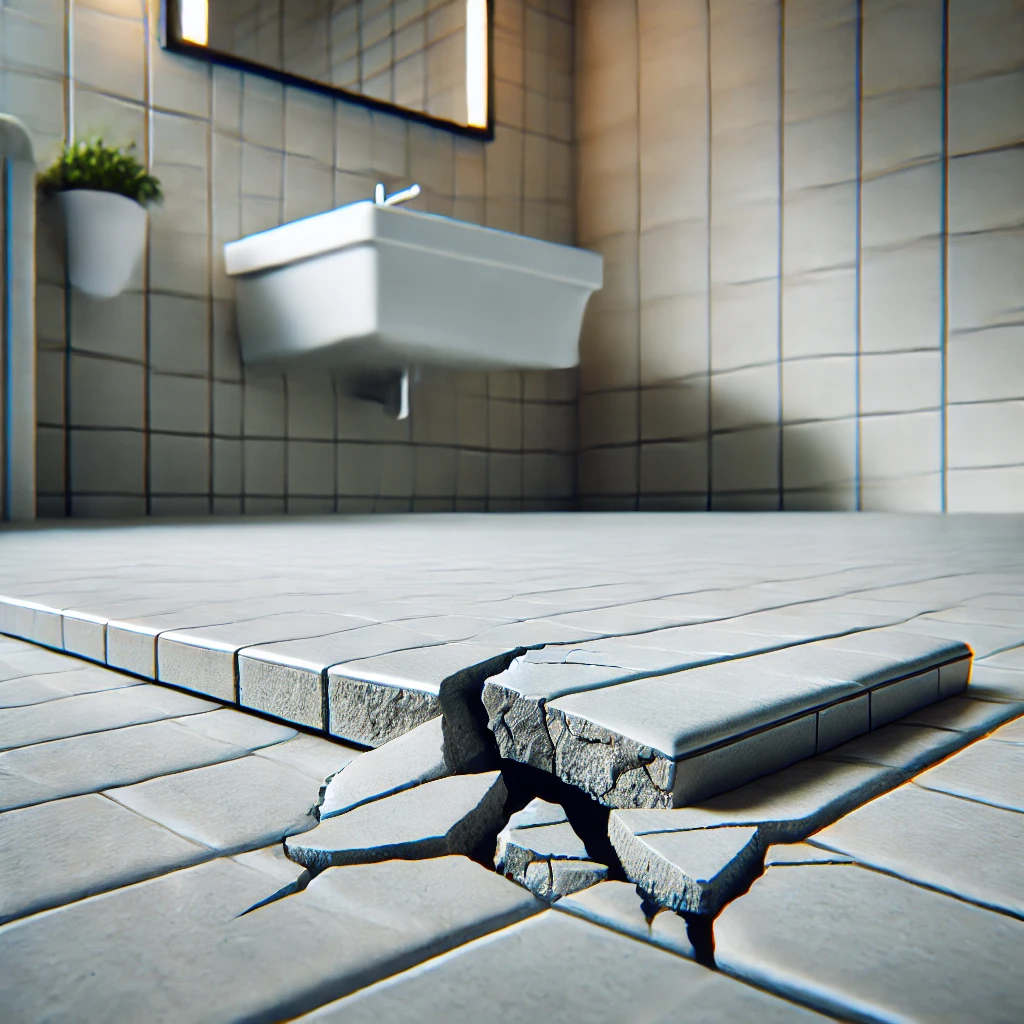
- Structural and Safety Updates: Begin with the essentials—roof, foundation, plumbing, and electrical. Ensuring your home is safe and sound should always be the first step.
- Windows and Insulation: Upgrading these elements can improve energy efficiency, leading to lower utility bills.
- Kitchen and Bathrooms: These rooms often provide the highest return on investment. Consider starting with these spaces to enhance your home’s value.
- Living Areas and Bedrooms: Updating flooring, paint, and fixtures can revitalize these spaces without breaking the bank.
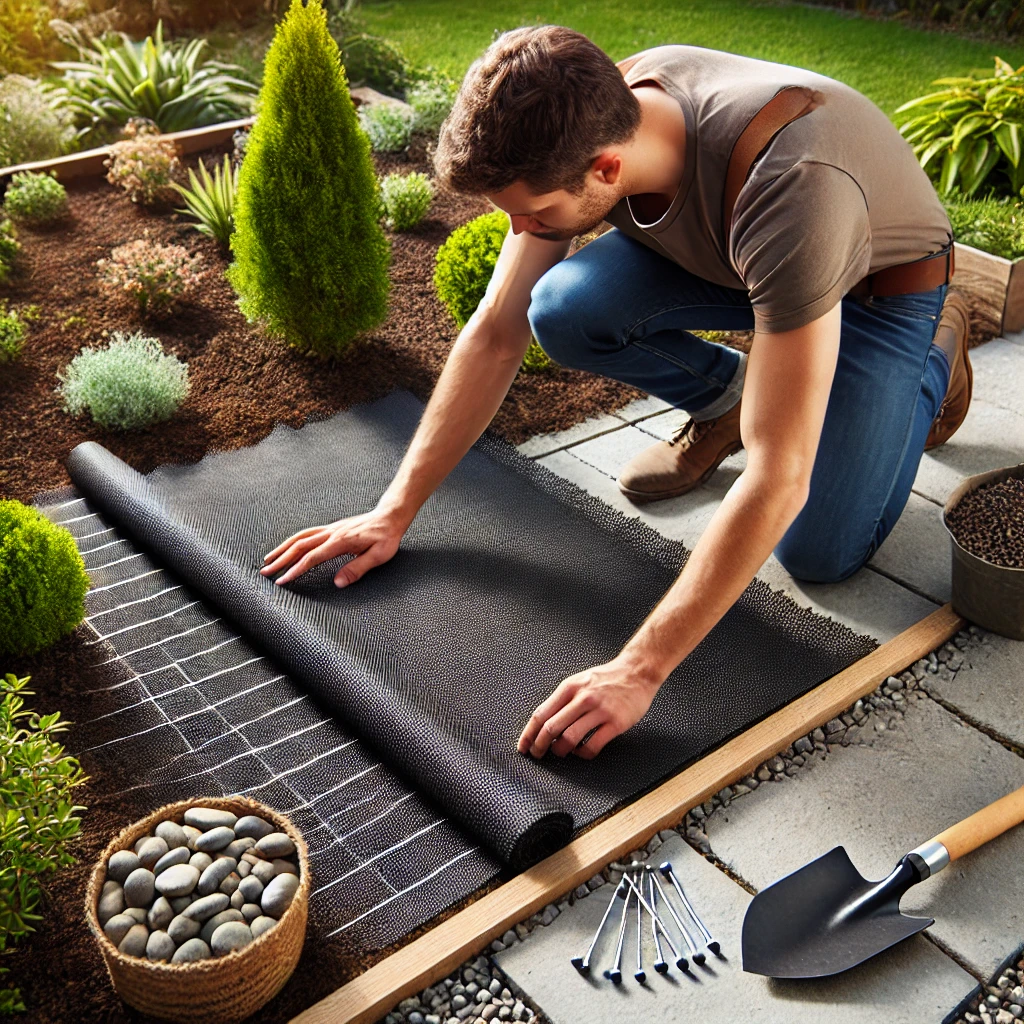
- Exterior and Landscaping: First impressions matter. Updating your home’s exterior and landscaping can boost curb appeal dramatically.
Pros and Cons of Updating Your House
Pros:
- Increases property value.
- Improves functionality and comfort.
- Can reduce energy costs with efficient upgrades.
Cons:
- Can be expensive and time-consuming.
- May uncover additional issues needing repair.
- Requires careful planning and budgeting.
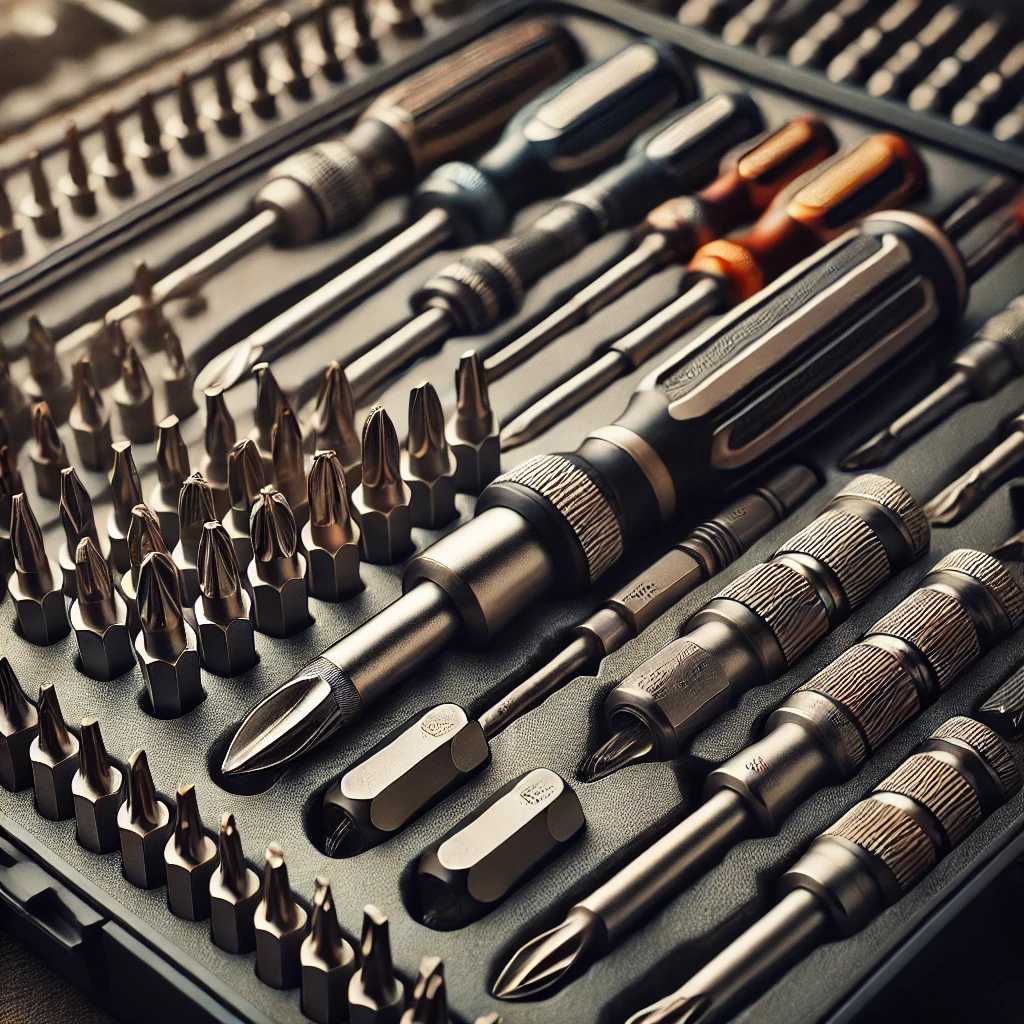
Recommended Tools for Your Project
- Quality paintbrushes and rollers for painting.
- Cordless drill for fixture updates and minor repairs.
- Laser level for flooring and tile installation.
- Digital tape measure for accurate room and furniture measurements.
Comparisons: DIY vs. Hiring Professionals
DIY:
- Lower costs.
- Personal satisfaction from completing the work.
- Flexible timing.
Hiring Professionals:
- Higher quality and speed.
- Warranty and accountability.
- Access to professional tools and materials.
Tips & Tricks
- Plan extensively before starting any work.
- Budget for more time and money than your initial estimate.
- Update in phases to minimize disruption to your daily life.
FAQs
Q: How long does it take to update a house? A: It varies greatly depending on the extent of the updates, but plan for several months to a year for comprehensive updates.
Q: Should I live in my house during renovations? A: For minor updates, yes. For extensive renovations, consider relocating temporarily to reduce stress and expedite the process.
Q: How can I save money while updating my house? A: Focus on updates with the highest return on investment, such as kitchens and bathrooms, and consider DIY for smaller projects.
Updates and Future Considerations
Stay informed about the latest home improvement trends and technologies. Future updates might include smart home devices, eco-friendly materials, and more innovative storage solutions.
Cost or Price Considerations
Updating your house is an investment in your future comfort and property value. While costs can vary widely based on the scope of your project, planning and budgeting carefully can ensure that you spend your money wisely. Always get multiple quotes for any professional work and consider quality over the cheapest option to avoid future expenses for repairs or replacements.
For innovative storage solutions, consider visiting California Closets for customized options that enhance both functionality and style in your home.
Conclusion
Updating your house requires careful planning and prioritization. By following the suggested order and considering the provided tips, you can ensure a smoother renovation process that enhances your home’s value and appeal. Remember, the best updates not only improve aesthetics but also functionality and efficiency.