What Type of Tile is Best for a Shower?
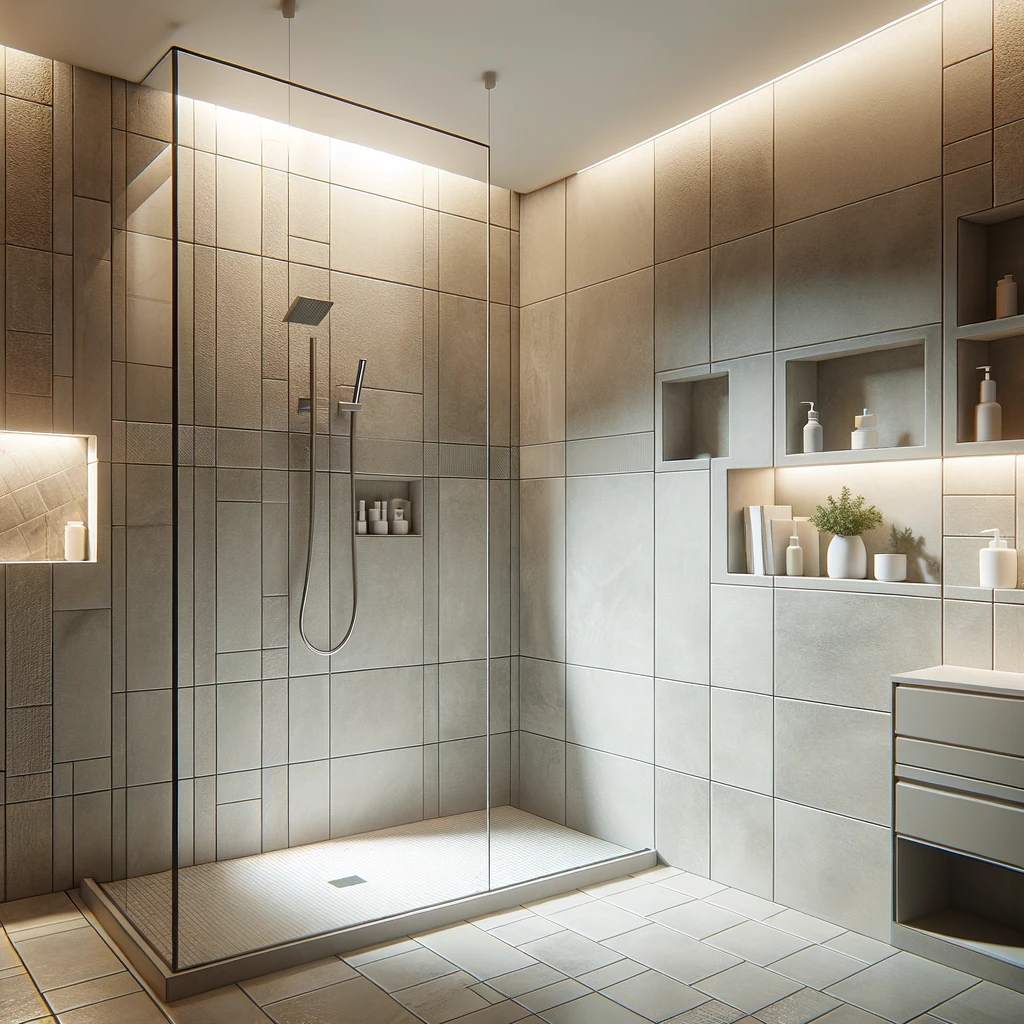
When renovating a bathroom, selecting the right type of tile for your shower can significantly impact both the aesthetics and functionality of the space. With numerous options available, it’s essential to consider durability, maintenance, slip resistance, and of course, style. This guide explores the best tile options for your shower, including their pros and cons, to help you make an informed decision.
Ceramic and Porcelain Tiles
Pros:
- Durability: Both are tough and resistant to wear and tear.
- Maintenance: Easy to clean and maintain.
- Water Resistance: Porcelain, in particular, has a low water absorption rate, making it ideal for wet areas.
Cons:
- Cold Underfoot: Without in-floor heating, these can be cold to touch.
- Slippery When Wet: Some finishes can be slippery, necessitating the choice of textured tiles for safety.
Natural Stone Tiles
Pros:
- Aesthetics: Offers a unique, luxurious look with natural variations.
- Durability: With proper sealing, stone tiles are durable and long-lasting.
Cons:
- Maintenance: Requires more maintenance than ceramic or porcelain, including regular sealing.
- Cost: Generally, more expensive than ceramic or porcelain tiles.
Glass Tiles
Pros:
- Aesthetic Appeal: Provides a luminous quality and depth that other tiles cannot match.
- Color Variety: Available in a wide range of colors and patterns.
Cons:
- Slippery Surface: More suitable for wall applications rather than floors unless textured.
- Cost: Can be more expensive than ceramic tiles.
Recommended Tools for the Project
- Tile cutter or wet saw
- Notched trowel
- Tile spacers
- Level
- Grout float
- Sealant (for natural stone tiles)
Cost Considerations
The cost of tiling a shower can vary widely based on the type of tile chosen, the size of the shower, and whether you’re doing it yourself or hiring a professional. Ceramic and porcelain tiles tend to be the most budget-friendly options, with prices starting as low as $1.50 per square foot. Natural stone and glass tiles are at the higher end, potentially costing up to $15 per square foot or more. Remember to factor in the cost of additional materials like grout, sealant, and tools if you’re planning a DIY project.
Tips & Tricks
- Measure Accurately: Before purchasing tiles, measure your shower area carefully to determine how many tiles you’ll need.
- Consider the Finish: For shower floors, opt for tiles with a matte finish or texture to prevent slips.
- Seal Natural Stone: To prevent water damage and staining, ensure natural stone tiles are properly sealed.
FAQs
Q: How do I choose between matte and glossy tiles? A: Matte tiles are less slippery and hide water spots and smudges better, making them ideal for shower floors. Glossy tiles can make a space feel brighter and larger but are better suited for walls.
Q: Can I mix different types of tiles in my shower? A: Absolutely! Mixing textures and colors can create a unique look. Just ensure all tiles are suitable for wet conditions.
Updates and Future Considerations
Tile trends and technologies evolve, with new textures, patterns, and environmentally friendly options becoming available. Keep an eye on emerging trends, such as 3D textures and recycled materials, to stay ahead in your next renovation project.
Choosing the best tile for your shower involves balancing aesthetics, functionality, and budget. Whether you opt for the classic elegance of ceramic, the natural beauty of stone, or the unique appeal of glass, the right choice can elevate your bathroom to a sanctuary of comfort and style.