Choosing the Best Tile for Your Flooring Needs
When it comes to selecting the best type of tile for flooring, homeowners are often faced with a plethora of options. From the classic elegance of ceramic and porcelain to the natural charm of stone, the choice is vast. This blog will explore the pros and cons of different flooring tiles, recommended tools for DIY projects, cost considerations, and offer tips and tricks to guide you in making the best decision for your home.
Pros and Cons of Popular Flooring Tiles
Ceramic Tile
- Pros: Ceramic tiles are durable, easy to clean, and available in a wide range of colors and designs.
- Cons: They can be cold underfoot and slippery when wet.
Porcelain Tile
- Pros: Porcelain tiles are more durable than ceramic, water-resistant, and suitable for high traffic areas.
- Cons: Higher cost and more challenging to cut and install.
Stone Tile
- Pros: Natural stone tiles, such as marble, granite, and slate, offer unique textures and colors.
- Cons: Requires regular sealing, can be expensive, and is prone to scratching.
Vinyl Tile
- Pros: Vinyl is cost-effective, water-resistant, and comfortable underfoot.
- Cons: Can be damaged by sharp objects and may fade in direct sunlight.
Recommended Tools for DIY Flooring Projects
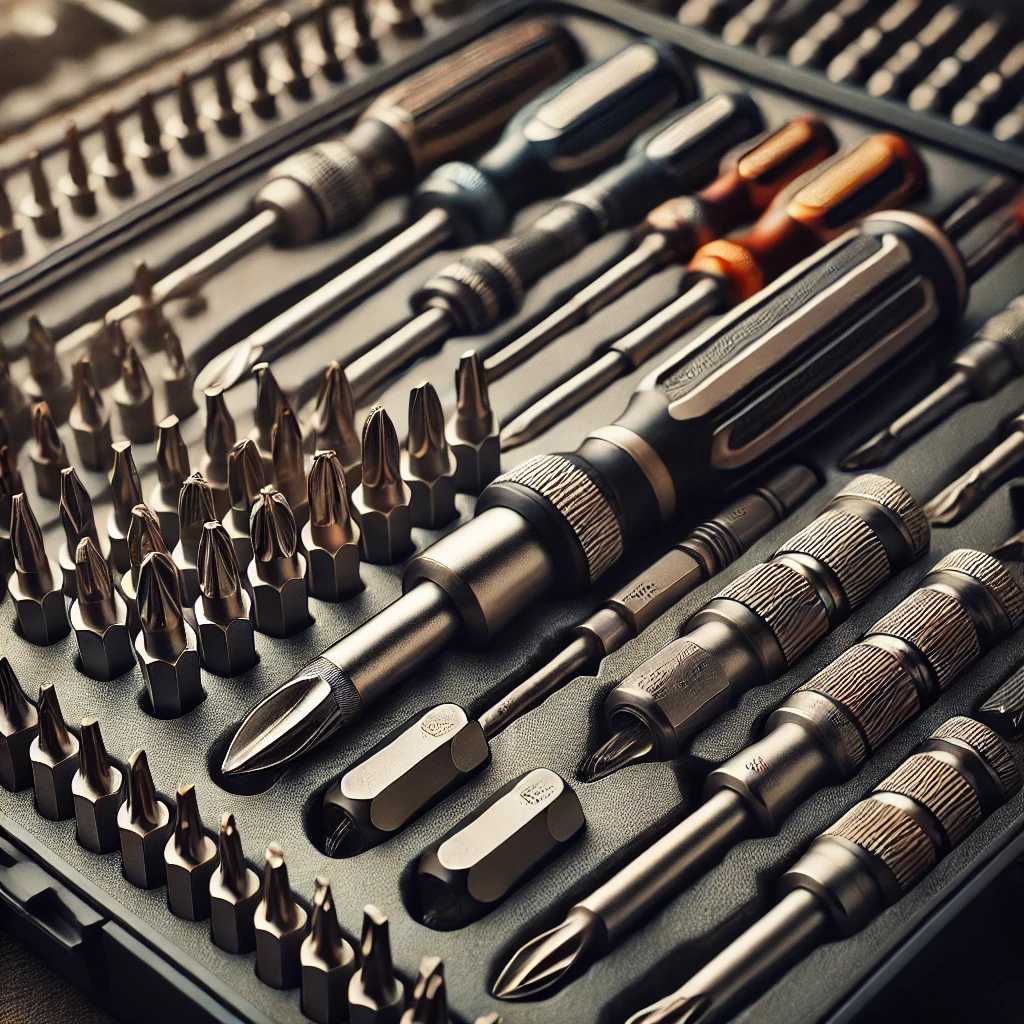
For those looking to install tiles themselves, here are some essential tools:
- Tile cutter or wet saw
- Notched trowel
- Spacers
- Level
- Grout float
- Sponge and bucket for cleanup
Cost Considerations
The cost of tile flooring can vary widely depending on the material, size, and design. Ceramic and vinyl tiles are generally the most affordable options, with prices ranging from $1 to $5 per square foot. Porcelain and stone tiles are on the higher end, costing anywhere from $5 to $10 per square foot or more. Remember to factor in the cost of additional materials like grout, sealant, and tools, as well as installation if you’re not planning a DIY project.
Tips & Tricks for Tile Flooring
- Always buy extra tiles in case of mistakes or future repairs.
- Use a level to ensure your floor is even before installation.
- Seal stone tiles regularly to prevent stains and damage.
FAQs
Q: Which tile is the most durable? A: Porcelain tiles are known for their durability and are ideal for high traffic areas.
Q: Can I install floor tiles myself? A: Yes, with the right tools and a bit of patience, DIY tile installation is achievable.
Q: How can I make my tile floor less slippery? A: Opt for tiles with a textured surface or apply a non-slip coating.
Updates and Future Considerations
As technology advances, so do tile manufacturing techniques. Future trends may include more environmentally friendly materials and innovative designs that mimic natural wood and stone more closely. Stay informed about new products and installation methods to ensure your home remains both stylish and functional.
Conclusion
Choosing the best type of tile for flooring requires careful consideration of your home’s needs, style preferences, and budget. Whether you opt for the durability of porcelain, the natural beauty of stone, or the affordability of vinyl, the right tile can enhance the look and feel of your space. With the proper preparation and knowledge, your flooring project can be a lasting investment in your home’s comfort and value.