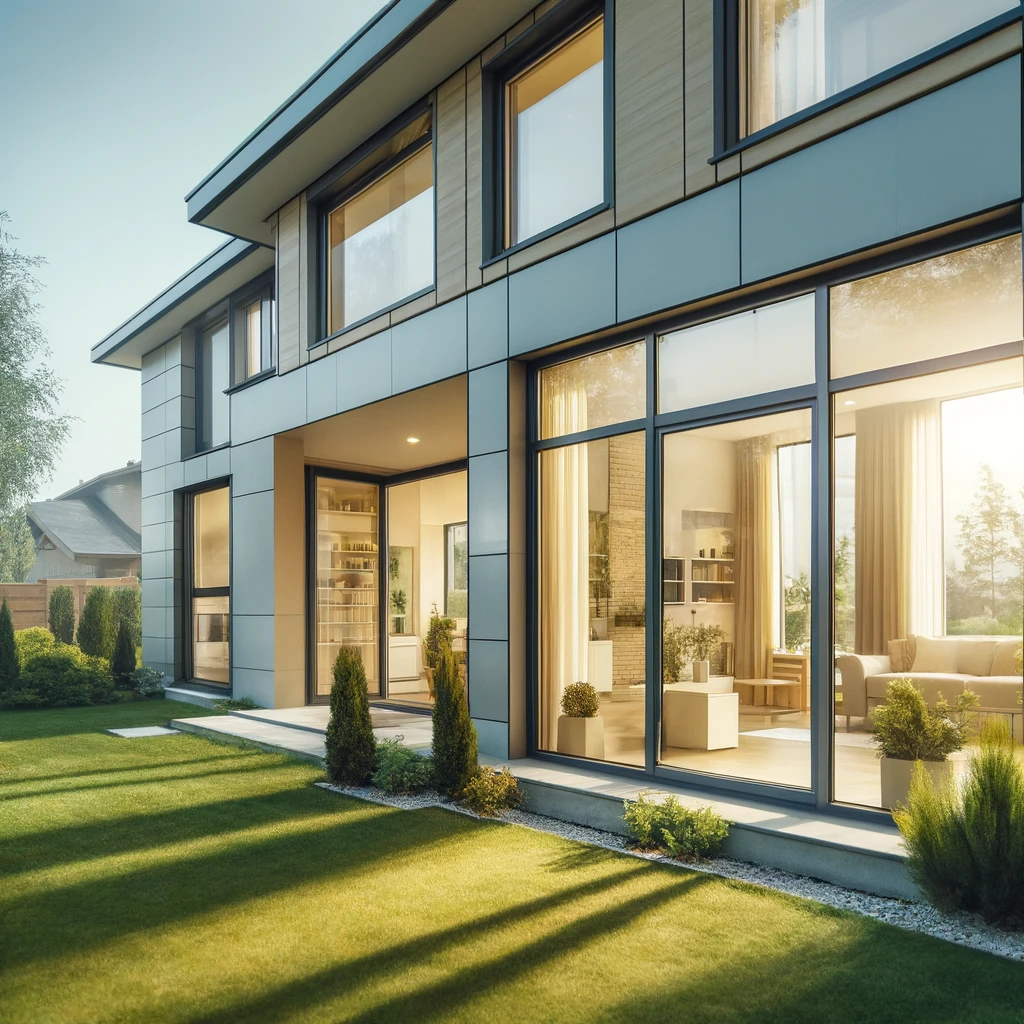
Renovating your home can be an exciting project, but choosing the right windows for energy efficiency is crucial. This guide will help you understand the pros, cons, recommended tools, comparisons, tips, and tricks, and answer frequently asked questions about selecting energy-efficient windows for your renovation.
Pros of Energy-Efficient Windows
Energy-efficient windows offer several benefits that can significantly enhance your home’s comfort and reduce your energy bills. Here are some key pros:
- Lower Energy Bills: By preventing heat loss in winter and reducing heat gain in summer, energy-efficient windows can lower your heating and cooling costs.
- Improved Comfort: These windows help maintain a consistent indoor temperature, making your home more comfortable year-round.
- Reduced Condensation: Energy-efficient windows can reduce condensation buildup, which helps prevent mold and mildew.
- Environmental Impact: Lower energy consumption means a reduced carbon footprint, making energy-efficient windows an eco-friendly choice.
- Increased Home Value: Installing energy-efficient windows can increase your home’s resale value by appealing to environmentally-conscious buyers.
Energy-efficient windows are designed to minimize the transfer of heat through your windows, ensuring that your home stays warmer in the winter and cooler in the summer. This results in less reliance on heating and cooling systems, translating to lower utility bills. Improved indoor comfort and reduced condensation also contribute to a healthier living environment. Furthermore, by using less energy, you are contributing to a greener planet, making this choice beneficial not only for your home but also for the environment.
Cons of Energy-Efficient Windows
While there are numerous advantages to installing energy-efficient windows, there are also some drawbacks to consider:
- Initial Cost: Energy-efficient windows tend to be more expensive than traditional windows.
- Installation Complexity: Proper installation is crucial, which may require professional help, adding to the overall cost.
- Limited Styles and Designs: Some energy-efficient windows may not be available in all styles or may have limited design options.
- Maintenance: Some high-efficiency window coatings may require special cleaning methods to maintain their effectiveness.
- Payback Period: The time it takes to recoup the initial investment through energy savings can vary.
The initial cost of energy-efficient windows can be a significant investment, often higher than traditional windows. Additionally, the complexity of installation can necessitate hiring professionals, which adds to the cost. While the energy savings over time can offset this initial expense, the payback period can be long, depending on factors such as your local climate and energy prices. Furthermore, some homeowners may find the available styles and designs of energy-efficient windows limiting, potentially affecting the aesthetic appeal of their home. Regular maintenance, particularly for windows with special coatings, is essential to ensure they continue to perform optimally.
Recommended Tools for the Project
To ensure a successful installation of energy-efficient windows, having the right tools is essential. Here are some recommended tools for the project:
- Measuring Tape: Accurate measurements are crucial for fitting windows correctly.
- Level: Ensures that windows are installed evenly and correctly aligned.
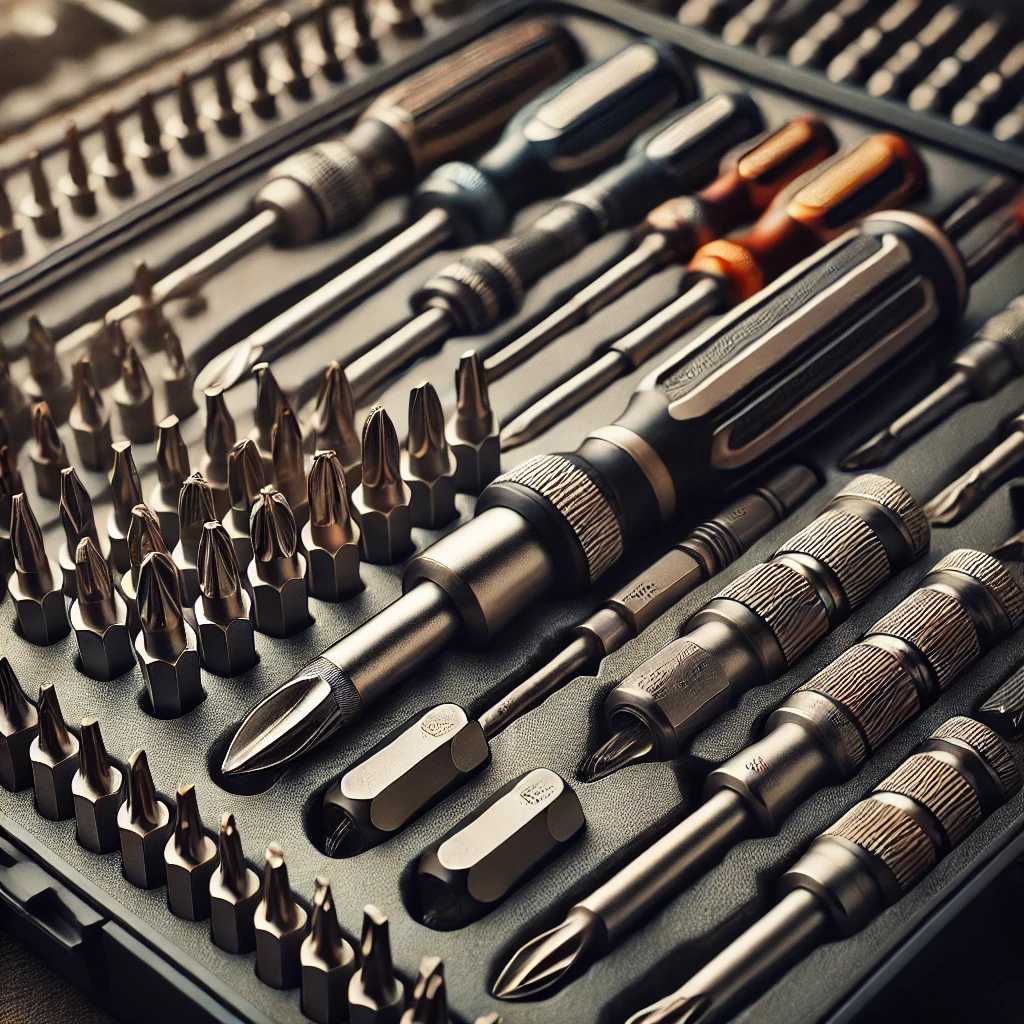
- Screwdrivers and Drill: Essential for securing windows and frames.
- Caulking Gun: Used to seal gaps and ensure airtight installation.
- Gloves and Safety Glasses: Protect yourself during the installation process.
Having the correct tools can make the installation process smoother and more efficient. Accurate measurements with a measuring tape are vital to ensure that your windows fit perfectly. A level is necessary to confirm that the windows are installed evenly, preventing any alignment issues. Screwdrivers and a drill are essential for securing the windows and their frames, while a caulking gun helps seal any gaps to ensure the installation is airtight. Additionally, safety gear such as gloves and safety glasses is important to protect yourself from potential injuries during the installation.
Comparisons
When choosing energy-efficient windows, it’s helpful to compare different types and brands. Here’s a comparison of some common options:
- Double-Pane vs. Triple-Pane: Triple-pane windows offer better insulation but are more expensive and heavier.
- Low-E Coatings: Windows with Low-E (low-emissivity) coatings reflect more heat, improving energy efficiency but may slightly reduce visible light.
- Gas Fills (Argon, Krypton): Argon-filled windows are more common and less expensive, while Krypton-filled windows offer better performance at a higher cost.
- Frame Materials: Vinyl, wood, and fiberglass frames each have their pros and cons in terms of insulation, cost, and maintenance.
- Brand Comparisons: Some reputable brands include Andersen, Pella, and Marvin, each offering various energy-efficient options.
Double-pane windows consist of two layers of glass with a space in between, providing decent insulation. Triple-pane windows, on the other hand, have three layers, offering superior insulation but at a higher cost and weight. Low-E coatings are an additional feature that enhances energy efficiency by reflecting heat, though they may slightly dim the natural light entering your home. The type of gas used to fill the space between panes also affects performance; argon is common and cost-effective, while krypton provides better insulation but is more expensive. Different frame materials like vinyl, wood, and fiberglass have their own advantages and drawbacks, affecting insulation properties, cost, and maintenance requirements.
Tips & Tricks
Here are some tips and tricks to ensure you choose the right energy-efficient windows and get the most out of them:
- Check the Energy Star Label: Look for the Energy Star label to ensure the windows meet energy efficiency standards.
- Consider Your Climate: Choose windows based on your local climate for optimal performance.
- Professional Installation: Hire a professional installer to ensure proper installation and avoid potential issues.
- Regular Maintenance: Keep your windows clean and check for any air leaks regularly.
- Upgrade Your Window Treatments: Use energy-efficient window treatments like blinds or curtains to enhance insulation.
When selecting energy-efficient windows, checking for the Energy Star label is a quick way to verify their efficiency standards. Consider your local climate to choose windows that will perform best in your specific conditions. Professional installation is crucial to avoid common issues such as air leaks and improper sealing. Regular maintenance, including cleaning and inspecting for leaks, helps maintain their efficiency over time. Additionally, upgrading your window treatments to energy-efficient options like thermal blinds or heavy curtains can further improve your home’s insulation.
FAQs
Q1: Are energy-efficient windows worth the investment? A: Yes, energy-efficient windows are worth the investment as they can significantly reduce your energy bills, improve indoor comfort, and increase your home’s resale value. Although the initial cost is higher, the long-term savings and benefits make them a wise choice for most homeowners.
Q2: How do I know if my windows are energy-efficient? A: To determine if your windows are energy-efficient, look for the Energy Star label and check the window’s U-factor and Solar Heat Gain Coefficient (SHGC). Lower U-factors and SHGC values indicate better insulation and heat-blocking capabilities.
Q3: Can I install energy-efficient windows myself? A: While it is possible to install energy-efficient windows yourself, it is recommended to hire a professional installer. Proper installation is crucial to ensure the windows perform as intended and to avoid potential issues such as air leaks or water damage.
Q4: How long do energy-efficient windows last? A: Energy-efficient windows can last between 20 to 30 years with proper maintenance. The longevity depends on the quality of the materials, the installation process, and regular upkeep.
Q5: What is the payback period for energy-efficient windows? A: The payback period for energy-efficient windows varies based on factors such as local energy costs, climate, and the specific windows chosen. On average, homeowners can expect to recoup their investment in 10 to 15 years through energy savings.
Cost Considerations
The cost of energy-efficient windows can vary widely based on several factors, including the type of window, materials used, and installation costs. On average, energy-efficient windows can cost between $300 to $1,000 per window, including installation. While this is higher than the cost of traditional windows, the energy savings over time can offset the initial expense. Additionally, many regions offer rebates or tax incentives for installing energy-efficient windows, which can help reduce the overall cost.
Updates and Future Considerations
As technology advances, energy-efficient windows continue to improve. Innovations such as smart windows, which can adjust their tint based on sunlight, and windows with built-in solar panels are becoming more common. When planning for future renovations, consider these advancements to further enhance your home’s energy efficiency.