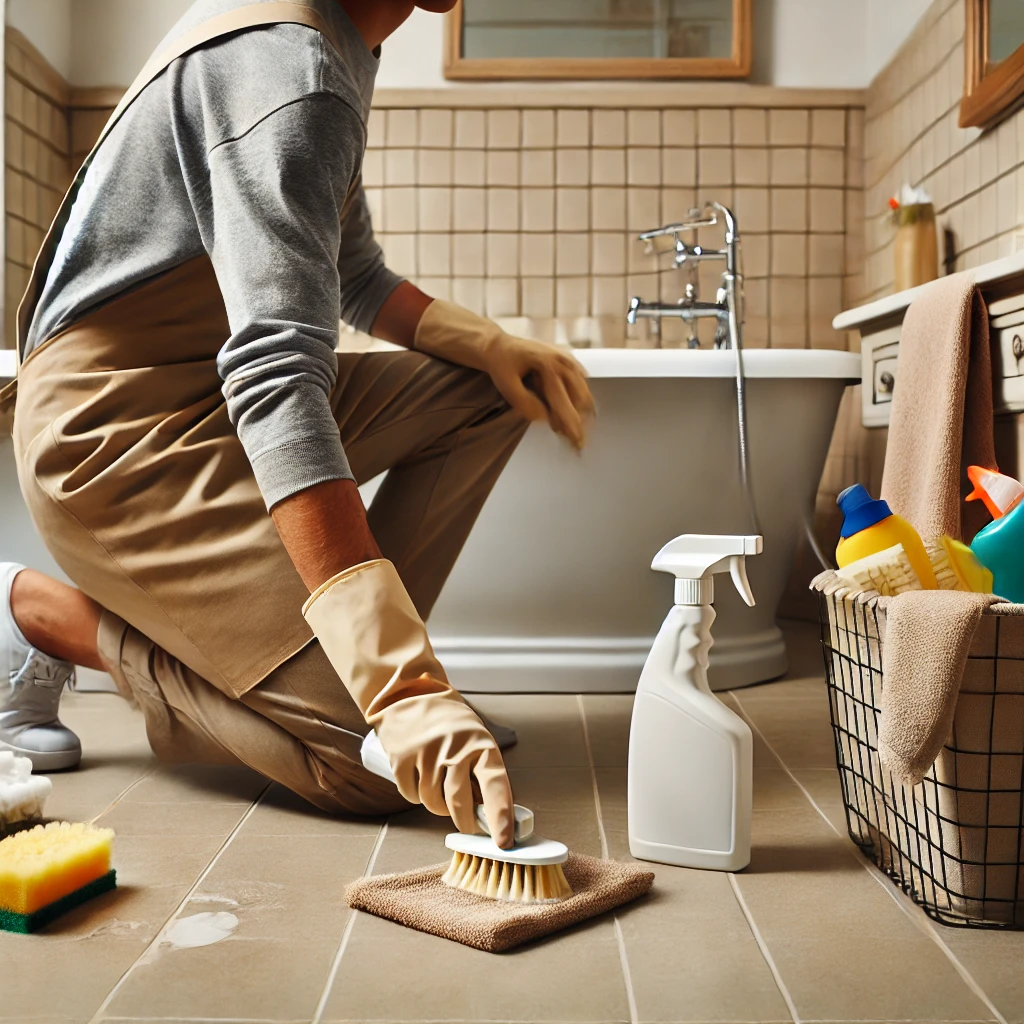
Keeping your house clean can be a daunting task, especially if you have a busy lifestyle. One effective solution is to create a schedule to clean your house. By breaking down your cleaning tasks into manageable chunks, you can ensure your home stays tidy without feeling overwhelmed. In this blog post, we’ll explore the pros and cons of having a cleaning schedule, recommend essential tools, outline necessary steps, compare different methods, offer tips and tricks, answer frequently asked questions, discuss future considerations, and look at the costs involved.
Pros of Creating a Cleaning Schedule
Creating a schedule to clean your house offers numerous advantages:
- Consistency: Regular cleaning ensures your home remains consistently clean and pleasant.
- Efficiency: A schedule helps you allocate time effectively, making cleaning less time-consuming.
- Reduced Stress: Knowing when and what to clean can reduce anxiety and make the process more manageable.
- Increased Productivity: A clean environment can boost your overall productivity and well-being.
- Customization: You can tailor your schedule to fit your specific needs and lifestyle.
Cons of Creating a Cleaning Schedule
While creating a schedule to clean your house has many benefits, there are also some drawbacks to consider:
- Rigidity: A strict schedule can feel inflexible, especially if unexpected events occur.
- Time-Consuming: Planning and sticking to a schedule can be time-consuming initially.
- Pressure: The pressure to adhere to the schedule can sometimes feel overwhelming.
- Adaptation Period: It may take time to get used to a new routine.
- Overlooking Tasks: There’s a risk of missing out on tasks that don’t fit neatly into a schedule.
Recommended Tools for the Project
To effectively create a schedule to clean your house, having the right tools is essential:
- Planner or Calendar: A physical or digital planner to outline your cleaning tasks.
- Cleaning Supplies: Stock up on essential cleaning supplies such as all-purpose cleaners, microfiber cloths, and sponges.
- Storage Solutions: Organize your cleaning supplies with caddies or shelves.
- Labels: Use labels to categorize and find your supplies quickly.
- Timer: A timer can help manage time spent on each task.
- Checklists: Create checklists for each cleaning session to ensure all tasks are completed.
- Apps: Consider using cleaning schedule apps to streamline the process.
- Vacuum Cleaner: A reliable vacuum for carpets and floors.
- Brooms and Mops: Essential for sweeping and mopping floors.
- Protective Gear: Gloves and masks for handling cleaning chemicals.
Necessary Steps to Create a Cleaning Schedule
Here are the steps to create a schedule to clean your house:
- Assess Your Home: Evaluate the size of your home and the frequency of cleaning needed for each area.
- List Tasks: Make a comprehensive list of all cleaning tasks, from daily chores to deep cleaning.
- Categorize Tasks: Divide tasks into daily, weekly, bi-weekly, and monthly categories.
- Assign Days: Allocate specific tasks to particular days of the week or month.
- Set Time Limits: Determine how much time to spend on each task to avoid overworking yourself.
- Prioritize: Focus on high-traffic areas and tasks that need immediate attention.
- Incorporate Flexibility: Allow some flexibility for unexpected events or tasks.
- Delegate Tasks: If possible, share the workload with family members or roommates.
- Monitor and Adjust: Regularly review and adjust your schedule as needed.
- Stay Consistent: Stick to the schedule to develop a routine and maintain a clean home.
Comparisons
There are various methods to create a schedule to clean your house. Here’s a comparison:
- Traditional Planner vs. Digital Apps: Traditional planners are tangible and can be visually satisfying, while digital apps offer convenience and reminders.
- Weekly vs. Monthly Schedules: Weekly schedules provide regular reminders and keep tasks manageable, whereas monthly schedules cover broader, less frequent tasks.
- Room-by-Room vs. Task-Oriented: Cleaning room-by-room can be thorough but time-consuming, whereas task-oriented cleaning can be more efficient.
- DIY vs. Professional Help: DIY cleaning is cost-effective and customizable, while professional help ensures thorough cleaning without personal effort.
Tips & Tricks
Here are some tips and tricks to make the most out of your cleaning schedule:
- Start Small: Begin with one room or task to avoid feeling overwhelmed.
- Be Realistic: Set achievable goals to stay motivated.
- Use Music: Playing your favorite tunes can make cleaning more enjoyable.
- Set Rewards: Reward yourself after completing tasks to stay motivated.
- Stay Flexible: Allow for adjustments in your schedule as needed.
- Declutter Regularly: Reducing clutter can make cleaning easier and faster.
- Maintain Supplies: Keep your cleaning supplies well-stocked and organized.
- Utilize Natural Cleaners: Use eco-friendly cleaning solutions for a healthier home.
- Clean as You Go: Incorporate quick, daily cleanups to reduce larger tasks.
- Seek Help: Don’t hesitate to ask family members or hire professional cleaners when necessary.
FAQs
Q: How often should I clean each area of my house? A: It depends on usage and traffic. High-traffic areas like the kitchen and bathroom should be cleaned daily or weekly, while less frequently used spaces can be cleaned bi-weekly or monthly.
Q: What if I miss a scheduled cleaning task? A: Don’t stress. Simply reschedule the task for another day or incorporate it into your next cleaning session.
Q: How can I make cleaning more enjoyable? A: Listen to music, audiobooks, or podcasts while cleaning. Also, set small rewards for completing tasks.
Q: Is it better to clean one room at a time or do specific tasks throughout the house? A: Both methods have their benefits. Cleaning one room at a time can feel more organized, while task-oriented cleaning can be more efficient.
Q: Can I involve my family in the cleaning schedule? A: Absolutely! Delegating tasks can make cleaning quicker and teach responsibility.
Updates and Future Considerations
As your lifestyle and needs change, so should your cleaning schedule. Regularly review and update your schedule to ensure it meets your current requirements. Consider seasonal deep cleaning sessions and stay informed about new cleaning techniques and products. Future considerations may include automating tasks with smart home devices or hiring professional cleaning services for periodic deep cleans.
Cost or Price
Creating a schedule to clean your house doesn’t have to be expensive. Most of the cost will be in purchasing the initial supplies and possibly investing in a planner or digital app. Here’s a breakdown of potential costs:
- Cleaning Supplies: $20-$100 depending on brands and quantities.
- Storage Solutions: $10-$50 for caddies, shelves, and bins.
- Planner or App Subscription: $0-$20, depending on choice.
- Professional Cleaning Services: $50-$200 per session, if chosen.
The overall cost will vary based on personal preferences and the size of your home. However, the investment in maintaining a clean and organized home is invaluable for your well-being.
Creating a schedule to clean your house can transform your approach to housekeeping, making it more structured, less stressful, and ultimately more effective. With the right tools, tips, and a little consistency, you can enjoy a cleaner and more organized home effortlessly.