What is the Most Common Home Repair?
One of the most common home repairs that homeowners face is fixing a leaky faucet. Whether it’s a slow drip or a constant stream of water, a leaky faucet can be not only annoying but also wasteful. In this blog, we will discuss the pros and cons of fixing a leaky faucet and recommended tools for the project.
What is a leaky faucet?
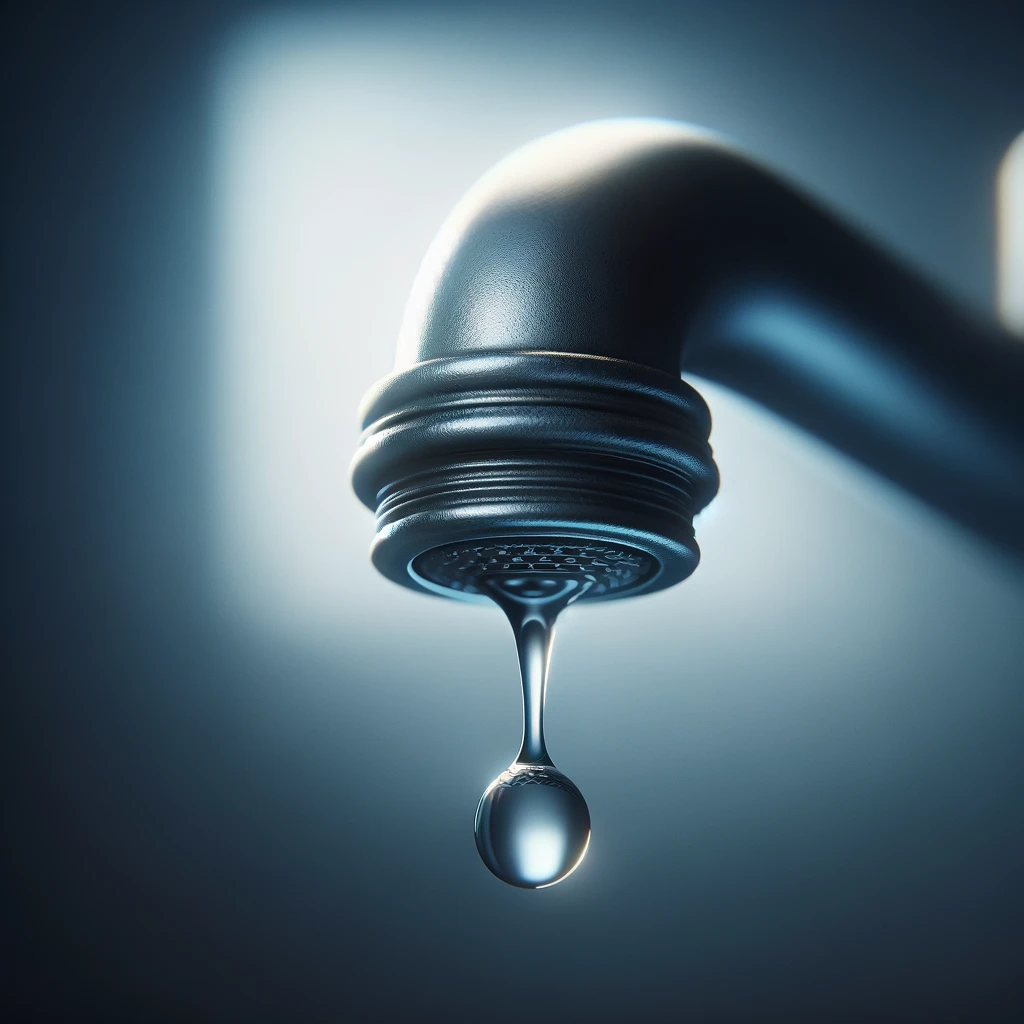
A leaky faucet is a faucet that drips water when it should be turned off. The most common cause of a leaky faucet is a worn-out washer or O-ring. Over time, these parts can degrade and no longer create a watertight seal, allowing water to leak out.
Pros of fixing a leaky faucet:
– Saves water: A leaky faucet can waste gallons of water over time, leading to a higher water bill.
– Prevents further damage: A leaky faucet can cause water damage to your sink and countertop if not fixed promptly.
– Improves aesthetics: A constantly dripping faucet can be irritating to listen to and detracts from the overall look of your kitchen or bathroom.
Cons of fixing a leaky faucet:
– Time-consuming: Fixing a leaky faucet can be a time-consuming project, especially if you are not experienced with plumbing repairs.
– Cost: While fixing a leaky faucet is relatively inexpensive, hiring a plumber can be costly if you’re unable to DIY.
Recommended tools for the project:
1. Adjustable wrench
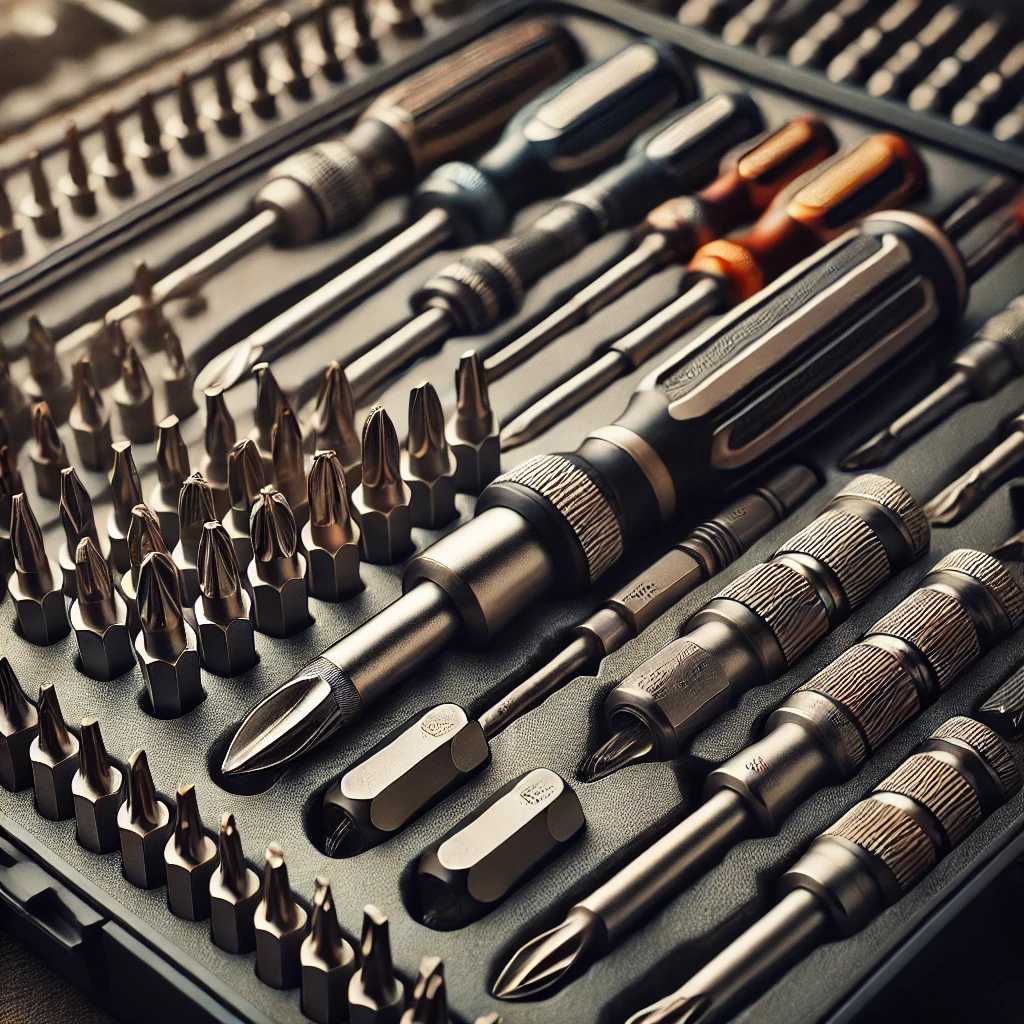
2. Screwdriver
3. Replacement washers or O-rings
4. Penetrating oil
Overall, fixing a leaky faucet is a common home repair that can have many benefits. From saving water to preventing further damage, tackling this project can improve the efficiency and aesthetics of your home. With the right tools and a little know-how, you can easily fix a leaky faucet and avoid the cons associated with ignoring the issue.