Owning a home comes with its own set of responsibilities and challenges. To keep your home in top condition, you need the right tools. Whether you’re a new homeowner or a seasoned DIY enthusiast, having a well-stocked toolkit can save you time, money, and stress. In this blog post, we’ll explore the essential tools every homeowner should have, the pros and cons of these tools, recommended tools for specific projects, and much more.
Pros
When it comes to maintaining your home, having the essential tools offers numerous advantages:
- Efficiency: With the right tools at your disposal, you can complete tasks more quickly and efficiently. This means less time spent on repairs and more time enjoying your home.
- Cost Savings: Investing in essential tools upfront can save you money in the long run. You won’t need to hire professionals for minor repairs, and you’ll avoid the cost of renting tools.
- Convenience: Having a well-stocked toolkit means you can handle emergencies and repairs as they arise, without needing to make a trip to the hardware store.
- Improved Quality: Using the correct tools ensures that your repairs and projects are done properly, leading to better results and increased longevity of your home components.
- Self-Reliance: Knowing you have the tools and skills to handle home maintenance tasks boosts your confidence and self-sufficiency as a homeowner.
Cons
While there are many benefits to having essential tools, there are also some drawbacks to consider:
- Initial Cost: Building a comprehensive toolkit can be expensive initially. High-quality tools can come with a significant price tag.
- Storage Space: Tools require storage space, and not all homes have ample room for a full set of tools. Proper organization is key to making the most of your space.
- Maintenance: Tools themselves need maintenance to stay in good working condition. This includes cleaning, sharpening, and proper storage to prevent rust and wear.
- Learning Curve: Some tools require skill and experience to use effectively. There’s a learning curve involved, especially for more complex tools.
- Risk of Injury: Using tools improperly can lead to accidents and injuries. It’s important to follow safety guidelines and use protective gear.
Recommended Tools for the Project
Every homeowner should have a basic set of tools to handle common household tasks. Here are the essential tools you should consider:
- Hammer: A versatile tool for driving nails, pulling nails, and general construction tasks.
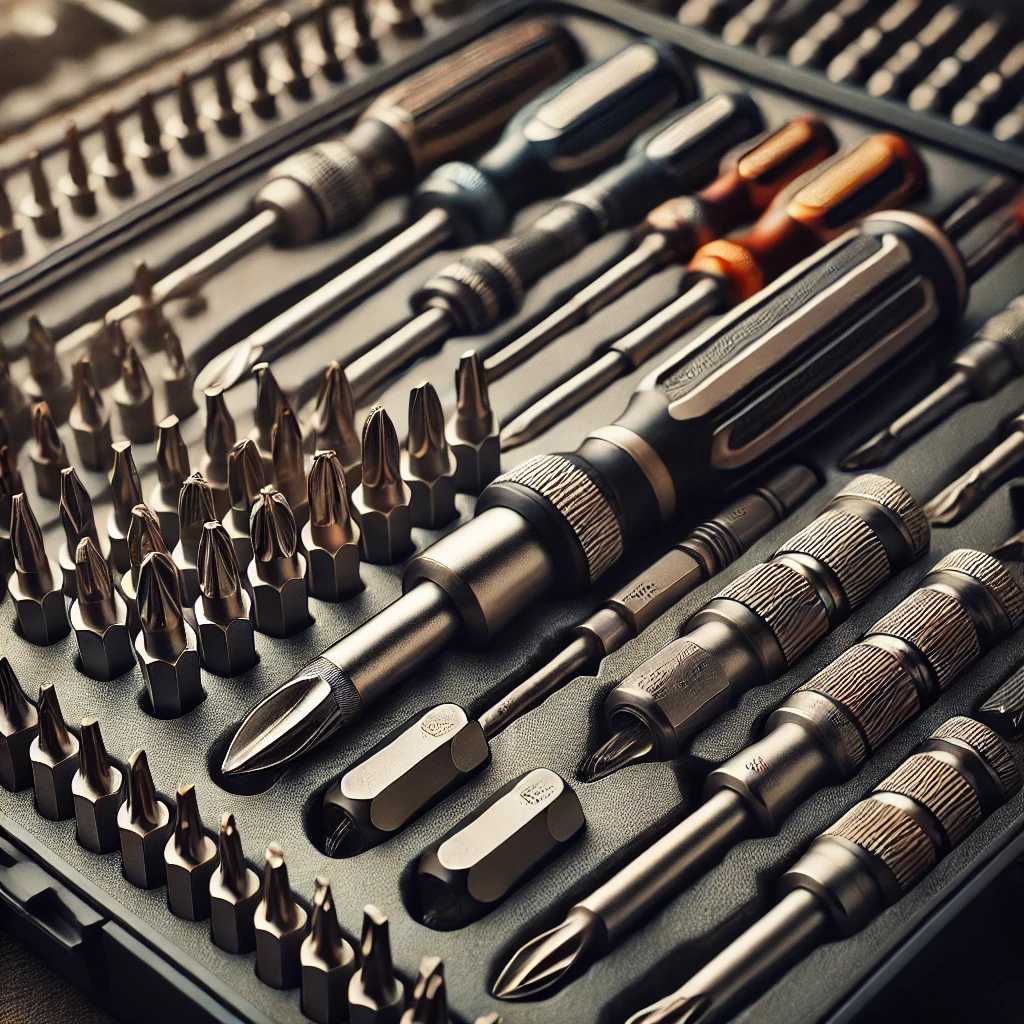
- Screwdrivers: Both flat-head and Phillips screwdrivers are necessary for assembling furniture, tightening screws, and more.
- Tape Measure: Accurate measurements are crucial for any project, from hanging pictures to building shelves.
- Pliers: Useful for gripping, bending, and cutting wires. Needle-nose pliers are especially handy for intricate tasks.
- Wrench Set: Adjustable wrenches and a socket set are essential for plumbing repairs and assembling furniture.
- Utility Knife: Ideal for cutting materials, opening boxes, and trimming edges.
- Level: Ensures your pictures, shelves, and other items are perfectly straight.
- Drill and Drill Bits: A cordless drill with a variety of drill bits is invaluable for making holes and driving screws quickly.
- Stud Finder: Helps locate studs in walls, making it easier to hang heavy items securely.
- Safety Gear: Protective gloves, safety glasses, and ear protection are crucial for staying safe while working on projects.
Necessary Steps (1-10)
Here’s a step-by-step guide to assembling your toolkit and tackling common household projects:
- Assess Your Needs: Identify the types of projects and repairs you’ll likely encounter in your home. This will help you determine which tools are most important.
- Research Tools: Look for reviews and recommendations to find high-quality tools that will last. Investing in durable tools will save you money in the long run.
- Start with the Basics: Purchase the essential tools listed above. These will cover most common household tasks.
- Organize Your Tools: Set up a designated space for your tools. Use a toolbox or pegboard to keep everything organized and easily accessible.
- Learn Basic Skills: Familiarize yourself with how each tool works and practice basic skills like hammering, drilling, and measuring.
- Prioritize Safety: Always use safety gear and follow instructions to prevent accidents. Take the time to learn proper techniques.
- Tackle Small Projects First: Start with simple tasks like hanging pictures or assembling furniture to build your confidence and skills.
- Expand Your Toolkit: As you take on more projects, gradually add specialized tools like a circular saw or jigsaw to your collection.
- Maintain Your Tools: Keep your tools clean, sharp, and properly stored. Regular maintenance will extend their lifespan and ensure they work effectively.
- Stay Informed: Keep up with home improvement tips and trends. There are many online resources and communities where you can learn new skills and get advice.
Comparisons
Comparing different tools can help you make informed decisions about which ones to purchase:
- Corded vs. Cordless Drill: Cordless drills offer more flexibility and portability, but corded drills provide consistent power for heavy-duty tasks.
- Manual vs. Electric Screwdriver: Manual screwdrivers are simple and reliable, while electric screwdrivers can speed up repetitive tasks.
- Wood vs. Metal Level: Wooden levels are traditional and sturdy, while metal levels are often more precise and durable.
- Standard vs. Multi-Tool Pliers: Standard pliers are great for basic tasks, but multi-tool pliers offer additional functions like wire cutting and crimping.
- Basic vs. Advanced Stud Finder: Basic stud finders locate studs with a magnet, while advanced models use electronic sensors for more accurate detection.
Tips & Tricks
Here are some tips and tricks to get the most out of your essential tools:
- Label Your Tools: Use a label maker or permanent marker to label your tools. This makes it easier to find what you need quickly.
- Use a Magnetic Wristband: A magnetic wristband can hold screws, nails, and small metal tools, keeping them within reach while you work.
- Create a Mobile Tool Cart: A rolling tool cart can make it easy to move your tools from one project to another without carrying a heavy toolbox.
- Invest in a Good Workbench: A sturdy workbench provides a stable surface for your projects and can double as storage for your tools.
- Utilize Online Tutorials: There are countless online tutorials and videos that can teach you how to use your tools effectively and tackle new projects.
- Keep Spare Parts: Keep a small box of spare parts like screws, nails, and bolts. This will save you a trip to the store when you need just one more piece.
- Regularly Clean Your Tools: Wipe down your tools after use to remove dirt and debris. This helps prevent rust and keeps them in good condition.
- Sharpen Blades Regularly: Keep blades on knives, saws, and other cutting tools sharp to ensure clean cuts and reduce the risk of injury.
- Use Painter’s Tape for Clean Edges: When painting, use painter’s tape to create clean, straight edges and protect surfaces you don’t want to paint.
- Practice Makes Perfect: Don’t be afraid to practice using your tools on scrap materials before tackling a major project. This helps you build confidence and skill.
FAQs (Frequently Asked Questions)
Q: How do I know which tools are essential for my home? A: Start with the basics like a hammer, screwdrivers, tape measure, pliers, and a wrench set. These tools cover most common household tasks. As you gain experience and take on more projects, you can expand your toolkit with more specialized tools.
Q: How should I store my tools to keep them in good condition? A: Store your tools in a dry, cool place to prevent rust and damage. Use a toolbox, pegboard, or tool chest to organize them. Keep tools clean and sharp, and regularly check for wear and tear.
Q: What safety gear should I use when working with tools? A: Always wear protective gloves, safety glasses, and ear protection when using tools. Follow safety guidelines and instructions for each tool to prevent accidents and injuries.
Q: Can I rent tools instead of buying them? A: Yes, renting tools is a cost-effective option for tools you don’t use frequently. Many hardware stores offer tool rental services. However, for tools you use regularly, it’s worth investing in your own.
Q: How do I learn to use new tools? A: There are many online resources, tutorials, and videos that can teach you how to use tools effectively. Practice on scrap materials and start with small projects to build your skills and confidence.
Updates and Future Considerations
As technology advances, new tools and innovations are constantly being introduced to the market. Here are some future considerations for homeowners:
- Smart Tools: Tools with built-in technology, such as digital levels and laser measuring devices, are becoming more popular. These tools offer increased precision and convenience.
- Eco-Friendly Tools: There is a growing trend toward environmentally friendly tools made from sustainable materials and powered by renewable energy sources.
- Modular Tool Systems: Modular tool systems allow you to customize your toolkit with interchangeable components, saving space and providing versatility.
- Enhanced Safety Features: Newer tools often come with enhanced safety features, such as automatic shutoff mechanisms and ergonomic designs to reduce strain and injury.
- DIY Kits: Pre-assembled DIY kits that include all the necessary tools and materials for specific projects are becoming more available. These kits simplify the process and ensure you have everything you need.
Cost or Price
The cost of building a toolkit can vary widely depending on the quality and quantity of tools you purchase. Here’s a breakdown of what you might expect to spend:
- Basic Toolkit: A basic toolkit with essential tools like a hammer, screwdrivers, tape measure, and pliers can cost between $50 and $100.
- Intermediate Toolkit: Adding more specialized tools like a cordless drill, wrench set, and level can increase the cost to $200 to $300.
- Advanced Toolkit: For a comprehensive set that includes power tools and advanced equipment, you might spend $500 or more.
While the initial investment may seem high, the long-term benefits of having your own tools can outweigh the costs. You’ll save money on hiring professionals for minor repairs and have the satisfaction of completing projects yourself.
Having the essential tools for every homeowner is crucial for maintaining and improving your home. From simple repairs to ambitious DIY projects, the right tools can make all the difference. By investing in high-quality tools, learning how to use them effectively, and staying informed about new developments, you can tackle any task with confidence. Remember to prioritize safety, keep your tools organized, and continuously build your skills. Happy DIY-ing!