What is Wood Trim Called?
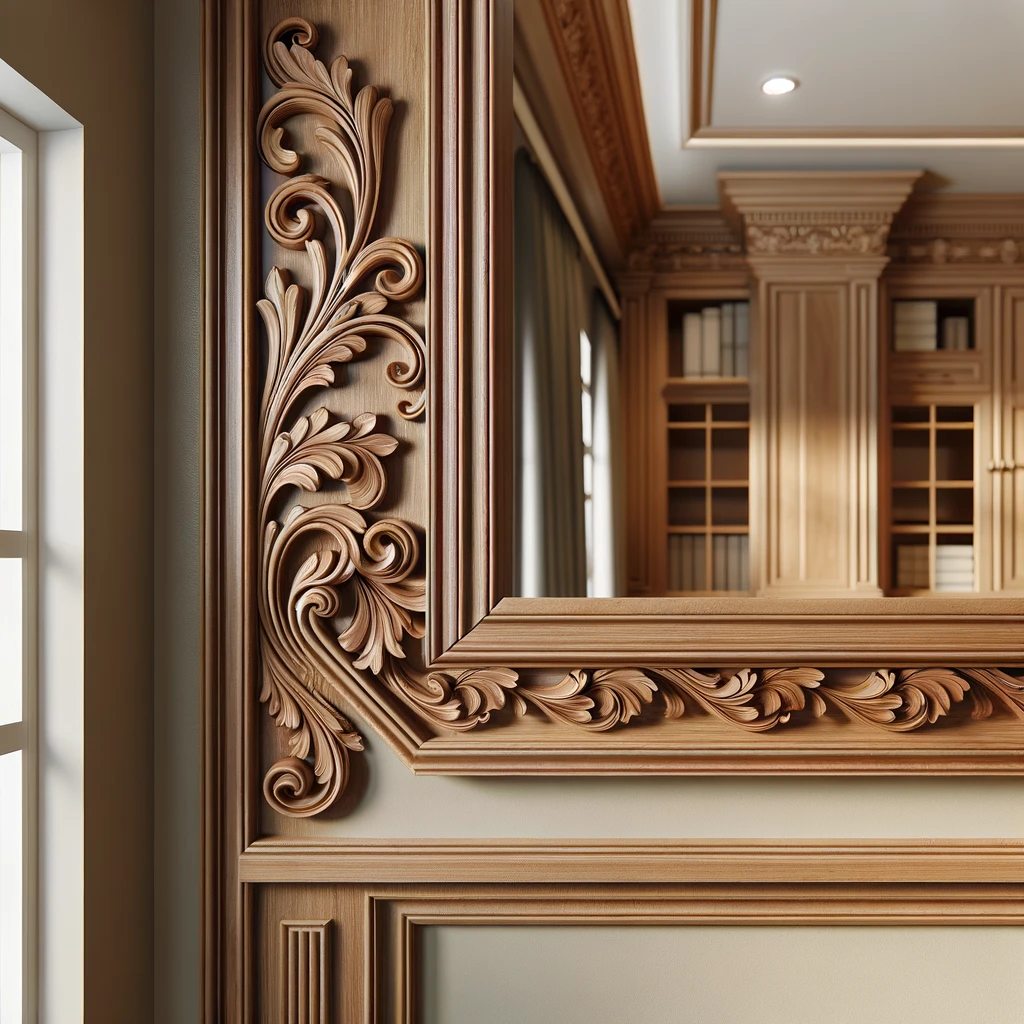
Wood trim, a fundamental element in architectural detailing, refers to the decorative moldings used to enhance the aesthetic appeal and cover transitions between surfaces. It plays a pivotal role in adding character and depth to rooms, highlighting the architecture, and concealing joints or imperfections. From baseboards and crown molding to chair rails and window casings, wood trim comes in various styles and sizes, catering to diverse design preferences.
Pros and Cons of Wood Trim
Pros:
- Aesthetic Appeal: Adds elegance and richness to any space.
- Versatility: Available in numerous styles to complement different design themes.
- Durability: When properly maintained, wood trim can last for decades.
Cons:
- Maintenance: Requires regular upkeep to prevent damage from moisture or pests.
- Cost: Can be more expensive than synthetic alternatives.
- Installation Complexity: Requires precise cutting and fitting, which might be challenging for beginners.
Recommended Tools for Installing Wood Trim
- Miter Saw: For precise cuts at various angles.
- Nail Gun: Ensures secure and efficient installation.
- Level and Measuring Tape: For accurate alignment and measurement.
- Wood Filler and Sandpaper: For a smooth, finished appearance.
Cost Considerations
The cost of wood trim varies widely based on the type of wood, design complexity, and geographical location. On average, homeowners can expect to spend between $5 to $10 per linear foot for standard trims, with prices escalating for custom or high-end materials. Budgeting for professional installation should also be considered, as it can significantly affect the overall project cost.
Tips & Tricks
- Pre-Paint/Pre-Stain: Apply finishes before installation to simplify the process.
- Measure Twice, Cut Once: Ensures accuracy and minimizes waste.
- Consider the Room’s Humidity: Select wood types that are appropriate for your home’s climate.
FAQs
Q: Can wood trim be installed by a DIY enthusiast? A: Yes, with the right tools and some practice, DIY enthusiasts can install wood trim. However, intricate designs might require professional expertise.
Q: How often should wood trim be maintained? A: It’s recommended to inspect and touch up paint or stain every 2 to 3 years to maintain its appearance and durability.
Q: Is wood trim suitable for bathrooms? A: While wood can be used in bathrooms, it should be properly sealed to protect against moisture.
Updates and Future Considerations
As sustainable living continues to gain traction, eco-friendly materials and reclaimed wood are becoming popular choices for trim. Advances in finishes and treatments are also enhancing the durability and maintenance ease of wood trim, making it a viable option for more homeowners.
Conclusion
Wood trim remains a timeless choice for adding elegance and character to homes. While it requires an initial investment and upkeep, the aesthetic appeal and value it adds to a space are unparalleled. By selecting the right materials, employing the proper tools, and following best installation practices, homeowners can enjoy the beauty and durability of wood trim for years to come.