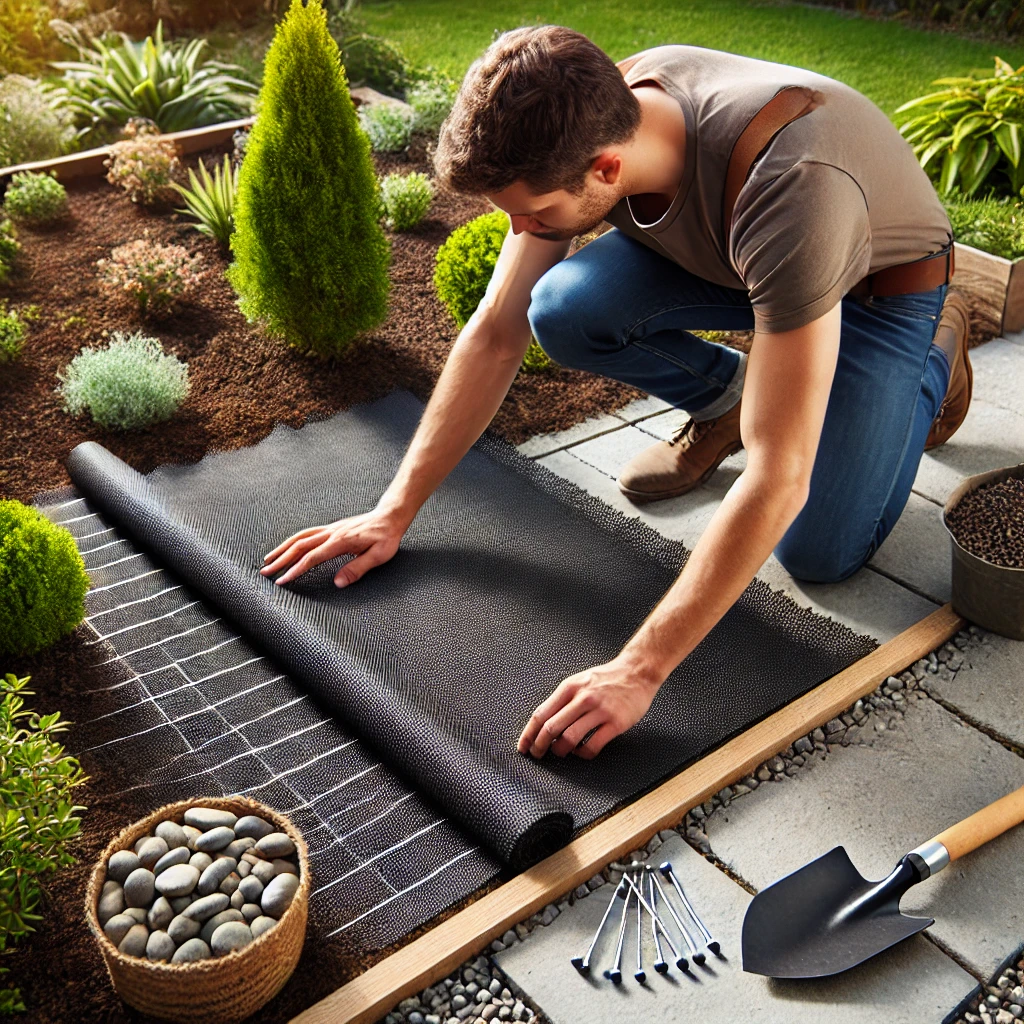
As autumn leaves begin to fall, tackling outdoor maintenance can feel overwhelming. Fall clean-up projects are crucial in preparing your yard and garden for winter while also promoting a healthy landscape for spring. In this guide, we’ll walk you through the pros and cons, necessary tools, steps to follow, and tips for fall clean-up projects. For all your tool needs, make sure to visit JB Tools for great deals on equipment.
Pros of Fall Clean-Up Projects
- Improved Spring Growth: By removing leaves and debris, your lawn will have better access to sunlight and oxygen, allowing it to flourish in spring.
- Pest Prevention: Cleaning up yard waste reduces hiding spots for pests like rodents and insects that can wreak havoc in winter.
- Healthier Lawn: Aerating and fertilizing your lawn in the fall helps nutrients penetrate deep into the soil, ensuring lush, green growth.
- Safety: Clearing walkways of slippery leaves and debris reduces accidents during the rainy fall season.
- Time-Saving: Completing fall clean-up projects means less work for you come spring.
Cons of Fall Clean-Up Projects
- Time-Consuming: These projects can take several weekends, depending on the size of your yard and the scope of the work.
- Cost: Purchasing new tools or hiring services can add up. Tools like leaf blowers, aerators, and lawnmowers are essential, but they require an investment. Visit JB Tools for affordable, quality tools.
- Physical Labor: Raking leaves and trimming branches can be strenuous, leading to muscle fatigue or even injury.
- Weather Dependency: Unexpected rain or early snowfall can disrupt your clean-up schedule, pushing tasks into colder months.
- Waste Disposal: Yard waste removal can be costly and time-consuming, especially if your local municipality doesn’t offer free pickup services.
Recommended Tools for the Project
When it comes to fall clean-up projects, having the right tools makes all the difference. Here’s a list of must-haves for the job:
- Rakes: Essential for gathering fallen leaves without damaging your lawn.
- Leaf Blowers: These make quick work of clearing large areas.
- Lawnmower with a Mulching Feature: This tool helps you chop up fallen leaves and improve soil health.
- Pruners and Shears: Use these to trim back dead branches and shrubs.
- Aerator: Aerating your lawn allows air, water, and nutrients to penetrate deeper into the soil. Check out this resource for tool recommendations.
Necessary Steps (1-10)
Follow these steps to make sure your fall clean-up projects go smoothly:
- Start by Raking Leaves: Clear your lawn of leaves to prevent smothering grass.
- Mow the Lawn: Mowing helps mulch leaves and keeps your grass healthy for winter.
- Trim Trees and Bushes: Cut back any dead or overgrown branches.
- Remove Debris from Gutters: Clear leaves and debris to prevent water damage.
- Aerate Your Lawn: Use an aerator to improve soil health.
- Fertilize the Lawn: Fertilize in late fall to give your lawn the nutrients it needs for the winter.
- Compost Yard Waste: Set up a compost bin to recycle leaves and yard clippings.
- Prune Shrubs: Prune back perennials to protect them from frost damage.
- Plant Bulbs for Spring: Plant tulip or daffodil bulbs now for a vibrant spring bloom.
- Store Tools Properly: Clean and store your tools to prevent rust or damage.
Comparisons
There are different ways to tackle fall clean-up projects depending on the tools you have at your disposal:
- Raking vs. Leaf Blower: While raking is more affordable, leaf blowers are faster and more efficient for larger yards. Check out JB Tools for deals on leaf blowers.
- Pruning Shears vs. Electric Trimmers: Manual shears are precise but time-consuming, whereas electric trimmers can speed up the job.
- Aerating Manually vs. Hiring a Service: If your lawn is large, you may want to consider hiring a professional service to aerate.
Tips & Tricks
- Rake Leaves on a Dry Day: Wet leaves are heavy and harder to manage, so choose a day when leaves are dry.
- Use a Tarp: Instead of bagging leaves, rake them onto a tarp for easy transport.
- Mulch Leaves with the Lawnmower: Use your lawnmower’s mulching feature to shred leaves and nourish your soil.
- Compost in Layers: When composting, alternate layers of brown materials (leaves) and green materials (grass clippings) for better breakdown.
- Protect Your Plants: Mulch around the base of plants to insulate roots during colder months.
FAQs
- Q: When should I start fall clean-up projects?
A: Start once the leaves begin to fall, typically in late September or early October. - Q: How often should I rake leaves?
A: Rake every one to two weeks to prevent grass from getting smothered. - Q: Can I mulch leaves instead of raking?
A: Yes, mulching leaves with a lawnmower is a great way to nourish your lawn.
Updates and Future Considerations
As climate conditions change, you may need to adjust your fall clean-up strategies. Milder autumns may extend the clean-up season, while harsher winters could require more robust preparation. Consider eco-friendly practices like composting leaves and minimizing the use of gas-powered tools. Keep an eye on evolving tool technologies that can make these projects more efficient. Be sure to visit JB Tools for updates on the latest equipment.
Cost or Price
Fall clean-up projects can range in cost depending on whether you handle the work yourself or hire professionals. On average, you can expect to spend anywhere from $50 to $300 on new tools like rakes, leaf blowers, and aerators. Hiring a landscaper for these projects might cost between $200 to $500. For affordable tool options, visit JB Tools.