Pilling on fabric can be an unsightly nuisance, especially on your beloved couch. This comprehensive guide will walk you through the process of fixing pilling fabric on your couch, covering everything from the tools you’ll need to the steps you should follow. Whether you’re dealing with minor pills or more severe fabric issues, this guide has got you covered.
Pros of Fixing Pilling Fabric on Your Couch
Fixing pilling fabric on your couch comes with several advantages that enhance both the look and longevity of your furniture. Here are some key benefits:
- Cost-Effective: Repairing pilling is much cheaper than buying a new couch. It allows you to extend the life of your existing furniture without the expense of replacement.
- Improves Aesthetics: Removing pills can instantly refresh the appearance of your couch, making it look newer and more inviting.
- Enhances Comfort: Pilling can make fabric feel rough and uncomfortable. By removing the pills, you can restore the smooth texture of your couch.
- Maintains Fabric Integrity: Regularly addressing pilling helps maintain the integrity of the fabric, preventing further wear and tear.
- Easy to Do: With the right tools and a bit of patience, fixing pilling is a simple DIY task that doesn’t require professional help.
Cons of Fixing Pilling Fabric on Your Couch
While there are many benefits, there are also some drawbacks to consider when fixing pilling fabric on your couch:
- Time-Consuming: Depending on the extent of pilling, the process can be time-consuming, especially if your couch is large or heavily pilled.
- Temporary Fix: Removing pills does not prevent them from reoccurring. Regular maintenance is required to keep the couch looking good.
- Potential for Damage: If not done carefully, the process of removing pills can damage the fabric, causing holes or thinning.
- Tool Costs: While not overly expensive, purchasing the right tools for the job can add up, especially if you opt for higher-quality options.
- Labor-Intensive: The physical effort required can be significant, particularly for those with larger pieces of furniture or more extensive pilling.
Recommended Tools for the Project
Having the right tools is crucial for successfully fixing pilling fabric on your couch. Here are some tools you might need:
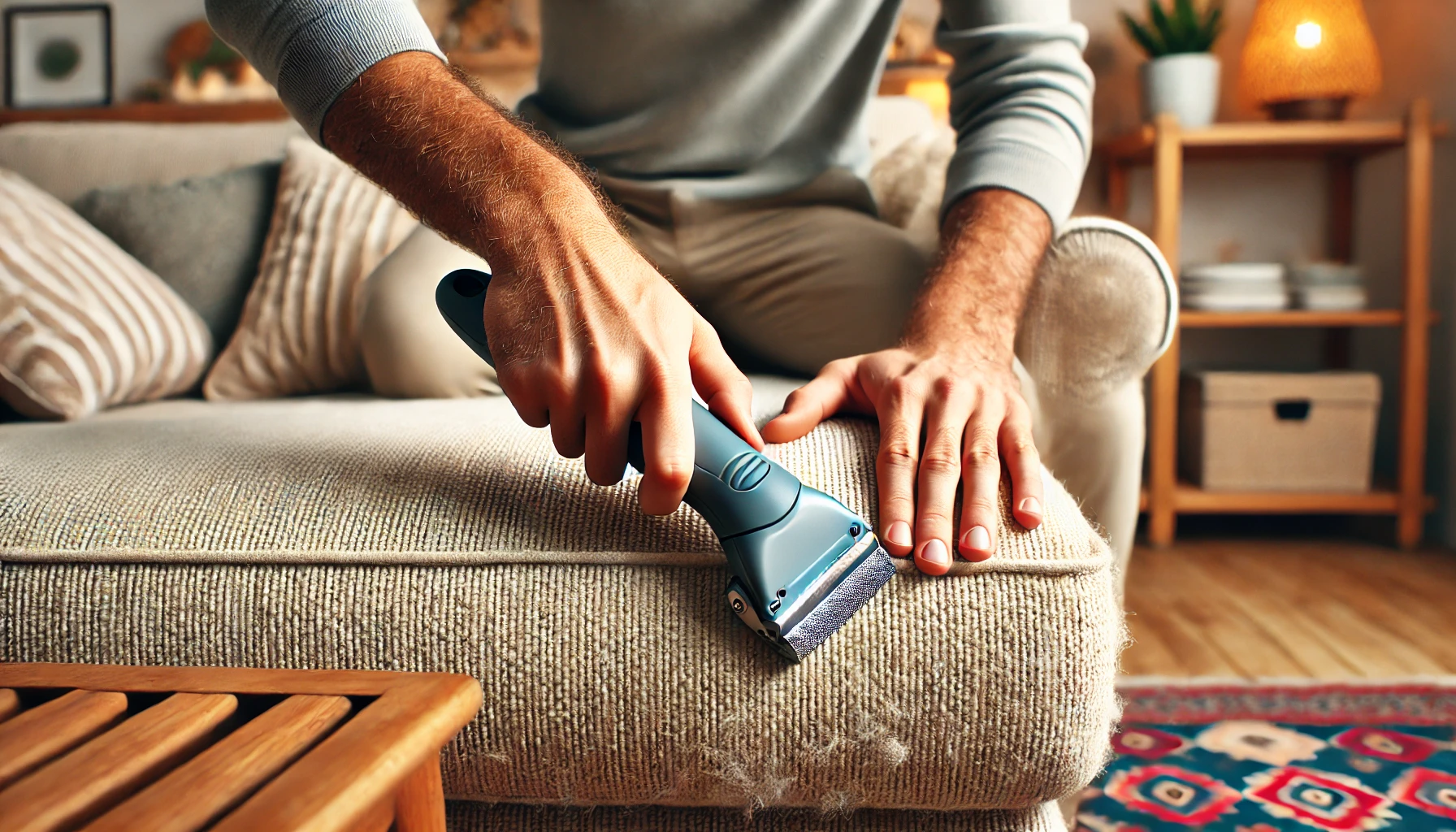
- Fabric Shaver: A fabric shaver is the most effective tool for removing pills. It works quickly and efficiently, especially on larger surfaces.
- Lint Roller: For minor pilling, a lint roller can help pick up loose pills and lint, providing a quick fix.
- Scissors: Small, sharp scissors can be used to carefully cut away larger pills or those that are too tight to remove with a shaver.
- Cloth Brush: A cloth brush can help loosen pills and lift them away from the fabric surface before using a shaver or roller.
- Vacuum Cleaner: A vacuum with an upholstery attachment can help clean up the loose pills and lint after removal, keeping your workspace tidy.
Necessary Steps to Fix Pilling Fabric on Your Couch
Follow these steps to effectively remove pilling from your couch fabric:
- Gather Your Tools: Make sure you have all the necessary tools at hand before starting the process.
- Test a Small Area: Before you start on a large section, test your chosen method on a small, inconspicuous area to ensure it doesn’t damage the fabric.
- Brush the Fabric: Use a cloth brush to gently brush the fabric and lift the pills away from the surface.
- Shave the Pills: Use a fabric shaver to carefully remove the pills, working in small sections and using gentle pressure.
- Cut Stubborn Pills: For pills that are too tight to shave, use small scissors to cut them away carefully.
- Use a Lint Roller: After shaving, use a lint roller to pick up any remaining loose pills and lint.
- Vacuum the Couch: Use a vacuum cleaner with an upholstery attachment to clean up the loose pills and ensure a tidy finish.
- Inspect the Fabric: Check for any missed pills and repeat the process as necessary until the fabric is smooth.
- Clean the Tools: Clean your fabric shaver and other tools after use to maintain their effectiveness.
- Regular Maintenance: Regularly inspect your couch for new pills and address them promptly to keep the fabric in good condition.
Comparisons
Different methods and tools can be used to fix pilling fabric on your couch. Here’s a comparison of some common options:
- Fabric Shaver vs. Lint Roller:
- Fabric Shaver: More effective for large areas and heavy pilling, but can be more expensive.
- Lint Roller: Ideal for minor pilling and quick fixes, but less effective for heavy pilling.
- Manual Scissors vs. Electric Shaver:
- Manual Scissors: Great for precision work on tight pills but time-consuming for larger areas.
- Electric Shaver: Faster and more efficient for large areas but requires careful handling to avoid fabric damage.
- Brush vs. Vacuum Cleaner:
- Brush: Good for loosening pills before removal, but can be less effective at cleaning up afterward.
- Vacuum Cleaner: Excellent for cleanup and maintenance but doesn’t remove pills directly.
Tips & Tricks
Here are some helpful tips and tricks to make the process of fixing pilling fabric on your couch easier and more effective:
- Regular Maintenance: Regularly inspect and address pilling to prevent it from becoming a larger problem.
- Use Gentle Pressure: When using a fabric shaver, apply gentle pressure to avoid damaging the fabric.
- Work in Small Sections: Breaking the task into smaller sections can make it more manageable and ensure thorough removal.
- Choose the Right Tool: Different fabrics may require different tools, so choose the one that works best for your specific couch material.
- Keep Tools Clean: Regularly clean your tools to maintain their effectiveness and prolong their lifespan.
- Be Patient: Take your time and be patient to avoid mistakes that could damage the fabric.
- Read Instructions: Always read the instructions that come with your tools to ensure you’re using them correctly.
FAQs
What causes pilling on my couch fabric? Pilling occurs when fibers in the fabric become loose and form small balls or pills. It is often caused by friction, which can happen from regular use, cleaning, or rubbing against other surfaces.
Can all fabrics pill? Yes, all fabrics can pill to some extent, but synthetic fibers like polyester and nylon are more prone to pilling compared to natural fibers like cotton and wool.
Is pilling a sign of poor quality? Not necessarily. Pilling can occur on both high-quality and low-quality fabrics. It is often a result of the type of fiber and the weave of the fabric rather than an indication of overall quality.
Can I prevent pilling? While it is difficult to prevent pilling entirely, you can minimize it by choosing fabrics that are less prone to pilling, using protective covers, and following proper care and maintenance instructions.
What should I do if my couch fabric gets damaged during pilling removal? If your fabric gets damaged, you can try to repair it by patching or sewing the affected area. If the damage is extensive, you may need to consider professional upholstery repair.
Updates and Future Considerations
As fabric technology advances, new solutions for preventing and fixing pilling may become available. Here are some future considerations to keep in mind:
- New Fabrics: Research and development in the textile industry may lead to the creation of fabrics that are more resistant to pilling.
- Improved Tools: Advancements in tool design may result in more effective and user-friendly options for removing pilling.
- Protective Treatments: Future treatments and finishes applied to fabrics during manufacturing could help reduce pilling and extend the lifespan of your furniture.
Cost or Price
The cost of fixing pilling fabric on your couch can vary depending on the tools you choose and the extent of the pilling. Here’s a breakdown of potential costs:
- Fabric Shaver: A good-quality fabric shaver can range from $10 to $50.
- Lint Roller: Lint rollers are relatively inexpensive, typically costing between $5 and $15.
- Scissors: Small, sharp scissors for fabric can cost around $5 to $20.
- Cloth Brush: A cloth brush can be purchased for $10 to $30.
- Vacuum Cleaner: If you don’t already have one, a vacuum cleaner with an upholstery attachment can range from $50 to $200.
Overall, fixing pilling is a cost-effective way to maintain your couch compared to the expense of replacing the entire piece of furniture.