Changing a light fixture is a practical and rewarding home improvement project that can significantly enhance the ambiance of any room. Whether you’re upgrading to a more modern design, improving lighting efficiency, or simply replacing an old fixture, understanding how to change a light fixture and having the right tools can make the task straightforward. This guide will walk you through the benefits, challenges, necessary tools, and detailed steps to ensure your light fixture installation is successful. Additionally, you’ll find comparisons, tips, FAQs, future considerations, and cost insights to help you make informed decisions and achieve the best results.
Pros
Changing a light fixture can transform the look and feel of a room. Here are some benefits:
- Enhanced Aesthetics: Upgrading to a modern light fixture can instantly update the room’s decor, providing a fresh and stylish look.
- Improved Lighting Quality: Newer fixtures often come with better lighting options, including energy-efficient LED lights that offer better illumination and reduce electricity consumption.
- Increased Home Value: Well-chosen light fixtures can add value to your home, making it more appealing to potential buyers.
- Customization: Changing a light fixture allows you to personalize your space to match your taste and preferences, whether it’s a vintage chandelier or a sleek, modern pendant.
- Energy Efficiency: Modern light fixtures often come with energy-saving bulbs and features, which can lower your electricity bills.
- Safety Upgrades: Older fixtures may pose electrical hazards. Updating to a new fixture can ensure better safety standards and reduce the risk of electrical fires.
- Easy DIY Project: For those who enjoy do-it-yourself projects, changing a light fixture is a manageable task that can be completed with basic tools and some patience.
Cons
Despite the benefits, there are some downsides to consider when changing a light fixture:
- Initial Cost: High-quality light fixtures can be expensive, and the cost can add up if you’re replacing multiple fixtures.
- Time-Consuming: Depending on the complexity of the fixture and the wiring, the project can take several hours, especially for beginners.
- Electrical Hazards: Working with electricity poses risks, including the potential for electric shock. It’s crucial to take proper precautions and, if unsure, hire a professional electrician.
- Compatibility Issues: Not all light fixtures are compatible with existing wiring or junction boxes, which may require additional adjustments or purchases.
- Installation Challenges: Some fixtures can be heavy or awkward to install, requiring an extra set of hands or special tools.
- Potential for Damage: Improper installation can damage the fixture or the electrical system, leading to costly repairs.
- Permitting Requirements: In some areas, changing a light fixture may require a permit or inspection, adding to the project’s complexity and cost.
Recommended Tools for the Project
Before starting your light fixture replacement, gather the necessary tools:
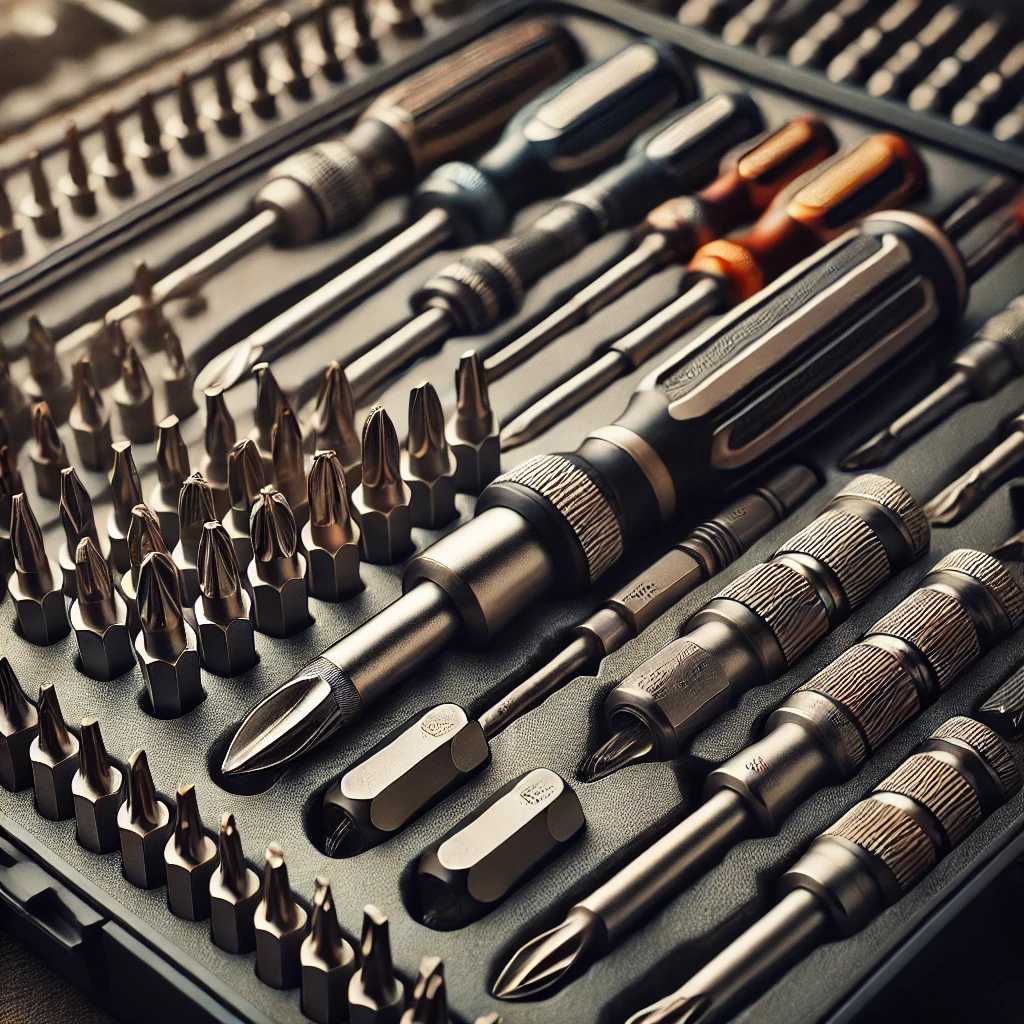
- Screwdrivers: Both flathead and Phillips screwdrivers are essential for removing the old fixture and securing the new one.
- Wire Strippers: These are used to strip the insulation from the wires, ensuring a proper connection.
- Voltage Tester: A voltage tester ensures that the power is off before you start working, preventing electric shocks.
- Ladder: A stable ladder is necessary to reach the ceiling and work safely at height.
- Pliers: Needle-nose pliers help in twisting wires together and securing wire nuts.
- Wire Nuts: These are used to safely connect electrical wires.
- Electrical Tape: Electrical tape insulates wire connections and ensures they stay secure.
- Measuring Tape: Use this to ensure your new fixture is centered and properly positioned.
- Safety Glasses: Protect your eyes from dust and debris during the installation.
- Helper: Having someone to assist can make the installation smoother and safer, especially when handling heavy or bulky fixtures.
Necessary Steps (1-10)
Follow these steps to change a light fixture safely and effectively:
- Turn Off the Power: Always start by turning off the power to the fixture at the circuit breaker to avoid electric shock.
- Remove the Old Fixture: Carefully unscrew and detach the old fixture, noting how the wires are connected.
- Test for Power: Use a voltage tester to ensure the wires are not live before touching them.
- Disconnect Wires: Unscrew the wire nuts and separate the wires connecting the old fixture to the ceiling wires.
- Prepare the New Fixture: Assemble the new fixture according to the manufacturer’s instructions, ensuring all parts are accounted for.
- Connect Wires: Match the wires from the new fixture to the ceiling wires (black to black, white to white, and ground to ground) and secure with wire nuts.
- Secure the Fixture: Attach the new fixture to the ceiling box using the provided screws and brackets.
- Install Bulbs and Cover: Insert the appropriate light bulbs and attach any covers or shades included with the fixture.
- Turn On the Power: Restore power at the circuit breaker and test the new fixture to ensure it works correctly.
- Adjust as Needed: Make any final adjustments to the fixture’s position and ensure all connections are secure.
Comparisons
When selecting a new light fixture, consider these comparisons:
- LED vs. Incandescent: LED fixtures are more energy-efficient and have a longer lifespan compared to incandescent bulbs.
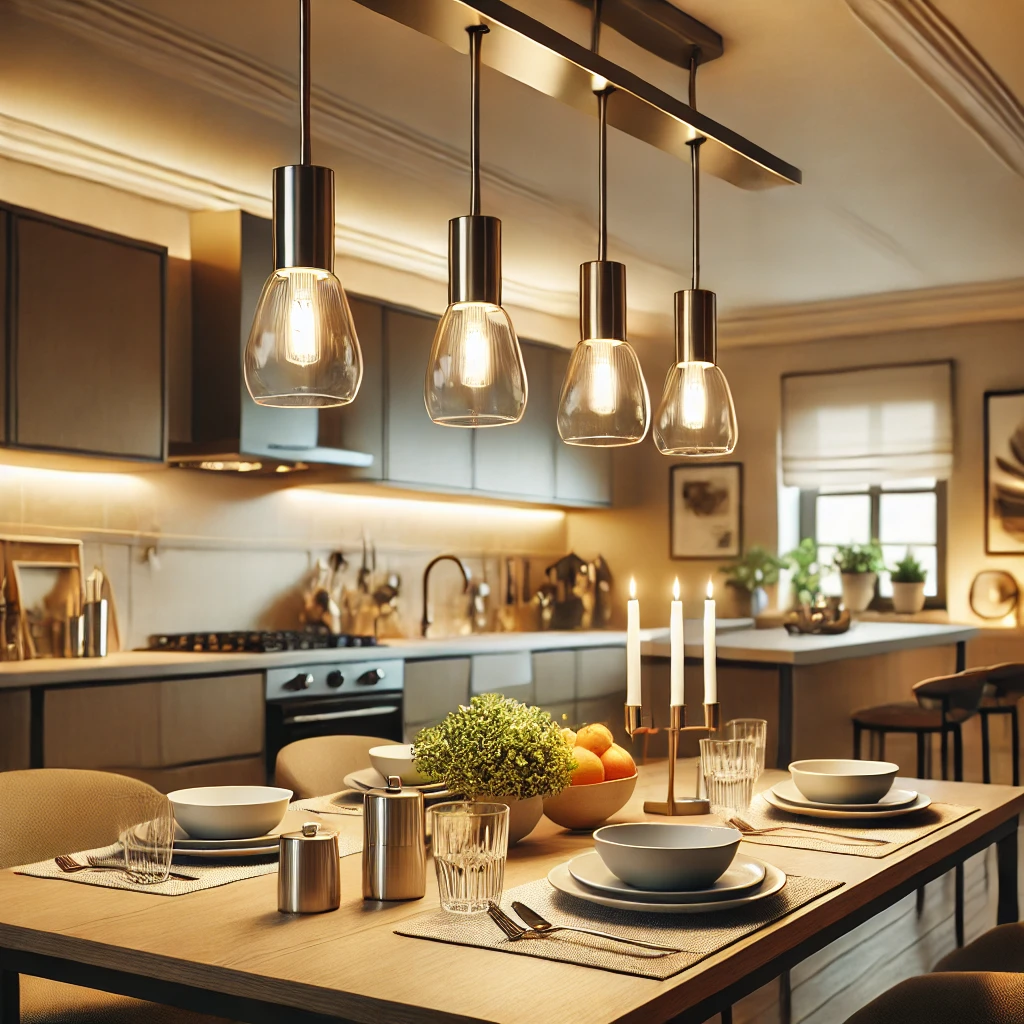
- Chandeliers vs. Pendants: Chandeliers are ideal for large, formal spaces, while pendants work well in kitchens and dining areas for a modern touch.
- Flush Mount vs. Semi-Flush Mount: Flush mount fixtures are suitable for low ceilings, while semi-flush mounts offer more design options for higher ceilings.
- Traditional vs. Modern: Traditional fixtures often feature intricate designs and materials like brass, while modern fixtures focus on sleek lines and minimalism.
- Smart Fixtures vs. Standard Fixtures: Smart light fixtures can be controlled via smartphone apps or voice commands, offering convenience and customization.
- Price Ranges: Light fixtures come in a wide range of prices, from budget-friendly options to high-end designer pieces.
Tips & Tricks
Here are some tips and tricks to ensure a successful light fixture installation:
- Check the Weight: Ensure your ceiling box can support the weight of the new fixture to prevent accidents.
- Read Instructions: Carefully read the manufacturer’s instructions before starting the installation.
- Use the Right Bulbs: Ensure the bulbs you choose are compatible with the fixture’s wattage and socket type.
- Work in Daylight: Install the fixture during daylight hours to ensure you have enough natural light to work safely.
- Label Wires: Label the wires if needed to remember their connections for easier installation.
- Double-Check Connections: Ensure all wire connections are secure and properly insulated to avoid short circuits.
- Have a Helper: Enlist someone to help hold the fixture while you connect the wires and secure it in place.
- Test Before Finalizing: Test the fixture before fully securing it to ensure everything works correctly.
- Mind the Ceiling Height: Choose a fixture that suits the height of your ceiling to avoid it hanging too low or being out of reach.
- Consider a Dimmer: Install a dimmer switch to control the light intensity and create different moods in the room.
FAQs
Q: Can I change a light fixture myself? A: Yes, changing a light fixture is a manageable DIY project for those with basic electrical knowledge. However, if you’re unsure or uncomfortable working with electricity, it’s best to hire a professional electrician.
Q: How do I know if a new fixture is compatible with my existing wiring? A: Most light fixtures are designed to be compatible with standard residential wiring. Check the fixture’s specifications and consult an electrician if you have any doubts.
Q: What should I do if the new fixture doesn’t work after installation? A: Double-check all wire connections, ensure the bulbs are properly installed, and verify that the circuit breaker is turned on. If the problem persists, consult an electrician.
Q: Are there any special considerations for installing light fixtures in wet areas like bathrooms? A: Yes, light fixtures in wet areas should be rated for damp or wet locations to ensure safety and durability. Look for fixtures with appropriate ratings and consult local building codes.
Q: How can I safely dispose of my old light fixture? A: Many local recycling centers accept light fixtures for recycling. Check with your local waste management authority for disposal options.
Updates and Future Considerations
As technology evolves, so do light fixtures. Here are some future considerations:
- Smart Lighting: The rise of smart home technology means more light fixtures are becoming compatible with smart systems, allowing for remote control and automation.
- Energy Efficiency Standards: New regulations may impact the availability of certain types of light bulbs, pushing towards more energy-efficient options.
- Design Trends: Lighting design trends evolve, so consider timeless styles that won’t quickly become outdated.
- Sustainability: Look for fixtures made from sustainable materials and those that support eco-friendly bulbs to reduce your environmental impact.
- Advanced Features: Future light fixtures may include features like color-changing LEDs, built-in speakers, and motion sensors.
Cost or Price
The cost of changing a light fixture varies widely based on the fixture type and complexity:
- Basic Fixtures: Simple, budget-friendly fixtures can cost as little as $20-$50.
- Mid-Range Fixtures: Quality fixtures with more design features typically range from $100-$300.
- High-End Fixtures: Designer and custom fixtures can cost $500 or more, depending on the materials and craftsmanship.
- Professional Installation: If you hire an electrician, expect to pay an additional $50-$100 per hour for labor.
Overall, changing a light fixture is a worthwhile investment that can enhance your home’s aesthetics, improve lighting quality, and increase energy efficiency.
Final Thoughts
Changing a light fixture not only updates the look of your space but also improves functionality and safety. By following the steps outlined in this guide and using the recommended tools, you can tackle this project with confidence. Remember to weigh the pros and cons, consider future trends in lighting technology, and choose fixtures that fit your style and needs. With careful planning and execution, you’ll transform your living spaces and enjoy the benefits of a well-lit and aesthetically pleasing home. Happy installing!