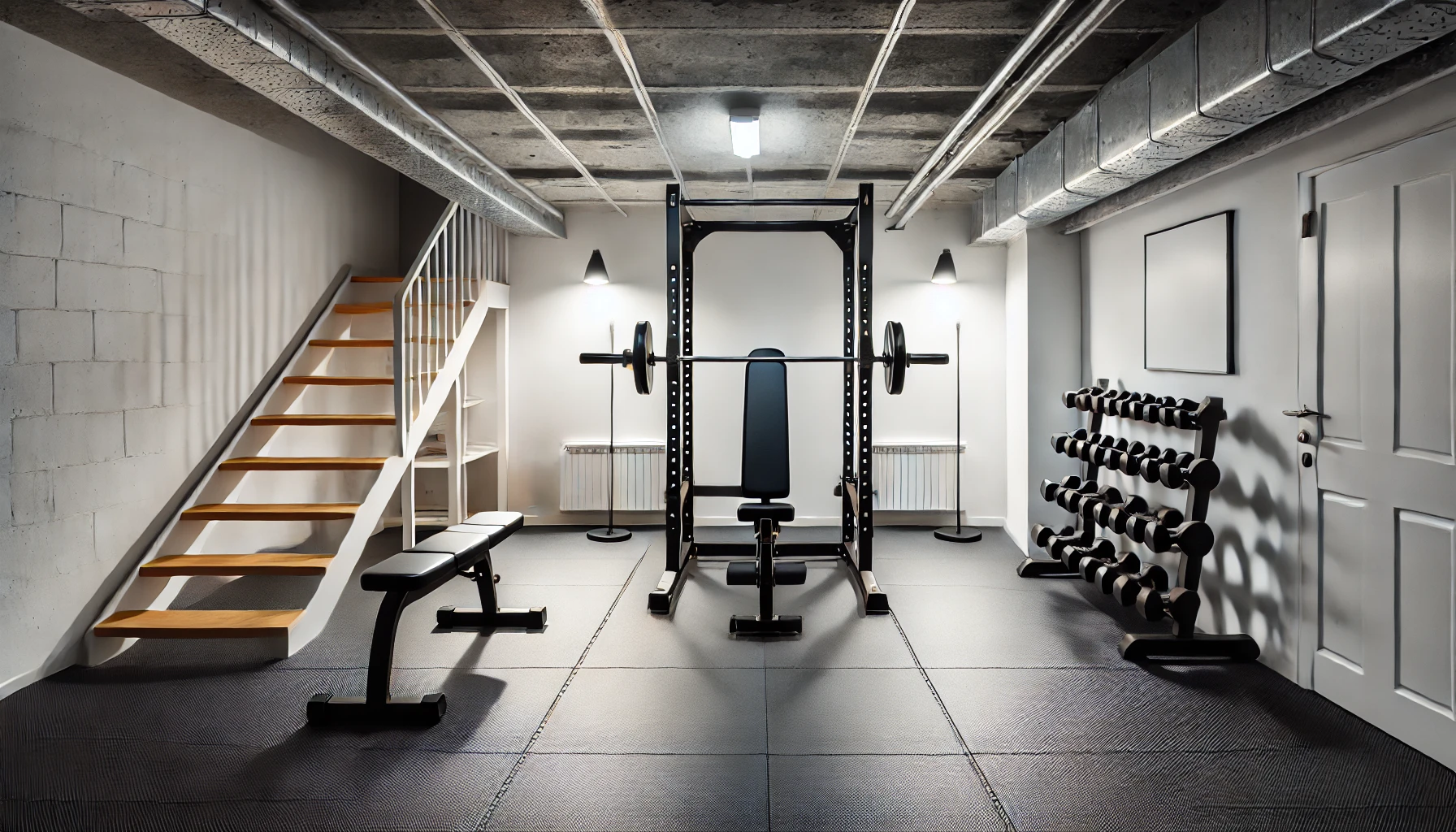
Transforming your basement into a workout room can be a fantastic way to utilize extra space in your home. This guide will walk you through the pros and cons, recommended tools, necessary steps, comparisons, tips and tricks, FAQs, future considerations, and costs associated with creating a basement workout room.
Pros
Creating a basement workout room offers numerous advantages:
- Space Utilization: Transform unused basement space into a functional area.
- Convenience: Work out anytime without leaving your home.
- Privacy: Enjoy a private workout environment away from distractions.
- Customization: Design the space to suit your fitness needs.
- Cost Savings: Save on gym memberships and travel time.
- Climate Control: Basements often have a consistent temperature, ideal for workouts.
- Noise Reduction: Basements can contain workout noise better than other home areas.
These benefits make a basement workout room a compelling option for fitness enthusiasts looking to optimize their home environment.
Cons
Despite the advantages, there are some drawbacks to consider:
- Moisture Issues: Basements are prone to dampness, which can affect equipment and comfort.
- Limited Natural Light: Often, basements lack natural light, which might impact motivation.
- Ventilation: Poor ventilation can make workouts uncomfortable.
- Ceiling Height: Low ceilings might limit certain exercises or equipment.
- Accessibility: Stairs can be a barrier for individuals with mobility issues.
- Initial Cost: Setting up a basement gym can be expensive initially.
- Noise to Upstairs: Activities can cause noise disturbance to the upper levels of the house.
Understanding these cons can help in planning and mitigating potential issues.
Recommended Tools for the Project
To set up your basement workout room, you’ll need the right tools:
- Moisture Barrier: Prevents moisture from affecting the equipment.
- Dehumidifier: Maintains a comfortable humidity level.
- Ventilation System: Ensures proper air circulation.
- Flooring: Non-slip mats or rubber flooring to protect the floor and provide cushioning.
- Lighting: Bright LED lights to compensate for the lack of natural light.
- Mirrors: Full-length mirrors for form checking and enhancing space perception.
- Storage Solutions: Shelves, racks, and hooks to organize equipment.
These tools will help you create a functional and comfortable workout environment.
Necessary Steps (1-10)
Follow these steps to set up your basement workout room:
- Assess Space: Measure the basement area to determine how much space is available.
- Moisture Control: Install a moisture barrier and dehumidifier.
- Plan Layout: Design the layout, considering the type of workouts you plan to do.
- Flooring: Install non-slip mats or rubber flooring.
- Lighting and Ventilation: Set up adequate lighting and a ventilation system.
- Equipments: Choose and arrange equipment based on your fitness goals.
- Storage Solutions: Install shelves, racks, and hooks for equipment storage.
- Decoration: Add motivational posters, mirrors, and decor to enhance the environment.
- Test Setup: Try out the space to ensure functionality and comfort.
- Adjustments: Make necessary adjustments to improve the workout area.
These steps will guide you through the process of creating an effective basement workout room.
Comparisons
Comparing a basement workout room with other options can help you decide:
- Basement vs. Garage Gym: Basements offer better climate control, while garages provide more ventilation.
- Basement vs. Spare Room Gym: Basements offer more space and privacy, while spare rooms have better natural light.
- Basement vs. Commercial Gym: Home gyms are more convenient and cost-effective, while commercial gyms offer more equipment variety.
- Basement vs. Outdoor Workouts: Indoor gyms provide a controlled environment, while outdoor workouts offer fresh air and sunlight.
- Basement vs. Living Room Workouts: Basements keep workout activities separate from living spaces.
These comparisons highlight the unique benefits of a basement workout room.
Tips & Tricks
Maximize your basement workout room with these tips:
- Use Vertical Space: Install wall-mounted racks to save floor space.
- Incorporate Technology: Use fitness apps and smart equipment for a modern workout experience.
- Personal Touch: Decorate with personal items to make the space more inviting.
- Safety First: Ensure all equipment is securely installed and the space is safe for workouts.
- Regular Maintenance: Clean and maintain the equipment regularly to ensure longevity.
- Flexibility: Arrange equipment to allow for different types of workouts.
- Music System: Install a sound system for motivational music during workouts.
These tips will help you create a more enjoyable and effective workout environment.
FAQs
Q: Is a basement workout room expensive to set up? A: The initial cost can be high due to equipment and renovation, but it saves money in the long run by eliminating gym membership fees.
Q: How do I handle moisture in my basement workout room? A: Install a moisture barrier and use a dehumidifier to keep humidity levels in check.
Q: What type of flooring is best for a basement gym? A: Non-slip mats or rubber flooring are ideal for cushioning and protecting the floor.
Q: Can I use my basement for heavy lifting exercises? A: Yes, but ensure the floor can support the weight and use appropriate flooring to prevent damage.
Q: How do I improve ventilation in my basement workout room? A: Install an HVAC system or use portable fans to improve air circulation.
Updates and Future Considerations
Keep your basement workout room up-to-date with these considerations:
- New Equipment: Stay updated with the latest fitness equipment and incorporate it as needed.
- Technology Integration: Consider integrating smart fitness technology for enhanced workouts.
- Renovation: Periodically renovate the space to keep it fresh and motivating.
- Safety Upgrades: Regularly check and upgrade safety features to ensure a safe workout environment.
- Expansion: If space allows, consider expanding the workout area to include more equipment or features.
Staying current with updates will ensure your basement workout room remains effective and enjoyable.
Cost or Price
Setting up a basement workout room involves various costs:
- Initial Setup: Equipment, flooring, lighting, and ventilation can be significant initial expenses.
- Maintenance: Regular maintenance costs for equipment and space.
- Upgrades: Periodic upgrades and new equipment purchases.
- Utilities: Increased utility costs due to lighting and climate control.
Despite the initial investment, a basement workout room can be cost-effective in the long run. It saves on gym membership fees and travel expenses.