Choosing the right screwdriver for a task can make all the difference. Whether you’re dealing with delicate electronics or heavy-duty construction, knowing how to find the perfect screwdriver is key to getting the job done efficiently and effectively. In this guide, we’ll break down the process of finding the ideal tool, discussing pros, cons, recommended tools, and steps to help you make the best decision.
Pros of Finding the Perfect Screwdriver:
When you choose the perfect screwdriver for your project, it leads to several benefits:
- Increased efficiency: The right tool ensures faster, more accurate work.
- Reduced damage to materials: Using a properly matched screwdriver reduces the risk of stripping screws or damaging surfaces.
- Comfort and ease of use: A screwdriver that fits comfortably in your hand and matches the screws’ design reduces hand strain and improves precision.
- Longer tool lifespan: High-quality screwdrivers designed for specific tasks tend to last longer, offering better value over time.
- Safer operation: Proper tools decrease the likelihood of slips and accidents.
When you’re shopping for the best tool, visit JB Tools for a range of screwdrivers designed for every task.
Cons of Finding the Perfect Screwdriver:
Despite the many advantages, there are a few challenges to finding the right screwdriver:
- Cost considerations: Premium screwdrivers often come with a higher price tag, which may be a drawback for casual users.
- Time-consuming selection process: With so many options, finding the perfect tool may take more time than expected.
- Specialized tools for specific tasks: You may need different screwdrivers for various projects, adding to the complexity.
- Storage: Owning multiple screwdrivers can take up more storage space.
- Confusion over features: Technical details, like handle design and materials, can be overwhelming.
Make sure to explore the wide selection at JB Tools for help navigating these challenges.
Recommended Tools for the Project:
The right screwdriver is essential for both DIY enthusiasts and professionals. When selecting your tools, consider what best suits the type of screws and materials you’ll be working with. Here’s a quick guide:
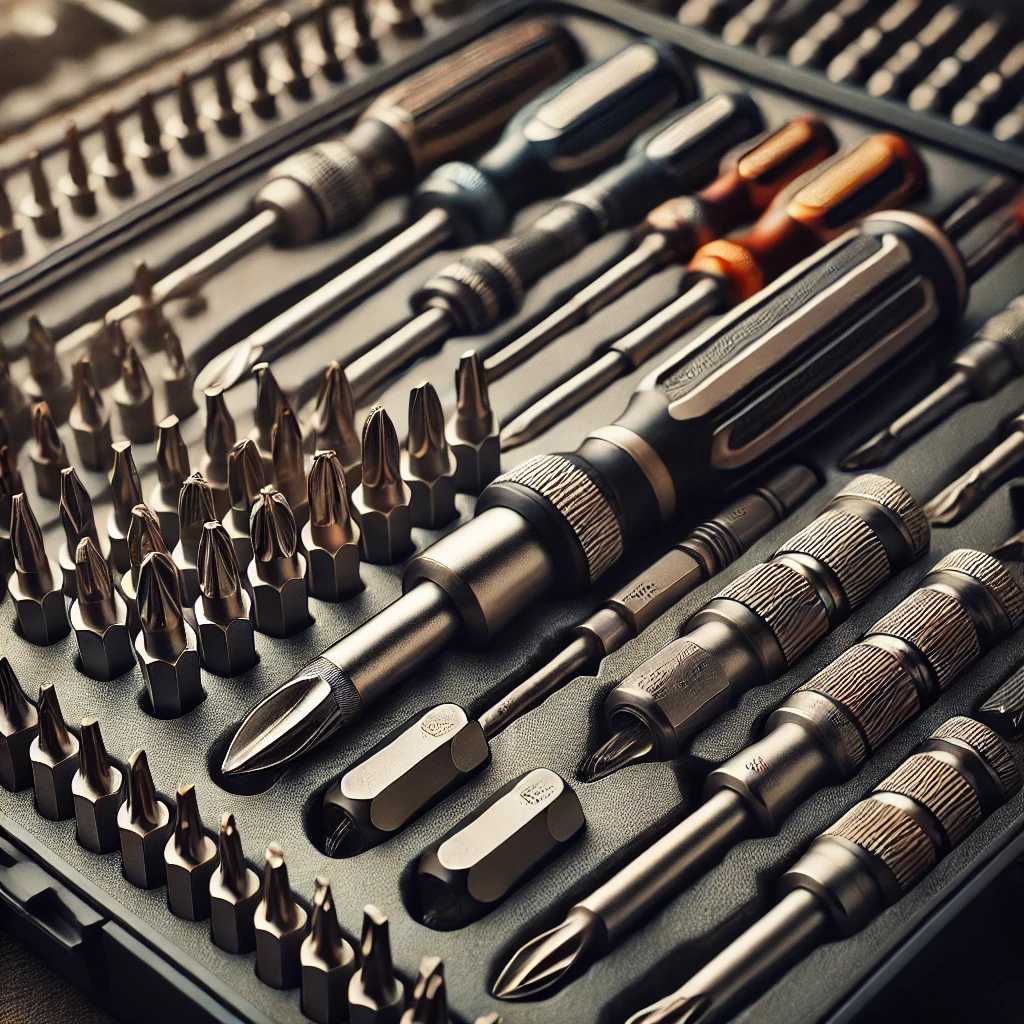
- Flathead screwdrivers: Great for basic household repairs, but they might slip out of screws if not matched correctly.
- Phillips screwdrivers: The most commonly used, but they can cam out under too much pressure.
- Torx screwdrivers: Ideal for electronics and automotive projects where torque is needed.
- Ratcheting screwdrivers: Offer convenience for repetitive tasks, but they might lack precision for delicate jobs.
- Precision screwdrivers: Perfect for small tasks, such as working with electronics, but might not handle larger screws.
Visit JB Tools to find screwdrivers designed for these tasks, and check out this recommended tools guide for more options.
Necessary Steps (1-10):
- Identify the type of screw: Check if you’re dealing with a flathead, Phillips, or Torx screw.
- Match the screwdriver to the screw: Make sure the size and type of the screwdriver correspond to the screw head.
- Check for comfort and ergonomics: Pick a screwdriver with a comfortable handle to avoid hand strain.
- Assess the material: Ensure the screwdriver is made from durable materials like chrome-vanadium steel.
- Test the tip: Look for magnetic tips to hold screws in place, especially for overhead or hard-to-reach areas.
- Evaluate torque requirements: For tasks needing more torque, consider a ratcheting or Torx screwdriver.
- Check the screw size: Make sure your tool fits perfectly without slipping.
- Use an appropriate grip: A soft or rubberized handle will give you better control and precision.
- Consider multi-bit screwdrivers: They offer versatility but may be less sturdy than fixed-tip designs.
- Invest in a set: For long-term use, buying a screwdriver set can cover multiple projects.
Visit JB Tools for a wide selection of screwdrivers and toolsets that fit these requirements.
Comparisons:
Not all screwdrivers are created equal, and understanding the differences between them can make all the difference. Here are some points of comparison to help you choose:
- Material: Hardened steel vs. standard steel—hardened steel lasts longer.
- Handle design: Comfort grip vs. plastic grip—comfort grips are better for long projects.
- Tip type: Magnetic tips vs. non-magnetic—magnetic tips offer more convenience but may be unnecessary for some.
- Precision: Precision screwdrivers vs. standard sizes—precision is essential for electronics, while standard sizes work for larger tasks.
- Price: Expensive brands vs. budget-friendly options—price doesn’t always equate to quality, but higher-priced models often offer better materials.
Compare these factors when browsing screwdrivers at JB Tools.
Tips & Tricks:
Here are some tips and tricks for finding and using the perfect screwdriver:
- Keep a screwdriver set handy: It’s always better to have multiple types of screwdrivers for different jobs.
- Use the right size: Always ensure the screwdriver matches the screw head size to prevent stripping.
- Maintain your tools: Clean your screwdrivers regularly to extend their life.
- Label your tools: If you have multiple sets, label them to find what you need faster.
- Try ratcheting screwdrivers: For repetitive tasks, ratcheting screwdrivers can save you time and effort.
FAQs:
Q: How do I know what size screwdriver I need?
A: Always match the screwdriver size to the screw head. Too small, and you’ll strip the screw; too large, and it won’t fit.
Q: Can I use a Phillips screwdriver on all screws?
A: No. Phillips screwdrivers work only on Phillips head screws. Using them on other types can damage both the screw and the tool.
Q: What’s the best material for a screwdriver?
A: Chrome-vanadium steel is a popular choice due to its durability and resistance to wear.
Updates and Future Considerations:
As technology evolves, new screwdriver designs emerge. Electric and magnetic screwdrivers are becoming more popular for both professionals and hobbyists. Stay tuned for updates on advanced features that can make your tool even more efficient.
Cost or Price:
The cost of a good screwdriver can range from a few dollars for basic models to over $50 for premium, specialized tools. When shopping for screwdrivers, you can find competitive pricing at JB Tools, with options that fit any budget.