Squeaky door hinges can be incredibly annoying, disrupting the peace and quiet of your home. Luckily, fixing them is a straightforward task that you can tackle with a few tools and a bit of patience. In this blog, we’ll walk you through the pros and cons of different methods, recommend tools, provide a step-by-step guide, and offer tips to ensure your door hinges remain silent for the long haul.
Pros
Fixing a squeaky door hinge comes with several benefits, making it a worthwhile task for any homeowner:
- Immediate Silence: The most obvious benefit is the immediate relief from the irritating squeak, restoring tranquility to your home environment.
- Increased Door Lifespan: Properly lubricating and maintaining door hinges can extend the life of both the door and the hinge.
- Improved Functionality: A well-maintained door hinge ensures smooth operation, reducing resistance and making the door easier to open and close.
- Cost-Effective Solution: Most fixes require inexpensive tools and materials, making this a budget-friendly home improvement task.
- DIY Satisfaction: Successfully fixing a squeaky hinge provides a sense of accomplishment and boosts your confidence in handling other minor home repairs.
- Enhanced Home Aesthetics: Addressing minor issues like squeaky hinges contributes to the overall maintenance and appearance of your home.
- Preventative Maintenance: Regularly checking and fixing squeaky hinges helps identify potential issues before they escalate into more significant problems.
Each of these points highlights why fixing a squeaky door hinge is not only beneficial for immediate relief but also contributes to the long-term upkeep of your home.
Cons
While fixing a squeaky door hinge is generally a simple task, there are a few potential drawbacks to consider:
- Time-Consuming: Depending on the severity of the squeak and the method used, fixing the hinge can be time-consuming, especially if multiple hinges are involved.
- Temporary Fixes: Some methods may only provide a temporary solution, requiring repeated applications or more permanent fixes down the line.
- Potential Mess: Certain lubricants can be messy to apply and may drip onto floors or surrounding surfaces, necessitating additional cleanup.
- Inadequate Tools: Not having the right tools can make the job more difficult and less effective, potentially leading to frustration.
- Risk of Damage: Improper handling of hinges and tools can result in damage to the door, frame, or hinge itself, leading to more extensive repairs.
- Allergic Reactions: Some individuals may be sensitive or allergic to certain lubricants or cleaning agents used in the process.
- Limited Effectiveness on Old Hinges: Older or heavily corroded hinges might not respond well to standard fixes, requiring more intensive measures or replacement.
Understanding these cons helps prepare you for potential challenges, ensuring you approach the task with the right expectations and materials.
Recommended Tools for the Project
Having the right tools on hand is crucial for fixing a squeaky door hinge efficiently. Here are the essential items you’ll need:
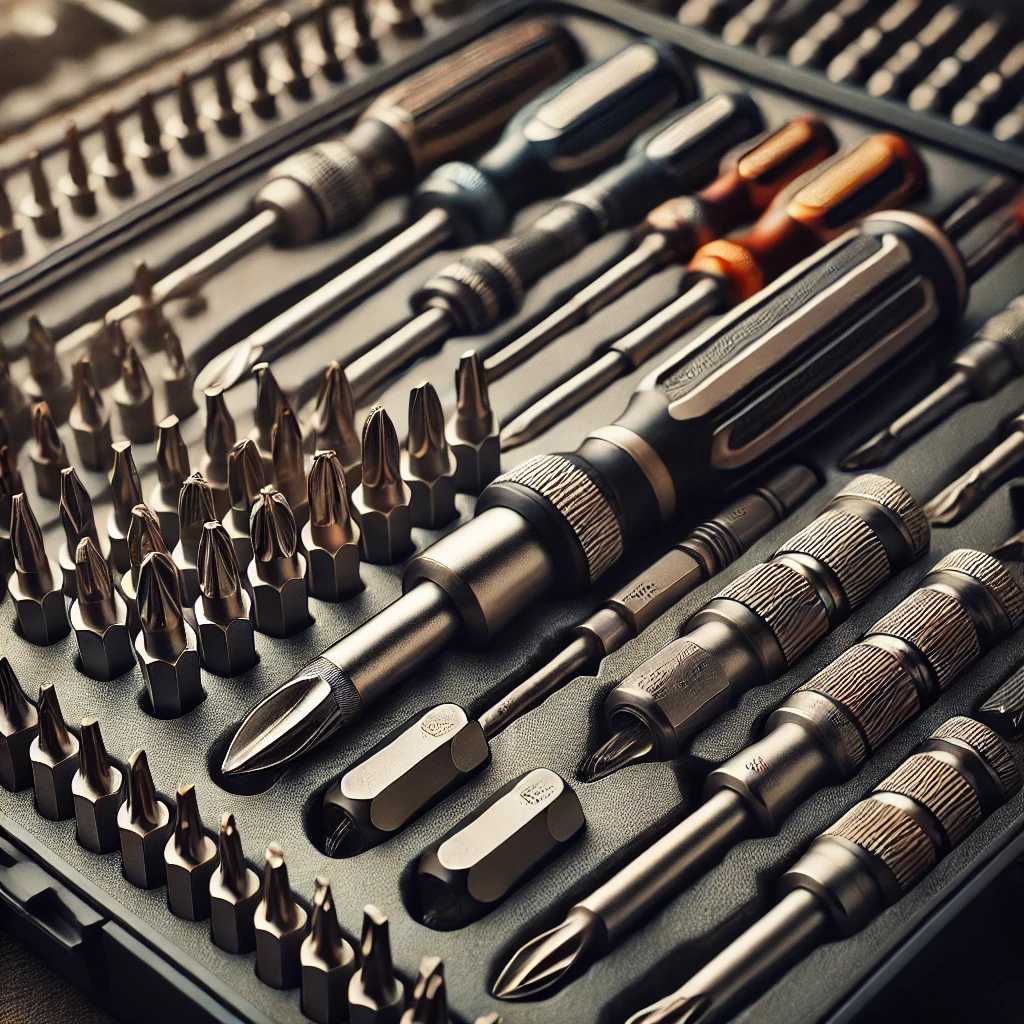
- Screwdriver: A Phillips or flathead screwdriver, depending on the hinge screws, is necessary for removing and reattaching the hinge.
- Lubricant: WD-40, silicone spray, or household oil works well for lubricating the hinge. Avoid using grease as it can attract dirt and grime.
- Hammer: A hammer is useful for gently tapping the hinge pin out of place.
- Nail or Punch: A nail or punch helps in pushing the hinge pin out if it’s stuck.
- Cloth or Paper Towels: These are essential for wiping down the hinge and any excess lubricant.
- Dish Soap and Water: For cleaning particularly dirty hinges before lubrication.
- Cotton Swabs: Useful for applying lubricant in hard-to-reach areas of the hinge.
- Pliers: In case the hinge pin is stubborn, pliers can provide extra grip and leverage.
- Drop Cloth: Protects your floor from potential lubricant drips or dirt.
These tools will help you tackle the project efficiently, ensuring a smooth and successful repair.
Necessary Steps (1-10)
Follow these detailed steps to fix your squeaky door hinge:
- Identify the Problem Hinge: Open and close the door to locate the specific hinge causing the noise.
- Prepare Your Work Area: Lay down a drop cloth to protect the floor and gather all necessary tools.
- Remove the Hinge Pin: Use a screwdriver and hammer to gently tap the hinge pin upwards. If it’s stuck, use a nail or punch to help push it out.
- Clean the Hinge: Wipe down the hinge with a cloth or paper towel. Use soapy water if it’s particularly dirty, then dry thoroughly.
- Apply Lubricant: Spray or apply a small amount of lubricant to the hinge pin and the hinge itself. Use a cotton swab to spread it evenly.
- Reinsert the Hinge Pin: Tap the hinge pin back into place with a hammer. Ensure it’s fully seated and secure.
- Test the Door: Open and close the door several times to work the lubricant into the hinge and ensure the squeak is gone.
- Repeat if Necessary: If the squeak persists, repeat the process. Sometimes, multiple applications are needed.
- Clean Up: Wipe away any excess lubricant that may have dripped onto the door or floor.
- Regular Maintenance: Periodically check and lubricate your door hinges to prevent future squeaks.
By following these steps, you can effectively silence a squeaky door hinge and enjoy a quieter home.
Comparisons
Understanding the different methods and materials for fixing a squeaky door hinge can help you choose the best approach for your situation:
- Lubricants: WD-40 vs. Silicone Spray vs. Household Oil
- WD-40: Easy to find and apply but can attract dust and dirt over time.
- Silicone Spray: Long-lasting and doesn’t attract dirt, making it ideal for long-term fixes.
- Household Oil: Readily available but may require frequent reapplication.
- Temporary vs. Permanent Fixes
- Temporary: Quick and easy but might need repeated applications.
- Permanent: Involves more effort (like replacing the hinge) but offers a long-lasting solution.
- DIY vs. Professional Help
- DIY: Cost-effective and satisfying but may require more time and effort.
- Professional: Convenient and thorough but comes at a higher cost.
- Tools: Basic Screwdriver vs. Specialized Tools
- Basic: Suitable for most household fixes.
- Specialized: Offers more precision and ease of use but may be an unnecessary expense for minor tasks.
- Cleaning Methods: Simple Wipe Down vs. Thorough Cleaning
- Simple Wipe Down: Quick and effective for minor dirt.
- Thorough Cleaning: Necessary for heavily soiled hinges but requires more effort.
Each method has its pros and cons, allowing you to tailor your approach based on your specific needs and preferences.
Tips & Tricks
To ensure your door hinges remain squeak-free, consider these additional tips and tricks:
- Use High-Quality Lubricants: Investing in a good lubricant like silicone spray can provide a more durable fix.
- Regular Maintenance: Periodically check and lubricate your door hinges to prevent squeaks from returning.
- Avoid Over-Lubricating: Excess lubricant can attract dust and grime, leading to further issues.
- Inspect Hinges for Damage: Check for signs of wear or damage, as a broken hinge may need replacement rather than lubrication.
- Use a Drop Cloth: Protect your floors and surrounding areas from potential spills and drips during the process.
- Test Hinges Individually: If you have multiple squeaky hinges, test and fix each one separately to ensure thorough treatment.
- Consider Hinge Replacement: For persistent squeaks, replacing the hinge might be the most effective solution.
- Consult Manuals or Tutorials: Manufacturer instructions or online tutorials can provide additional guidance specific to your door hinge model.
- Store Tools Handy: Keep a small toolkit with essential items like screwdrivers, lubricants, and cloths for easy access.
- Educate Household Members: Inform everyone in the household about regular hinge maintenance to prevent future squeaks.
These tips will help you maintain your door hinges and avoid the frustration of squeaky doors in the future.
FAQs
Q: How often should I lubricate my door hinges? A: It’s recommended to lubricate door hinges every six months to a year, depending on usage and environmental factors. Regular maintenance helps prevent squeaks and ensures smooth operation.
Q: What if the squeak persists after lubricating? A: If the squeak persists, try reapplying the lubricant and ensure it reaches all parts of the hinge. If the problem continues, consider inspecting for damage or consulting a professional for further assistance.
Q: Can I use cooking oil to lubricate hinges? A: While cooking oil can provide a temporary fix, it’s not recommended for long-term use as it can attract dust and become sticky. It’s better to use a proper lubricant like WD-40 or silicone spray.
Q: Are there environmentally friendly lubricants available? A: Yes, there are eco-friendly lubricants available on the market. Look for products labeled as non-toxic, biodegradable, or environmentally safe.
Q: What should I do if my hinge pin is stuck? A: If the hinge pin is stuck, use a nail or punch to gently tap it out. Applying a small amount of penetrating oil can also help loosen it. Be patient and avoid forcing it out to prevent damage.
Addressing these common questions provides clarity and helps readers troubleshoot potential issues during the process.
Updates and Future Considerations
As technology and products evolve, there are always new tools and methods for fixing squeaky door hinges:
- Innovative Lubricants: Research and development in lubricants may lead to new products that offer longer-lasting results and easier application.
- Smart Hinges: Advancements in smart home technology could introduce hinges with built-in lubrication systems or sensors that alert you when maintenance is needed.
- Eco-Friendly Options: With increasing environmental awareness, more eco-friendly and sustainable lubricants are likely to become available.
- DIY Kits: Manufacturers may develop comprehensive DIY kits that include all necessary tools and materials for fixing squeaky hinges, making the process even more convenient.
- Online Resources: As more tutorials and instructional videos become available online, homeowners will have access to a wealth of information and guidance.
Keeping an eye on these future considerations ensures you stay informed about the latest advancements and improvements in home maintenance.
Cost or Price
Fixing a squeaky door hinge is a cost-effective project that requires minimal investment:
- Lubricants: A can of WD-40 or silicone spray typically costs between $5 and $10, and one can usually lasts for multiple applications.
- Tools: Basic tools like screwdrivers and hammers are common household items, so there’s often no additional cost. If you need to purchase them, expect to spend around $10 to $20.
- Replacement Hinges: In case a hinge needs replacing, a new hinge set costs between $5 and $20, depending on the type and quality.
- Total Cost: Overall, fixing a squeaky door hinge should cost no more than $30, making it an affordable home improvement task.
By understanding the cost implications, you can budget accordingly and ensure you have all necessary materials on hand.