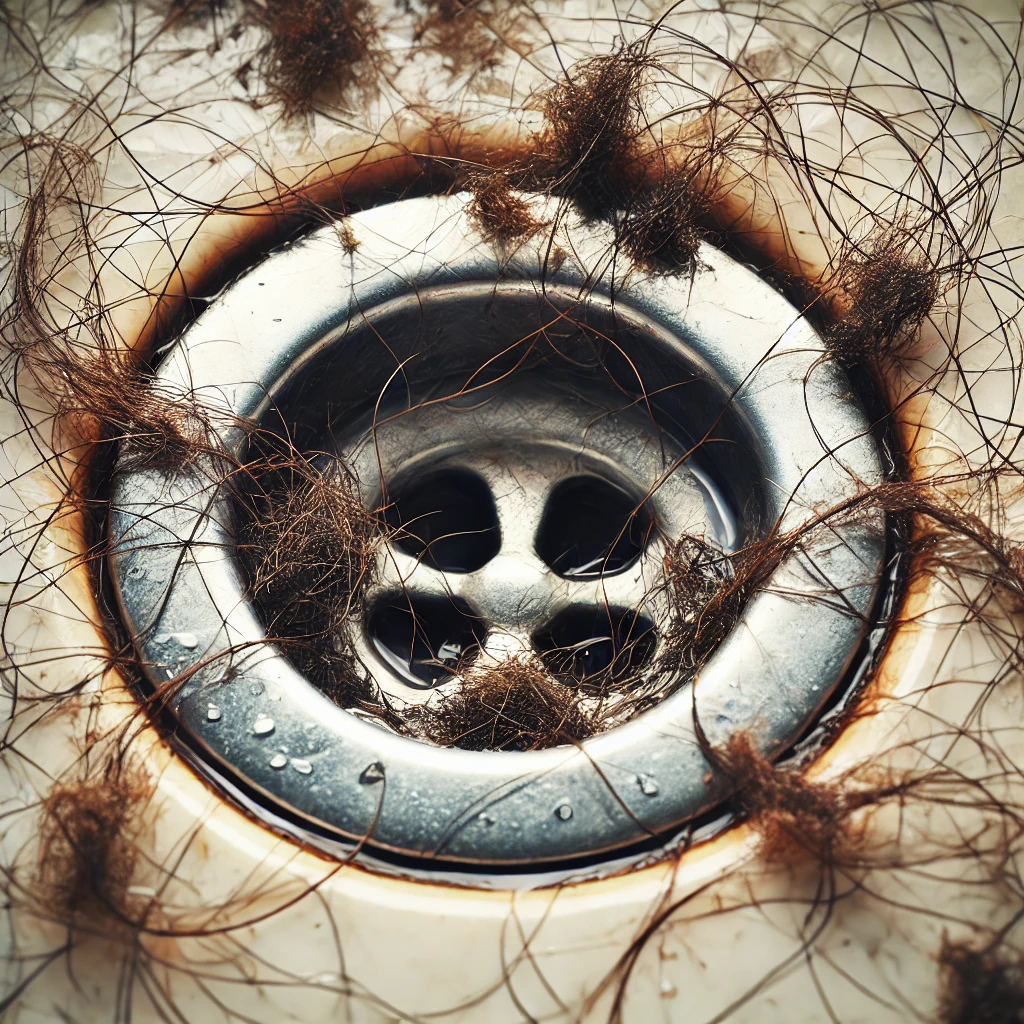
Dealing with a clogged drain is a common household problem, especially when hair builds up over time. Understanding how to pull hair out of the drain efficiently can save you from calling a plumber and spending unnecessary money. This guide will walk you through the pros and cons, the tools you’ll need, the steps involved, and even some tips and tricks to keep your drains clear.
Pros of Pulling Hair Out of the Drain
When it comes to handling clogs in your bathroom sink or shower, pulling hair out of the drain yourself can offer several advantages:
- Cost Savings: Avoiding a plumber’s fee can save you a considerable amount, as professional services for drain cleaning can be expensive.
- Quick Fix: Addressing the problem immediately helps you restore proper drainage without waiting for an appointment.
- Prevention of Future Clogs: Regularly pulling hair out of the drain prevents larger, more stubborn clogs from forming over time.
- Environmentally Friendly: Using physical removal methods reduces the need for harsh chemical drain cleaners that can damage pipes and harm the environment.
- Satisfaction and Confidence: Successfully removing hair from your drain can give you a sense of accomplishment and confidence in your DIY skills.
Overall, handling this task on your own can be rewarding, cost-effective, and environmentally conscious.
Cons of Pulling Hair Out of the Drain
While there are clear benefits, there are also some drawbacks to consider when pulling hair out of the drain:
- Time-Consuming: Depending on the severity of the clog, the process can take longer than expected.
- Messy and Unpleasant: The task can be messy and sometimes unpleasant due to the buildup of hair, soap scum, and other debris.
- Potential for Incomplete Removal: If not done properly, some hair and debris may remain, leading to a recurring problem.
- Risk of Damaging Plumbing: Using inappropriate tools or too much force can potentially damage your drain or pipes.
- Possible Need for Additional Tools: In some cases, you might need to purchase specific tools or products to complete the job effectively.
It’s essential to weigh these cons against the pros to decide if you’re up for the challenge or if professional help might be necessary.
Recommended Tools for the Project
To effectively pull hair out of the drain, having the right tools on hand is crucial. Below is a list of recommended tools, many of which can be found at this link:
- Drain Snake or Auger: A flexible tool that can reach deep into the drain to grab hair and debris.
- Plunger: Useful for loosening clogs before manual removal.
- Needle-Nose Pliers: Ideal for grabbing and pulling out hair that’s close to the drain opening.
- Drain Weasel: A specific tool designed to capture and remove hair clogs from drains.
- Protective Gloves: Essential for keeping your hands clean and safe during the process.
These tools are essential for ensuring that you can tackle the task efficiently and with minimal hassle. For additional tool recommendations, check out this resource.
Necessary Steps (1-10)
Successfully pulling hair out of the drain involves a step-by-step process that ensures the job is done right. Here are the ten essential steps to follow:
- Gather Your Tools: Before you begin, make sure you have all necessary tools within reach.
- Wear Protective Gear: Put on gloves to protect your hands from dirt and bacteria.
- Remove Drain Cover: If your drain has a cover or stopper, remove it to gain better access.
- Use a Drain Snake: Insert the drain snake into the drain, turning it as you push it down to grab hair and debris.
- Pull Out the Hair: Slowly pull the snake out, ensuring it brings the hair and debris with it.
- Use Pliers for Remaining Hair: If some hair remains near the surface, use needle-nose pliers to remove it.
- Flush the Drain: Run hot water through the drain to flush out any remaining particles.
- Clean the Drain Cover: Before replacing the cover, clean it thoroughly to remove any buildup.
- Reassemble the Drain: Replace the drain cover or stopper once everything is clean.
- Test the Drain: Run water again to ensure the clog is fully removed and the drain is functioning correctly.
By following these steps, you can effectively clear your drain and prevent future clogs.
Comparisons
Understanding the differences between various methods and tools for removing hair from drains can help you choose the best approach:
- Chemical Drain Cleaners vs. Manual Removal: While chemical cleaners can dissolve hair, they can also damage pipes and harm the environment. Manual removal, though more labor-intensive, is safer and more eco-friendly.
- Drain Snake vs. Plunger: A drain snake is more effective for deep clogs, whereas a plunger is best for loosening blockages closer to the surface.
- DIY vs. Professional Help: DIY methods are cost-effective but may require more time and effort. Professional services offer convenience but come at a higher cost.
- Drain Weasel vs. Needle-Nose Pliers: A Drain Weasel is specifically designed for hair clogs, making it more effective in most cases, while pliers are better for surface-level clogs.
- Preventive Measures vs. Reactive Solutions: Using hair catchers and regular maintenance can prevent clogs, whereas reactive solutions are necessary once a clog has formed.
Choosing the right method depends on your specific situation, the tools you have on hand, and your willingness to invest time and effort.
Tips & Tricks
Here are some additional tips and tricks to make pulling hair out of the drain easier and more effective:
- Regular Maintenance: Regularly clean your drains to prevent hair buildup.
- Use Hair Catchers: Install hair catchers in your drains to minimize the amount of hair that enters the plumbing system.
- Hot Water Flushes: Periodically flush your drains with hot water to break down soap scum and other debris.
- Vinegar and Baking Soda: A combination of vinegar and baking soda can help dissolve small clogs before they become bigger problems.
- Avoid Chemical Cleaners: If possible, avoid using chemical cleaners, as they can damage pipes and harm the environment.
By incorporating these tips, you can maintain clear drains and reduce the need for frequent hair removal.
FAQs
Q: How often should I pull hair out of the drain?
A: It’s recommended to check and clean your drains once a month to prevent buildup.
Q: Can I use a chemical drain cleaner instead?
A: While chemical cleaners can dissolve hair, they may damage your pipes over time and are not environmentally friendly.
Q: What if I can’t remove all the hair?
A: If you can’t remove all the hair, consider using a drain snake or calling a professional plumber for assistance.
Q: Are there any preventive measures I can take?
A: Yes, installing hair catchers in your drains and performing regular maintenance can significantly reduce hair buildup.
Q: Is pulling hair out of the drain difficult?
A: It can be unpleasant but is generally a straightforward task that most homeowners can handle with the right tools and techniques.
Updates and Future Considerations
The methods and tools for pulling hair out of the drain are continually evolving, with new products and techniques emerging to make the task easier. Staying informed about the latest tools and methods can help you maintain clear drains more efficiently. Additionally, consider investing in preventive tools, such as hair catchers, to reduce the need for frequent maintenance. Future updates might also include more eco-friendly and user-friendly products designed specifically for this purpose.
Cost or Price
The cost of pulling hair out of the drain is generally low, especially if you already have the necessary tools. Basic tools like a drain snake or plunger can be purchased for under $20, making this a cost-effective DIY project. However, if the clog is severe and requires professional help, the price can increase significantly, ranging from $75 to $200 depending on the complexity of the job. Regular maintenance and preventive measures can keep costs low by avoiding more severe blockages.