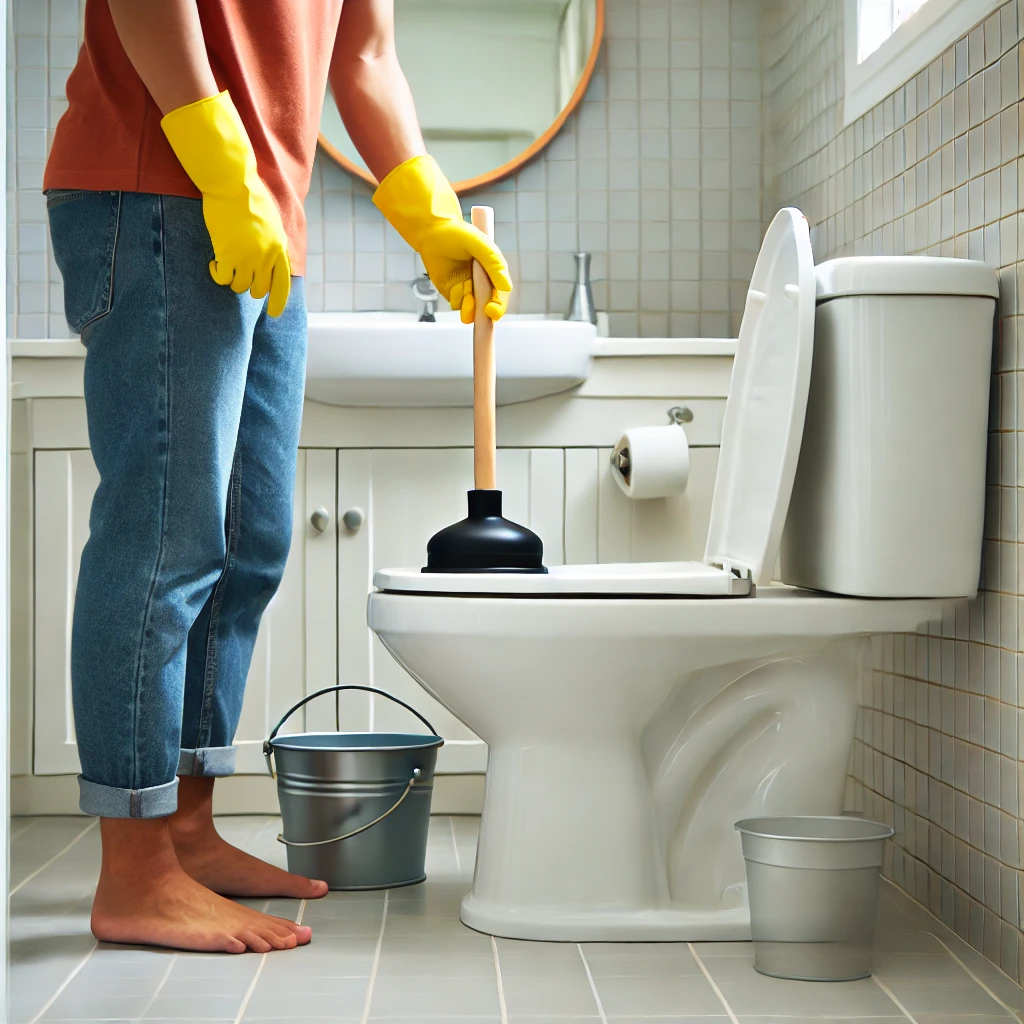
Dealing with a clogged toilet is a common household issue that no one enjoys. However, knowing how to unclog a toilet can save you time, money, and a whole lot of frustration. In this guide, we’ll walk you through the pros and cons of tackling this task yourself, recommend the best tools for the job, and provide a step-by-step guide to get your toilet back in working order. We’ll also compare different methods, share tips and tricks, and answer some frequently asked questions.
Pros
Unclogging a toilet yourself can be empowering and cost-effective, but it’s important to weigh the advantages carefully.
- Cost Savings: Hiring a plumber can be expensive, especially for simple tasks like unclogging a toilet. By doing it yourself, you can save a significant amount of money.
- Quick Resolution: Waiting for a plumber can take time, leaving your toilet unusable for hours or even days. Unclogging it yourself allows for immediate action.
- Skill Development: Every time you unclog a toilet, you gain valuable experience and confidence in handling minor plumbing issues.
- Convenience: You don’t have to schedule appointments or adjust your day around a professional’s availability.
- Preventative Measures: By handling clogs yourself, you become more aware of what can cause them and how to prevent them in the future.
Despite these advantages, there are a few things to keep in mind. Unclogging a toilet is not always a pleasant experience, and without the right tools or knowledge, you could worsen the situation.
Cons
Before you dive into unclogging a toilet, consider the potential downsides.
- Potential for Damage: If done improperly, you can damage the toilet, pipes, or plumbing system, leading to costly repairs.
- Time-Consuming: Depending on the severity of the clog, it may take longer than expected to resolve the issue.
- Hygiene Concerns: Handling a clogged toilet can be unsanitary and unpleasant, particularly if you’re dealing with waste.
- Incomplete Resolution: Without proper tools or techniques, you might not fully clear the clog, resulting in recurring issues.
- Risk of Injury: Improper use of tools, such as a plumber’s snake, can lead to personal injury or further plumbing problems.
Considering these cons, it’s essential to be prepared and understand when it’s time to call in a professional.
Recommended Tools for the Project
To successfully unclog a toilet, you’ll need the right tools. Here’s a list of recommended tools that can make the task easier and more effective. You can find a comprehensive guide to the necessary tools here: Recommended Tools.
- Plunger: A plunger is your first line of defense. Make sure to use a flange plunger, which is specifically designed for toilets.
- Plumber’s Snake: If the plunger doesn’t work, a plumber’s snake can reach deeper into the pipes to remove the clog.
- Rubber Gloves: Essential for hygiene, these protect your hands from contact with waste and chemicals.
- Bucket: Useful for removing excess water from the toilet bowl before you begin.
- Auger: For stubborn clogs, an auger can be a more powerful alternative to a plumber’s snake.
These tools are readily available at most hardware stores, and having them on hand can save you a trip when a clog occurs.
Necessary Steps (1-10)
Follow these steps to unclog your toilet safely and effectively.
- Assess the Situation: Determine the severity of the clog by trying to flush the toilet. If the water rises but doesn’t overflow, it’s likely a minor clog.
- Prepare Your Workspace: Put on rubber gloves and remove excess water from the toilet bowl using a bucket.
- Use a Plunger: Place the plunger over the toilet drain and press down firmly, then pull up sharply. Repeat this process several times to dislodge the clog.
- Try Hot Water: If the plunger doesn’t work, pour hot (not boiling) water into the toilet bowl. The heat can help break down the clog.
- Apply a Toilet Auger: Insert the auger into the toilet drain and twist it to break up the clog. This tool is especially useful for deep or stubborn clogs.
- Use a Plumber’s Snake: If the clog persists, use a plumber’s snake to reach deeper into the pipes. Insert it slowly and twist as you push.
- Flush to Test: After using the tools, flush the toilet to see if the clog is cleared. If the water drains normally, the clog is resolved.
- Clean Up: Once the toilet is unclogged, clean your tools and the surrounding area thoroughly to prevent any hygiene issues.
- Prevent Future Clogs: Avoid flushing items like wipes, sanitary products, or excessive toilet paper. Consider installing a toilet drain screen to catch debris.
- Call a Professional: If you’ve tried everything and the clog persists, it’s time to call in a plumber. Continued attempts could damage your plumbing.
Comparisons
When it comes to unclogging a toilet, different methods and tools offer varying degrees of effectiveness.
- Plunger vs. Auger: A plunger is a basic tool that’s effective for most minor clogs, while an auger can handle more severe blockages.
- Plumber’s Snake vs. Auger: Both tools are designed for deep clogs, but an auger typically has a more powerful reach and is better for tough clogs.
- Hot Water vs. Chemicals: Hot water is a safe, chemical-free method to break down clogs, whereas chemical drain cleaners can be harsh and damaging to pipes over time.
- DIY vs. Professional Help: While DIY methods are cost-effective, a professional plumber is often necessary for complex or persistent clogs.
- Bucket vs. Wet/Dry Vacuum: A bucket is useful for removing water from the bowl, but a wet/dry vacuum can remove water and small debris more efficiently.
Each method has its advantages, so choose the one that best fits your situation and the severity of the clog.
Tips & Tricks
Here are some helpful tips and tricks to make unclogging a toilet easier and prevent future issues.
- Use a Flange Plunger: This type of plunger creates a better seal on toilet drains, providing more powerful suction.
- Add Dish Soap: Pour a small amount of dish soap into the toilet bowl before plunging. It can help lubricate the clog, making it easier to remove.
- Try a Wet/Dry Vacuum: If traditional methods fail, a wet/dry vacuum can be a last resort to suck out the clog.
- Flush Twice: After successfully unclogging the toilet, flush twice to ensure the blockage is completely gone.
- Use Less Toilet Paper: Excessive toilet paper is a common cause of clogs. Encourage household members to use less and avoid flushing anything other than toilet paper.
These tricks can save you time and hassle, making future clogs less likely.
FAQs
Q: What should I do if the toilet overflows? A: If your toilet is overflowing, turn off the water supply immediately by shutting off the valve behind the toilet. Then, use a plunger to try and clear the clog.
Q: Can I use chemical drain cleaners? A: While chemical drain cleaners can be effective, they can also damage your pipes over time. It’s better to use a plunger, auger, or hot water first.
Q: How can I prevent toilet clogs? A: To prevent clogs, avoid flushing anything other than toilet paper. Install a drain screen to catch debris, and use less toilet paper if possible.
Q: How do I know when to call a plumber? A: If you’ve tried all the DIY methods and the toilet is still clogged, or if you notice water backing up in other drains, it’s time to call a plumber.
Q: What should I do if I don’t have a plunger? A: If you don’t have a plunger, try using hot water, a plumber’s snake, or an auger. You can also make a temporary plunger using a plastic bottle.
Updates and Future Considerations
As new tools and techniques for unclogging toilets emerge, it’s important to stay informed. For example, some companies are developing environmentally friendly drain cleaners that are safe for pipes and effective on clogs. Additionally, future toilets may feature built-in clog prevention systems, reducing the need for manual unclogging.
Cost or Price
The cost of unclogging a toilet can vary widely depending on the method used and whether you hire a professional.
- DIY Cost: If you’re handling the clog yourself, the cost is minimal. A plunger typically costs around $10-$20, and a plumber’s snake or auger can range from $15-$50.
- Professional Cost: Hiring a plumber to unclog a toilet usually costs between $100 and $300, depending on the severity of the clog and your location.
- Long-Term Savings: Investing in quality tools can save you money in the long run by avoiding the need for frequent plumber visits.
By comparing these costs, you can decide whether DIY or professional help is the best option for your situation.