When it comes to plumbing, understanding the importance of shutoff valves is crucial. Shutoff valves play a vital role in controlling the flow of water to specific fixtures within your home, such as faucets, toilets, and washing machines. This blog serves as an informative guide, particularly for homeowners and beginners, on why shutoff valves are important and how to install them. By the end of this article, you’ll have a clear understanding of how to approach this essential DIY task.
Pros of Installing a Shutoff Valve
Installing a shutoff valve in your plumbing system offers several advantages that every homeowner should consider. Recognizing the importance of shutoff valves can help you appreciate their role in maintaining a functional and safe home.
- Localized Water Control: Shutoff valves allow you to stop the water supply to a specific fixture without affecting the entire house, which is extremely useful during repairs or maintenance.
- Emergency Prevention: In case of a leak, a shutoff valve can prevent extensive water damage by allowing you to quickly stop the water flow to the affected area.
- Ease of Maintenance: With the ability to isolate water flow, routine maintenance or fixture replacement becomes more manageable, eliminating the need to shut off water to the entire house.
- Cost-Effective: Understanding the importance of shutoff valves can save you money by reducing potential water damage and allowing you to perform small repairs yourself.
- Increased Home Value: Homes with well-maintained plumbing systems, including functional shutoff valves, tend to have higher property values and offer peace of mind to potential buyers.
Cons of Installing a Shutoff Valve
While the importance of shutoff valves is clear, there are also some potential drawbacks to consider before installation.
- Initial Cost: Depending on the type of valve and installation complexity, the initial cost may be higher than anticipated, especially when factoring in the tools and materials required.
- Potential for Leaks: Improper installation or using low-quality valves can result in leaks, potentially causing more damage than having no valve at all.
- Regular Maintenance Required: To ensure the valve functions properly, regular maintenance and checks are necessary. Neglecting this can lead to malfunctions when you need the valve most.
- Complexity for Beginners: For those new to plumbing, the process of selecting and installing the right shutoff valve might seem overwhelming and time-consuming.
- Compatibility Issues: Not all valves are compatible with every type of pipe. Misalignment or incompatibility can cause installation problems and potential damage.
Recommended Tools for the Project
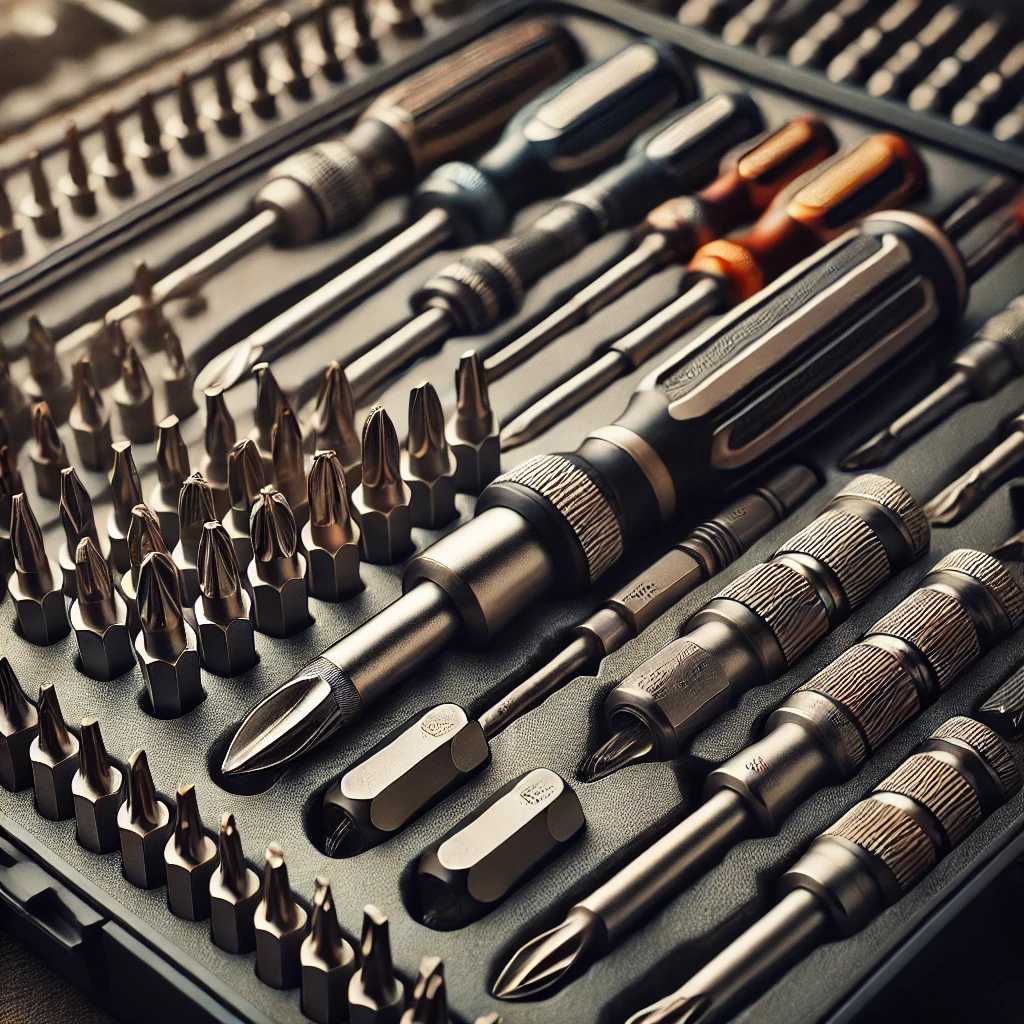
To properly install a shutoff valve and understand its importance, having the right tools on hand is essential. Here’s a list of tools that will make your project easier and more efficient:
- Pipe Wrench: A pipe wrench is crucial for loosening and tightening plumbing fittings. Ensure you have one that fits your pipe size.
- Adjustable Pliers: These are useful for gripping and holding components in place during installation.
- Teflon Tape: Teflon tape is necessary for creating a watertight seal on threaded pipes. Wrap the tape clockwise around the threads for best results.
- Pipe Cutter: Depending on the type of pipe you’re working with, a pipe cutter will help you make clean, straight cuts.
- Bucket and Towels: Have a bucket and towels handy to catch any water that may spill during the installation process.
For a complete list of recommended tools, visit this link.
Necessary Steps (1-10)
Installing a shutoff valve might seem challenging, but understanding the importance of shutoff valves and following these steps will help you complete the task successfully.
- Turn Off the Main Water Supply: Before beginning, turn off the main water supply to avoid water spillage.
- Drain the Pipes: Open faucets in your home to drain any remaining water from the pipes.
- Remove the Old Valve: Use your pipe wrench to carefully remove the old valve. If it’s stuck, apply penetrating oil and wait a few minutes.
- Prepare the Pipe: If the pipe is corroded or damaged, use a pipe cutter to remove the affected section. Ensure the cut is clean and straight.
- Wrap the Threads with Teflon Tape: Wrap Teflon tape around the threads of the new shutoff valve to ensure a leak-free installation.
- Install the New Valve: Attach the new valve to the pipe, making sure it’s properly aligned. Use adjustable pliers to tighten it securely.
- Secure the Valve: If installing a compression valve, tighten the compression nut with a wrench to secure it in place.
- Turn On the Water Supply: Slowly turn the main water supply back on and check for any leaks around the valve.
- Test the Valve: Turn the shutoff valve on and off a few times to ensure it’s functioning correctly.
- Inspect for Leaks: After installation, inspect the area for leaks and make any necessary adjustments.
Comparisons
Understanding the importance of shutoff valves involves comparing different types and styles to choose the best one for your home.
- Ball Valve vs. Gate Valve: Ball valves offer better durability and a more secure seal than gate valves but tend to be more expensive.
- Copper vs. PVC Pipes: Copper pipes are more durable and handle higher temperatures, while PVC pipes are easier to work with and more affordable.
- Compression vs. Push-Fit Valves: Compression valves offer a more secure connection but require more effort to install. Push-fit valves are easier to install but might not be as reliable over time.
- Quarter-Turn vs. Multi-Turn Valves: Quarter-turn valves are easier to operate and provide a quick shutoff, while multi-turn valves offer more control but can wear out over time.
- Soldered vs. Threaded Connections: Soldered connections provide a stronger bond but require more skill. Threaded connections are easier to install but may require Teflon tape to prevent leaks.
Tips & Tricks
These expert tips will help you appreciate the importance of shutoff valves and ensure a smooth installation process:
- Plan Ahead: Gather all necessary tools and materials before starting to avoid delays.
- Check Compatibility: Make sure the valve you’re installing is compatible with your pipe type to prevent mishaps during installation.
- Don’t Over-Tighten: Over-tightening can damage the threads and cause leaks, so tighten the valve securely but cautiously.
- Use Teflon Tape Sparingly: Too much Teflon tape can cause misalignment and lead to leaks. Wrap the tape tightly but in moderation.
- Test Before Finalizing: After installation, test the valve for leaks and functionality before considering the job complete. Address any issues immediately.
FAQs (Frequently Asked Questions)
Q: How often should I check my shutoff valves?
A: It’s recommended to check your shutoff valves at least once a year to ensure they are functioning correctly. Regular checks will help maintain their reliability.
Q: What type of shutoff valve is best for copper pipes?
A: Ball valves are generally the best option for copper pipes due to their durability and ability to create a tight seal.
Q: Can I install a shutoff valve on my own?
A: Yes, with the right tools and preparation, even beginners can successfully install a shutoff valve. Understanding the importance of shutoff valves makes the task less intimidating.
Q: How do I know if my shutoff valve is leaking?
A: Look for water droplets around the valve or listen for a hissing sound, which can indicate a leak.
Q: What should I do if my shutoff valve is stuck?
A: Apply penetrating oil to the valve and let it sit for a few minutes before attempting to turn it again.
Updates and Future Considerations
Understanding the importance of shutoff valves means staying updated on plumbing technology and methods. As plumbing technology evolves, new types of shutoff valves and installation techniques may become available, making it essential to stay informed.
- Smart Shutoff Valves: Some modern valves come with smart technology, allowing remote control of water flow via a smartphone app.
- Eco-Friendly Options: Look for valves made from eco-friendly materials that are less harmful to the environment.
- Professional Installation: While DIY is an option, consider hiring a professional for complex plumbing systems.
- Regular Maintenance: Regular maintenance is crucial to extending the lifespan of your shutoff valves and ensuring their functionality.
Cost or Price
The importance of shutoff valves also extends to understanding the costs associated with their installation. Costs can vary depending on several factors:
- Valve Cost: Shutoff valves can range from $10 to $50, depending on the type and material.
- Tool Cost: If you need to purchase tools, this can add another $20 to $100 to your expenses.
- Professional Installation: Hiring a plumber can cost anywhere from $150 to $300, depending on the complexity of the job.
- DIY Savings: Installing the valve yourself can save on labor costs, making the overall project more affordable.