When purchasing or maintaining a home, ensuring its safety and functionality through regular inspections is critical. Among the various types of home inspections, one stands out as particularly crucial for both buyers and homeowners alike. This blog explores the most important house inspection, detailing its benefits, potential drawbacks, and offering practical advice for those preparing to undertake such a project.
Pros of the Most Important House Inspection
- Ensures Safety: Detecting structural issues or hazardous conditions.
- Increases Property Value: Enhancing appeal to potential buyers.
- Prevents Costly Repairs: Identifying problems before they worsen.
- Provides Peace of Mind: Assurance that the home is safe and sound.
- Supports Insurance Claims: Documentation that can facilitate claims.
Understanding the advantages of this essential inspection highlights its role in responsible homeownership. By prioritizing this inspection, homeowners can safeguard their investment and ensure their property remains a safe, enjoyable place to live.
Cons of the Most Important House Inspection
- Initial Cost: Upfront expenses can be significant.
- Time-consuming: The inspection process may take several hours.
- Potential Delays: Discoveries may delay real estate transactions.
- Emotional Stress: Finding major issues can be distressing.
- Complex Logistics: Scheduling and conducting the inspection.
While the benefits are numerous, the challenges associated with the most important house inspection are not trivial. Potential homeowners and sellers must prepare for these obstacles to navigate the process smoothly.
Recommended Tools for the Project
- Moisture Meter: Essential for detecting hidden water damage.
- Thermal Imaging Camera: Useful for identifying heat loss and electrical faults.
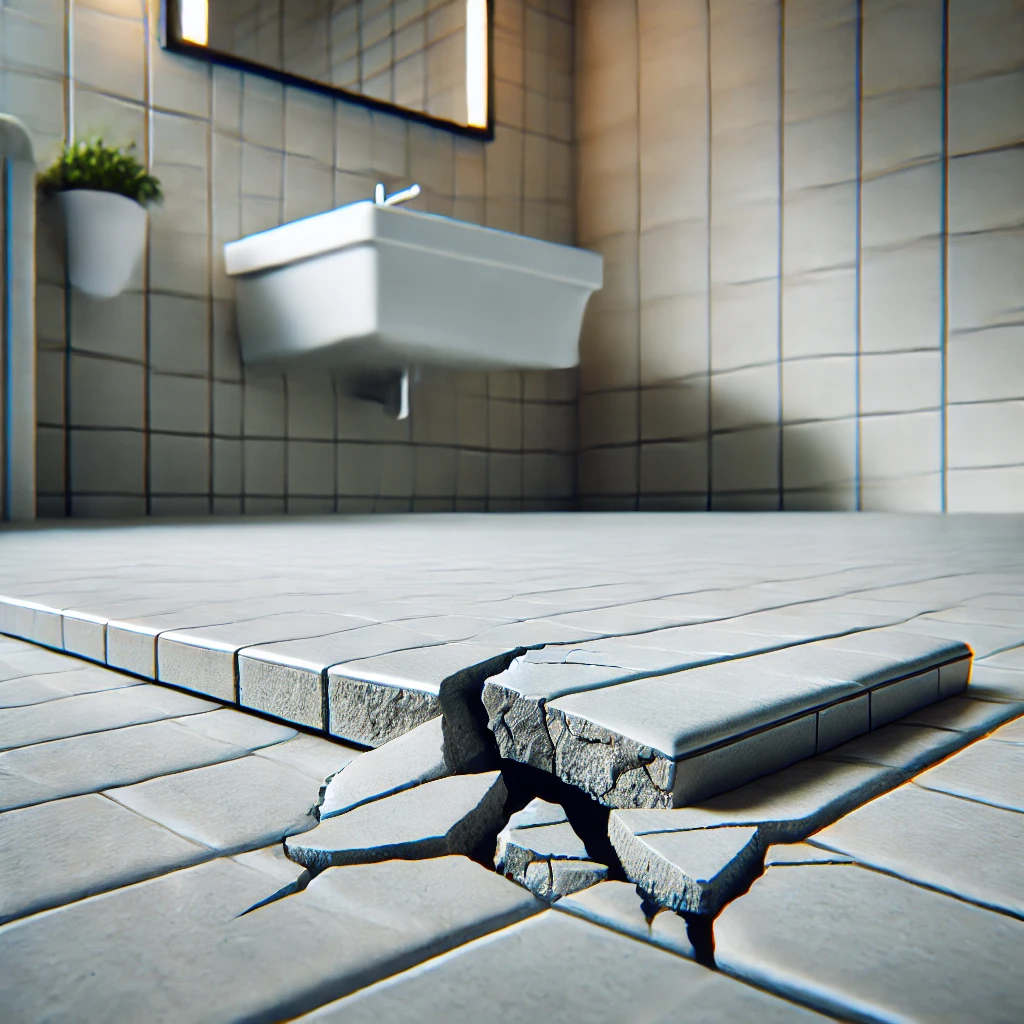
- Crack Gauge: Measures the severity of structural cracks.
- Gas Detector: Identifies leaks that could pose serious risks.
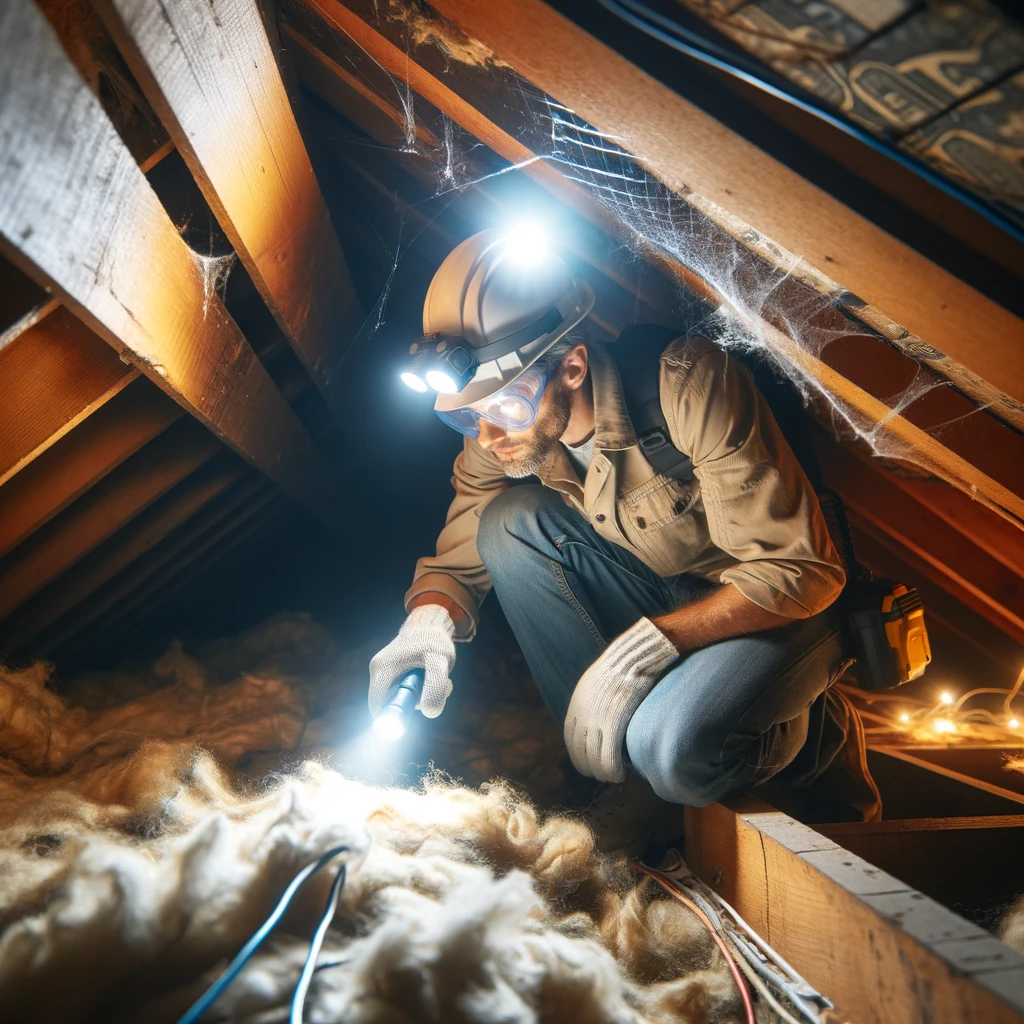
- Flashlight and Mirror: Inspects hard-to-reach spaces.
Equipping yourself with the right tools can make the inspection process more thorough and efficient, ultimately providing more accurate results and better protection for your investment.
Comparisons to Other Types of Inspections
- Termite Inspection: More specialized but less broad in scope.
- Radon Testing: Critical in certain regions but not universally needed.
- HVAC Inspection: Focuses on systems rather than structural integrity.
- Plumbing Inspection: Essential but doesn’t assess non-plumbing issues.
The most important house inspection is generally more comprehensive than other types, making it invaluable for overall assessment of a home’s condition.
Tips & Tricks for Effective House Inspections
- Schedule Regularly: Prevents issues from going unnoticed.
- Hire Professionals: Ensures a thorough and accurate inspection.
- Prepare the Home: Clean and clear access to all areas.
- Follow Up on Recommendations: Address identified issues promptly.
- Keep Records: Document findings for future reference.
By following these tips, homeowners can maximize the benefits of their inspections and maintain their properties effectively.
FAQs About House Inspections
Q: How often should I conduct this important house inspection? A: Ideally, major home inspections should occur every 3-5 years or before purchasing a new property.
Q: What is typically included in the most important house inspection? A: It usually covers structural integrity, electrical systems, plumbing, roofs, and HVAC systems.
Q: Can I perform the inspection myself? A: While minor checks can be DIY, professional inspections are recommended for comprehensive results.
Updates and Future Considerations in House Inspections
As technology advances, so do the tools and techniques used in house inspections. Future trends may include more sophisticated diagnostic tools and increased integration of AI to predict potential future issues more accurately.
Understanding Costs and Prices
The cost of the most important house inspection can vary significantly based on location, size of the home, and the depth of the inspection required. Typically, homeowners might expect to pay between $300 and $500 for a thorough inspection, although prices can be higher for larger or older properties.