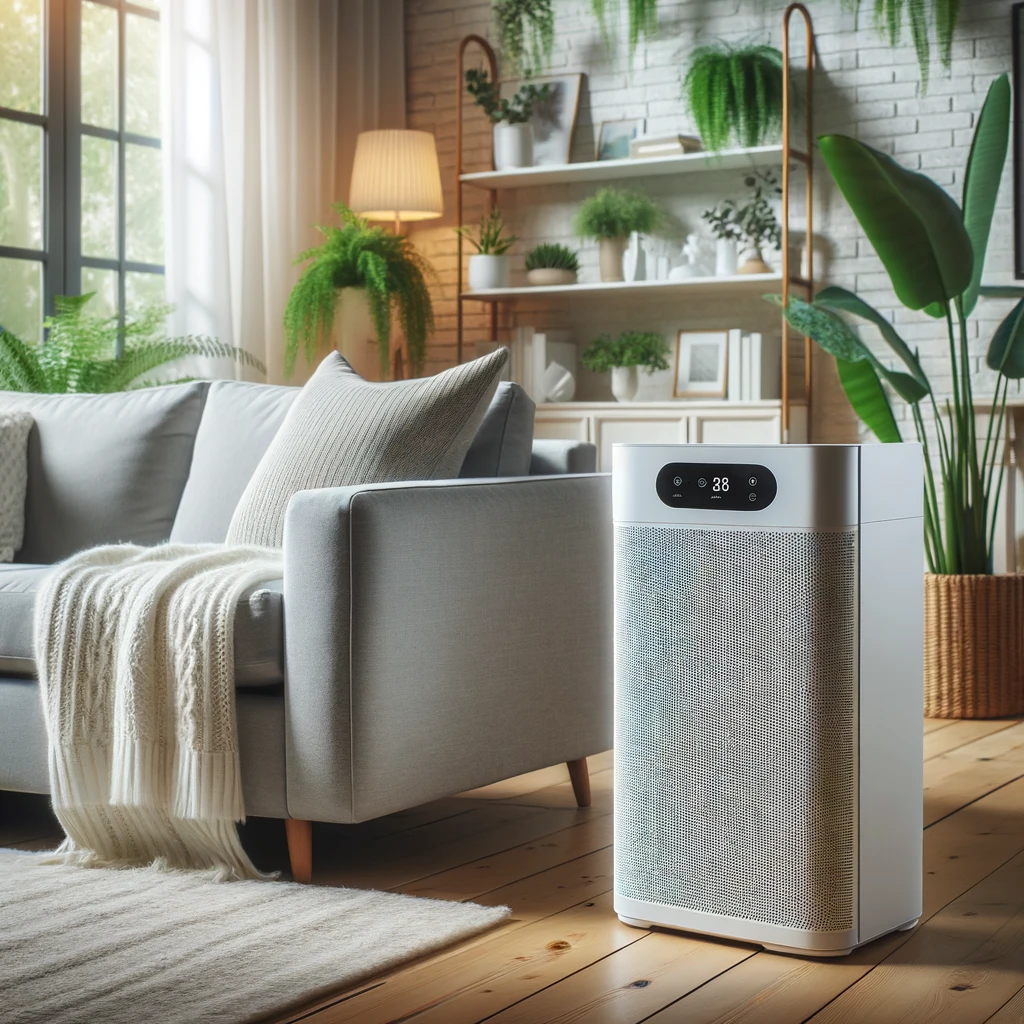
Improving indoor air quality is crucial for maintaining a healthy living environment. Poor indoor air quality can lead to various health issues, including allergies, respiratory problems, and other long-term health effects. In this guide, we will explore the pros and cons of efforts to improve indoor air quality, recommended tools for the project, comparisons, tips and tricks, FAQs, updates and future considerations, and the cost or price involved.
Pros of Improving Indoor Air Quality
Improving indoor air quality offers numerous benefits that can significantly enhance the overall quality of life. Here are some key advantages:
- Healthier Living Environment: Better air quality reduces the risk of respiratory issues, allergies, and asthma attacks, leading to overall improved health for all inhabitants. Clean air is vital for reducing exposure to indoor air pollutants, including allergens and particulate matter.
- Enhanced Comfort: Clean air contributes to a more comfortable living space, free from unpleasant odors and pollutants. Eliminating pollution from indoor air improves overall comfort and well-being.
- Increased Productivity: Good air quality can boost productivity and focus, especially important for those working from home or studying. Reduced exposure to VOCs and dust mites can lead to better cognitive function.
- Protection of Household Items: Reducing pollutants and humidity can prevent damage to furniture, electronics, and other household items. This helps in maintaining the quality of your belongings by reducing the impact of indoor air pollutants.
- Energy Efficiency: Using proper air filtration and ventilation systems can improve energy efficiency, leading to lower utility bills. Improved indoor air quality can reduce the load on HVAC systems, making them more efficient.
By addressing these aspects, you can significantly improve the indoor air quality in your home, ensuring a healthier and more comfortable environment for you and your family.
Cons of Improving Indoor Air Quality
While improving indoor air quality has many benefits, there are some potential drawbacks to consider:
- Initial Cost: Investing in high-quality air purifiers, HVAC systems, and other equipment can be expensive. The cost of devices designed to improve indoor air quality can be a barrier for some homeowners.
- Maintenance: Regular maintenance of air filters, purifiers, and HVAC systems is necessary to ensure optimal performance. This ongoing requirement can add to the overall effort and cost.
- Noise: Some air purifiers and HVAC systems can be noisy, potentially disturbing the peace in your home. While they improve air quality, the noise factor is something to consider.
- Space Requirements: Air purifiers and additional ventilation equipment can take up space, which may be an issue in smaller homes or apartments. Ensuring clean air might require rearranging your living space.
- Electricity Consumption: High-performance air purifiers and ventilation systems can increase electricity usage, leading to higher energy bills. Balancing indoor air quality improvement with energy efficiency is crucial.
Considering these factors can help you make an informed decision about the best ways to improve indoor air quality in your home.
Recommended Tools for the Project
To effectively improve indoor air quality, several tools and devices are essential. Here are some recommended tools:
- Air Purifiers: High-efficiency particulate air (HEPA) purifiers can capture 99.97% of airborne particles, including allergens, dust, and pet dander. These are crucial for reducing indoor air pollutants and ensuring clean air.
- HVAC Systems: Modern HVAC systems with advanced filtration can significantly enhance air quality by removing pollutants and maintaining optimal humidity levels. Proper HVAC maintenance is key to maintaining indoor air quality.
- Ventilation Systems: Installing exhaust fans in bathrooms and kitchens can help remove moisture and pollutants, preventing mold growth and improving air quality. Proper ventilation is essential for controlling indoor air pollutants like radon and VOCs.
- Dehumidifiers: These devices can help control humidity levels, reducing the risk of mold and mildew. Maintaining proper humidity is vital for reducing dust mites and other allergens.
- Indoor Plants: Certain plants, like spider plants and peace lilies, can naturally purify the air by absorbing pollutants. They are a natural way to improve indoor air quality and reduce VOCs.
Using these tools, you can create a comprehensive strategy to improve indoor air quality, tailored to your specific needs and budget.
Comparisons
When choosing tools and methods to improve indoor air quality, it’s important to compare different options. Here are some comparisons:
- HEPA vs. Carbon Filters: HEPA filters are effective at trapping particles, while carbon filters are better at removing odors and chemicals. Depending on your needs, you may choose one over the other or a combination of both.
- Portable Air Purifiers vs. Whole-House Systems: Portable air purifiers are great for targeting specific areas, while whole-house systems provide comprehensive coverage. Your choice will depend on the size of your home and your budget.
- Natural Ventilation vs. Mechanical Ventilation: Natural ventilation involves opening windows and doors, while mechanical ventilation uses fans and ducts. Mechanical systems are more effective but require a higher investment.
- Humidifiers vs. Dehumidifiers: Humidifiers add moisture to the air, which is beneficial in dry climates, while dehumidifiers remove excess moisture, ideal for humid environments. Both play a role in maintaining indoor air quality.
- DIY Solutions vs. Professional Installation: DIY solutions can be cost-effective but may not be as efficient as professionally installed systems. Professional installation ensures optimal performance but comes at a higher cost.
By comparing these options, you can determine the best approach to improving indoor air quality in your home.
Tips & Tricks
Improving indoor air quality doesn’t have to be complicated. Here are some tips and tricks to help you get started:
- Regularly Change Air Filters: Ensure that you change the filters in your HVAC system and air purifiers regularly to maintain their effectiveness.
- Keep Windows and Doors Closed: To prevent outdoor pollutants from entering your home, keep windows and doors closed, especially during high pollen seasons.
- Use Natural Cleaning Products: Avoid using chemical-laden cleaning products that can release volatile organic compounds (VOCs) into the air. Opt for natural alternatives instead.
- Vacuum Frequently: Regular vacuuming with a HEPA filter vacuum cleaner can help remove dust, pet dander, and other allergens from your home.
- Control Humidity Levels: Maintain humidity levels between 30-50% to prevent mold growth and dust mites. Use dehumidifiers or humidifiers as needed.
Implementing these tips can significantly improve indoor air quality, making your home a healthier place to live.
FAQs
What are the most common indoor air pollutants?
Indoor air pollutants include dust, pet dander, pollen, mold spores, tobacco smoke, and VOCs from cleaning products and building materials. Radon and particulate matter are also significant concerns.
How often should I change the filters in my air purifier?
It’s recommended to change the filters in your air purifier every 3-6 months, depending on the manufacturer’s instructions and the level of pollutants in your home.
Can indoor plants really improve air quality?
Yes, certain indoor plants can help improve air quality by absorbing pollutants and releasing oxygen. Examples include spider plants, peace lilies, and snake plants.
How can I test the air quality in my home?
You can use indoor air quality monitors to test the levels of various pollutants in your home. These devices provide real-time data on air quality and help you identify problem areas.
Is it necessary to hire a professional to improve indoor air quality?
While many improvements can be made with DIY solutions, hiring a professional ensures that your HVAC and ventilation systems are properly installed and maintained for optimal performance.
Updates and Future Considerations
The field of indoor air quality is constantly evolving with new technologies and research. Here are some updates and future considerations:
- Smart Air Purifiers: New smart air purifiers can monitor air quality in real-time and adjust settings automatically for optimal performance.
- Advanced Filtration Systems: Emerging filtration technologies, such as photocatalytic oxidation (PCO) and bipolar ionization, offer enhanced air cleaning capabilities.
- Improved Building Materials: Research is ongoing to develop building materials that emit fewer VOCs and other pollutants.
- Health Monitoring: Future smart home systems may integrate air quality monitoring with health tracking, providing personalized recommendations to improve indoor environments.
- Policy Changes: Governments and organizations are increasingly recognizing the importance of indoor air quality, leading to stricter regulations and standards.
Staying informed about these developments can help you make better decisions about improving indoor air quality in your home.
Cost or Price
The cost of improving indoor air quality can vary widely depending on the tools and methods you choose. Here’s a breakdown of potential expenses:
- Air Purifiers: High-quality air purifiers can range from $100 to $1,000 or more, depending on the size and features. Investing in air purifiers is essential for removing indoor air pollutants.
- HVAC Systems: Upgrading or installing a new HVAC system can cost between $3,000 and $7,000, including installation. Proper HVAC systems are crucial for maintaining clean air.
- Ventilation Systems: Installing a whole-house ventilation system can cost between $1,500 and $5,000, depending on the complexity and size of your home. Good ventilation is key to reducing radon and VOCs.
- Dehumidifiers: Dehumidifiers typically cost between $50 and $300, depending on the capacity and features. They are essential for controlling humidity and reducing dust mites.
- Professional Services: Hiring a professional for installation and maintenance can add to the overall cost, with service fees ranging from $100 to $500 or more. Professional installation ensures optimal performance and long-term benefits.
Investing in these tools and services can lead to significant long-term benefits, including improved health, comfort, and energy efficiency.
By following these guidelines and implementing the recommended tools and tips, you can significantly improve indoor air quality in your home, ensuring a healthier and more comfortable living environment for you and your family.