Installing a programmable thermostat is a straightforward way to manage your home’s heating and cooling systems more efficiently. By allowing you to set temperatures for different times of the day, it can significantly reduce your energy bills. This guide provides a step-by-step approach to installing a programmable thermostat, including the tools you’ll need and some helpful tips and tricks.
Pros of Installing a Programmable Thermostat
A programmable thermostat offers numerous benefits that contribute to its popularity among homeowners looking to reduce their energy consumption:
- Energy Cost Savings: By automatically adjusting the temperature when you’re asleep or away, you can save on heating and cooling without sacrificing comfort.
- Convenience: Set your temperature schedule once, and the thermostat does the rest, adjusting the temperature based on your setup.
- Improved Home Comfort: These devices help maintain a consistent temperature, eliminating the too hot or too cold spikes of manual thermostats.
- Increases HVAC Efficiency: Reducing the workload on your heating and cooling system can extend its life.
- Environmentally Friendly: Lower energy usage translates to reduced greenhouse gas emissions.
These advantages make programmable thermostats an essential tool for any energy-conscious homeowner.
Cons of Programmable Thermostats
While beneficial, there are some considerations before installing a programmable thermostat:
- Initial Cost: The upfront cost can be higher than basic thermostats.
- Complexity: Some users find programmable models more complicated to set up and program.
- Compatibility Issues: Not all systems are compatible with every programmable thermostat model.
- Overprogramming: Incorrect setup can lead to inefficient energy use, negating savings.
- Dependence on Power: Most need batteries or a power source, which can be a problem during outages.
Understanding these potential downsides can help you decide if a programmable thermostat is right for your home.
Recommended Tools for the Project
To install a programmable thermostat, you’ll need the following tools:
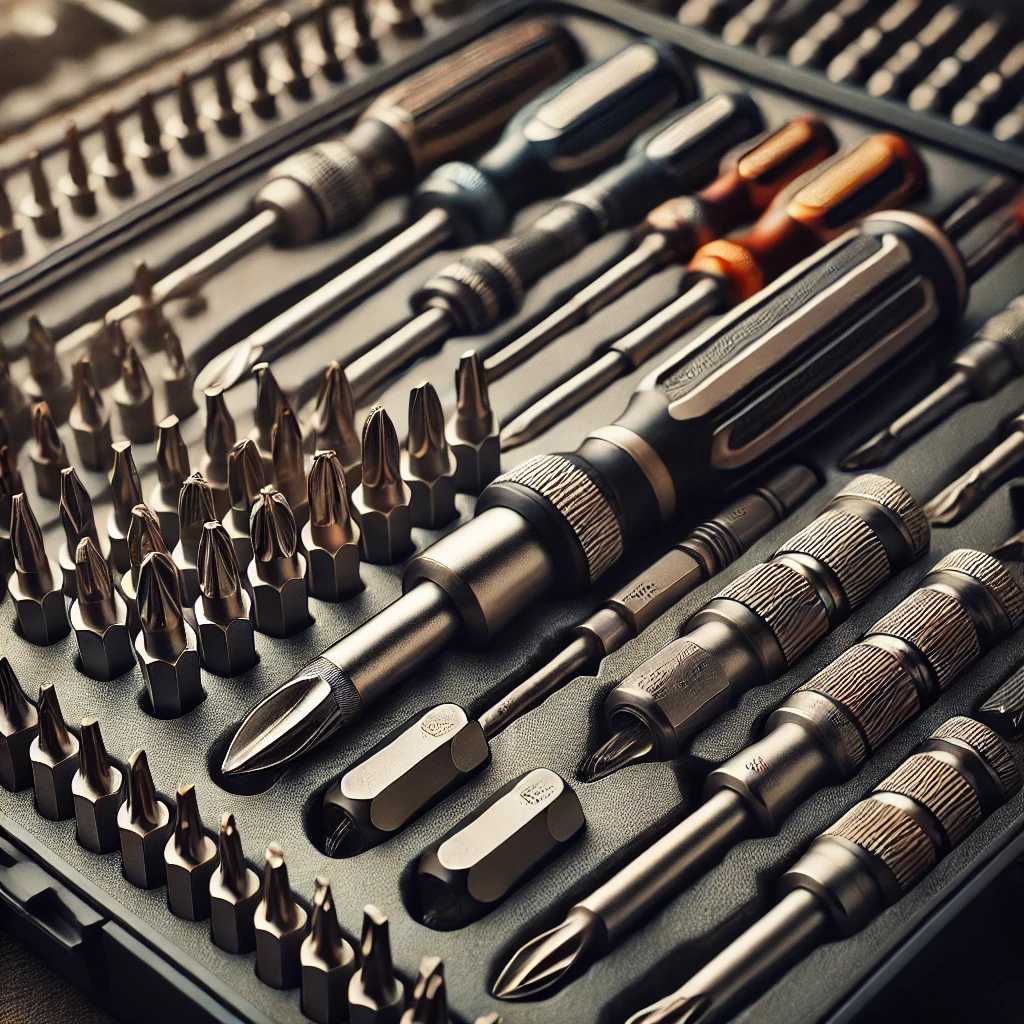
- Screwdrivers: A flathead and a Phillips head.
- Wire stripper: For preparing the thermostat connections.
- Level: To ensure the thermostat is installed straight.
- Drill: If you need to make new holes for mounting.
- Camera or Smartphone: To take pictures of the wiring before disconnecting the old thermostat.
Having the right tools will make the installation process smoother and quicker.
Comparisons to Other Thermostats
Programmable thermostats stand out when compared to their non-programmable counterparts:
- Flexibility: Unlike basic models, programmable thermostats adjust the temperature based on time settings.
- Energy Efficiency: Smart thermostats provide detailed energy usage reports, unlike simple mechanical thermostats.
- Smart Home Compatibility: Many programmable models integrate with smart home systems, which is not an option with older styles.
Choosing the right type depends on your specific needs and home setup.
Tips & Tricks for Effective Installation
Here are some useful tips to ensure successful installation and operation:
- Photograph Wiring: Before removing the old thermostat, take a picture of the wiring to reference during installation.
- Label Wires: Use the labels included with your new thermostat to mark each wire accordingly.
- Avoid Placement Near Heat Sources: Keep away from direct sunlight, drafts, doorways, windows, and furniture that can emit heat.
- Check for Updates: Make sure the firmware of the device is up-to-date to ensure optimal performance.
- Regularly Check Batteries: If your thermostat is battery-powered, check and change them as needed to avoid malfunctions.
These tips can help you maximize the efficiency and benefits of your new programmable thermostat.
FAQs
Q: How much can I save by using a programmable thermostat? A: Savings vary, but you can typically reduce your energy bills by up to 10% annually by using your thermostat’s scheduling features effectively.
Q: Is it difficult to program a thermostat? A: While programming a thermostat may seem daunting at first, most models come with user-friendly interfaces and clear instructions. Additionally, many now offer apps that guide you through the process.
Q: Can I install a programmable thermostat myself? A: Yes, most homeowners can install a programmable thermostat themselves using basic tools and following the manufacturer’s instructions. However, if you’re unsure about the wiring or compatibility with your HVAC system, consider hiring a professional.
Updates and Future Considerations
Looking forward, programmable thermostats are becoming increasingly sophisticated. Future models are expected to offer even greater customization and control, integrating more seamlessly with smart home technology and providing real-time energy consumption data. Keeping your device’s software up-to-date and staying informed about new models can help you maintain optimal energy efficiency in your home.
Cost Considerations
The cost of programmable thermostats varies depending on features and compatibility, generally ranging from $30 to $250. The initial investment can be recouped through the energy savings over time, making it a cost-effective upgrade for most households.
Conclusion
Installing a programmable thermostat is a wise choice for those looking to reduce their energy bills and increase their home comfort. By understanding the pros and cons, having the right tools, and following some simple installation tips, you can enhance your home’s energy efficiency and enjoy the benefits of modern thermostat technology.