Setting up a designated area in your home as a playroom can be a delightful addition, but whether it’s the right choice depends on various factors including space, budget, and lifestyle. In this blog, we delve into the pros and cons of having a playroom, provide tools for setting one up, compare alternatives, and offer useful tips and tricks. We’ll also explore cost considerations, answer common questions, and discuss future trends in playroom design.
Pros of Having a Playroom
A playroom can offer numerous benefits for both children and their parents. Here’s why setting one up might be a great idea:
- Dedicated Space for Play: Children have a space that’s entirely theirs, encouraging creative play and learning.
- Safety and Supervision: Playrooms can be designed to be safe environments where kids can play under watchful eyes without constant direct supervision.
- Organizational Benefits: Keeps children’s bedrooms and the rest of the house neater and more organized.
- Entertainment Value: A playroom can be a perfect spot for hosting playdates and parties.
- Educational Opportunities: Tailored to educational activities, a playroom can have educational toys, books, and space for arts and crafts.
Each of these points emphasizes the intrinsic value and potential educational impact of having a playroom.
Cons of Having a Playroom
However, there are also downsides to consider:
- Cost: Setting up a playroom can be expensive, requiring an investment in safe, durable furniture and toys.
- Space Requirements: Not every home has extra space to dedicate to a playroom.
- Maintenance: Keeping a playroom clean and organized requires regular effort.
- Underuse: As children grow, they might use the playroom less frequently.
- Limited Use of Space: The space dedicated to a playroom could potentially serve other needs.
These points highlight the potential costs and logistical challenges associated with maintaining a playroom.
Recommended Tools for Setting Up a Playroom
To create an engaging and functional playroom, consider the following tools:
- Storage Solutions: Shelving units, toy organizers, and bins are essential.
- Durable Furniture: Invest in sturdy tables and chairs that can withstand rough play.
- Safety Gear: Corner protectors, outlet covers, and gated barriers can help ensure safety.
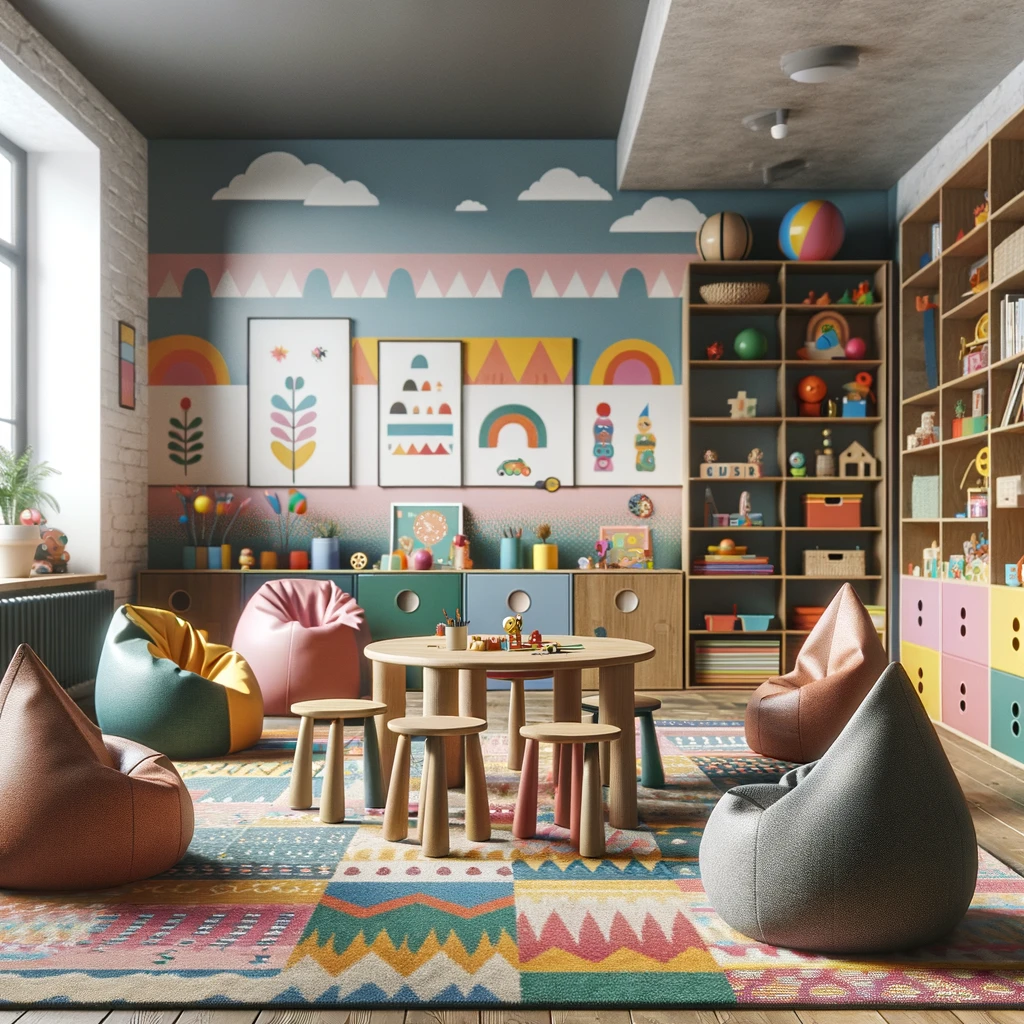
- Decorative Elements: Wall decals and colorful rugs can make the space inviting.
- Play Mats: Interlocking foam mats provide a safe and comfortable play surface.
These tools are fundamental in creating a safe and engaging playroom that will stand the test of time.
Comparisons: Playroom vs. Bedroom Play Area
- Space Utilization: Playrooms offer dedicated space without interfering with bedroom activities.
- Safety: Playrooms can be better equipped with safety features.
- Creativity: A dedicated space can be more stimulating for creative play.
- Resale Value: Homes with dedicated playrooms can be more appealing to potential buyers with families.
This comparison shows the distinct advantages of having a separate playroom over integrating play areas into children’s bedrooms.
Tips & Tricks for Designing a Playroom
- Theme: Choose a theme that excites and inspires your children.
- Flexibility: Design the room to be adaptable as your children grow.
- Interactive Elements: Include interactive elements like chalkboard walls or climbing structures.
- Lighting: Ensure there is plenty of natural and artificial light.
- Acoustic Control: Consider soundproofing materials to keep noise levels manageable.
These tips can help create a playroom that is both fun and functional, adapting to the needs of growing children.
Cost Considerations
Creating a playroom requires a budget for various expenses:
- Furniture: Budget for durable and safe furniture.
- Decorations: Consider costs for thematic decorations and educational materials.
- Maintenance: Regular maintenance and updates can also add to the overall cost.
This overview provides a realistic look at the financial commitment involved in setting up and maintaining a playroom.
Frequently Asked Questions
Q1: How much space is needed for a playroom?
- A1: Ideally, a medium-sized room, but even small spaces can be utilized effectively with the right design.
Q2: What age range benefits most from a playroom?
- A2: Typically, children from toddlers to about ten years old will get the most use out of a playroom.
Q3: Are playrooms worth the investment?
- A3: For families with young children, a playroom can be a worthwhile investment that pays dividends in child development and home organization.
Updates and Future Considerations
The concept of playrooms is evolving with technology. Future playrooms might incorporate more digital learning tools and environmentally friendly materials, reflecting ongoing trends in both technology and sustainability.