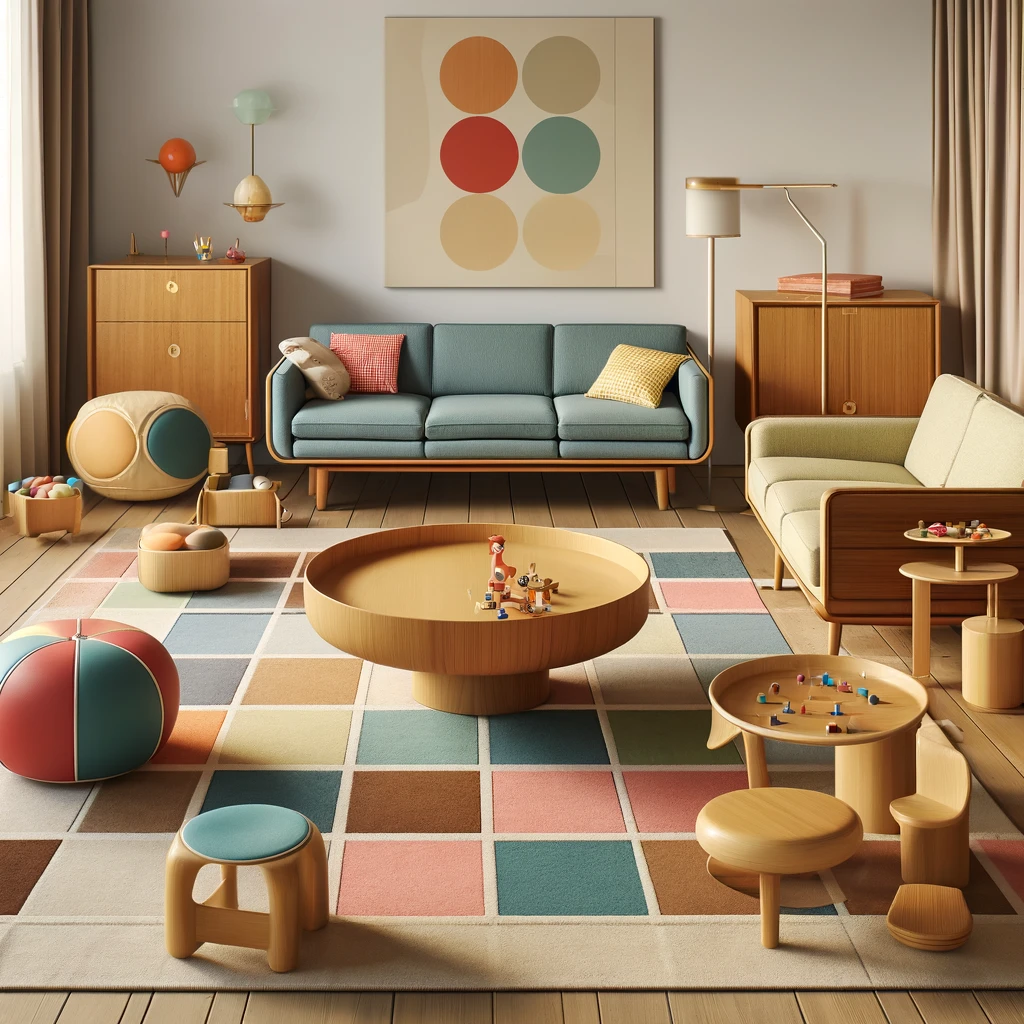
Renovating your home provides a perfect opportunity to create a kid-friendly living space. Designing areas where children can play, learn, and rest safely and comfortably is essential. This blog will explore the pros and cons, recommended tools, comparisons, tips & tricks, and FAQs on crafting a child-friendly environment in your home.
Pros
- Safety: Kid-friendly spaces prioritize safety, reducing the risk of accidents.
- Functionality: Tailored to children’s needs, these spaces can enhance their daily activities.
- Creativity: Encourages children’s imaginative play and learning.
- Resale Value: Homes with child-friendly areas can be more appealing to potential buyers.
- Inclusivity: A space for everyone, regardless of age, to enjoy together.
Creating a living space that caters to the needs of children can significantly impact their development and the overall functionality of your home.
Cons
- Cost: Initial investments can be high for child-proofing and specialized furniture.
- Maintenance: Kid-friendly spaces may require more frequent upkeep or cleaning.
- Space Constraints: Designing these areas might necessitate sacrificing other home features.
- Temporary: Children’s needs change as they grow, requiring updates to the space.
- Style Limitations: Balancing aesthetics and functionality can be challenging.
While there are downsides, the long-term benefits of a child-friendly living area often outweigh these considerations.
Recommended Tools for the Project
- Safety Locks and Gates: Essential for keeping children away from hazardous areas.
- Non-toxic Paint: Ensures a safe environment free from harmful chemicals.
- Durable Furniture: Invest in pieces that can withstand rough handling.
- Storage Solutions: To keep toys and books organized yet accessible.
- Soft Flooring: Consider rugs or mats to cushion falls and provide comfort.
Visit JBTools to find all the tools and materials needed for your renovation project.
Comparisons
- Open vs. Closed Layouts: Open plans allow monitoring children easily, while closed layouts can safely contain play areas.
- Fixed vs. Modular Furniture: Fixed furniture is stable and secure, while modular pieces offer flexibility as needs change.
- Hard vs. Soft Flooring: Hard floors are easier to clean, but soft floors are safer for play and falls.
Tips & Tricks
- Choose Washable Materials: Easy to clean surfaces save time and effort.
- Incorporate Creative Spaces: Designate areas for art and play to stimulate children’s creativity.
- Opt for Rounded Corners: Furniture and fixtures with rounded edges reduce injury risks.
- Use Bright Colors: Vibrant colors can make the space more inviting and stimulating for kids.
- Plan for Growth: Design spaces that can evolve with your child’s age and interests.
FAQs
- How can I make a living space safe for kids? Focus on minimizing hazards and providing safe play areas.
- What are the best flooring options for children? Soft, non-slip surfaces like carpet or padded mats are ideal.
- Can I maintain a stylish home while making it kid-friendly? Yes, many child-friendly designs are both functional and fashionable.
Updates and Future Considerations
Regularly review and update the living space to adapt to your child’s growing needs and safety requirements. Future-proofing your home by considering teenagers’ needs and eventual adult usage can be beneficial.
Cost Considerations
Creating a kid-friendly space involves initial investments in safety features, durable furniture, and child-appropriate materials. While costs can vary, investing in quality pieces that grow with your child can provide long-term savings.