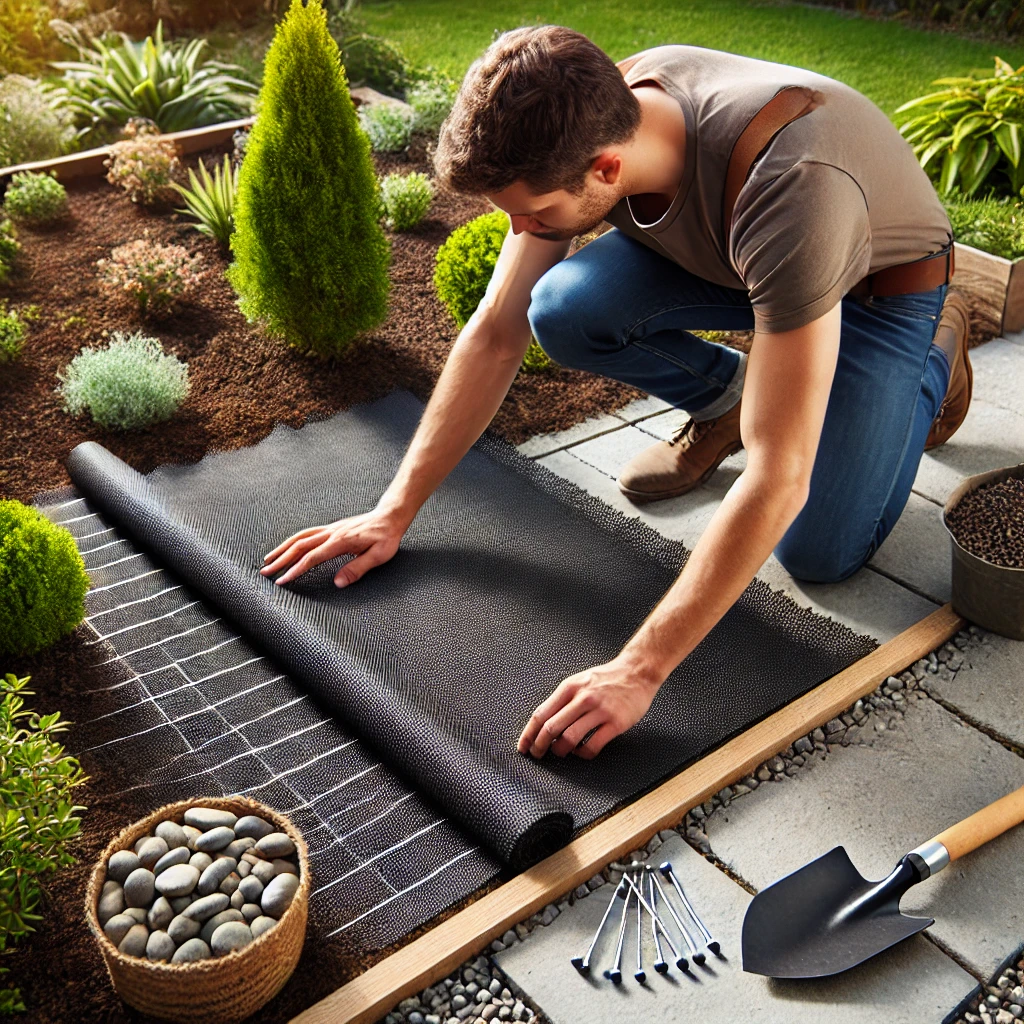
Landscape fabric, also known as weed barrier fabric, has become an essential tool for gardeners and landscapers who want to maintain a clean, weed-free, and well-managed garden. It’s made from durable materials such as polypropylene or polyester, which allow water and nutrients to reach the soil while blocking sunlight that promotes weed growth. This simple yet effective barrier prevents unwanted plants from taking over your garden beds while reducing the need for regular maintenance. Whether you’re using it under mulch, rocks, or decorative garden features, landscape fabric not only helps control weeds but also prevents soil erosion in sloped or uneven terrains. In this blog, we will explore the pros, cons, installation steps, and tips to ensure your landscape fabric serves its purpose for years to come. We’ll also discuss some of the best options on the market, including VEVOR’s heavy-duty landscape fabric, which you can learn more about by visiting their official site.
Pros of Using Landscape Fabric
- Weed Control: Landscape fabric is highly effective at preventing weed growth by blocking sunlight. When properly installed, it can significantly reduce the amount of time you spend pulling weeds.
- Soil Erosion Prevention: The fabric helps stabilize soil, reducing erosion in sloped or uneven areas. It also prevents decorative rocks or mulch from sinking into the soil.
- Water Permeability: Despite blocking weeds, landscape fabric allows water and nutrients to reach the soil. This ensures that your plants remain healthy without water pooling on the surface.
- Low Maintenance: Once installed, landscape fabric requires little to no maintenance. It reduces the need for frequent weeding or re-mulching.
- Durability: High-quality landscape fabric, such as VEVOR’s heavy-duty fabric, lasts for years. It’s designed to withstand outdoor elements, making it a reliable long-term solution.
Cons of Using Landscape Fabric
- Initial Cost: Quality landscape fabric can be more expensive upfront than traditional weed control methods. However, its durability makes it a long-term investment.
- Labor-Intensive Installation: Installing landscape fabric requires clearing the area of debris, leveling the soil, and securing the fabric with pins. This can be time-consuming, especially for larger areas.
- Not a Permanent Solution: Over time, weeds may begin to grow through the fabric, especially if it’s not properly maintained. Roots can also penetrate the fabric, which might require repairs.
- Water Flow Issues: While landscape fabric is designed to allow water through, excessive debris or mulch can block water flow, leading to water retention issues.
- Degradation Over Time: Depending on the material, landscape fabric may degrade due to UV exposure, requiring replacement.
Recommended Tools for the Project
Installing landscape fabric requires a few essential tools to ensure efficiency and longevity. Here’s a list of recommended tools you’ll need for this project. For more options, visit this tool guide.
- Garden Shovel: To clear debris and level the soil.
- Utility Knife: For cutting the fabric to size.
- Landscape Pins: To secure the fabric in place.
- Measuring Tape: To measure the area accurately before cutting the fabric.
- Mulch or Decorative Rocks: These will cover the fabric and enhance your landscape’s aesthetic.
Necessary Steps (1-10)
- Clear the Area: Remove any existing weeds, rocks, and debris.
- Level the Soil: Use a rake or shovel to level the soil for even fabric installation.
- Cut the Fabric to Size: Measure the area, then use a utility knife to cut the landscape fabric.
- Lay the Fabric: Place the fabric over the soil, ensuring it lies flat.
- Overlap Seams: If you’re covering a large area, overlap the fabric by at least 6 inches to prevent weeds from growing between seams.
- Secure the Fabric: Use landscape pins every 12-18 inches along the edges and in the middle.
- Cut Slits for Plants: If you’re planting in the area, cut slits in the fabric where each plant will go.
- Cover with Mulch or Rocks: Spread a 2-3 inch layer of mulch or decorative rocks over the fabric to weigh it down and improve the appearance.
- Check Water Drainage: Ensure water can pass through the fabric easily.
- Regular Maintenance: Occasionally check for weed growth and remove any that break through the fabric.
Comparisons: Types of Landscape Fabric
There are several types of landscape fabric available, each designed for different landscaping needs:
- Woven Landscape Fabric: Ideal for flower beds, this fabric is flexible and allows water and nutrients to pass through.
- Non-Woven Landscape Fabric: Commonly used in commercial projects, this fabric is more durable but less permeable.
- Perforated Fabric: Best for areas requiring maximum water drainage while still preventing weeds.
- Spun-Bonded Fabric: A heavy-duty option perfect for high-traffic areas or where soil stabilization is crucial.
Tips & Tricks
- Pre-treat for Weeds: For heavily weeded areas, consider applying an herbicide before laying the fabric to prevent regrowth.
- Pin Strategically: Place pins generously, especially around the edges, to keep the fabric in place.
- Re-mulch Yearly: While landscape fabric lasts for years, you should refresh the mulch annually to maintain aesthetics.
- Choose the Right Fabric for Your Needs: For flower beds, opt for woven fabric, but for heavier-duty projects like retaining walls, use spun-bonded fabric.
- Monitor for Wear: Check the fabric periodically, especially around seams and plant slits, to prevent weed growth.
FAQs
How long does landscape fabric last?
Quality landscape fabric can last up to 10 years, depending on environmental conditions and maintenance.
Can I reuse landscape fabric?
Yes, if it’s still in good condition, you can reuse landscape fabric when redoing areas of your landscape.
Does landscape fabric work under gravel?
Yes, it’s commonly used under gravel to prevent soil from mixing with the stones and to reduce weed growth.
Do I need to replace it frequently?
No, if installed correctly, you shouldn’t need to replace it for several years.
Can weeds grow through landscape fabric?
Over time, some weeds may grow through fabric, especially if the material degrades or if not properly maintained.
Updates and Future Considerations
As technology advances, landscape fabrics are becoming more eco-friendly. Biodegradable fabrics made from natural fibers are now available, offering an alternative to synthetic materials. Keep an eye on advancements in landscape fabric technology for more sustainable options that meet your gardening needs while protecting the environment.
Cost or Price
The price of landscape fabric varies depending on the material and thickness. Basic woven fabric starts at around $0.40 per square foot, while heavy-duty options like VEVOR’s landscape fabric can cost upwards of $1 per square foot. Although the upfront cost may seem high, the long-term benefits—like reduced weeding and soil erosion—make it a cost-effective investment. Learn more about VEVOR’s heavy-duty landscape fabric here.
Landscape fabric is a versatile and efficient tool for maintaining a weed-free garden while controlling soil erosion. By understanding the pros, cons, and the right type of fabric for your project, you can significantly reduce your maintenance efforts and keep your landscape looking pristine. While it requires an upfront investment, the benefits of using durable landscape fabric, such as VEVOR’s heavy-duty options, make it well worth the cost. With the proper tools and installation, your garden will enjoy years of protection and beauty.