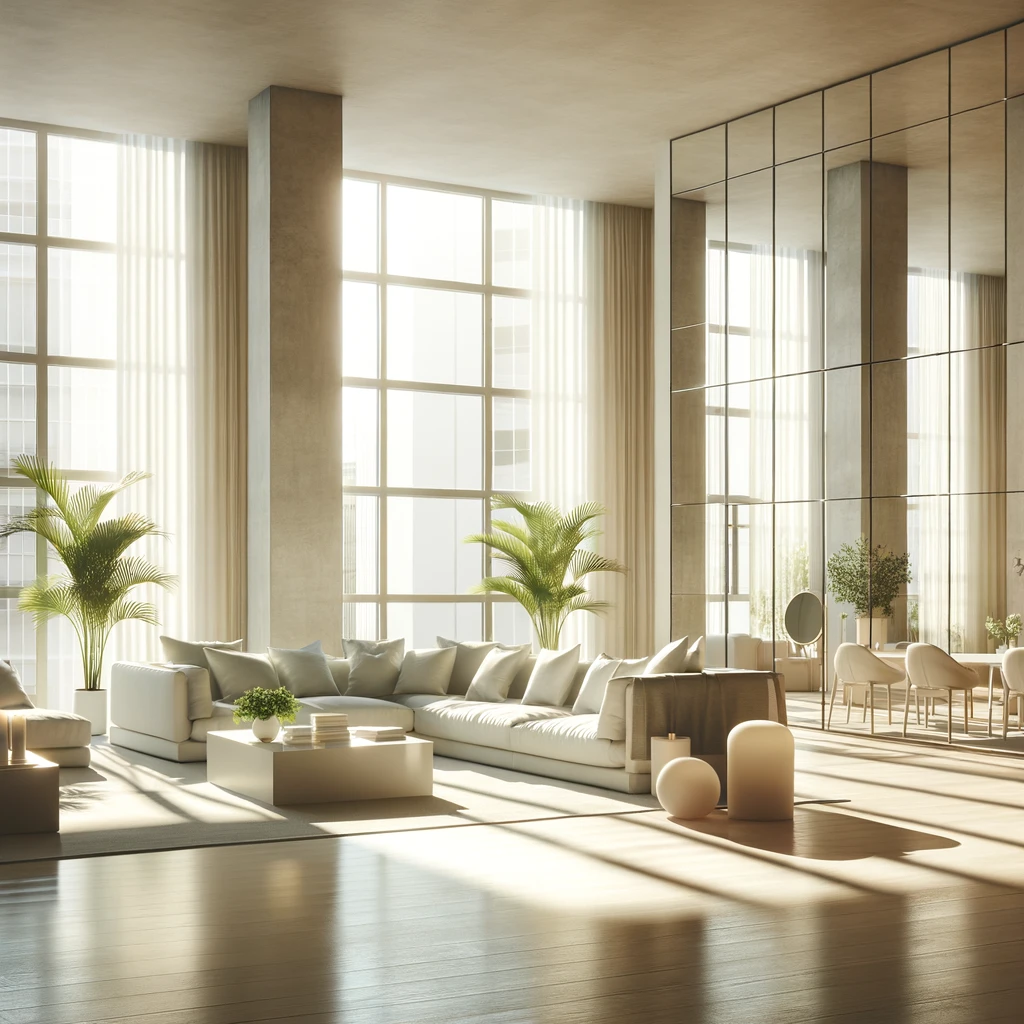
Natural light can transform a space, making it feel larger, more open, and welcoming. When renovating your home, considering how to maximize natural light not only enhances the aesthetics but also improves energy efficiency and your overall wellbeing. This blog will guide you through the benefits and drawbacks of enhancing natural light, recommend tools for the project, provide comparisons, offer tips and tricks, answer FAQs, and discuss future considerations.
Pros
- Enhanced Aesthetics: Natural light can make rooms appear more spacious and vibrant.
- Energy Savings: More sunlight reduces the need for artificial lighting during the day, lowering electricity costs.
- Health Benefits: Exposure to natural light boosts vitamin D levels and improves mood.
- Increased Home Value: Homes with abundant natural light are more appealing to buyers.
- Environmental Impact: Using less artificial light helps reduce your carbon footprint.
Maximizing natural light through strategic renovations not only elevates the look of your home but also contributes to energy savings and health benefits, making it a valuable upgrade for any homeowner.
Cons
- Privacy Issues: Large windows may affect your home’s privacy.
- Overheating: Too much natural light can increase indoor temperatures.
- Fading: Sunlight can fade furniture and fabrics.
- Higher Initial Cost: Installing new windows or skylights can be expensive.
- Structural Changes: Maximizing light might require significant changes to your home’s structure.
While natural light has many benefits, potential drawbacks such as privacy concerns and the risk of overheating should be carefully considered during planning stages.
Recommended Tools for the Project
- Light Meter: To measure light levels before and after renovations.
- Quality Drill: For installing window frames and skylights.
- Laser Level: Ensures straight, level installation of windows and solar tubes.
- Heat Gun: Helpful for window tinting to control light intensity.
- Caulking Gun: Essential for sealing windows and preventing drafts.
Using the right tools can streamline the installation process and ensure that your enhancements are both effective and visually appealing.
Comparisons
- Skylights vs. Solar Tubes: Skylights offer more light but are more intrusive, whereas solar tubes provide ample light with minimal structural changes.
- Double-Hung Windows vs. Casement Windows: Double-hung windows are traditional and easier to clean, while casement windows offer better ventilation and light.
- Tinted Glass vs. Clear Glass: Tinted glass reduces glare and heat, whereas clear glass maximizes light entry.
- Manual vs. Automated Blinds: Automated blinds offer convenience and can be programmed based on sunlight, while manual blinds are more affordable.
Tips & Tricks
- Use Mirrors: Place mirrors opposite windows to reflect light deeper into rooms.
- Light Colors: Paint walls in light colors to enhance the brightness of natural light.
- Translucent Curtains: Use light, airy fabrics for curtains to allow more light while maintaining privacy.
- Strategic Furniture Placement: Position furniture to avoid blocking windows and to maximize light distribution.
- Window Maintenance: Keep windows clean to maximize light penetration.
Simple changes like using mirrors effectively and choosing the right curtains can greatly enhance the natural light in your home without major renovations.
FAQs
How do I determine where to add more windows? Start by observing which rooms receive the least daylight, then consult a professional to discuss potential for new windows based on your home’s orientation and design.
What is the best type of glass for maximizing light while maintaining energy efficiency? Low-emissivity (low-E) glass is ideal as it allows light in while reflecting heat, maintaining a balanced indoor temperature.
Can I maximize light without adding new windows? Yes, consider installing light tubes, using reflective materials, and choosing lighter paint colors to enhance existing natural light.
Are there smart home products that can help manage natural light? Yes, automated blinds and smart glass windows can adjust transparency and shading based on sunlight levels automatically.
Updates and Future Considerations
Stay updated with the latest in smart home technology and materials science. Future products may offer even more efficient ways to maximize natural light while enhancing functionality and style. Keeping an eye on innovations can provide opportunities to upgrade your renovations with the latest advancements.
Cost Considerations
While the initial costs of maximizing natural light can be high, particularly if structural changes are involved, the long-term savings on energy bills and the potential increase in property value can offset these expenses. Budgeting for quality materials and professional installation can maximize the durability and effectiveness of your renovations.