Whether you’re tackling a home renovation project, cleaning up after a flood, or simply maintaining your workshop, a wet/dry vacuum is an essential tool. These vacuums offer the flexibility to handle both liquid spills and dry debris, making them invaluable for various tasks. If you’re considering adding one to your tool collection, this blog will guide you through the pros and cons, necessary tools, steps, comparisons, and much more.
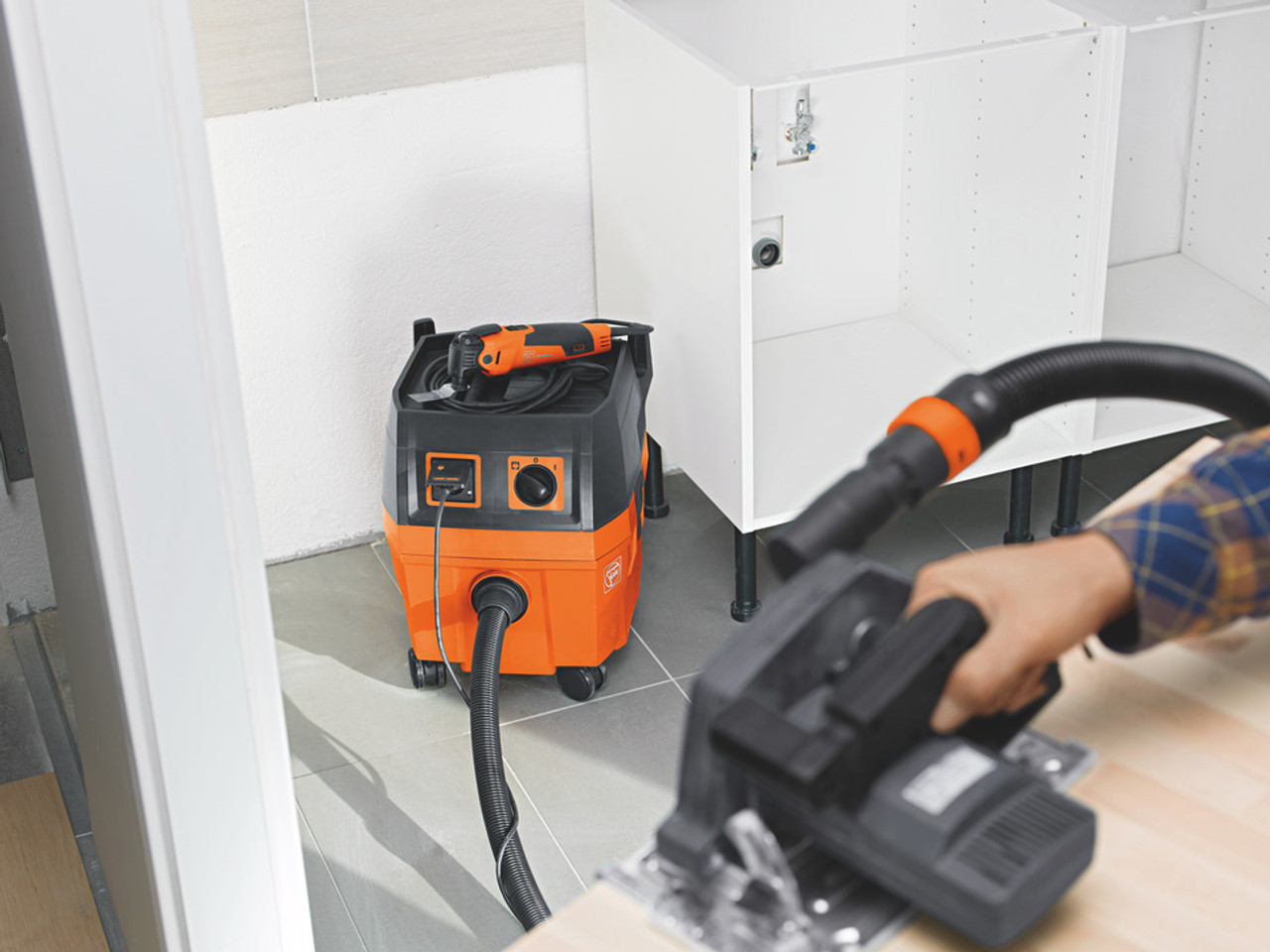
One highly recommended option is the Fein Turbo I HEPA Wet/Dry Dust Extractor Comprehensive Set. For more information or to inquire about purchasing, visit this link.
Pros of a Wet/Dry Vacuum
Wet/dry vacuums come with a host of advantages that make them a must-have for both homeowners and professionals. Here are some of the key benefits:
- Versatility: Wet/dry vacuums are designed to handle both wet and dry messes. This makes them perfect for cleaning up spills, removing dust, and even unclogging drains.
- Powerful Suction: These vacuums offer robust suction power, making them ideal for heavy-duty tasks like cleaning up after construction work or large spills.
- Durability: Built with sturdy materials, wet/dry vacuums are designed to withstand rough use in various environments, including workshops and construction sites.
- Portability: Many models, like the Fein Turbo I HEPA, come with wheels and lightweight designs, making them easy to move around your workspace.
- HEPA Filtration: The Fein Turbo I HEPA model features a high-efficiency particulate air (HEPA) filter, ensuring that even the smallest particles are captured, making it ideal for allergy sufferers.
By incorporating these benefits into your decision-making process, you can see why a wet/dry vacuum is a worthy investment for any cleaning or maintenance task.
Cons of a Wet/Dry Vacuum
While wet/dry vacuums are incredibly versatile, there are some drawbacks to consider:
- Noise Level: Wet/dry vacuums tend to be noisier than standard vacuums, which can be an issue in residential areas.
- Size and Storage: These vacuums are often bulkier and require more storage space, which may not be ideal for those with limited space.
- Maintenance: The filters and other components require regular maintenance to ensure optimal performance, which can be time-consuming.
- Cost: Higher-end models, like the Fein Turbo I HEPA, can be expensive, but they often offer superior performance and durability.
- Limited Use on Delicate Surfaces: Wet/dry vacuums can be too powerful for delicate surfaces, potentially causing damage if not used carefully.
Considering these factors will help you weigh the pros and cons to decide if a wet/dry vacuum is the right tool for your needs.
Recommended Tools for the Project
When using a wet/dry vacuum, especially for more complex tasks, having the right tools on hand is crucial. Here are some recommended tools:
- Extension Wands: These allow you to reach high or tight spaces without straining.
- Crevice Tools: Perfect for cleaning narrow spaces, such as between couch cushions or car seats.
- Floor Nozzles: Essential for vacuuming large floor areas quickly and efficiently.
- Dust Bags: Using disposable dust bags can help maintain the vacuum’s performance and make cleaning up easier.
- Additional Filters: Keeping extra filters on hand ensures that your vacuum continues to operate effectively, especially when switching between wet and dry tasks.
For more tools and equipment that can complement your wet/dry vacuum, visit this link.
Necessary Steps: How to Use a Wet/Dry Vacuum
Here’s a step-by-step guide to using your wet/dry vacuum effectively:
- Choose the Right Attachment: Start by selecting the appropriate attachment for the task, whether it’s a crevice tool for tight spaces or a floor nozzle for large areas.
- Prepare the Area: Clear the area of any large debris that might clog the vacuum.
- Switch to Wet Mode (if needed): If you’re dealing with liquid spills, switch the vacuum to wet mode. Make sure to remove any dust bags and use the appropriate filter.
- Begin Vacuuming: Start from one end of the room and work your way across, overlapping each pass to ensure thorough cleaning.
- Empty the Tank Regularly: To maintain suction power, empty the tank before it becomes too full.
- Use the Blower Function (if available): For areas that need a quick sweep, use the blower function to clear dust and debris.
- Switch Back to Dry Mode: After cleaning up liquid spills, switch the vacuum back to dry mode for any remaining dry debris.
- Clean the Filters: After use, clean or replace the filters to prevent clogs and maintain the vacuum’s efficiency.
- Store Properly: Coil the hose and store the vacuum in a dry, accessible location.
- Regular Maintenance: Periodically check the vacuum for any signs of wear and tear, and perform maintenance as needed.
By following these steps, you can ensure that your wet/dry vacuum performs optimally and lasts for years.
Comparisons: Wet/Dry Vacuum vs. Regular Vacuum
When deciding between a wet/dry vacuum and a regular vacuum, consider the following:
- Functionality: Wet/dry vacuums can handle liquids and solids, whereas regular vacuums are typically limited to dry debris.
- Suction Power: Wet/dry vacuums often offer more powerful suction, making them suitable for heavy-duty tasks.
- Versatility: While regular vacuums are ideal for everyday cleaning, wet/dry vacuums can be used in a variety of settings, from homes to construction sites.
- Size: Wet/dry vacuums are generally larger and heavier, which may not be convenient for small apartments or light cleaning tasks.
- Cost: Regular vacuums are typically less expensive, but they lack the versatility and power of wet/dry vacuums.
Understanding these differences can help you choose the right vacuum for your needs.
Tips & Tricks
Here are some useful tips for getting the most out of your wet/dry vacuum:
- Use HEPA Filters: If you suffer from allergies, invest in a vacuum with a HEPA filter to trap fine particles.
- Regularly Check Seals: Ensure that all seals and connections are tight to maintain suction power.
- Utilize the Blower Function: For outdoor cleaning tasks, the blower function can save time and effort.
- Keep Extra Filters Handy: Always have extra filters on hand, especially if you frequently switch between wet and dry tasks.
- Practice Proper Storage: Store your vacuum in a dry place to prevent rust and prolong its lifespan.
These tips will help you maximize the efficiency and longevity of your wet/dry vacuum.
FAQs
What is a wet/dry vacuum used for?
A wet/dry vacuum is a versatile tool designed to handle both liquid spills and dry debris. It’s commonly used in workshops, construction sites, and for home cleaning tasks where a standard vacuum might not suffice.
Can I use a wet/dry vacuum to clean my car?
Yes, wet/dry vacuums are excellent for cleaning vehicles. They can easily remove dirt, debris, and even spilled liquids from car interiors.
How do I maintain my wet/dry vacuum?
Regular maintenance involves cleaning the filters, emptying the tank, and checking for any clogs or damage. It’s also essential to store the vacuum properly to avoid wear and tear.
Is a wet/dry vacuum noisy?
Wet/dry vacuums tend to be louder than regular vacuums due to their powerful motors. However, newer models are designed with noise reduction features.
Can I vacuum both water and dirt at the same time?
It’s best to vacuum liquids and solids separately to prevent clogging and maintain the vacuum’s performance.
Updates and Future Considerations
Wet/dry vacuums are continuously evolving, with new models offering enhanced features like quieter operation, more efficient HEPA filters, and improved portability. As technology advances, we can expect even more powerful and user-friendly models. For the latest updates on wet/dry vacuums and other essential tools, keep an eye on trusted sources and consider upgrading your equipment as new models become available.
Cost or Price
The cost of a wet/dry vacuum can vary widely depending on the model and features. For example, the Fein Turbo I HEPA Wet/Dry Dust Extractor is priced higher due to its advanced filtration system and robust build quality. While this might be a significant investment, the long-term benefits of owning a reliable and powerful vacuum often justify the cost. When considering price, factor in the vacuum’s versatility, durability, and performance to make an informed decision.
For those interested in purchasing the Fein Turbo I HEPA Wet/Dry Dust Extractor, visit this link to inquire about availability and pricing.
Conclusion
A wet/dry vacuum is a versatile and powerful tool that can handle a wide range of cleaning tasks. By understanding the pros and cons, following the necessary steps, and considering the cost, you can make an informed decision about whether this tool is right for you. Remember to explore different models, like the Fein Turbo I HEPA Wet/Dry Dust Extractor, and ensure you have the necessary tools to maximize its effectiveness.