Your cart is currently empty!
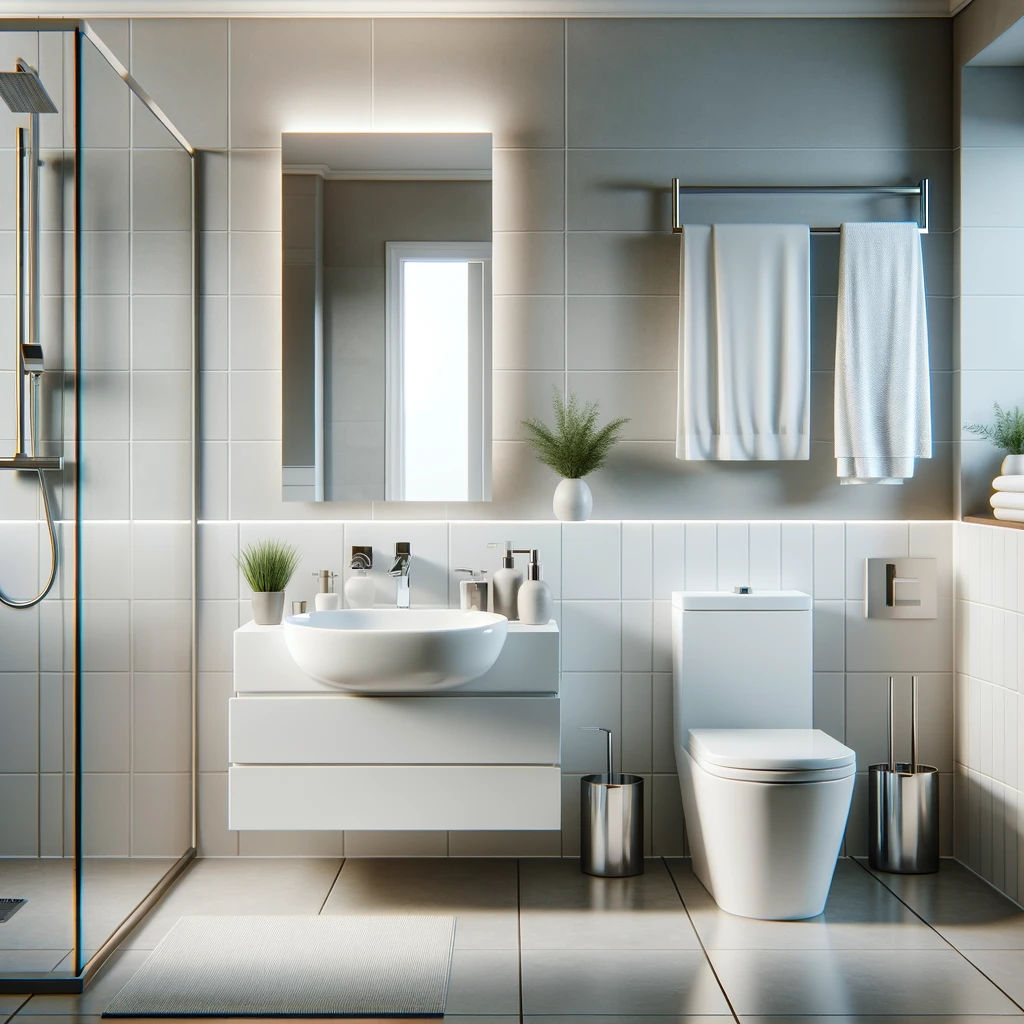
Plumbing problems are a common nuisance in every household. From leaky faucets to clogged drains, these issues can disrupt daily life and lead to significant damage if not addressed promptly. In this guide, we will provide practical solutions for quick fixes for common plumbing problems. You’ll find easy-to-follow instructions, recommended tools, and tips to help you tackle these issues efficiently.
Pros of Quick Fixes for Common Plumbing Problems
Addressing plumbing problems quickly offers several benefits:
- Cost-Effective Solutions: Quick fixes often require minimal tools and materials, saving you money on professional services.
- Time-Saving: Simple repairs can be done in a short amount of time, allowing you to get back to your daily routine faster.
- Prevents Further Damage: Immediate attention to minor issues can prevent them from escalating into more severe and costly problems.
- Improves Household Efficiency: Properly functioning plumbing fixtures improve the overall efficiency of your household.
- Self-Reliance: Learning to handle basic plumbing repairs empowers you to take care of your home independently.
By addressing common plumbing problems promptly, you not only save money but also gain the satisfaction of solving issues on your own.
Cons of Quick Fixes for Common Plumbing Problems
While quick fixes can be beneficial, there are also some drawbacks to consider:
- Temporary Solutions: Quick fixes may not address the root cause of the problem, leading to recurring issues.
- Potential for Mistakes: Without proper knowledge or tools, you might make mistakes that worsen the problem.
- Limited to Simple Issues: Complex plumbing problems often require professional intervention, and quick fixes might not be sufficient.
- Safety Concerns: Some plumbing issues, such as gas leaks, can be dangerous and should be handled by professionals.
- Risk of Voiding Warranties: DIY repairs might void warranties on certain fixtures or appliances.
It’s important to recognize the limitations of quick fixes and know when to call a professional to avoid potential hazards and long-term damage.
Recommended Tools for the Project
Having the right tools is crucial for effective plumbing repairs. Here are some essential tools for quick fixes for common plumbing problems:
- Pipe Wrench: Ideal for gripping and turning pipes and fittings.
- Plunger: Essential for unclogging toilets and drains.
- Adjustable Wrench: Versatile tool for various plumbing tasks.
- Plumber’s Tape: Also known as Teflon tape, it helps seal pipe threads and prevent leaks.
- Pipe Cutter: Used for cutting pipes to the required length.
- Plumber’s Snake: Useful for clearing stubborn clogs in drains and pipes.
- Bucket and Towels: Handy for catching water spills and keeping the area dry.
Equipping yourself with these tools ensures you’re prepared to tackle most common plumbing issues efficiently.
Comparisons
Understanding the differences between various plumbing solutions can help you choose the best approach for each problem. Here are some comparisons:
- Chemical Drain Cleaners vs. Plumber’s Snake:
- Chemical Drain Cleaners: Quick and easy to use but can be harsh on pipes and the environment.
- Plumber’s Snake: Effective for stubborn clogs without damaging pipes.
- DIY Repairs vs. Professional Services:
- DIY Repairs: Cost-effective and convenient for simple issues.
- Professional Services: Necessary for complex or hazardous problems, ensuring thorough and safe repairs.
- Plastic vs. Metal Pipes:
- Plastic Pipes: Lightweight, resistant to corrosion, and easier to install.
- Metal Pipes: Durable and can handle high-pressure systems but may corrode over time.
- Compression Fittings vs. Soldered Joints:
- Compression Fittings: Easy to install and remove, suitable for DIY repairs.
- Soldered Joints: Strong and permanent, often used by professionals for long-lasting connections.
Choosing the right solution depends on the specific plumbing issue and your level of expertise.
Tips & Tricks
Here are some practical tips and tricks to help you handle quick fixes for common plumbing problems more effectively:
- Regular Maintenance: Perform routine checks on your plumbing system to catch issues early.
- Know the Shut-Off Valves: Familiarize yourself with the location of shut-off valves to quickly stop water flow in case of leaks.
- Use Natural Solutions: For minor clogs, try using baking soda and vinegar before resorting to chemical cleaners.
- Keep Spare Parts: Having spare washers, O-rings, and other small parts can save time during repairs.
- Label Pipes: Labeling hot and cold water pipes can prevent mistakes during repairs.
- Insulate Pipes: Insulate exposed pipes to prevent freezing and bursting in cold weather.
- Document Repairs: Keep a record of repairs and maintenance to track recurring issues and solutions.
These tips can help you manage plumbing issues more efficiently and prevent future problems.
FAQs (Frequently Asked Questions)
Q1: What should I do if I have a leaky faucet?
A: First, turn off the water supply to the faucet. Then, disassemble the faucet to identify the worn-out part, usually a washer or O-ring. Replace the faulty component and reassemble the faucet. This should stop the leak. If the problem persists, consider calling a professional.
Q2: How can I prevent clogs in my drains?
A: Regularly clean your drains by flushing them with hot water and using a mixture of baking soda and vinegar. Avoid pouring grease, hair, or large food particles down the drain. Use drain covers to catch debris and clean them regularly.
Q3: What causes low water pressure in my home?
A: Low water pressure can be caused by various factors, including clogged pipes, a faulty pressure regulator, or issues with the municipal water supply. Check for visible leaks and clean aerators on faucets. If the problem persists, contact your local water utility or a plumber.
Q4: How do I fix a running toilet?
A: A running toilet is often due to a faulty flapper or fill valve. Check the flapper for wear and replace it if necessary. Adjust the float to ensure the tank fills to the correct level. If these steps don’t resolve the issue, you might need to replace the fill valve.
Q5: Is it safe to use chemical drain cleaners?
A: Chemical drain cleaners can be effective for minor clogs but should be used sparingly. They can damage pipes, harm the environment, and pose health risks if not handled properly. Consider using a plumber’s snake or natural solutions as safer alternatives.
Updates and Future Considerations
As plumbing technology evolves, new solutions and tools are continually being developed. Here are some future considerations:
- Smart Plumbing Systems: Innovations like smart leak detectors and automated shut-off valves can help prevent water damage and save on repairs.
- Eco-Friendly Products: Environmentally friendly plumbing products, such as low-flow fixtures and water-saving devices, can reduce water consumption and lower utility bills.
- Improved Materials: Advances in plumbing materials, such as corrosion-resistant pipes and durable fittings, offer longer-lasting solutions.
- Professional Training: Ongoing training and certification programs for plumbers ensure they stay updated with the latest techniques and technologies.
- Regulations and Codes: Keeping abreast of changes in plumbing codes and regulations ensures compliance and safety.
Staying informed about these advancements can help you make better decisions for your plumbing system.
Cost or Price
The cost of fixing common plumbing problems varies based on the complexity of the issue and whether you choose to DIY or hire a professional. Here’s a breakdown:
- DIY Repairs:
- Tools and Materials: Basic tools and materials can cost between $20 and $100.
- Replacement Parts: Small parts like washers and O-rings are generally inexpensive, ranging from $1 to $10 each.
- Professional Services:
- Service Call Fee: Plumbers typically charge a service call fee, which can range from $50 to $150.
- Hourly Rates: Plumbers charge an hourly rate, usually between $50 and $200, depending on the region and complexity of the job.
- Parts and Materials: The cost of parts and materials will be added to the service fee, varying based on the specific repair needed.
While DIY repairs are cost-effective for simple issues, hiring a professional ensures thorough and safe repairs for more complex problems.
Total Home Handbook: Your ultimate guide to seamless living. From DIY hacks to interior design tips, we empower homeowners with knowledge for every corner of their abode. Welcome to your home’s trusted companion.