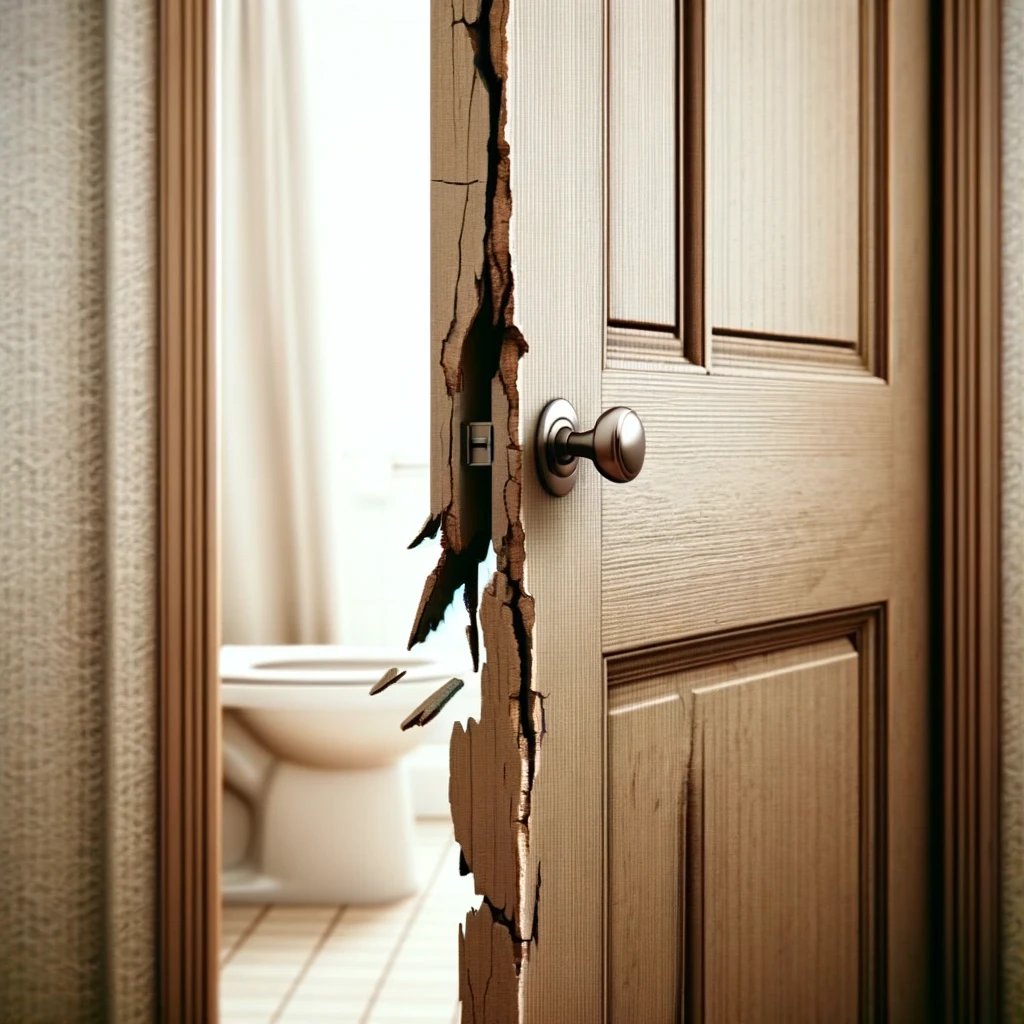
Experiencing issues with your bathroom door? Whether it’s a squeaky hinge, a sticking door, or damage from moisture, a malfunctioning bathroom door can be a nuisance. This blog provides a straightforward guide on how to repair a bathroom door efficiently and effectively. We’ll cover the advantages and disadvantages of undertaking this project yourself, the tools you’ll need, comparison of methods, and essential tips and tricks. Plus, we answer some common FAQs, look into cost considerations, and discuss future maintenance to keep your door functioning smoothly for years to come.
Pros of Repairing a Bathroom Door
- Cost-Effective: Repairing a bathroom door yourself can save you the expense of hiring a professional.
- Customization: DIY repair allows you to enhance or customize your door as you see fit.
- Immediate Solution: Address issues immediately without waiting for professional availability.
- Skill Building: Develop your DIY skills for future home improvement projects.
- Satisfaction: There’s a personal satisfaction in fixing problems in your own home.
Repairing a bathroom door yourself can be highly rewarding, giving you not only a functional improvement but also a sense of accomplishment.
Cons of Repairing a Bathroom Door
- Time Consuming: The repair might take significant time, especially for beginners.
- Potential for Mistakes: Without proper skills, you might make errors that could worsen the damage.
- Tool Requirements: You may need to purchase specific tools.
- Physical Effort: Some repairs can be physically demanding.
- Temporary Fix: Without professional skills, some fixes might only be temporary.
While DIY repairs can be appealing, they come with challenges that might deter some homeowners.
Recommended Tools for the Project
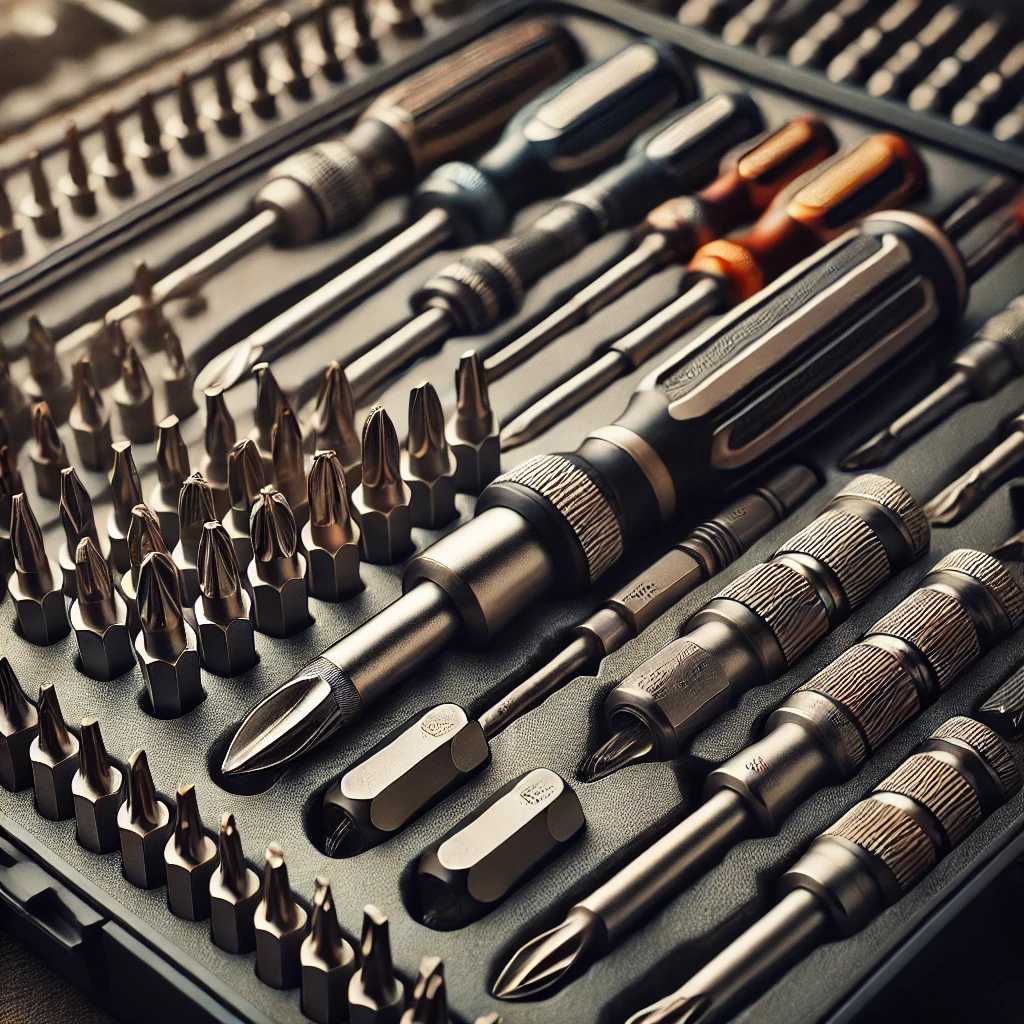
- Screwdriver Set: Essential for tightening or replacing hinges.
- Wood Filler: For patching holes or cracks in wooden doors.
- Sandpaper: To smooth out the wood filler and prepare the surface for painting.
- Paint and Brush: To refresh the door’s appearance after repairs.
- Level and Tape Measure: For ensuring the door is properly aligned.
Having the right tools is crucial to successfully repair a bathroom door and achieve a professional-looking finish.
Comparisons of Repair Methods
- DIY vs. Professional Help: DIY can save money, but professionals bring expertise.
- Wood Filler vs. Replacement: Wood filler can fix small imperfections, but severe damage might require replacing parts of the door.
- Paint vs. Stain: Paint offers more color choices and hides flaws, while stain showcases the wood’s natural beauty.
Understanding the differences in repair methods helps in choosing the right approach for your door’s condition and your skill level.
Tips & Tricks for Repairing a Bathroom Door
- Check the Hinges: Loose hinges are a common cause of door issues.
- Adjust the Strike Plate: If the door isn’t latching, adjusting the strike plate can often resolve the issue.
- Sealant for Moisture: Apply a waterproof sealant to prevent future water damage.
- Regular Maintenance: Regularly check and tighten hardware to avoid major repairs.
- Quality Materials: Use high-quality materials for repairs to ensure longevity.
These tips can help streamline the repair process and prevent future issues with your bathroom door.
FAQs
Q: How much does it typically cost to repair a bathroom door?
A: The cost can vary widely based on the extent of the damage and the materials used, but a basic DIY repair often ranges from $20 to $50 for materials like paint and filler.
Q: Can I repair a swollen door?
A: Yes, swollen doors can often be fixed by adjusting the hinges and sanding down the affected areas to ensure a smooth close.
Q: What should I do if my bathroom door keeps sticking?
A: Sticking doors can typically be resolved by cleaning and realigning the hinges, or by planing the door where it sticks.
Cost Considerations
Repairing a bathroom door yourself is generally cost-effective, primarily requiring investment in materials and tools if you don’t already own them. A typical repair might cost between $20 to $50, depending on the severity of the damage and the quality of materials chosen. Opting for professional repairs, on the other hand, could significantly increase the cost, potentially ranging from $100 to over $300, making DIY a great option for those on a budget.
Updates and Future Considerations
Maintaining a bathroom door involves regular checks and minor adjustments to ensure it operates smoothly without requiring frequent major repairs. Future updates might include installing a more durable door handle, upgrading the hinges to high-quality stainless steel, or applying a new coat of moisture-resistant paint every few years to protect against humidity and wear.
By staying proactive with maintenance, you can extend the life of your bathroom door and enhance its functionality and appearance over time.