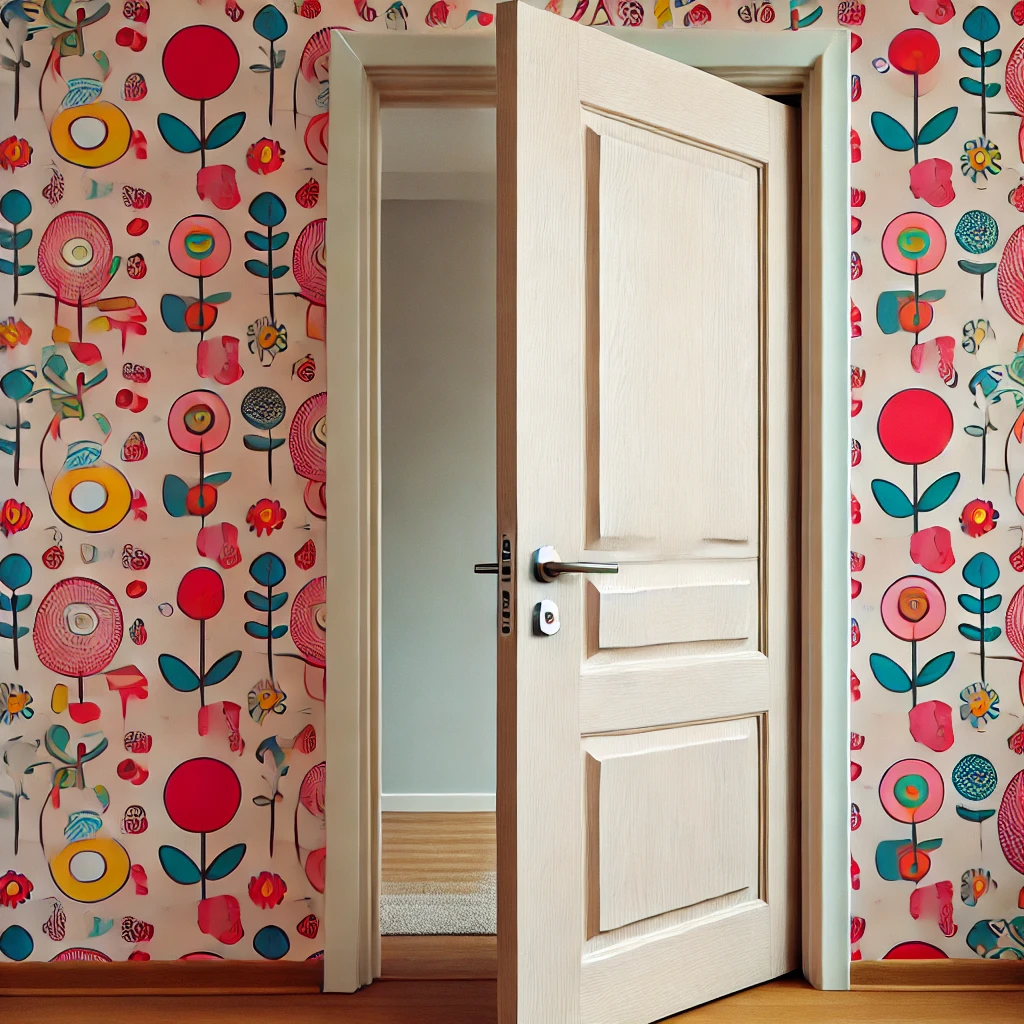
A misaligned door can be a frustrating problem in any home. Whether it’s sticking, dragging on the floor, or not latching properly, an off-kilter door can affect the functionality and aesthetics of a room. In this guide on repairing a door that isn’t aligned, we’ll walk you through the steps to fix this common issue, covering the tools you’ll need, the pros and cons of the task, and expert tips to ensure your door is perfectly aligned.
Pros
Repairing a door that isn’t aligned comes with several benefits:
- Improved Functionality: Aligning a door ensures it opens and closes smoothly, preventing it from sticking or dragging.
- Enhanced Aesthetics: A properly aligned door fits snugly in its frame, contributing to the overall look of the room.
- Increased Energy Efficiency: When a door is properly aligned, it helps maintain a consistent temperature inside by sealing gaps that could allow drafts.
- Security: An aligned door improves the security of your home as it closes properly and locks securely.
- Cost-Effective: Repairing a door that isn’t aligned is often less expensive than replacing the entire door or frame.
Although aligning a door can seem like a straightforward task, it’s important to consider the potential challenges:
- Time-Consuming: Depending on the severity of the misalignment, the repair process can be time-consuming.
- Need for Precision: Aligning a door requires careful adjustments to ensure that the door fits perfectly within the frame.
- Possible Additional Repairs: Sometimes, a misaligned door can reveal other underlying issues such as warped frames or hinges that also need attention.
- Tools and Materials: You may need specific tools and materials to complete the repair, which can add to the overall cost.
- Skill Level: While not overly complex, the task requires a certain level of DIY skill to achieve a professional result.
Recommended Tools for the Project
To repair a door that isn’t aligned, you’ll need the right tools to get the job done efficiently. Here’s a list of recommended tools:
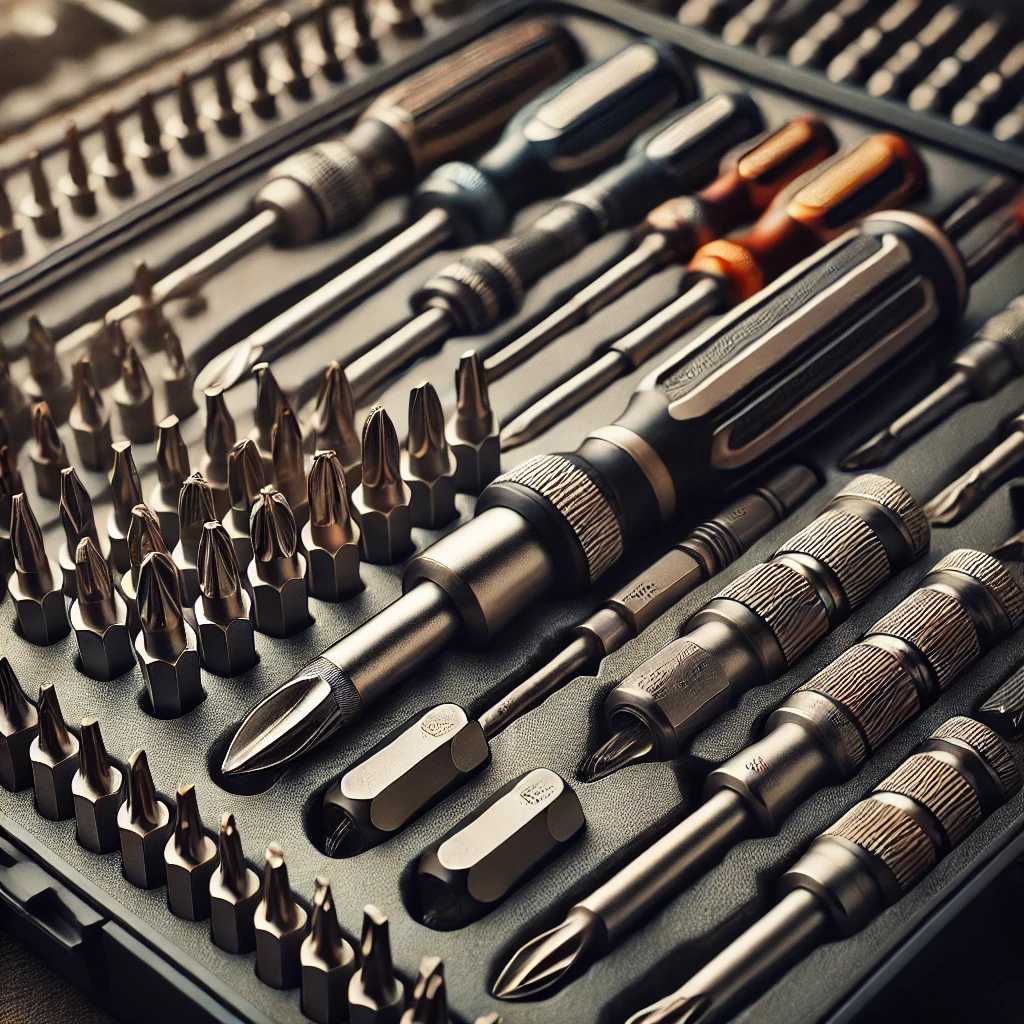
- Screwdriver Set: Essential for adjusting and tightening screws on the door hinges.
- Hammer and Nails: Useful if you need to reinforce the frame or adjust the doorstop.
- Carpenter’s Level: To ensure the door is aligned perfectly.
- Shims: These small pieces of wood or plastic can be used to adjust the door’s position within the frame.
- Wood Filler: In case you need to repair any gaps or holes caused by misalignment.
- Sandpaper: To smooth out any rough edges after adjustments.
Having these tools on hand will make the alignment process smoother and more efficient. You can find a comprehensive list of tools and equipment here.
Necessary Steps (1-10)
Repairing a door that isn’t aligned involves several key steps. Here’s how to tackle the task:
- Identify the Problem: Determine whether the door is sticking, dragging, or not latching properly. This will help you focus on the specific areas that need adjustment.
- Check the Hinges: Use a screwdriver to tighten any loose hinge screws. Loose hinges are a common cause of door misalignment.
- Adjust the Hinges: If tightening the screws doesn’t solve the issue, you may need to adjust the position of the hinges. This can be done by removing the screws and repositioning the hinges slightly higher or lower.
- Use Shims: Insert shims behind the hinges if the door is still not aligned. Shims can help adjust the angle of the door within the frame.
- Check the Door Frame: Ensure the door frame is not warped or damaged. A warped frame may require more extensive repairs or replacement.
- Test the Door: After making adjustments, open and close the door several times to check for smooth operation. Make additional adjustments as needed.
- Adjust the Doorstop: If the door isn’t latching properly, you may need to adjust the doorstop. This can be done by gently tapping it with a hammer to move it closer or further from the door.
- Fill Gaps: If there are gaps between the door and the frame, use wood filler to fill them in. Once the filler is dry, sand it down for a smooth finish.
- Repaint or Refinish: If the adjustments have affected the door’s appearance, consider repainting or refinishing it to match the rest of the room.
- Final Test: Perform a final test to ensure the door is perfectly aligned and operates smoothly.
Following these steps will help you successfully repair a door that isn’t aligned, restoring both functionality and appearance.
Comparisons
When it comes to repairing a door that isn’t aligned, you have a few options:
- DIY vs. Professional Repair: If you have basic DIY skills, repairing the door yourself can save money. However, if the problem is more severe, hiring a professional may be the better option.
- Temporary Fixes vs. Permanent Solutions: Some methods, like using shims, offer a temporary fix, while others, like adjusting the door frame, provide a more permanent solution.
- Different Types of Doors: The repair process may vary depending on the type of door—whether it’s an interior or exterior door, hollow or solid core, or even sliding doors.
- Cost of Repairs vs. Replacement: In some cases, the cost of repairing a door might be close to the cost of replacing it, especially if extensive work is needed.
- Time Investment: DIY repairs might take longer but are more cost-effective, while hiring a professional can get the job done faster at a higher cost.
Tips & Tricks
Here are some useful tips and tricks to make the process of repairing a door that isn’t aligned easier:
- Pre-Check the Door: Before starting the repair, open and close the door several times to pinpoint the exact area of misalignment.
- Use a Carpenter’s Pencil: When adjusting the hinges or door frame, mark the areas you need to adjust with a carpenter’s pencil for better accuracy.
- Go Slow: Make adjustments gradually, testing the door after each change to avoid over-correcting the alignment.
- Check for Obstructions: Sometimes, the problem may not be with the door or hinges but with an obstruction in the frame or threshold. Clear any debris or buildup that could be causing the door to stick.
- Lubricate the Hinges: Applying a small amount of lubricant to the hinges can help the door move more smoothly and reduce wear and tear over time.
- Plan for Future Maintenance: Keep a regular maintenance schedule to check the door’s alignment and make minor adjustments before bigger problems develop.
FAQs (Frequently Asked Questions)
Q: Why is my door suddenly not aligned?
A: Doors can become misaligned due to various factors such as changes in humidity, settling of the house, or wear and tear on the hinges. Identifying the cause can help determine the best repair method.
Q: Can I repair a door that isn’t aligned myself?
A: Yes, with the right tools and some basic DIY knowledge, you can repair a misaligned door yourself. However, if the problem is severe, it may be worth consulting a professional.
Q: How much does it cost to repair a door that isn’t aligned?
A: The cost can vary depending on the severity of the misalignment and whether you do the repair yourself or hire a professional. Generally, DIY repairs are less expensive, but hiring a professional ensures the job is done correctly.
Q: Will aligning the door fix other problems, like drafts?
A: Properly aligning a door can help reduce drafts by sealing gaps between the door and frame. However, if drafts persist, you may need to check for other issues like gaps in the door frame or weatherstripping.
Q: What should I do if my door continues to misalign after repair?
A: If your door continues to misalign after repair, it may indicate a more serious underlying issue such as a warped frame or foundation problems. In this case, it’s best to consult a professional for a thorough inspection.
Updates and Future Considerations
After repairing a door that isn’t aligned, it’s important to consider future maintenance:
- Regular Inspections: Periodically check the alignment of your doors, especially in areas with high humidity or temperature fluctuations.
- Hinge Replacement: Over time, hinges can wear out, causing the door to sag. Consider replacing the hinges if you notice any signs of wear.
- Frame Maintenance: Keep an eye on the door frame for signs of warping or damage. Addressing these issues early can prevent more serious problems.
- Weatherproofing: If you have exterior doors, consider weatherproofing them to prevent moisture from causing alignment issues.
- Consider Upgrading: If your door continues to have alignment issues despite multiple repairs, it might be time to consider upgrading to a new door or frame.
Cost or Price
The cost of repairing a door that isn’t aligned can vary:
- DIY Repairs: If you choose to repair the door yourself, the cost is typically limited to the price of tools and materials, which can range from $20 to $100 depending on what you need.
- Professional Repairs: Hiring a professional can cost anywhere from $75 to $200, depending on the extent of the repair and your location.
- Replacement Costs: If the door or frame needs to be replaced, the cost can increase significantly, ranging from $200 to $1,000 or more, depending on the type and quality of the door.
Investing in the right tools and materials for the repair can save money in the long run and prevent the need for more costly replacements.