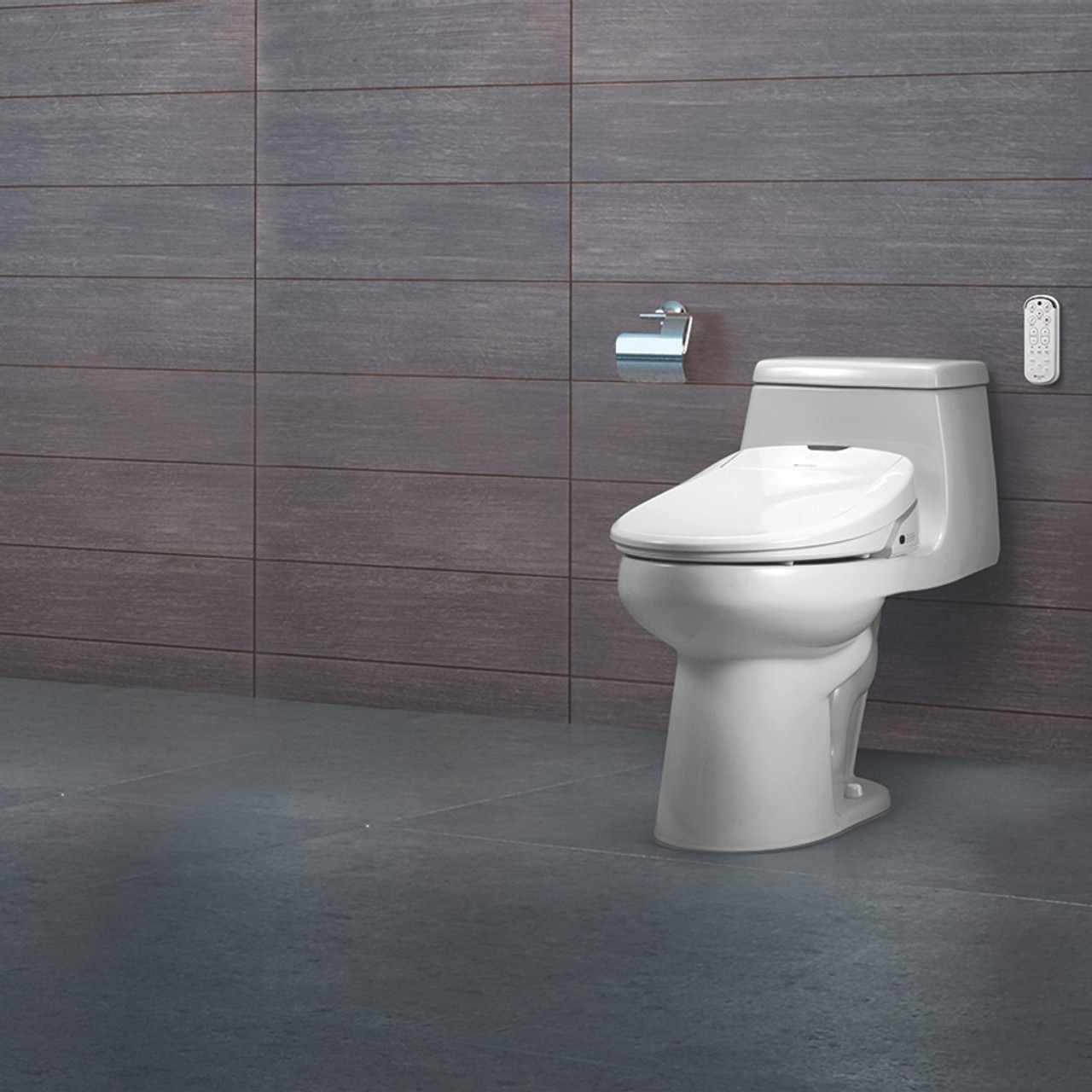
The question “Should I get a bidet?” is becoming more common as homeowners seek cleaner, more hygienic bathroom solutions. Bidets, once a luxury in European and Asian countries, are now making their way into more American homes. But is a bidet the right choice for you? In this blog, we’ll explore the pros and cons, necessary tools, steps, comparisons, and costs to help you make an informed decision.
Pros
Installing a bidet in your bathroom comes with a host of advantages. Here are some of the main benefits to consider:
- Enhanced Hygiene: Bidets offer a more thorough clean compared to toilet paper. The water spray eliminates bacteria and reduces the risk of infections.
- Environmental Benefits: Using a bidet reduces the need for toilet paper, saving trees and reducing waste. This makes it an eco-friendly option for your bathroom.
- Comfort and Convenience: Bidets provide a gentler cleaning experience, particularly for those with sensitive skin or conditions like hemorrhoids.
- Cost Savings: Over time, a bidet can save you money on toilet paper. Although the initial investment might seem high, the long-term savings are considerable.
- Modern Features: Many bidets come with advanced features such as heated seats, adjustable water pressure, and even air dryers, adding to the overall comfort and luxury of your bathroom experience.
To explore the latest bidet models, visit the Brondell Bidet Toilet Seats & Integrated Bidets.
Cons
While bidets offer numerous advantages, there are also some downsides to consider before making a purchase:
- Initial Cost: The upfront cost of a bidet can be high, especially for models with advanced features. This might deter those on a tight budget.
- Space Requirements: Bidets require additional space in your bathroom, which can be an issue in smaller bathrooms.
- Installation Complexity: Installing a bidet might require professional help, particularly if you choose an integrated bidet toilet seat or a standalone bidet.
- Learning Curve: For those unfamiliar with bidets, there might be a learning curve in adjusting to the different settings and functions.
- Water Usage: Although bidets reduce toilet paper usage, they do use water, which could increase your water bill slightly.
Recommended Tools for the Project
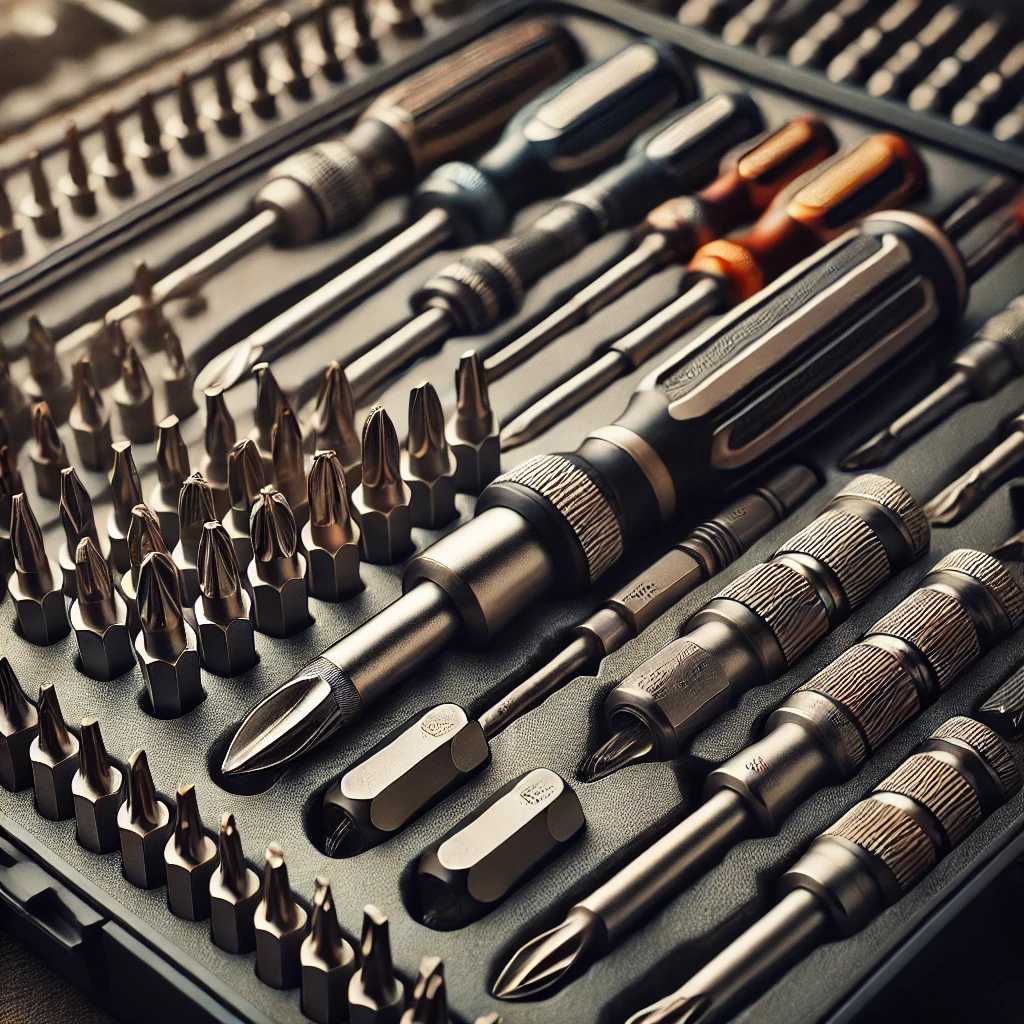
To install a bidet, you’ll need the right tools. Here’s a list of recommended tools to make the installation process smoother:
- Adjustable Wrench: Essential for tightening and loosening nuts and bolts during the installation process.
- Teflon Tape: This is used to ensure a tight seal on plumbing connections to prevent leaks.
- Drill and Bits: If you need to install an additional electrical outlet for an electronic bidet, a drill will be necessary.
- Screwdriver: A basic tool for securing brackets and screws.
- Plumbing Tape: This helps in securing water connections and preventing leaks.
For a comprehensive guide on the best tools to use, check out this link.
Necessary Steps (1-10)
Here’s a step-by-step guide to installing your bidet:
- Turn Off the Water Supply: Start by turning off the water supply to your toilet.
- Remove the Toilet Seat: Use a screwdriver to remove the existing toilet seat.
- Install the Bidet Mounting Plate: Place the mounting plate over the toilet bowl and secure it with the provided screws.
- Connect the Water Supply Hose: Attach the water supply hose to the bidet and then to the water supply valve.
- Install the Bidet Seat: Align the bidet seat with the mounting plate and snap it into place.
- Test the Water Pressure: Turn on the water supply and test the bidet’s water pressure settings to ensure everything is working correctly.
- Adjust the Seat Temperature (if applicable): If your bidet has a heated seat, adjust the temperature settings to your preference.
- Test All Functions: Go through all the bidet’s functions to make sure everything is operating as expected.
- Check for Leaks: Inspect all connections for any signs of water leaks.
- Final Adjustments: Make any final adjustments to the bidet seat and settings to ensure maximum comfort.
Comparisons
How does a bidet compare to traditional toilet paper or wet wipes? Let’s break it down:
- Hygiene: Bidets offer superior cleaning compared to toilet paper, which can leave residue behind.
- Comfort: Bidets provide a gentler cleaning experience, especially beneficial for those with sensitive skin.
- Cost: Over time, bidets can be more cost-effective due to the reduction in toilet paper use.
- Environmental Impact: Bidets are more eco-friendly, significantly reducing the need for toilet paper and wet wipes.
- Maintenance: While bidets require occasional maintenance, they are generally easy to care for with regular cleaning.
For more detailed comparisons, visit the Brondell Bidet Toilet Seats & Integrated Bidets page.
Tips & Tricks
When using and maintaining your bidet, keep these tips in mind:
- Regular Cleaning: Clean the bidet nozzle regularly to prevent build-up and ensure proper function.
- Start with Low Pressure: When using a bidet for the first time, start with the lowest water pressure setting to avoid discomfort.
- Check for Compatible Outlets: Ensure your bathroom has the necessary electrical outlets if you’re installing an electronic bidet.
- Adjust Water Temperature: Many bidets offer adjustable water temperature. Set it to a comfortable level for the best experience.
- Consider a Bidet with a Dryer: Some bidets come with an integrated dryer, which can eliminate the need for toilet paper altogether.
FAQs
Q: Is a bidet difficult to install?
A: Installing a bidet can be straightforward, especially if you’re comfortable with basic plumbing. However, for electronic models, you might need an electrician to install an additional outlet.
Q: Does a bidet increase water usage?
A: Yes, bidets use water, but the amount is minimal compared to the environmental impact of producing toilet paper.
Q: Can a bidet be used by people with mobility issues?
A: Absolutely. Bidets can be more accessible than traditional toilet paper, particularly for those with limited mobility.
Q: How do I clean a bidet?
A: Regular cleaning with mild soap and water is usually sufficient. Be sure to clean the nozzle regularly to prevent build-up.
Q: Are bidets sanitary?
A: Yes, bidets are highly sanitary, often more so than toilet paper. The water spray effectively cleanses, reducing the risk of bacteria and infections.
Updates and Future Considerations
As technology advances, bidets are becoming more efficient and feature-rich. Future models may include even more customizable settings, improved water efficiency, and smart home integration. When considering a bidet, it’s worth keeping an eye on the latest trends and innovations.
For the latest updates on bidets, visit the Brondell Bidet Toilet Seats & Integrated Bidets page regularly.
Cost or Price
The cost of a bidet can vary significantly depending on the type and features. Basic bidet attachments can start at around $50, while high-end electronic bidets with advanced features can exceed $500. Despite the upfront cost, the long-term savings on toilet paper and the added hygiene benefits can make it a worthwhile investment.