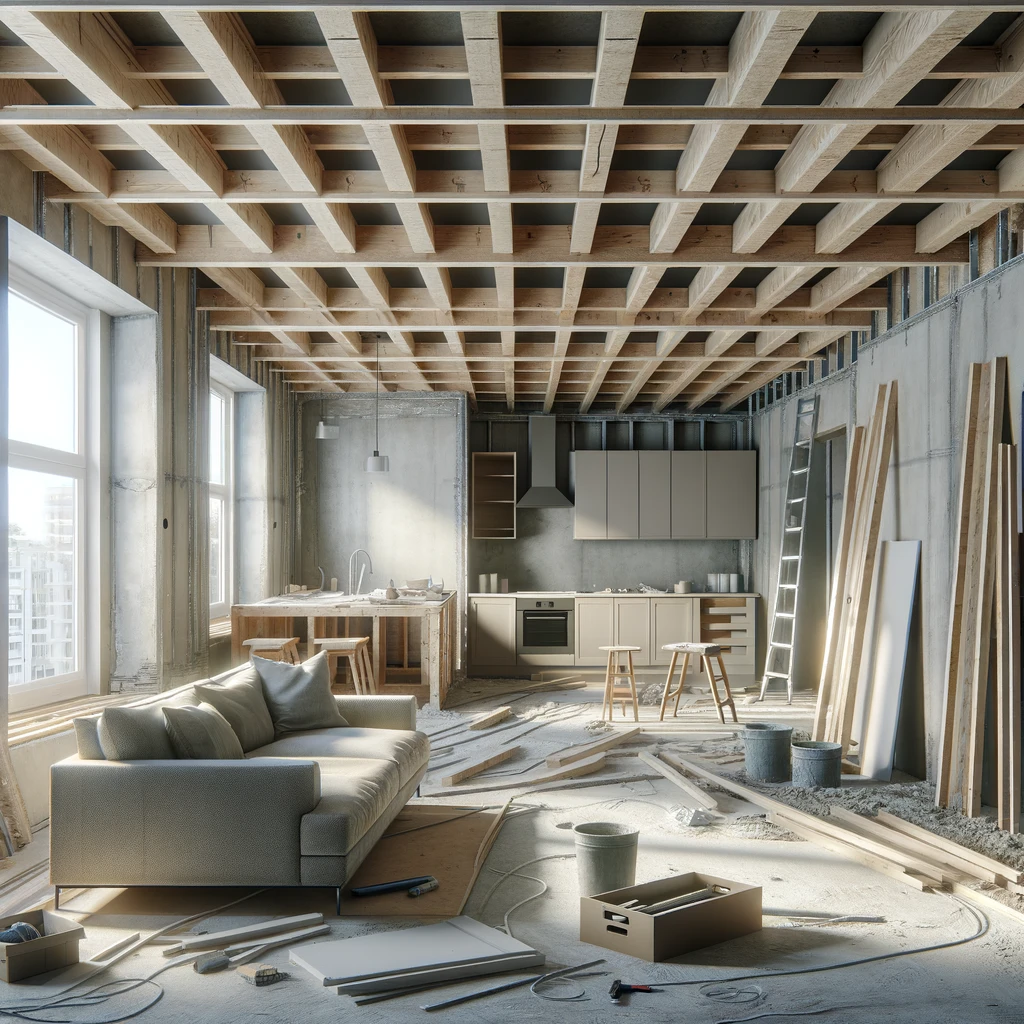
Renovating your home can be both exciting and daunting, but with the right strategies, you can ensure a stress-free home renovation. Whether you’re updating your kitchen, expanding your living space, or modernizing your entire home, careful planning and preparation are essential. This guide will explore the best strategies for a stress-free home renovation, helping you navigate the process smoothly and avoid common pitfalls. By following these tips, you can transform your home with confidence and ease.
Pros
Renovating your home can be an exciting journey with numerous benefits. Here are some of the advantages you can look forward to:
- Increased Property Value: One of the primary benefits of a home renovation is the potential increase in your property’s value. Upgrading kitchens, bathrooms, and living spaces can make your home more attractive to potential buyers.
- Personal Satisfaction: Tailoring your living space to suit your tastes and needs can provide immense personal satisfaction. From choosing the right color schemes to implementing custom designs, the process allows you to create a space that truly feels like home.
- Improved Functionality: Renovations can improve the functionality of your home. Whether it’s creating an open-plan living area, adding extra storage, or modernizing old systems, these changes can make daily living more convenient and enjoyable.
- Enhanced Aesthetic Appeal: A well-planned renovation can dramatically enhance the aesthetic appeal of your home. This not only makes your home more pleasant to live in but also impresses guests and visitors.
- Energy Efficiency: Updating insulation, windows, and appliances during a renovation can lead to significant energy savings. This is not only good for the environment but also helps reduce utility bills.
Cons
Despite the numerous advantages, home renovations come with their share of challenges. Here are some potential downsides:
- High Costs: Renovations can be expensive, and costs can quickly escalate if unexpected issues arise. Budgeting carefully and planning for contingencies is essential.
- Time-Consuming: Renovations can take a considerable amount of time, disrupting daily routines. The timeline can be extended further if complications or delays occur.
- Stress and Disruption: The process of renovating can be stressful and disruptive, especially if you’re living in the home during the work. Noise, dust, and the presence of workers can be challenging to deal with.
- Potential for Mistakes: There is always a risk of mistakes or poor workmanship, which can lead to further costs and delays. It’s crucial to hire reputable contractors and stay involved in the project.
- Unforeseen Problems: Renovations can sometimes uncover hidden problems like structural issues or outdated wiring, which can add to the complexity and cost of the project.
Recommended Tools for the Project
Having the right tools is essential for a smooth renovation process. Here are some recommended tools:
- Measuring Tape and Level: Accurate measurements are crucial in any renovation. A reliable measuring tape and level ensure precision.
- Power Drill: A versatile tool for drilling holes and driving screws, a power drill is indispensable.
- Circular Saw: Useful for cutting wood and other materials, a circular saw can make quick and precise cuts.
- Hammer and Screwdrivers: Basic tools like hammers and screwdrivers are necessary for various tasks, from assembling furniture to hanging fixtures.
- Safety Gear: Protect yourself with safety glasses, gloves, and ear protection. Renovation sites can be hazardous, so safety gear is a must.
Comparisons
When planning a renovation, it’s helpful to compare different approaches and materials. Here are some key comparisons:
- DIY vs. Professional Contractors: While DIY can save money, hiring professional contractors ensures quality work and adherence to codes. Assess your skills and the project scope before deciding.
- Materials Quality: High-quality materials might have a higher upfront cost but tend to last longer and perform better. Compare options to find a balance between cost and durability.
- Renovation Scope: Deciding between a partial and full renovation can impact costs and timelines. Consider your goals, budget, and the current condition of your home.
- Modern vs. Traditional Styles: Your design choices will depend on personal preferences and the existing architecture of your home. Comparing different styles can help you achieve a cohesive look.
- Energy Efficiency: Compare the energy efficiency of appliances, windows, and insulation options. Investing in energy-efficient products can lead to long-term savings on utility bills.
Tips & Tricks
Here are some valuable tips and tricks to ensure a stress-free home renovation:
- Plan Thoroughly: Detailed planning is crucial. Outline your goals, budget, and timeline to avoid surprises.
- Hire Reputable Contractors: Research and hire experienced contractors with good reviews. Clear communication and written agreements are essential.
- Stay Organized: Keep track of receipts, contracts, and schedules. Use apps or project management tools to stay on top of the renovation.
- Prepare for Delays: Build buffer time into your schedule. Delays are common, and having extra time can prevent stress.
- Protect Your Belongings: Cover furniture and valuables to protect them from dust and damage. Consider moving items to a safe location if necessary.
FAQs
How Can I Keep Costs Down During a Renovation?
To keep costs down, create a detailed budget and stick to it. Opt for cost-effective materials where possible and avoid last-minute changes, which can lead to increased expenses. Consider doing some tasks yourself if you have the skills, but be cautious not to take on more than you can handle.
How Do I Choose the Right Contractor?
Choosing the right contractor involves researching and interviewing multiple candidates. Check their references, read reviews, and ask for examples of past work. Ensure they are licensed and insured. A clear and detailed contract outlining the scope of work, timeline, and payment schedule is essential.
What Should I Do if I Encounter Unexpected Issues?
Unexpected issues are common in renovations. If you encounter problems, stay calm and communicate with your contractor to find solutions. Have a contingency fund in your budget to cover unforeseen expenses. Being flexible and prepared can help manage these situations smoothly.
How Can I Minimize Disruption During the Renovation?
To minimize disruption, plan the renovation in stages, focusing on one area at a time. Create temporary living arrangements if necessary and keep the renovation area clean and organized. Clear communication with your contractor can help ensure the project stays on track.
What Are Some Common Renovation Mistakes to Avoid?
Common mistakes include underestimating the budget, choosing the wrong contractor, and neglecting permits and inspections. Avoid making frequent changes to the plan and ensure you have a realistic timeline. Proper planning and staying informed can prevent many common pitfalls.
Updates and Future Considerations
Keeping up with trends and innovations in home renovation can help future-proof your project. Here are some updates and considerations for future renovations:
- Smart Home Technology: Incorporating smart home features like automated lighting, thermostats, and security systems can enhance convenience and efficiency.
- Sustainable Materials: Using eco-friendly materials can reduce your environmental impact and improve indoor air quality. Consider options like recycled wood, bamboo, and low-VOC paints.
- Aging in Place: If you plan to stay in your home long-term, consider incorporating features that support aging in place, such as wider doorways, grab bars, and non-slip flooring.
- Energy Efficiency Upgrades: Stay updated on the latest energy-efficient technologies and products. These upgrades can lead to significant savings over time.
- Design Flexibility: Choose designs and materials that allow for future changes and upgrades. Flexibility can help your home adapt to changing needs and preferences.
Cost Considerations
Understanding the costs involved in a home renovation is crucial for budgeting. Here are some factors to consider:
- Material Costs: The quality and type of materials you choose will significantly impact costs. High-end finishes are more expensive but can add value and longevity.
- Labor Costs: Hiring professionals comes with labor costs, which can vary based on their experience and the project scope. Get multiple quotes to compare.
- Permits and Inspections: Depending on the renovation, you may need permits and inspections, which come with fees. Ensure these are factored into your budget.
- Contingency Fund: Set aside 10-20% of your budget for unexpected expenses. This can cover unforeseen issues or changes to the plan.
- Financing Options: Consider different financing options such as home equity loans, personal loans, or saving up in advance. Evaluate the best option based on your financial situation.
By carefully considering these factors, you can create a realistic budget and avoid financial stress during your renovation project.