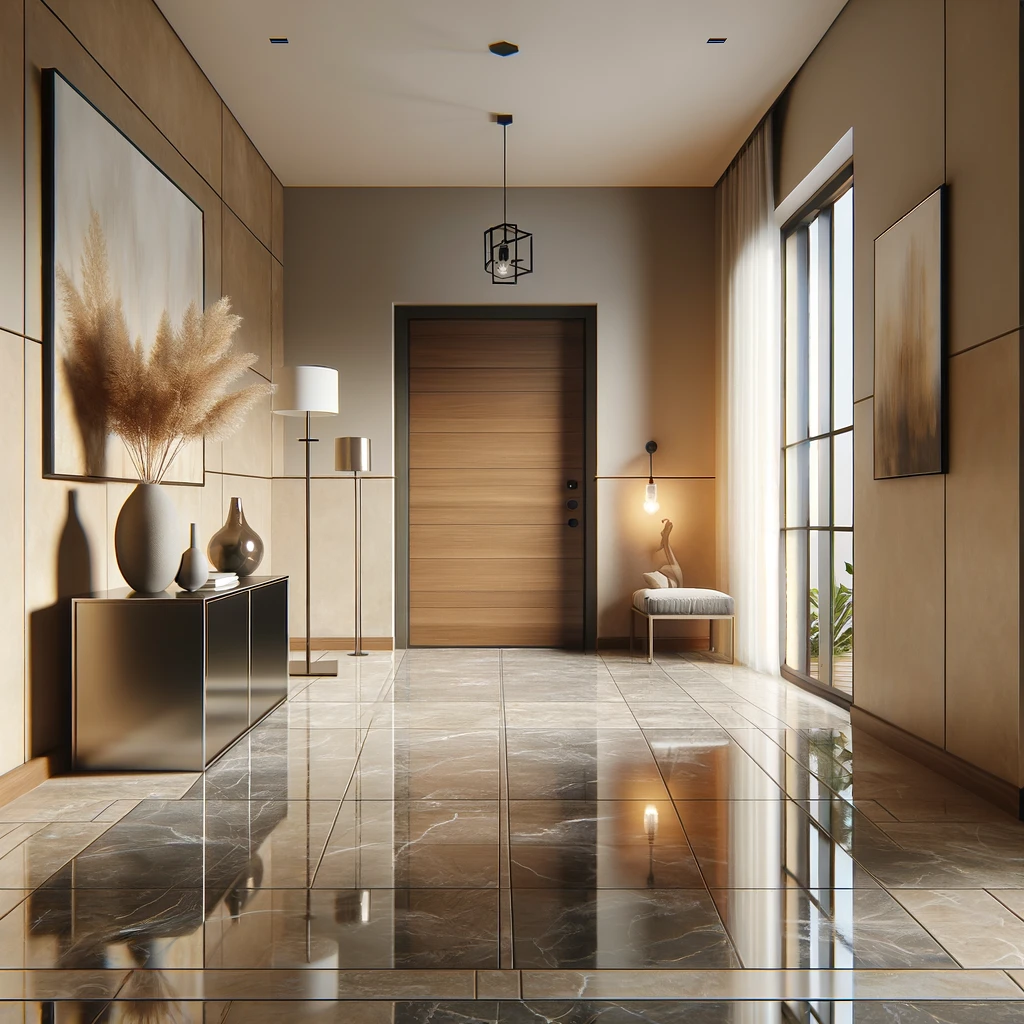
Tile flooring has been a popular choice for homeowners for decades due to its durability and aesthetic flexibility. But like any material, it has its strengths and weaknesses. This blog post examines the pros and cons of tile flooring, offers a comparison with other flooring types, suggests tools for installation, provides useful tips and tricks, answers common questions, and discusses future considerations and updates in the tile flooring industry.
Pros of Tile Flooring
- Durability: Tile flooring is known for its toughness and can withstand high traffic and the wear and tear of daily life.
- Low Maintenance: Tiles are relatively easy to clean; spills and stains can be wiped away without special products.
- Water Resistance: Ceramic and porcelain tiles are excellent for wet areas like bathrooms and kitchens as they resist moisture well.
- Variety of Options: With a range of colors, patterns, and sizes, tile flooring can fit any decor style.
- Adds Value: High-quality tile flooring can increase the resale value of your home.
Tile flooring’s resilience makes it an ideal choice for areas in a house that see frequent foot traffic or moisture. Its ease of maintenance and water resistance are especially beneficial in kitchens and bathrooms, where spills and moisture are common. Additionally, the aesthetic variety of tiles allows homeowners to customize the look to suit their taste, enhancing the overall appeal and potentially increasing home value.
Cons of Tile Flooring
- Hardness: While durable, tiles can be very hard underfoot, which might not be comfortable in living spaces.
- Coldness: Tile does not hold heat well, making floors cold in the winter unless installed over a radiant heating system.
- Installation Complexity: Laying tile can be a difficult and time-consuming process that typically requires professional installation.
- Slippery Surface: Glossy or wet tiles can be slippery, posing a fall risk.
- Cost: High-quality tile and installation can be quite costly.
Despite its durability, the hardness and cold nature of tile flooring can be a drawback, particularly in homes where comfort is a priority. The installation process is also complex and requires precision, making it more expensive and less of a DIY-friendly option compared to other flooring types.
Recommended Tools for Tile Flooring Projects
- Tile Cutter: Essential for cutting tiles to fit corners and edges.
- Tiling Trowel: Used to apply adhesive evenly before laying the tiles.
- Spacers: Help in maintaining even gaps between tiles for a uniform layout.
- Level: Ensures the tile surface is flat and even during installation.
- Grout Float: Used to apply and smooth grout between the tiles.
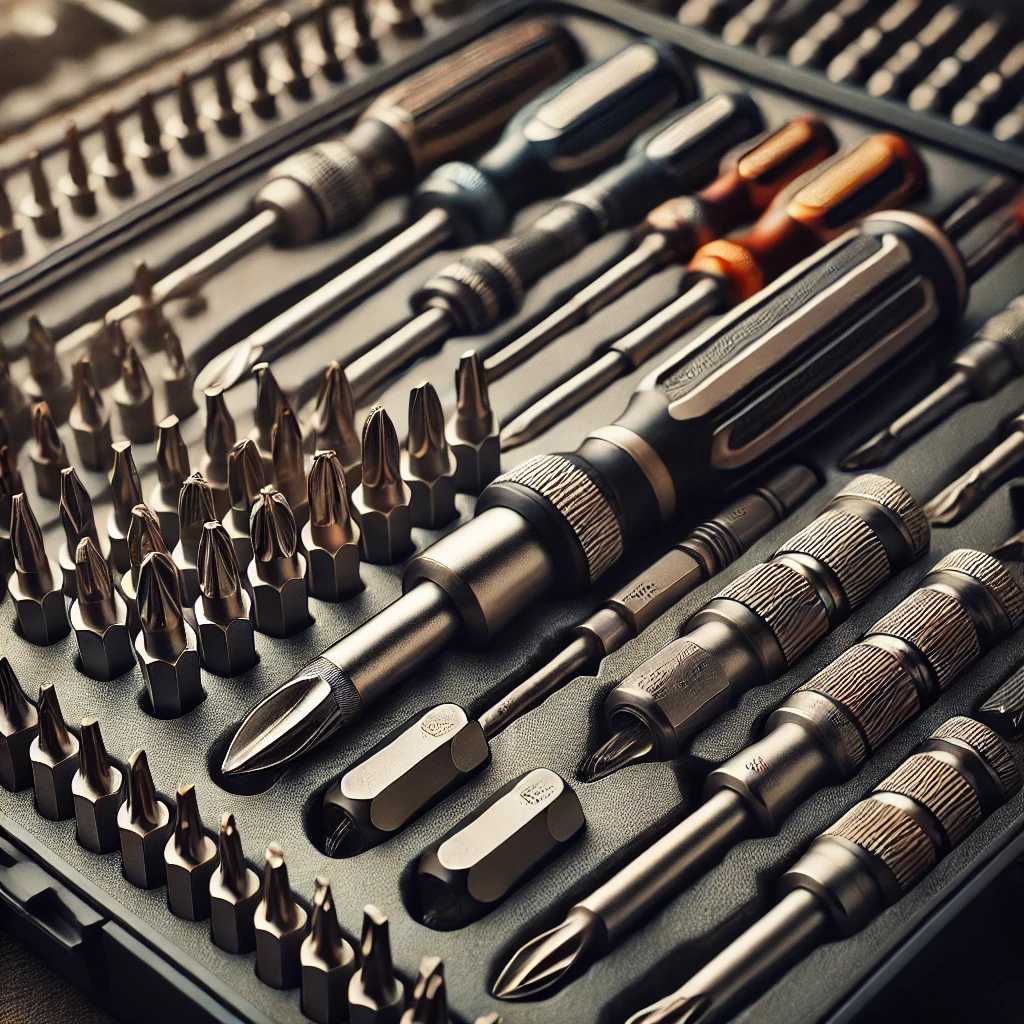
Having the right tools is crucial for a successful tile flooring installation. These tools ensure that the tiles are laid evenly, cut precisely, and that the finish is professional.
Comparisons with Other Flooring Types
Tile flooring, when compared to wood, laminate, or carpet, offers superior water resistance and durability but often at a higher cost and with a less warm underfoot feeling. Unlike wood, which can warp when exposed to moisture, tile maintains its shape and appearance under similar conditions.
Tips & Tricks for Tile Flooring
- Choose the right tile: Ensure the tile is suitable for your space’s needs—porcelain for high moisture areas, ceramic for general use.
- Measure accurately: Order 10% more tile than you think you need to account for cuts and breaks.
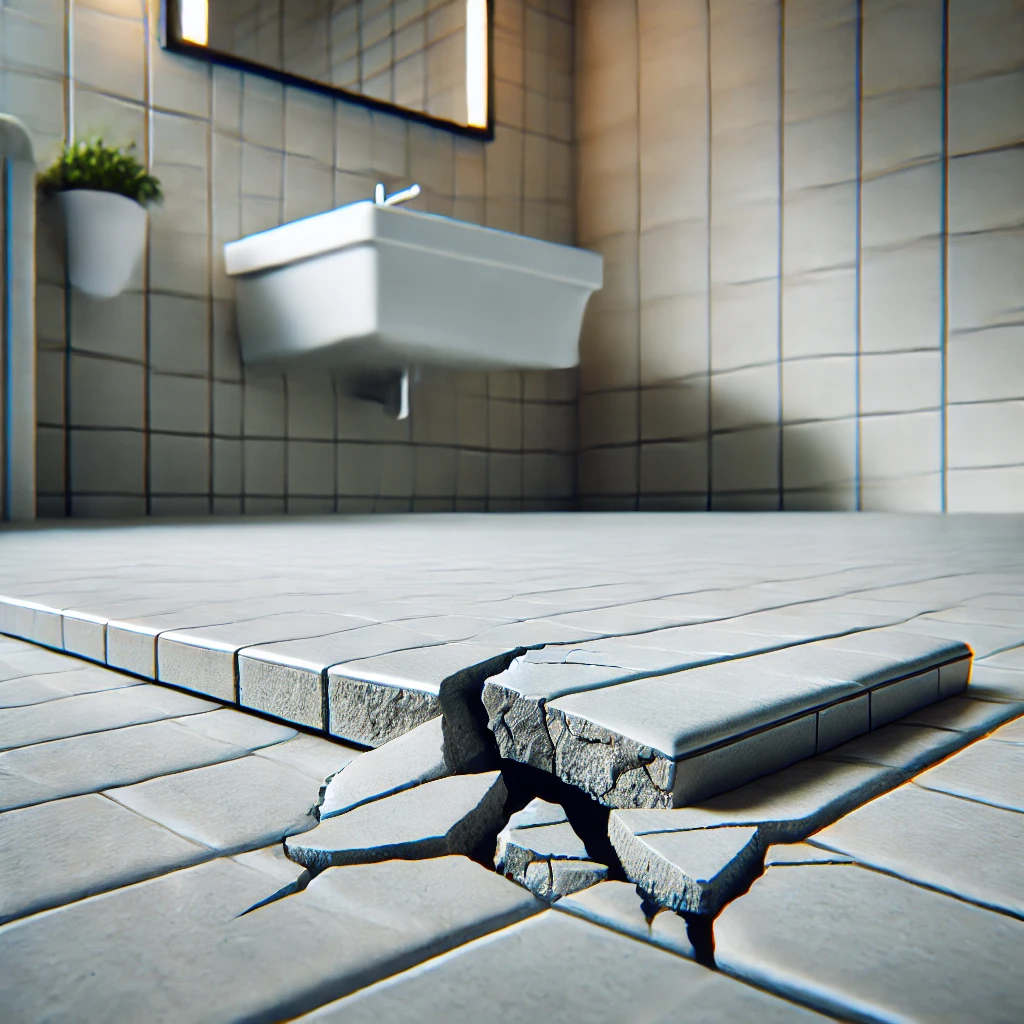
- Underlayment is key: A solid underlayment will prevent tiles from shifting and cracking.
- Seal the grout: This helps prevent stains and moisture penetration.
- Regular maintenance: Clean tiles regularly with mild detergent to keep them looking their best.
Frequently Asked Questions
- What is the best tile for high traffic areas? Porcelain tiles are ideal for high traffic areas due to their density and durability.
- Can tile flooring be used with underfloor heating? Yes, tile flooring works very well with underfloor heating systems due to its thermal conducting properties.
- How long does tile flooring last? With proper installation and maintenance, tile flooring can last 20 years or more.
Updates and Future Considerations
The tile industry continues to innovate with eco-friendly materials and more efficient manufacturing processes. Future trends may include tiles with advanced water-resistant properties and designs that mimic natural materials even more closely.
About the Cost
The cost of tile flooring can vary widely based on the type of tile chosen, the complexity of the installation area, and geographical location. While ceramic tiles can be budget-friendly, more exotic tiles like high-grade porcelain or custom designs can become quite pricey. Always consider both the initial installation cost and the long-term value tile flooring can add to your home.