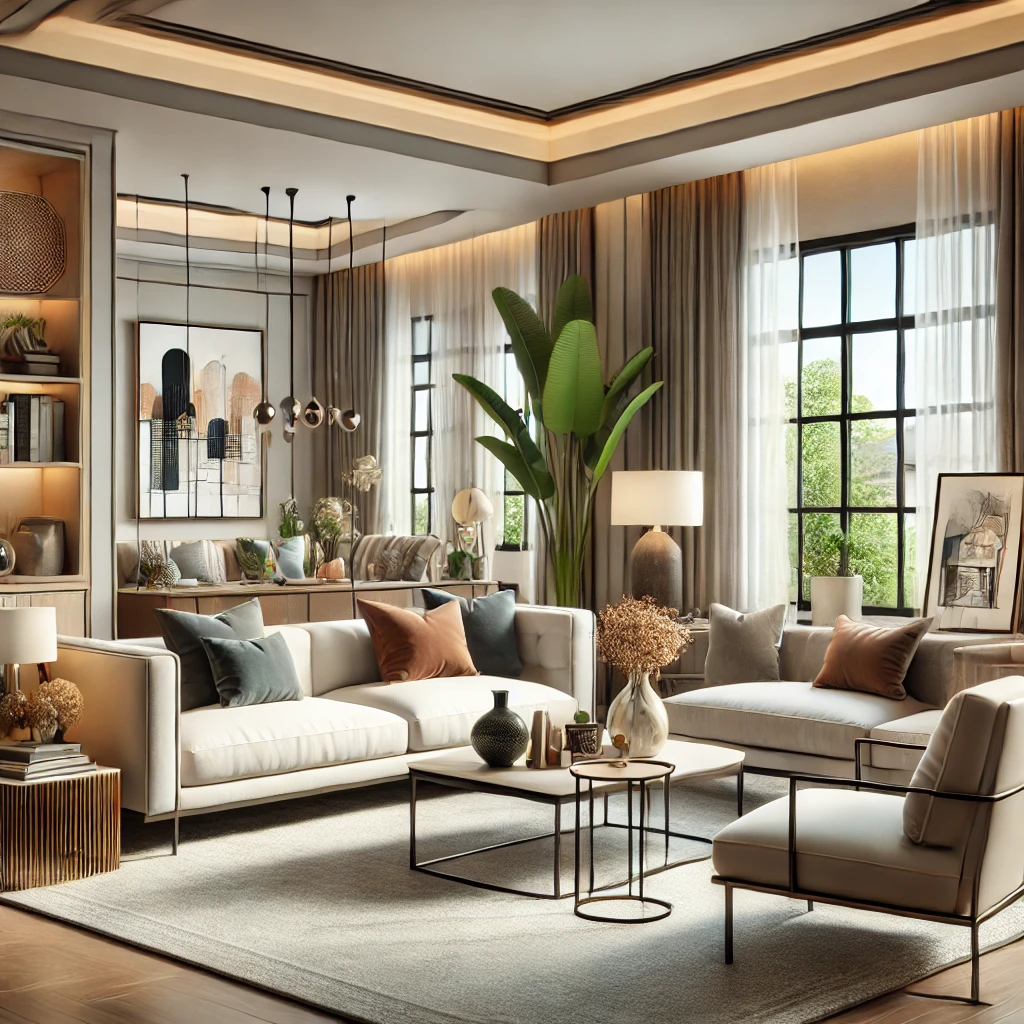
Pros of Working with an Interior Designer
Working with an interior designer can transform your living space into something uniquely tailored to your tastes and needs. Here are some of the significant pros of collaborating with a professional interior designer:
- Expertise and Vision: Interior designers have the training and experience to bring your ideas to life. They understand the latest trends, materials, and design principles, ensuring that your space is both beautiful and functional.
- Access to Resources: Designers have access to a wide range of resources, from furniture to fabric samples. This access can help you find unique pieces that you might not discover on your own.
- Time-Saving: Managing a redesign or renovation project can be time-consuming. A designer handles much of the planning, coordination, and execution, saving you time and stress.
- Budget Management: While hiring a designer might seem like an added expense, they can help you avoid costly mistakes. They work within your budget, ensuring that every dollar is well spent.
- Personalized Design: Designers listen to your preferences and create a space that reflects your personality and lifestyle. They bring creativity and an outside perspective that can elevate your home’s aesthetics.
Visiting JB Tools can be a great way to find tools and resources that complement your designer’s vision.
Cons of Working with an Interior Designer
Despite the many benefits, there are some potential downsides to consider when working with an interior designer:
- Cost: Hiring a designer can be expensive, and fees can vary widely depending on their experience and reputation. Some may charge a flat fee, while others work on an hourly basis or a percentage of the project cost.
- Potential Miscommunication: Sometimes, your vision and the designer’s interpretation may not align perfectly, leading to dissatisfaction with the final result.
- Loss of Control: You may feel like you’re giving up control of your space. While a designer brings expertise, their ideas might not always match your personal style.
- Time Commitment: Working with a designer can sometimes extend the timeline of your project, as there are often more consultations, approvals, and changes to consider.
- Dependence on the Designer: Once you start working with a designer, you might find yourself relying on them for every design decision, which could make it harder to make choices on your own in the future.
While the cons may seem daunting, they are often manageable with clear communication and proper planning. For those considering the DIY route, JB Tools offers a wide array of tools that can help you take control of your design project.
Recommended Tools for the Project
Even when working with a designer, having the right tools on hand is crucial. Here are some recommended tools that can assist in your home design project:
- Measuring Tape: Accurate measurements are vital to any design project. Ensure that every piece of furniture and decor fits perfectly within your space.
- Level: Keeping things straight and aligned is essential for a professional finish, whether you’re hanging artwork or installing shelves.
- Power Drill: A versatile tool that can be used for a variety of tasks, from assembling furniture to installing curtain rods.
- Paint Supplies: Quality brushes, rollers, and painter’s tape will ensure a smooth finish on any paint job.
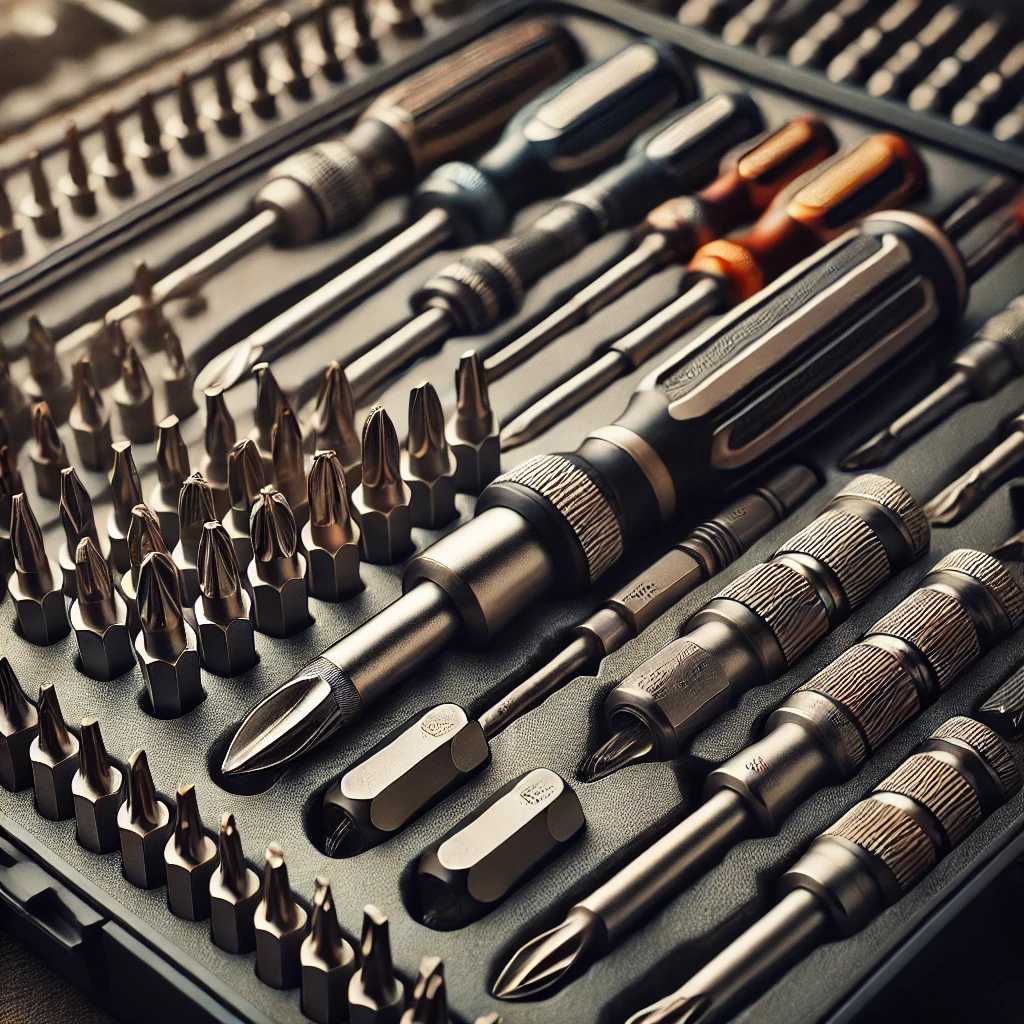
- Toolbox Essentials: A well-stocked toolbox with screwdrivers, pliers, hammers, and wrenches is a must-have for any project.
For a more extensive list of tools, visit Total Home Handbook to find everything you need for your next project.
Necessary Steps (1-10)
When working with an interior designer, following a structured approach can help ensure a smooth process. Here are the necessary steps:
- Define Your Vision: Before you start, have a clear idea of what you want. Collect inspiration, photos, and ideas to share with your designer.
- Set a Budget: Determine how much you’re willing to spend on the project. Be upfront with your designer about your budget constraints.
- Research Designers: Look for designers whose style aligns with your vision. Check portfolios, read reviews, and ask for recommendations.
- Initial Consultation: Meet with potential designers to discuss your project. This meeting will help you gauge whether they’re a good fit for your needs.
- Create a Contract: Once you’ve chosen a designer, draft a contract that outlines the scope of the project, fees, and timelines.
- Design Development: Work with your designer to develop a detailed design plan. This phase includes selecting materials, colors, furniture, and other elements.
- Approval Process: Review the design plan and make any necessary changes. Ensure that you’re satisfied with the choices before moving forward.
- Implementation: The designer will coordinate the execution of the project, from ordering materials to hiring contractors and overseeing the installation.
- Final Walkthrough: Once the project is complete, do a final walkthrough with your designer. Address any issues or final touches that need to be made.
- Enjoy Your Space: After everything is done, take the time to enjoy your newly designed space.
Refer to JB Tools for any tools or materials you might need during these steps.
Comparisons
When deciding whether to hire an interior designer or take a DIY approach, it’s essential to weigh the options:
- Experience: Designers bring years of experience and training, which can save time and result in a more polished outcome compared to a DIY project.
- Cost: While DIY projects can be cheaper, hiring a designer might save money in the long run by avoiding costly mistakes.
- Time: A designer will typically complete the project faster than you could on your own, as they handle all aspects of the process.
- Personalization: DIY allows for more personal involvement in every decision, while a designer might steer the project towards their vision.
Considering these factors can help you decide the best approach for your needs. If you opt for a DIY project, JB Tools has all the tools you’ll need to succeed.
Tips & Tricks
Here are some valuable tips and tricks to help you get the most out of working with an interior designer:
- Be Clear and Honest: From the start, be upfront about your budget, expectations, and timeline. Clear communication will prevent misunderstandings.
- Stay Involved: While the designer handles the heavy lifting, stay involved in the process. Regular check-ins ensure that the project aligns with your vision.
- Trust the Designer: Remember that you’ve hired a professional. Trust their expertise and be open to their suggestions, even if they differ from your initial ideas.
- Be Open to Change: Flexibility can lead to better results. Sometimes, a designer’s idea might improve on your original concept.
- Keep an Open Line of Communication: Regular updates and feedback are crucial. If something isn’t working for you, speak up as soon as possible.
These tips can help you navigate the process smoothly, ensuring that your project is successful.
FAQs
Q: How much does it cost to hire an interior designer?
A: The cost varies based on the designer’s experience, the project’s scope, and location. Some charge an hourly rate, while others might have a flat fee or work on a percentage of the total project cost.
Q: How do I choose the right designer?
A: Research and review portfolios to find a designer whose style aligns with yours. Meet with potential candidates to discuss your project and see if you have a good rapport.
Q: What should I expect during the initial consultation?
A: The designer will ask questions to understand your needs, budget, and vision. This meeting is also your chance to ask about their process and previous work.
Q: Can I still have input during the design process?
A: Absolutely. A good designer will value your input and incorporate your ideas into the design.
Q: What happens if I don’t like the final design?
A: Open communication throughout the process helps avoid this. However, if you’re not satisfied, discuss it with your designer to make necessary adjustments.
Updates and Future Considerations
As interior design trends evolve, it’s essential to stay updated with the latest styles and technologies:
- Sustainable Design: Eco-friendly materials and sustainable practices are becoming more prevalent in interior design.
- Smart Home Integration: Designers are increasingly incorporating smart home technologies, like automated lighting and temperature control.
- Personalized Spaces: The trend towards personalization is growing, with more clients seeking spaces that reflect their unique tastes and lifestyles.
- Outdoor Living: Expanding living spaces to include the outdoors is a trend that’s here to stay, with more emphasis on outdoor furniture and landscaping.
When planning future projects, consider these trends and how they might impact your design choices.
Cost or Price
The cost of working with an interior designer varies significantly based on several factors:
- Experience: Designers with more experience or a higher profile often charge more for their services.
- Scope of the Project: A full home redesign will naturally cost more than a single-room makeover.
- Location: Designers in metropolitan areas tend to charge higher rates than those in smaller towns or rural areas.
- Materials and Furnishings: The quality and quantity of materials selected can greatly affect the overall cost.
While hiring a designer may seem like a significant expense, it can often save you money in the long run by avoiding mistakes and ensuring that the job is done right the first time. Visit JB Tools to explore tools and resources that can help with your project, whether you’re working with a designer or taking a DIY approach.