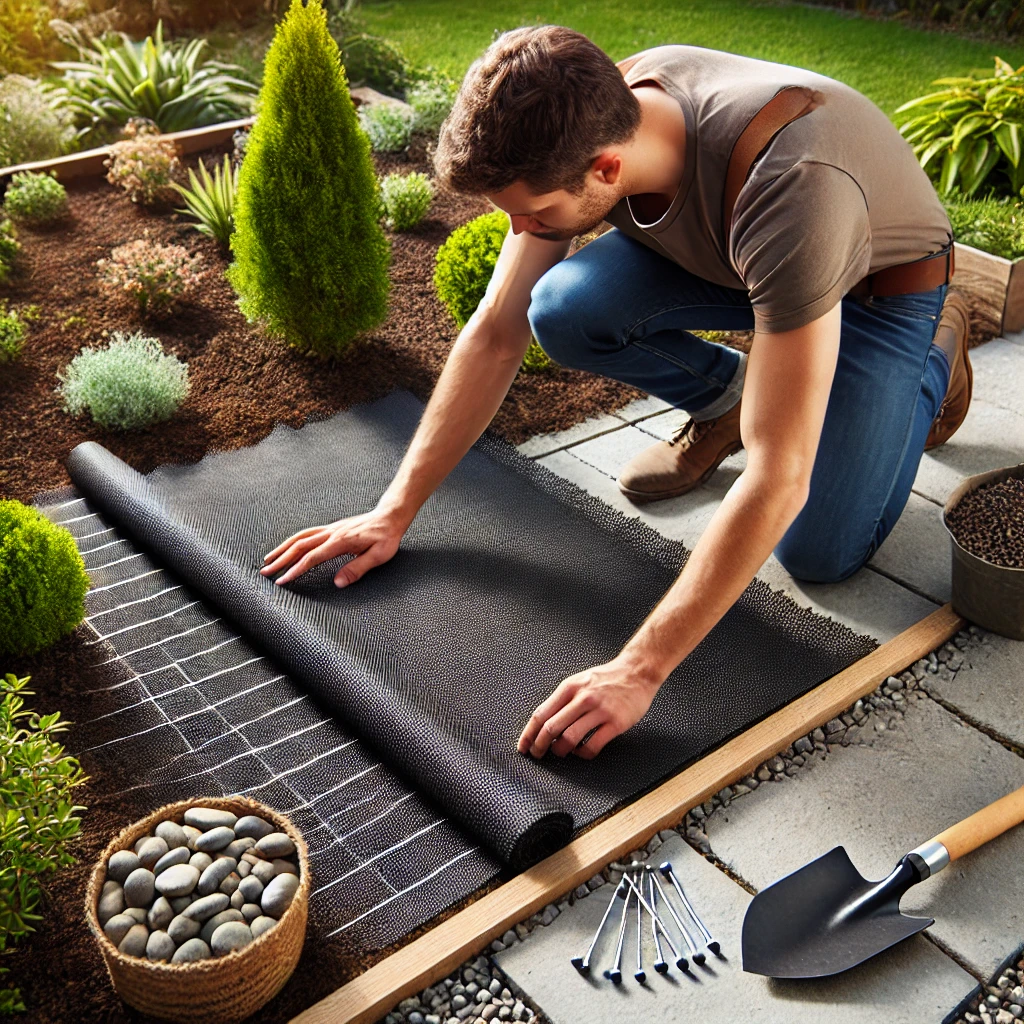
Basement waterproofing is crucial for maintaining the structural integrity and usability of your home. Moisture intrusion can lead to a myriad of issues, including mold growth, foundation damage, and decreased indoor air quality. This blog outlines key considerations, provides tips, and compares different approaches to help you tackle your basement moisture issues effectively.
Pros of Basement Waterproofing
- Increased Property Value: Waterproofing your basement can increase your home’s market value, making it a wise investment.
- Improved Health Conditions: By preventing mold and mildew, waterproofing can improve the air quality in your home.
- Enhanced Usability: A dry basement can be transformed into a functional space such as a home gym, office, or entertainment area.
- Reduced Energy Costs: Proper insulation combined with waterproofing can lead to significant savings on heating and cooling.
- Prevention of Structural Damage: Waterproofing protects the integrity of your foundation.
Waterproofing your basement can be a game changer. Not only does it protect your home from potential water damage, but it also creates a healthier living environment by preventing the growth of mold and mildew. Additionally, it enhances the functionality of your home, allowing you to utilize every square inch of space effectively.
Cons of Basement Waterproofing
- Initial Cost: The upfront cost can be substantial, depending on the extent of the needed waterproofing.
- Complexity: Some methods require professional installation, adding to the cost.
- Maintenance Required: Systems like sump pumps and dehumidifiers will need regular maintenance.
- Possible Disruptions: The installation process might disrupt your daily routine.
- Limited by Structural Issues: In some cases, pre-existing structural issues may complicate waterproofing efforts.
While basement waterproofing offers numerous benefits, the costs and complexities involved can be a deterrent. Homeowners need to be prepared for the initial investment and ongoing maintenance that waterproofing systems may require. Moreover, structural limitations of the basement might dictate the extent to which waterproofing can be successfully implemented.
Recommended Tools for the Project
- Waterproofing Membrane: Essential for creating a moisture barrier.
- Sump Pump: Helps in actively removing water from your basement.
- Dehumidifier: Reduces moisture levels in the air.
- Concrete Sealant: Seals cracks and joints in your basement floors and walls.
- Hydraulic Cement: Useful for patching leaks in concrete.
For a successful waterproofing project, having the right tools is crucial. From high-quality sealants to effective sump pumps and dehumidifiers, each tool plays a pivotal role in ensuring a dry and durable basement environment. It’s essential to choose products that are highly rated and suitable for the specific conditions of your basement.
Comparisons: DIY vs. Professional Waterproofing
- Cost: DIY can be cheaper but might not be as thorough as professional services.
- Time: DIY projects can consume a significant amount of your time.
- Quality: Professionals bring expertise that ensures high-quality work.
- Longevity: Professional work often comes with warranties and greater longevity.
- Equipment: Professionals have access to advanced tools and materials.
Deciding whether to DIY or hire a professional for basement waterproofing depends on your budget, skill level, and the severity of your moisture issues. While DIY may seem cost-effective, the expertise and equipment that professionals bring can significantly enhance the quality and durability of the waterproofing.
Tips & Tricks for Effective Basement Waterproofing
- Inspect Regularly: Keep an eye out for cracks and moisture.
- Proper Drainage: Ensure your home’s exterior directs water away from the foundation.
- Check Gutters: Regularly clean and maintain gutters and downspouts.
- Use Quality Materials: Invest in high-quality waterproofing materials for long-lasting protection.
- Consult Experts: Don’t hesitate to consult with a waterproofing expert for personalized advice.
Effective basement waterproofing is all about diligence and using the right strategies. Regular inspections and maintenance can prevent major issues before they arise, ensuring that your basement remains dry and functional.
FAQs about Basement Waterproofing
How often should I inspect my basement for water damage?
Answer: It’s wise to inspect your basement seasonally, especially after heavy rainfall or snowmelt.
What is the best time to waterproof a basement?
Answer: The best time is during the drier months, as it’s easier to identify and fix leaks.
Can basement waterproofing be done in winter?
Answer: Yes, but some methods may be less effective if the ground is frozen.
Cost Considerations in Basement Waterproofing
The cost of waterproofing a basement can vary widely, depending on factors such as the size of your basement, the extent of existing damage, and the waterproofing methods you choose. On average, homeowners might spend anywhere from a few hundred to several thousand dollars. It’s a significant investment, but one that can save you from more costly repairs in the future.
Updates and Future Considerations
Advancements in waterproofing technology continue to evolve, offering more effective and less invasive options for homeowners. Staying updated on these innovations can help you choose the best waterproofing methods as they become available, ensuring your home remains protected against moisture intrusion.
By understanding these considerations and following the outlined tips, you can effectively tackle the challenge of basement waterproofing, ensuring your home remains dry, healthy, and structurally sound.