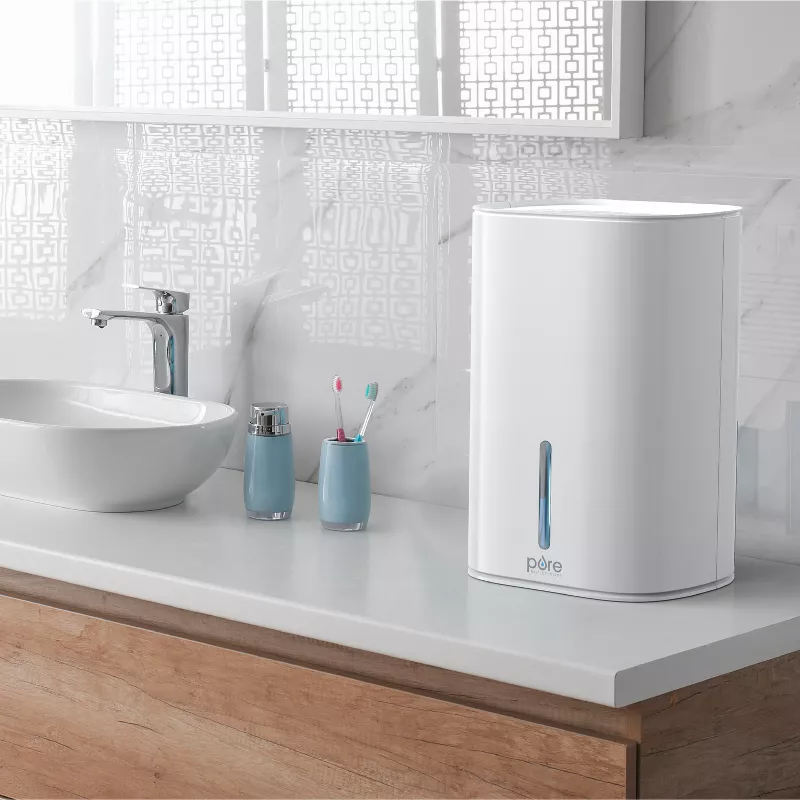
A dehumidifier is an essential appliance for maintaining a comfortable and healthy indoor environment. It works by removing excess moisture from the air, which can help prevent the growth of mold and mildew and create a more pleasant living space. This device is particularly useful in humid climates or in spaces where moisture accumulates easily, such as basements, kitchens, and bathrooms.
Pros of Using a Dehumidifier
- Prevents Mold and Mildew Growth: By reducing humidity, dehumidifiers prevent the growth of mold and mildew, which can cause health issues and damage to your home.
- Improves Air Quality: Lower humidity levels mean fewer dust mites and allergens in the air, which is beneficial for people with allergies and respiratory issues.
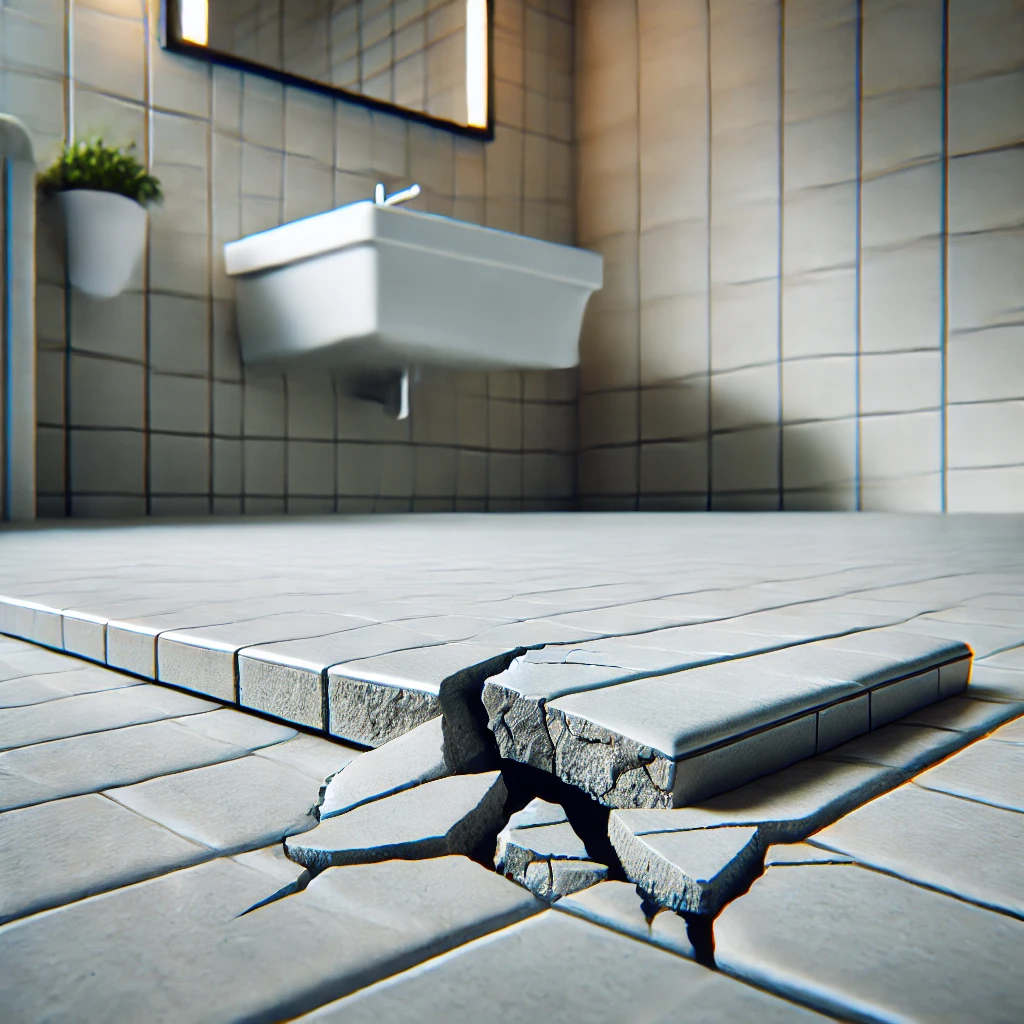
- Protects Home Integrity: Moisture can damage wood structures and furniture. A dehumidifier helps maintain the integrity of your home.
- Energy Efficiency: When used in conjunction with air conditioners, dehumidifiers can help your AC run more efficiently because they deal with moisture, which is a significant aspect of heat.
- Comfort: Reducing humidity levels helps make the environment feel cooler and more comfortable.
Dehumidifiers play a critical role in enhancing indoor air quality and protecting items within the home from damage due to excessive moisture.
Cons of Using a Dehumidifier
- Energy Usage: While it can help with energy efficiency in some cases, the dehumidifier itself uses electricity, which can increase your energy bills if used extensively.
- Noise: Some models can be noisy, which might be a disturbance, especially in quiet environments.
- Maintenance: Regular cleaning and maintenance are required to keep the dehumidifier running efficiently.
- Initial Cost: Purchasing a good quality dehumidifier can be an upfront investment.
- Space: Larger dehumidifiers can take up significant room space, which might be inconvenient in smaller homes or apartments.
Despite these drawbacks, the benefits of using a dehumidifier often outweigh the negatives, especially in areas prone to high humidity levels.
Recommended Tools for Managing Humidity
To effectively manage humidity in your home, consider these essential tools alongside your dehumidifier:
- Hygrometer: This tool measures the humidity level in your home, helping you monitor the effectiveness of your dehumidifier.
- Air Conditioner: Combines cooling with moisture control, enhancing the dehumidifying effect.
- Ventilation Fans: Installed in areas like bathrooms and kitchens to reduce humidity directly at the source.
- Moisture Absorbers: These are great for small spaces and can be used in conjunction with dehumidifiers.
- Weather Stripping: Seals around doors and windows to prevent moisture from entering the home.
Using these tools can help you maintain optimal humidity levels in your home.
Comparisons: Dehumidifier vs. Air Conditioner
While both dehumidifiers and air conditioners reduce moisture levels in the air, their main functions differ significantly. Air conditioners are primarily designed to cool the air, with dehumidification as a secondary benefit. In contrast, dehumidifiers are specifically designed to remove moisture, without significantly altering the air temperature.
Tips & Tricks for Maximizing Dehumidifier Efficiency
- Placement: Place your dehumidifier in areas where humidity accumulates, like near showers or washing machines.
- Regular Maintenance: Clean the air filter and empty the water tank regularly.
- Proper Sizing: Ensure the dehumidifier is appropriately sized for the space it’s intended for.
- Seal Leaks: Ensure windows and doors are sealed properly to prevent extra moisture from entering.
- Use a Timer: Set timers to run the dehumidifier during the highest humidity times of the day.
FAQs About Dehumidifiers
Q: How often should I run my dehumidifier? A: Run your dehumidifier until it reaches the desired humidity level, usually between 30% and 50%. The duration will depend on the room size and the initial humidity level.
Q: Can a dehumidifier help with allergies? A: Yes, by reducing humidity, dehumidifiers can help mitigate allergens like dust mites and mold in the air, benefiting those with allergies.
Q: What maintenance does a dehumidifier need? A: Regularly clean the filter and reservoir, ensure it’s free from obstructions, and check for any signs of wear and tear.
Updates and Future Considerations
With technological advancements, newer models of dehumidifiers are becoming more energy-efficient, quieter, and more compact. Future models are expected to incorporate smart technology, allowing for automatic adjustments based on real-time humidity monitoring.
Cost Considerations
The cost of a dehumidifier varies depending on the capacity and features but generally ranges from $50 for small portable models to over $200 for larger, more advanced units. While the initial investment may be significant, the benefits of improved health and comfort can justify the cost.
This overview should provide you with all you need to know about what a dehumidifier does and how it can be a beneficial addition to your home. Remember, maintaining optimal humidity levels is key to a comfortable and healthy indoor environment.