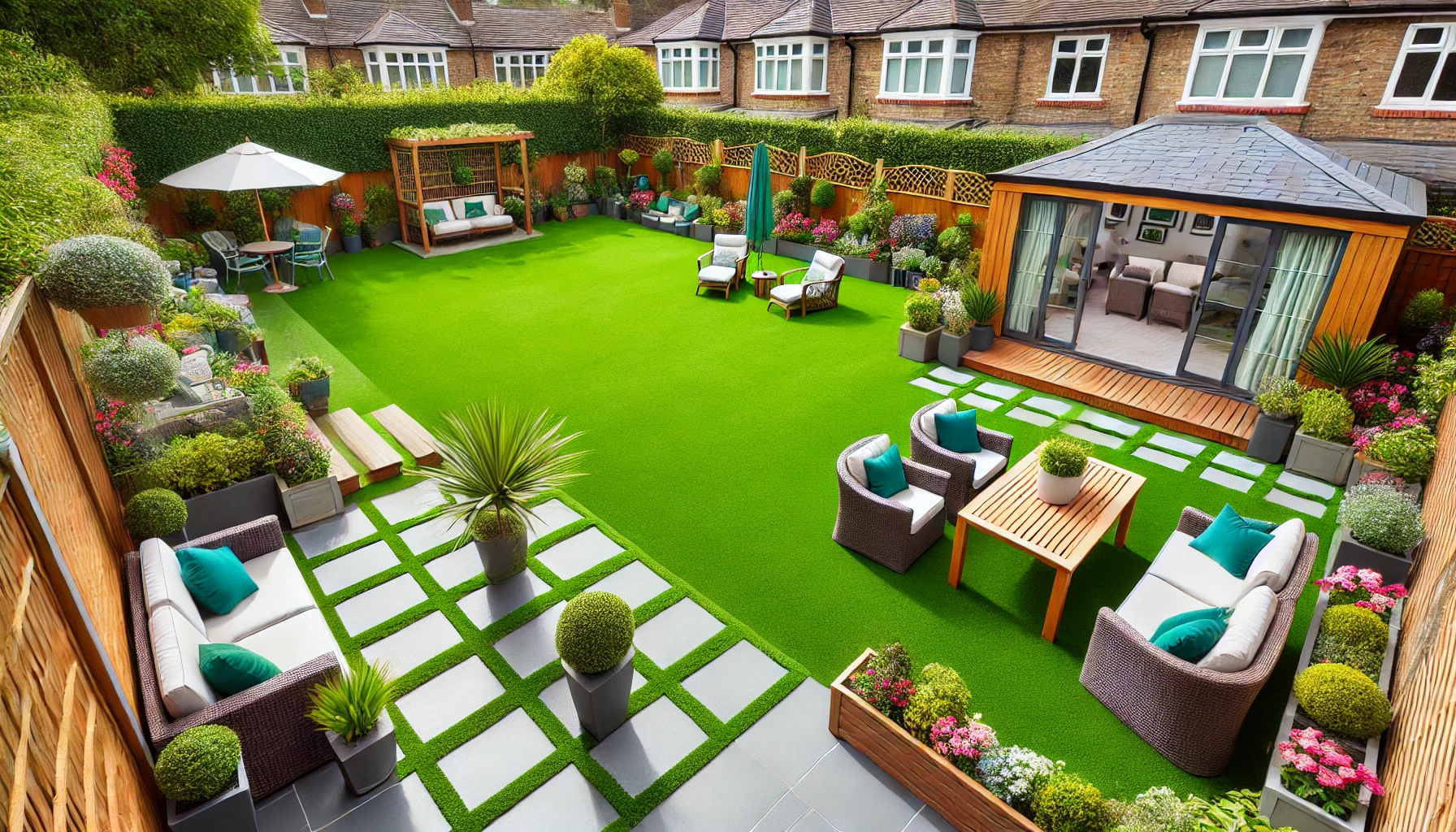
Artificial grass has become a popular choice among homeowners looking to enhance their outdoor spaces with minimal maintenance. This blog delves into the myriad benefits, potential drawbacks, necessary tools, installation steps, comparisons, tips, FAQs, future trends, and cost considerations of installing artificial grass.
Pros
Artificial grass offers numerous benefits, making it an appealing option for many homeowners. Here are some key advantages:
- Low Maintenance:
- No mowing required.
- No need for watering.
- Eliminates the need for fertilizers and pesticides.
- Reduces the time spent on lawn upkeep.
- Remains green and vibrant all year round.
- Water Conservation:
- Significantly reduces water usage.
- Helps in areas with water restrictions.
- Contributes to environmental conservation.
- Lowers water bills.
- Ideal for drought-prone regions.
- Durability:
- Withstands heavy foot traffic.
- Resilient to extreme weather conditions.
- Long lifespan, often over 15 years.
- Less prone to wear and tear compared to natural grass.
- Suitable for families with pets and children.
- Aesthetic Appeal:
- Consistently lush and green appearance.
- Enhances curb appeal.
- Variety of styles to match landscaping preferences.
- Stays neat and tidy without edging.
- Adds value to the property.
- Versatility:
- Suitable for various applications (e.g., lawns, patios, rooftops).
- Can be installed in shaded areas where natural grass struggles.
- Used in sports fields and playgrounds.
- Ideal for rental properties where maintenance is a concern.
- Can incorporate design elements like patterns and logos.
Cons
Despite its many advantages, artificial grass has some drawbacks that homeowners should consider:
- Initial Cost:
- Higher upfront cost compared to natural grass.
- Requires professional installation for best results.
- Cost of materials and preparation can be substantial.
- May not be cost-effective for short-term residences.
- Can be expensive to replace if damaged.
- Heat Retention:
- Can become hot in direct sunlight.
- May require cooling treatments or shade in hot climates.
- Not as comfortable to walk on during peak summer months.
- Can affect the surrounding air temperature.
- Potential safety concern for pets and children.
- Environmental Impact:
- Made from non-renewable materials.
- Disposal at the end of its life can be problematic.
- Production process may contribute to carbon emissions.
- Not biodegradable.
- Some products may contain harmful chemicals.
- Maintenance Needs:
- Regular brushing to keep fibers upright.
- Occasional cleaning to remove debris and odors.
- May need infill replacement over time.
- Potential for weed growth through seams.
- Requires specialized cleaning agents for stains.
- Aesthetic Limitations:
- Can look less natural than real grass.
- Some varieties may have a plastic sheen.
- Limited options for customization.
- Can feel different underfoot compared to natural grass.
- May not blend seamlessly with certain landscapes.
Recommended Tools for the Project
When installing artificial grass, having the right tools can make the process smoother and more efficient. Here are some essential tools:
- Measuring Tape:
- For accurate measurement of the area.
- Helps in cutting the grass to the right size.
- Ensures even coverage.
- Utility Knife:
- Used for cutting artificial grass.
- Essential for trimming edges.
- Helps in creating clean seams.
- Stiff Bristle Brush:
- For brushing the grass fibers upright.
- Helps distribute infill evenly.
- Maintains the aesthetic appeal of the lawn.
- Infill Spreader:
- Distributes infill material uniformly.
- Essential for the stability of the grass.
- Prevents uneven surfaces.
- Plate Compactor:
- Compacts the base material.
- Ensures a stable foundation.
- Reduces the risk of sinking or shifting.
- Seam Tape and Glue:
- For joining pieces of artificial grass.
- Ensures strong and invisible seams.
- Provides long-lasting adhesion.
- Ground Staples or Nails:
- Secures the edges of the grass.
- Prevents lifting and movement.
- Ensures a tight fit.
- Rake:
- Used for leveling the base material.
- Helps in spreading infill.
- Keeps the surface even.
- Level:
- Ensures the ground is even.
- Prevents water pooling.
- Essential for a professional finish.
- Garden Hose:
- For cleaning the grass.
- Helps in settling the infill.
- Useful for cooling the surface in hot weather.
Necessary Steps (1-10)
Installing artificial grass involves several steps to ensure a professional and lasting finish. Here’s a step-by-step guide:
- Preparation:
- Measure the area accurately.
- Clear the existing vegetation.
- Remove any debris and rocks.
- Ensure the ground is level.
- Outline the installation area.
- Base Installation:
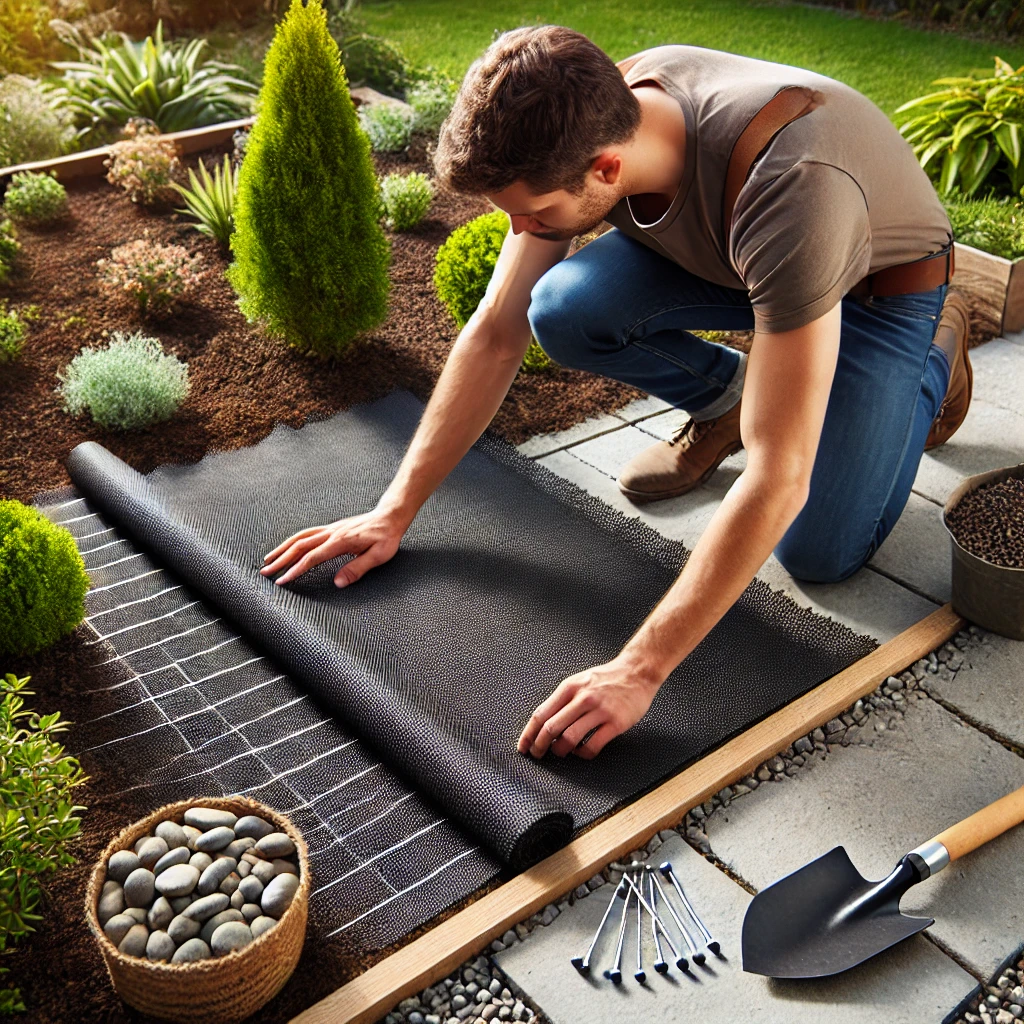
- Lay a geotextile weed barrier.
- Add a base layer of crushed stone.
- Compact the base using a plate compactor.
- Ensure the base is smooth and even.
- Check the slope for drainage.
- Grass Cutting:
- Roll out the artificial grass.
- Let it sit for a few hours to acclimate.
- Measure and cut to fit the area.
- Use a utility knife for precise cuts.
- Leave a small excess for final trimming.
- Seaming:
- Place seam tape where two pieces meet.
- Apply adhesive to the tape.
- Join the pieces, ensuring no gaps.
- Press down firmly to bond.
- Allow the adhesive to cure.
- Securing Edges:
- Use ground staples or nails around the perimeter.
- Place them every few inches.
- Ensure the grass is taut.
- Trim excess grass along the edges.
- Check for any loose areas.
- Infill Application:
- Spread infill material evenly.
- Use a spreader for uniform distribution.
- Brush the grass to work in the infill.
- Add infill gradually and evenly.
- Ensure fibers remain upright.
- Brushing:
- Use a stiff bristle brush.
- Brush against the grain.
- Helps the grass stand up.
- Distributes infill more evenly.
- Enhances the natural look.
- Inspection:
- Check for any uneven areas.
- Look for seams or gaps.
- Ensure proper drainage.
- Verify the grass is secure.
- Make any necessary adjustments.
- Cleaning:
- Remove any debris from the surface.
- Hose down the grass to clean.
- Use mild detergent for stains.
- Rinse thoroughly to remove soap.
- Brush again after cleaning.
- Final Touches:
- Trim any excess grass.
- Check for proper installation.
- Enjoy the new lawn.
- Perform regular maintenance.
- Address any issues promptly.
Comparisons
Comparing artificial grass with natural grass and other ground cover options highlights its unique benefits and potential drawbacks:
- Artificial Grass vs. Natural Grass:
- Maintenance: Artificial grass requires minimal maintenance compared to natural grass.
- Water Usage: Artificial grass conserves water, whereas natural grass needs regular watering.
- Appearance: Artificial grass remains green year-round; natural grass can brown in extreme weather.
- Cost: Initial cost of artificial grass is higher, but it saves money in the long run.
- Durability: Artificial grass withstands heavy use, while natural grass may wear out.
- Artificial Grass vs. Sod:
- Installation: Artificial grass is more complex to install than sod.
- Maintenance: Sod requires ongoing care; artificial grass does not.
- Cost: Sod is cheaper initially but has higher long-term costs.
- Aesthetic: Sod looks natural; artificial grass can look less realistic.
- Lifespan: Artificial grass lasts longer than sod with proper care.
- Artificial Grass vs. Gravel:
- Comfort: Artificial grass is softer underfoot compared to gravel.
- Appearance: Artificial grass looks lush and green; gravel has a more rugged look.
- Maintenance: Gravel needs occasional raking, while artificial grass requires brushing.
- Cost: Gravel is generally cheaper to install.
- Usage: Artificial grass is better for play areas and sports; gravel is ideal for driveways.
- Artificial Grass vs. Mulch:
- Durability: Artificial grass is more durable than mulch.
- Aesthetics: Artificial grass provides a consistent look; mulch can fade and decompose.
- Maintenance: Mulch needs replenishing; artificial grass requires less upkeep.
- Environmental Impact: Mulch is biodegradable, artificial grass is not.
- Application: Artificial grass is better for high-traffic areas; mulch is good for gardens.
- Artificial Grass vs. Paving:
- Comfort: Artificial grass is softer and cooler than paving.
- Appearance: Artificial grass offers a more natural look.
- Maintenance: Paving needs occasional cleaning; artificial grass requires brushing.
- Cost: Paving can be more expensive depending on the material.
- Versatility: Artificial grass is suitable for various applications; paving is limited.
Tips & Tricks
To get the most out of your artificial grass installation, consider these tips and tricks:
- Proper Planning:
- Measure the area accurately to avoid waste.
- Plan the layout to minimize seams.
- Choose the right type of grass for your needs.
- Quality Materials:
- Invest in high-quality artificial grass.
- Use durable seam tape and adhesive.
- Select the appropriate infill material.
- Professional Installation:
- Hire professionals for large areas.
- Ensure proper base preparation.
- Follow manufacturer’s guidelines.
- Regular Maintenance:
- Brush the grass regularly to keep fibers upright.
- Remove debris to prevent damage.
- Rinse with water to clean.
- Addressing Issues:
- Fix any seams that come apart.
- Replace infill if it becomes uneven.
- Use a cooling treatment in hot climates.
- Enhancing Appearance:
- Use a stiff brush for a natural look.
- Add decorative elements like potted plants.
- Combine with natural elements for contrast.
- Seasonal Care:
- Check for drainage issues during rainy seasons.
- Rinse more frequently in dusty conditions.
- Use a mild detergent for stains.
- Pet-Friendly Tips:
- Choose pet-safe infill materials.
- Clean pet areas regularly.
- Ensure proper drainage to avoid odors.
- Safety Considerations:
- Check for sharp objects that may damage the grass.
- Ensure edges are secure to prevent tripping.
- Avoid placing hot objects directly on the grass.
- Long-Term Care:
- Schedule professional maintenance periodically.
- Replace worn-out areas promptly.
- Monitor for any signs of wear and tear.
FAQs (Frequently Asked Questions)
Q: How long does artificial grass last?
A: Artificial grass typically lasts between 15-20 years with proper maintenance. The longevity depends on the quality of the product and how well it is cared for. Regular brushing, cleaning, and addressing any issues promptly can extend the lifespan of your artificial grass.
Q: Is artificial grass safe for pets?
A: Yes, artificial grass is safe for pets. Many manufacturers produce pet-friendly versions that are durable and easy to clean. Ensure you choose pet-safe infill materials and maintain the area to prevent odors and bacteria buildup. Regular cleaning with water and mild detergents will keep the surface hygienic.
Q: Can artificial grass be installed on any surface?
A: Artificial grass can be installed on various surfaces, including soil, concrete, wood, and tiles. The key is proper preparation and ensuring a stable base. For non-soil surfaces, additional steps like installing a drainage layer or securing the grass with adhesive may be necessary.
Q: Does artificial grass require infill?
A: Yes, most artificial grass installations require infill to maintain stability, support the grass fibers, and provide a cushion. Common infill materials include silica sand, crumb rubber, and organic infills. The type and amount of infill depend on the application and the specific product used.
Q: How do you clean artificial grass?
A: Cleaning artificial grass is straightforward. Remove debris using a leaf blower or a stiff brush. For regular cleaning, rinse with a garden hose. For stains, use mild soap and water. Avoid harsh chemicals that can damage the grass fibers. Regular brushing helps keep the grass looking fresh and upright.
Updates and Future Considerations
Artificial grass technology continues to evolve, offering new and improved options for homeowners. Here are some trends and future considerations:
- Eco-Friendly Options:
- Development of recyclable and biodegradable artificial grass.
- Use of sustainable materials in production.
- Reduced environmental impact.
- Technological Advancements:
- Improved UV resistance for longer lifespan.
- Enhanced drainage systems to prevent pooling.
- Better temperature control to reduce heat retention.
- Aesthetic Improvements:
- More realistic textures and colors.
- Customizable options for different landscaping needs.
- Integration with natural elements for seamless blending.
- Maintenance Innovations:
- Self-cleaning artificial grass.
- Automated brushing systems.
- Advanced infill materials that reduce maintenance.
- Cost Efficiency:
- Reduction in production costs.
- More affordable installation options.
- Long-term savings on maintenance and water bills.
As these innovations continue to emerge, homeowners can expect even more benefits from artificial grass, making it an increasingly attractive option for modern landscaping.
Cost or Price
The cost of installing artificial grass can vary significantly based on several factors:
- Material Quality:
- Higher quality grass costs more but lasts longer.
- Low-end products may wear out faster and look less natural.
- Installation Size:
- Larger areas require more material and labor.
- Small installations may have higher per-square-foot costs.
- Preparation Work:
- Extensive site preparation increases costs.
- Removal of existing grass, leveling, and base installation add to the expense.
- Professional Installation:
- Hiring professionals ensures better results but costs more.
- DIY installations can save money but require time and effort.
- Additional Features:
- Incorporating drainage systems, cooling treatments, and decorative elements can increase costs.
- Pet-friendly and high-traffic options may also be more expensive.
On average, homeowners can expect to pay between $5 to $20 per square foot for artificial grass installation. While the initial investment is higher than natural grass, the long-term savings on maintenance, water bills, and replacement costs often justify the expense.