When it comes to garage flooring, homeowners and builders often seek durable, low-maintenance solutions. Sealed concrete floors offer a robust option with a variety of benefits that make them a popular choice for garages. This blog post explores the pros and cons of sealed concrete, recommended tools for applying a sealant, comparisons with other flooring types, and practical tips and tricks. We’ll also tackle some common FAQs and discuss future considerations for those looking to upgrade or maintain their garage floors.
Pros of Sealed Concrete for Garage Floors
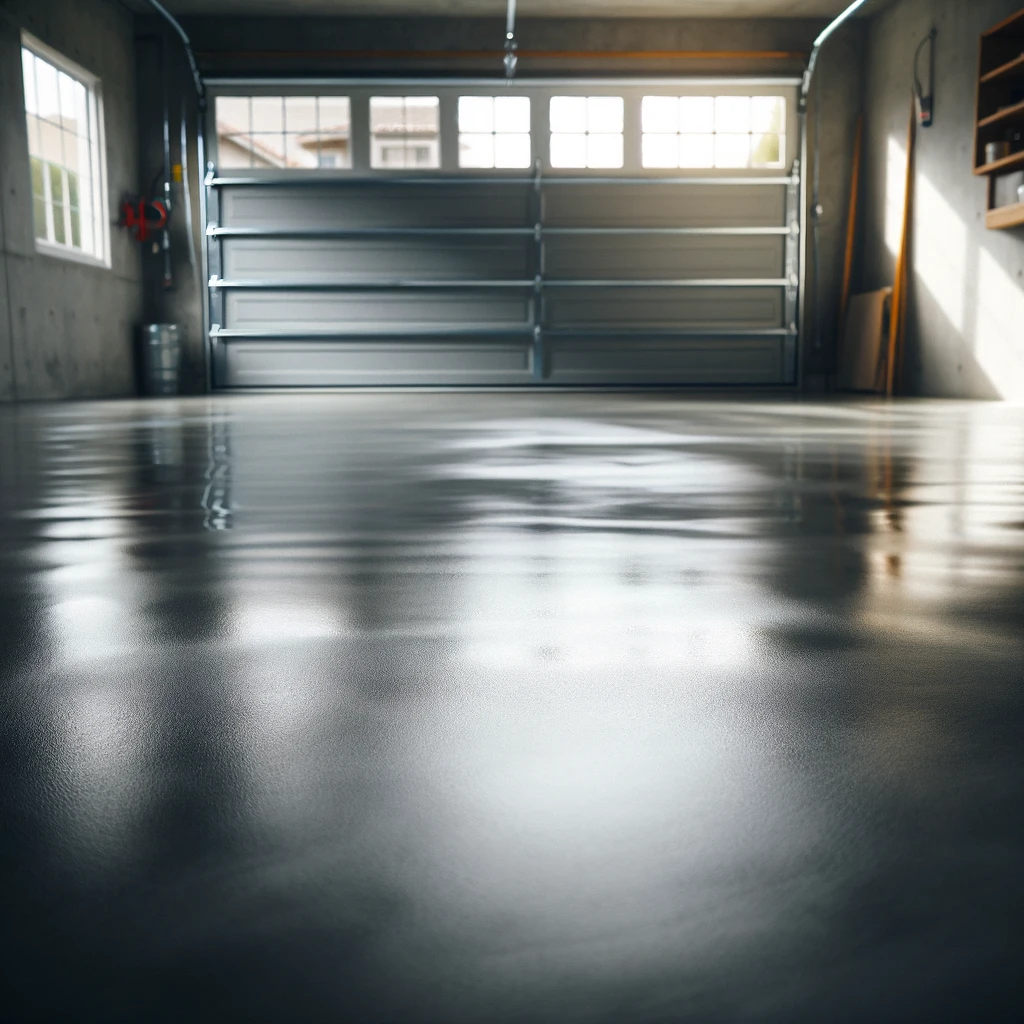
Sealed concrete floors are gaining traction in modern homes due to their strength and aesthetic flexibility. Here are the main advantages:
- Durability: Sealed concrete withstands heavy traffic, tools drops, and chemical spills, making it ideal for a garage environment.
- Low Maintenance: These floors require minimal upkeep beyond regular sweeping and occasional mopping with mild cleaners.
- Cost-Effective: Compared to other flooring options like epoxy or tile, sealed concrete is more affordable and offers a longer lifespan.
- Aesthetic Versatility: With a variety of stains and finishes, sealed concrete can enhance the appearance of any garage.
- Moisture Resistance: Properly sealed concrete prevents moisture penetration, reducing the risk of mold and mildew.
Sealed concrete is not only practical but also enhances the functionality and style of garage spaces.
Cons of Sealed Concrete for Garage Floors
While sealed concrete floors offer many benefits, there are some drawbacks to consider:
- Hardness: The surface can be hard on the feet and may cause discomfort during prolonged standing.
- Slippery When Wet: Sealed surfaces can become slippery if wet, which could pose a hazard without proper texturing.
- Cold: Concrete does not insulate well, so it can feel cold to the touch, especially in winter.
- Regular Reapplication: The sealant will need to be reapplied every few years to maintain its effectiveness.
- Professional Installation Recommended: For best results, professional installation is advised, which can add to the initial cost.
Understanding these cons will help homeowners make an informed decision about their garage flooring.
Recommended Tools for Sealing Concrete
To effectively seal your garage concrete floor, you’ll need the following tools:
- Concrete Cleaner: To ensure the sealant adheres well, start with a thoroughly cleaned surface.
- Pressure Washer: This is essential for removing any deep-seated dirt and grime.
- Concrete Etcher: For new concrete, etching helps in opening the pores of the concrete to absorb the sealant better.
- Roller or Sprayer: These are used to apply the sealant evenly across the surface.
- Protective Gear: Always wear gloves, goggles, and masks to protect yourself from harmful chemicals.
With these tools, you can prepare and seal your garage floor effectively, ensuring a durable and attractive finish.
Comparisons with Other Garage Floor Options
Sealed concrete is often compared to other popular garage floor options like epoxy coatings, tiles, and mats. Here’s how they stack up:
- Epoxy Coatings: While more durable and resistant to chemicals, epoxy can be more expensive and difficult to apply.
- Tiles: Tiles offer easier installation and repair but can be more costly and less durable under heavy load.
- Mats: Rubber mats provide excellent comfort and are easy to install, but they do not offer the same level of protection or longevity as sealed concrete.
Each option has its strengths, but sealed concrete generally provides a good balance of durability, cost, and ease of maintenance.
Tips & Tricks for Maintaining Sealed Concrete
To extend the life of your sealed concrete garage floor, consider these tips:
- Regular Cleaning: Keep the floor free of debris and spills to prevent staining and deterioration.
- Immediate Spill Cleanup: Quickly cleaning up oil and chemicals helps maintain the integrity of the sealant.
- Use Floor Mats: Placing mats in high-traffic areas can reduce wear.
- Annual Checks: Inspect the floor annually for signs of wear or damage, particularly in high-use areas.
- Reapply Sealant as Needed: Depending on the level of traffic and exposure, reapply the sealant every 2-5 years.
These practices will help keep your sealed concrete garage floor in top condition for years to come.
FAQs about Sealed Concrete for Garage Floors
Q: How much does it cost to seal a concrete garage floor? A: The cost can vary based on the size of your garage and the type of sealant used, but generally, it ranges from $0.15 to $0.50 per square foot for the sealant alone. Professional installation can add to the cost.
Q: How long does a sealed concrete floor last? A: With proper maintenance, a sealed concrete floor can last from 5 to 10 years before needing a reseal, depending on the traffic and use.
Q: Can I seal my concrete garage floor myself? A: Yes, it is possible to DIY, but for best results, especially for high-performance finishes, professional application is recommended.
Updates and Future Considerations
As technology advances, new types of concrete sealants are being developed that offer improved durability, faster curing times, and enhanced resistance to chemicals and stains. Homeowners interested in the latest advancements should keep an eye on new product releases and industry updates to take advantage of these improvements when updating or installing their garage floors.
This comprehensive guide provides all the information needed to understand the benefits and considerations of sealed concrete floors in garages. Whether you’re planning a new installation or maintaining an existing floor, these insights will help you achieve the best results.