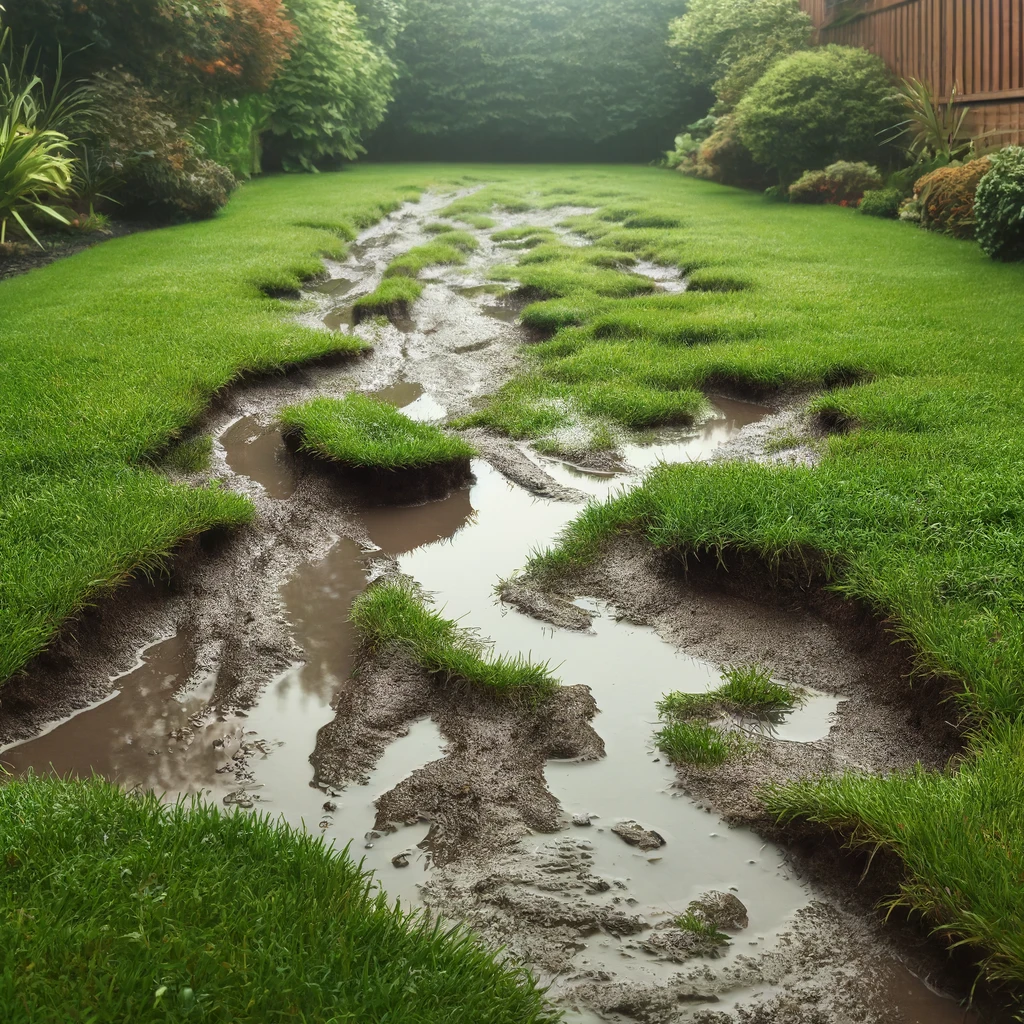
Experiencing bad yard drainage can be frustrating, leading to a soggy garden or worse, structural damage to your home. This guide will help you understand the various methods available to improve drainage and protect your property.
Pros of Fixing Bad Yard Drainage
- Prevents Water Damage: Proper drainage can prevent water from pooling around your foundation, protecting your home from potential water damage.
- Enhances Landscape Viability: Ensures that water doesn’t drown out your plants, maintaining the health and beauty of your landscaping.
- Increases Property Value: A well-drained yard is a key selling point, potentially increasing your home’s market value.
- Reduces Mosquito Activity: By eliminating standing water, you reduce breeding grounds for mosquitoes, enhancing outdoor comfort.
- Improves Outdoor Usability: With better drainage, your yard remains usable even after heavy rains.
Improving drainage in your yard can drastically reduce the risks of water damage and create a healthier environment for your landscaping efforts.
Cons of Ignoring Bad Yard Drainage
- Structural Risk: Over time, water pooling can weaken foundations, leading to costly repairs.
- Garden Damage: Excess water can kill plants and erode garden beds, ruining your landscaping.
- Increased Maintenance Costs: Without proper drainage, you might spend more on landscape and foundation repairs.
- Pest Problems: Standing water can attract pests like mosquitoes, making your yard less enjoyable.
- Mold and Mildew Growth: Moist conditions promote the growth of mold and mildew, which can affect outdoor and indoor air quality.
Neglecting yard drainage issues can lead to numerous problems, from structural damage to increased pest activity, which are costly and detrimental to your home’s health and aesthetics.
Recommended Tools for the Project
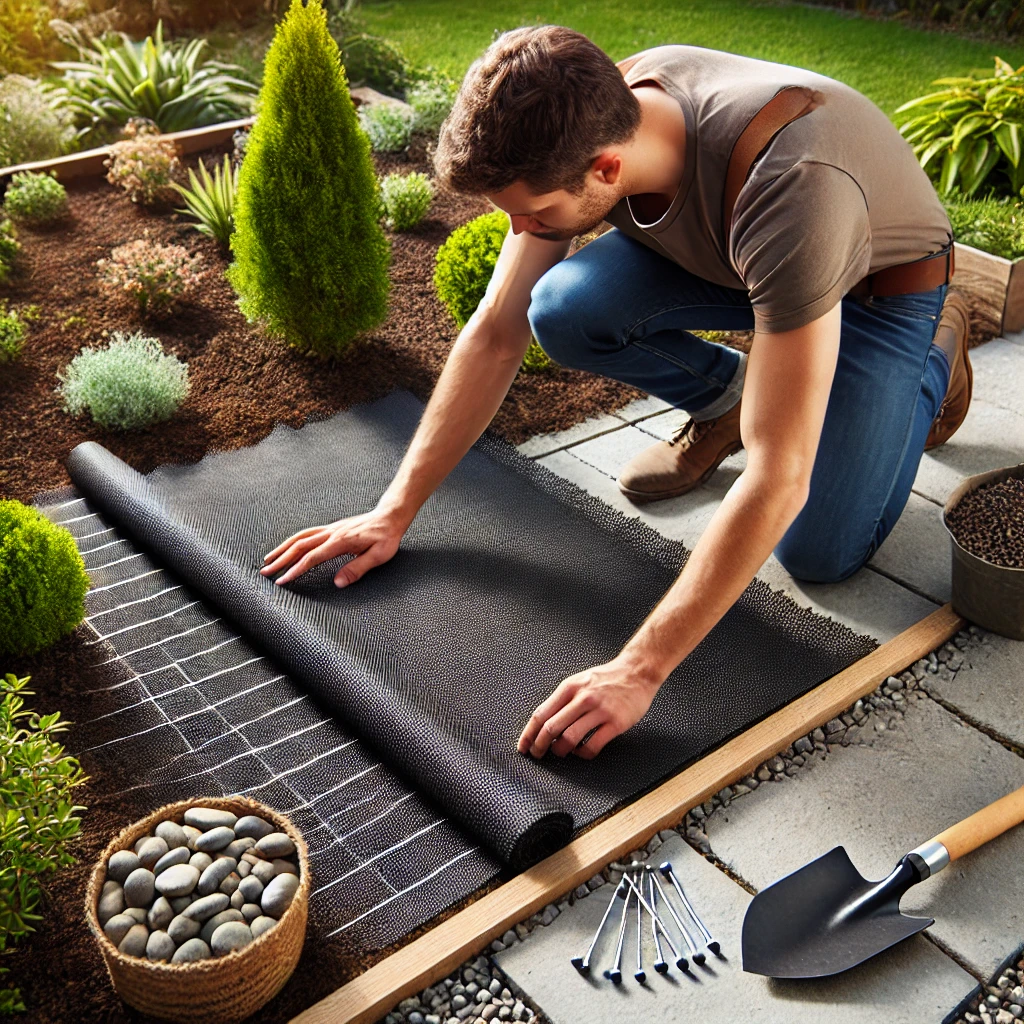
- French Drain Supplies: Perforated pipes, gravel, and landscape fabric.
- Catch Basins and Grates: For areas with surface water collection.
- Sump Pump: For extreme water collection that needs to be pumped away.
- Spades and Shovels: For trenching and excavating.
- Landscape Trowel: For finer grading and small adjustments.
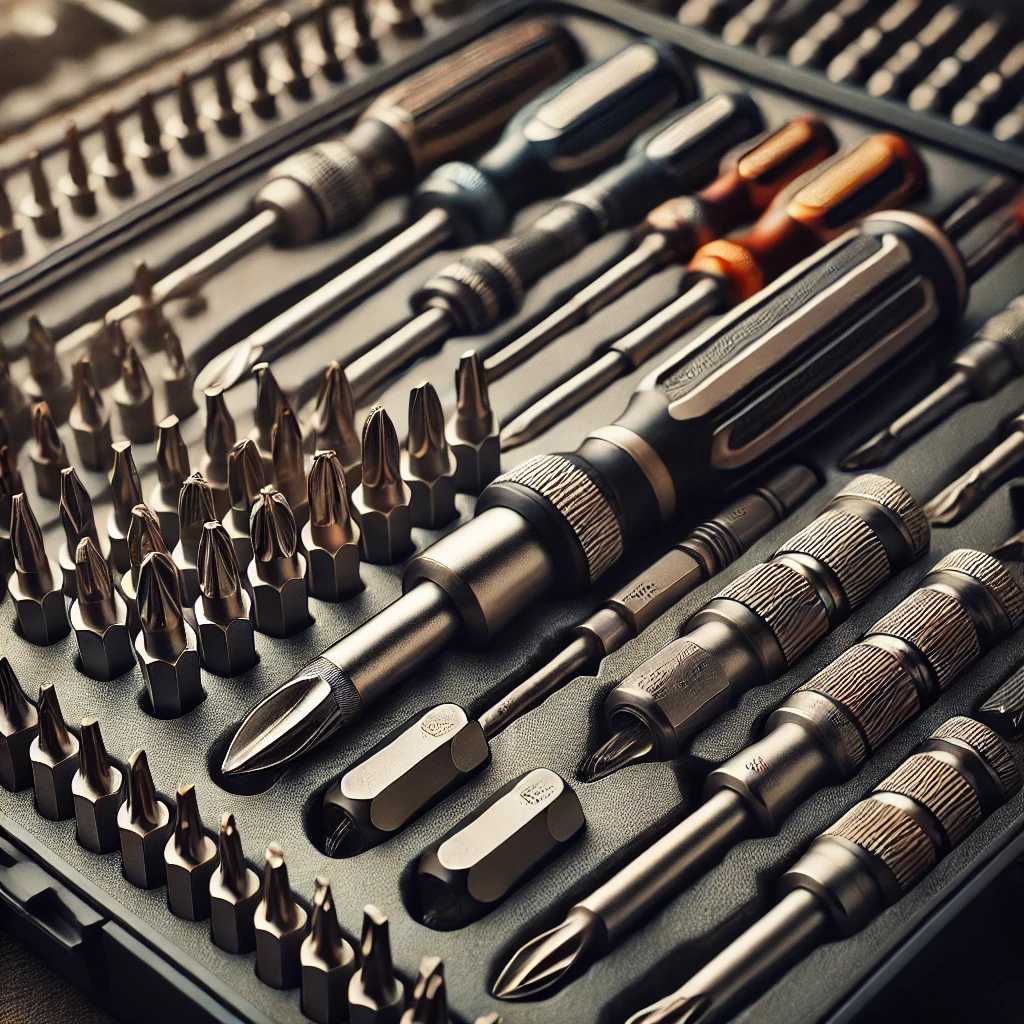
Using the right tools can simplify the process of improving yard drainage, ensuring that you can effectively redirect water away from problem areas.
Comparisons: Drainage Solutions
- French Drains vs. Dry Wells: French drains are great for dispersing water along a long path, while dry wells are ideal for collecting and dispersing water from a central point.
- Grading vs. Swales: Grading involves reshaping the yard to direct water flow, whereas swales are shallow trenches that channel water away.
- Natural Solutions vs. Mechanical Pumps: Using the landscape’s natural slope can be a cost-effective solution, while sump pumps are necessary in flat areas without natural drainage.
Understanding the different types of drainage solutions can help you choose the most effective method for your specific yard issues.
Tips & Tricks for Effective Drainage
- Assess Your Yard in the Rain: Observe how and where water accumulates.
- Consult with Professionals: When in doubt, hiring a landscape architect or drainage expert can provide customized solutions.
- Regular Maintenance: Keep drainage paths clear of debris to prevent clogging.
- Use Native Plants: These are often more tolerant of local soil and water conditions.
- Incorporate Rain Gardens: These can be attractive and natural ways to handle excess water.
Implementing these tips can maximize the efficiency of your drainage solutions and ensure long-term effectiveness.
FAQs
- Q: How often should drainage systems be checked?
- A: Check your drainage systems at least twice a year, typically in spring and fall, to ensure they are clear of obstructions and functioning properly.
- Q: Can landscaping affect yard drainage?
- A: Yes, the type of plants and the layout of your landscaping can significantly influence water flow in your yard.
- Q: What is the best time to fix yard drainage?
- A: Early spring or fall is ideal, as the weather is cooler and rainfall is typically lighter, making it easier to work the soil and observe water patterns.
Cost Considerations
Implementing a yard drainage system can vary widely in cost, depending on the complexity of the problem and the solutions implemented. Simple projects like re-grading or adding downspout extensions may only cost a few hundred dollars, while more extensive solutions like installing French drains or sump pumps can range from $1,000 to $5,000 or more.
Updates and Future Considerations
As climate patterns change and residential landscapes evolve, staying updated on the latest drainage technologies and methods is crucial. Future updates to your drainage systems might include integrating smart home technology to monitor soil moisture levels and automatically activate pumps or open drains as needed.
Conclusion
Fixing bad yard drainage is essential for maintaining the structural integrity of your home and the health of your garden. By understanding the pros and cons, employing the right tools, and following effective strategies, you can ensure proper water management in your yard.