Pros of Building a Small Garden
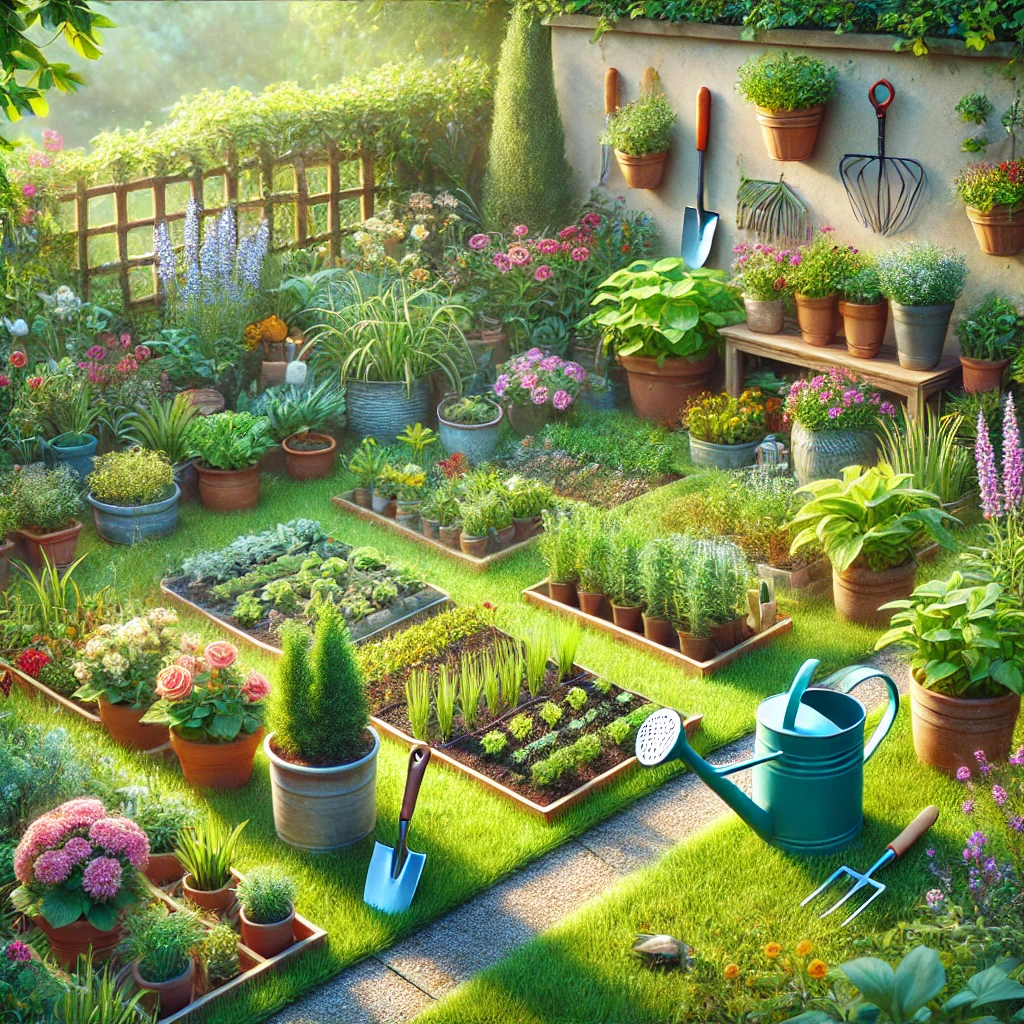
Building a small garden can be a rewarding project that offers numerous benefits, both practical and aesthetic. Whether you have limited space or simply prefer a more manageable gardening area, a small garden can bring joy and beauty to your living space.
- Space Efficiency: A small garden requires less space, making it ideal for urban settings, apartments, or homes with limited yard space. You can maximize the use of available space by choosing compact plants and vertical gardening techniques.
- Ease of Maintenance: With a smaller garden, maintenance tasks such as weeding, watering, and pruning are more manageable. This allows for a more relaxed gardening experience, especially for beginners or those with busy schedules.
- Cost-Effective: Building and maintaining a small garden typically requires fewer materials, tools, and plants, making it a more affordable option for those on a budget. This means you can invest in quality tools from JB Tools without breaking the bank. (Check out their range here.)
- Personalization: A small garden provides an opportunity to create a personalized space that reflects your style and preferences. You can experiment with different plant combinations, decorative elements, and layouts without overwhelming yourself.
- Environmental Impact: Even a small garden can contribute positively to the environment by providing a habitat for pollinators, reducing your carbon footprint, and promoting biodiversity.
Cons of Building a Small Garden
While small gardens offer many benefits, there are also some challenges and limitations to consider.
- Limited Plant Variety: Due to space constraints, the variety of plants you can grow may be limited. This can be frustrating if you have a wide range of gardening interests or specific plants in mind.
- Restricted Growth: Plants in small gardens may be more prone to overcrowding, which can limit their growth and health. Careful planning and spacing are crucial to avoid these issues.
- Less Yield: If you’re planning to grow vegetables or fruits, a small garden may not yield as much produce as a larger garden. This could be a drawback if you’re hoping to grow a substantial portion of your food.
- Sunlight and Water Limitations: In a small garden, plants may compete for sunlight and water, especially if space is tight. Ensuring that all plants receive adequate resources can be challenging.
- Initial Setup Challenges: Designing and setting up a small garden can be more challenging than it seems. Finding the right balance between aesthetics and functionality requires careful planning and consideration.
Recommended Tools for Building a Small Garden
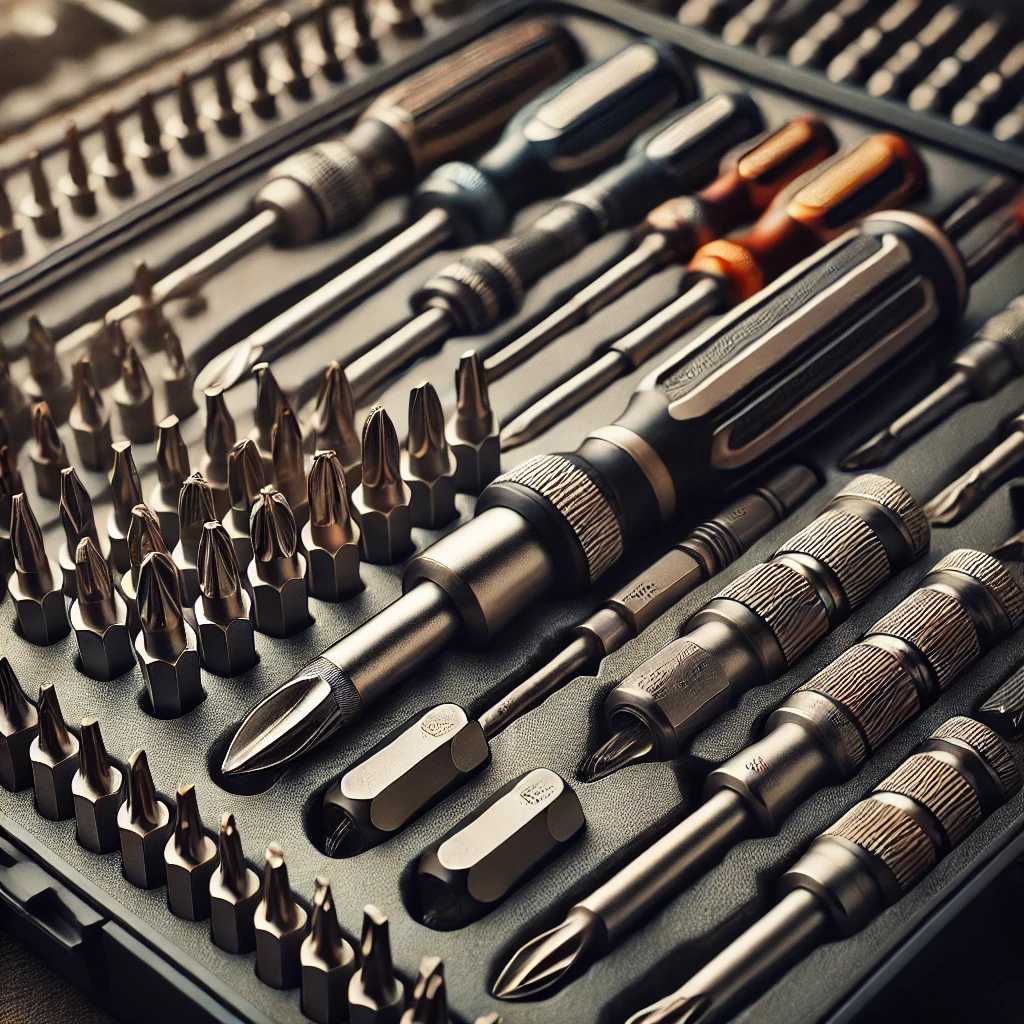
To build a small garden effectively, you’ll need the right tools to ensure a successful and enjoyable gardening experience. Below are some recommended tools that can help you achieve your gardening goals.
- Garden Trowel: A versatile tool for digging small holes, planting seeds, and transplanting seedlings. A good-quality trowel will make your gardening tasks easier and more efficient.
- Pruning Shears: Essential for trimming and shaping plants, pruning shears help maintain the health and appearance of your garden. They are especially useful for cutting back overgrown plants in a small space.
- Garden Gloves: Protect your hands from dirt, thorns, and sharp objects with a sturdy pair of garden gloves. They provide comfort and safety while working in your garden.
- Watering Can: A small garden requires regular watering, and a watering can with a long spout allows you to reach all areas without disturbing delicate plants.
- Garden Fork: A garden fork is useful for loosening soil, removing weeds, and aerating the ground. It helps improve soil structure and promotes healthy plant growth.
For a complete list of essential gardening tools, visit this tools and equipment page.
Necessary Steps to Build a Small Garden (1-10)
Building a small garden involves several key steps that will help you create a thriving and beautiful space. Here’s a step-by-step guide to get you started.
- Choose the Location: Select a suitable location for your garden, considering factors such as sunlight, accessibility, and proximity to water sources. This will be the foundation of your garden’s success.
- Plan Your Layout: Sketch a layout of your garden, including the placement of plants, pathways, and decorative elements. This planning phase will help you make the most of the available space.
- Prepare the Soil: Good soil is the key to healthy plants. Start by clearing the area of weeds, rocks, and debris. Then, enrich the soil with compost or organic matter to create a fertile environment.
- Select Your Plants: Choose plants that are suitable for your climate, soil type, and garden size. Consider a mix of flowers, vegetables, and herbs to add variety and functionality.
- Planting: Follow the planting instructions for each type of plant, paying attention to spacing, depth, and watering needs. Group plants with similar requirements together for easier care.
- Install Irrigation: Set up a simple irrigation system, such as a drip line or soaker hose, to ensure consistent watering. This is especially important in small gardens where space is limited.
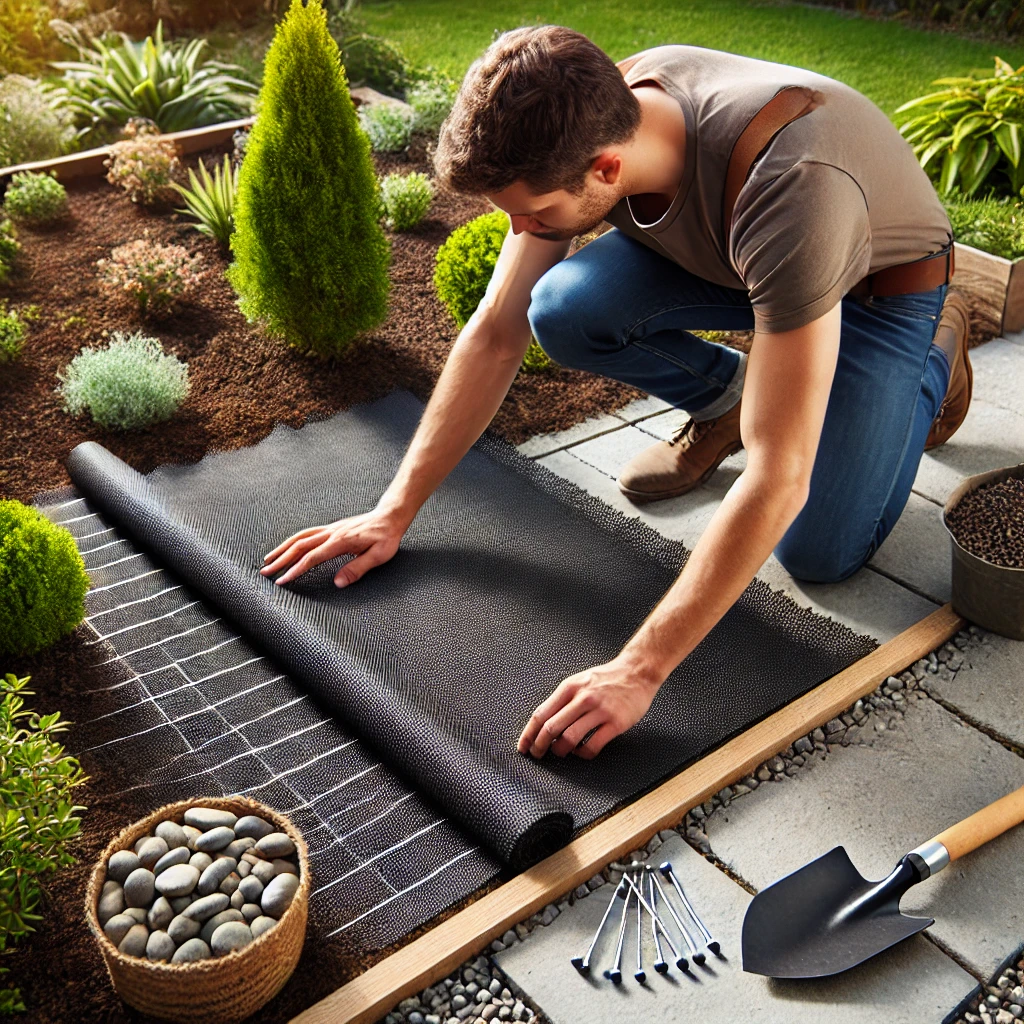
- Add Mulch: Apply a layer of mulch around your plants to retain moisture, suppress weeds, and improve soil health. Mulch also adds a finished look to your garden.
- Create Pathways: If space allows, add small pathways using stepping stones or gravel. Pathways not only enhance the aesthetics but also provide easy access to all parts of your garden.
- Decorate with Accessories: Enhance your garden with decorative elements such as garden ornaments, bird feeders, or small water features. These accessories add personality and charm.
- Maintain Regularly: Regular maintenance is essential to keep your small garden thriving. This includes watering, weeding, pruning, and monitoring for pests and diseases.
Comparisons
When deciding to build a small garden, it’s helpful to compare different approaches and techniques to find what works best for your space and goals.
- Container Gardening vs. Ground Planting: Container gardening offers flexibility and mobility, making it ideal for small spaces. However, ground planting allows for deeper root growth and may be better for certain plants.
- Vertical Gardening vs. Horizontal Gardening: Vertical gardening maximizes space by growing plants upward, which is great for small areas. Horizontal gardening provides more traditional planting options but requires more space.
- Organic Gardening vs. Conventional Gardening: Organic gardening focuses on natural methods and avoiding synthetic chemicals. It can be more sustainable but may require more time and effort. Conventional gardening often uses fertilizers and pesticides for quicker results but may not be as eco-friendly.
Tips & Tricks
Building a small garden can be a fun and fulfilling project with the right tips and tricks to guide you.
- Start Small: If you’re new to gardening, start with a small section of your garden. This allows you to learn and adjust without becoming overwhelmed.
- Use Companion Planting: Planting certain plants together can improve growth and deter pests. For example, basil can enhance the flavor of tomatoes and repel insects.
- Choose Low-Maintenance Plants: Opt for plants that are easy to care for, especially if you have limited time. Succulents, herbs, and native plants are great options.
- Rotate Crops: If you’re growing vegetables, practice crop rotation to prevent soil depletion and reduce the risk of pests and diseases.
- Maximize Vertical Space: Use trellises, wall-mounted planters, and hanging baskets to grow plants vertically. This is an excellent way to make the most of a small garden space.
FAQs (Frequently Asked Questions)
Q: How much sunlight does a small garden need? A: Most plants require at least 6 hours of sunlight daily. However, some plants can thrive in partial shade. It’s important to choose plants that match the light conditions of your garden.
Q: Can I grow vegetables in a small garden? A: Absolutely! Many vegetables can be grown in small gardens, especially if you use container gardening or vertical gardening techniques. Lettuce, tomatoes, and herbs are great choices.
Q: How do I prevent pests in a small garden? A: Regularly inspect your plants for signs of pests and take action quickly. Use natural pest control methods, such as introducing beneficial insects, using organic sprays, or applying barriers like netting.
Q: What are some low-maintenance plants for a small garden? A: Low-maintenance plants include succulents, lavender, thyme, and native plants that are well-suited to your local climate. These plants require minimal care and are ideal for beginners.
Q: How often should I water my small garden? A: Watering frequency depends on the plants and the weather conditions. Generally, it’s best to water deeply but less frequently, allowing the soil to dry slightly between watering sessions.
Updates and Future Considerations
As your small garden evolves, you may want to make updates or consider future expansions.
- Seasonal Planting: Rotate your plants seasonally to keep your garden vibrant year-round. Consider planting flowers in the spring and summer, and vegetables or herbs in the fall.
- Expanding Your Garden: If you find that you enjoy gardening, you might want to expand your garden over time. Consider adding more plants, creating new garden beds, or incorporating additional decorative elements.
- Incorporating Technology: Explore the use of garden technology, such as automated irrigation systems, garden apps for planning and tracking, and solar-powered lighting to enhance your garden’s efficiency and beauty.
Cost or Price Considerations
The cost of building a small garden can vary depending on the materials, plants, and tools you choose. Here’s a breakdown of potential costs:
- Plants: Depending on the variety and size, plants can range from a few dollars to over $20 each. Consider starting with smaller plants or seeds to save money.
- Soil and Compost: Quality soil and compost are essential for plant health. Expect to spend around $10-$20 per bag, depending on the quantity and quality.
- Tools: Investing in good-quality tools is important for long-term gardening success. Basic tools like a trowel, pruners, and a watering can might cost between $50-$100. You can find quality tools at JB Tools.
- Mulch and Decorative Elements: Mulch can cost around $5-$10 per bag, while decorative elements like stones, statues, or lighting can add to the overall expense.
Overall, building a small garden is a manageable and rewarding project that doesn’t have to break the bank. With careful planning and budgeting, you can create a beautiful garden space that brings joy and relaxation.