Maintaining a lush, green lawn can be rewarding, but it also demands significant time and effort. If you’re wondering how to reduce lawn care, you’re not alone. Many homeowners are seeking ways to simplify their lawn maintenance routine without compromising the beauty of their outdoor spaces. This guide will walk you through the pros and cons of reducing lawn care, recommended tools, necessary steps, comparisons, tips, FAQs, updates, and cost considerations.
Pros of Reducing Lawn Care
Reducing lawn care has numerous advantages, particularly for those with busy schedules or those looking to minimize their environmental impact. Here’s a detailed look at the benefits:
- Less Time-Consuming: By reducing lawn care, you free up valuable time to spend with family, pursue hobbies, or simply relax. Minimal lawn care practices, such as using low-maintenance grass types, reduce the need for frequent mowing, fertilizing, and watering.
- Cost Savings: Reducing the need for lawn care services or purchasing expensive fertilizers, herbicides, and water can lead to significant cost savings over time. Switching to a low-maintenance lawn reduces the financial burden of maintaining a traditional lawn.
- Environmental Benefits: Less frequent mowing means fewer emissions from gas-powered mowers. Additionally, using drought-resistant plants and minimizing chemical treatments helps protect the local ecosystem and reduces water consumption.
- Aesthetic Flexibility: A reduced lawn care approach allows for more creativity in your landscape design. Incorporate rock gardens, native plants, and ground covers to create a visually appealing yard that requires minimal upkeep.
- Healthier Soil: Reducing chemical use and frequent watering can improve soil health. Healthier soil leads to stronger, more resilient plants that require less attention and care.
These advantages make reducing lawn care an appealing option for many homeowners. If you’re interested in implementing these strategies, read on to learn about the potential downsides and how to mitigate them.
Cons of Reducing Lawn Care
While reducing lawn care has many benefits, it’s essential to consider the potential drawbacks. Understanding these cons will help you make informed decisions:
- Initial Setup Costs: Transitioning to a low-maintenance lawn might require an upfront investment in new plants, materials, and landscaping tools. While long-term costs are reduced, the initial expenses can be significant.
- Limited Grass Variety: Opting for drought-resistant or slow-growing grasses might limit your choices. Some homeowners prefer the look of traditional lawns, which might not be as achievable with low-maintenance options.
- Weed Growth: Without regular care, weeds can take over your lawn more quickly. You may need to invest in weed barriers or specific treatments to manage this issue.
- Less Green Lawn: Depending on your choices, a low-maintenance lawn might not be as lush or green as a traditionally maintained lawn. Some homeowners might miss the look of a perfectly manicured lawn.
- Learning Curve: Adopting new lawn care practices requires learning and adjusting to different techniques. This can be time-consuming initially as you figure out what works best for your lawn.
Despite these challenges, with the right strategies and tools, you can successfully reduce lawn care and still enjoy a beautiful outdoor space.
Recommended Tools for the Project
Reducing lawn care requires the right tools to ensure efficiency and effectiveness. Below are some essential tools that can help you achieve a low-maintenance lawn:
- Mulching Mower: A mulching mower allows you to leave grass clippings on the lawn, which decompose and return nutrients to the soil, reducing the need for fertilizers.
- Drip Irrigation System: This efficient watering method targets the roots directly, reducing water waste and preventing overwatering, which can lead to weed growth.
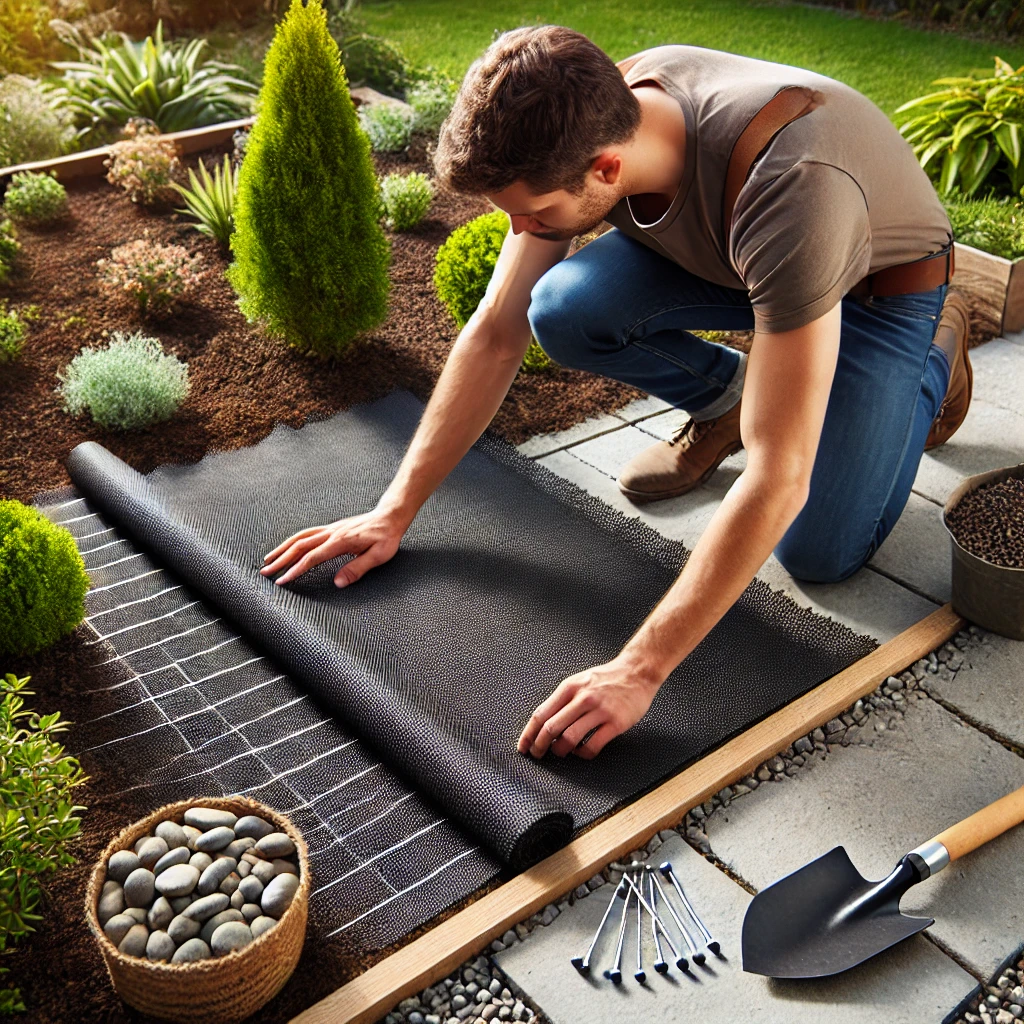
- Weed Barrier Fabric: Installing weed barriers can minimize the growth of unwanted plants, reducing the need for frequent weeding.
- Low-Maintenance Grass Seed: Consider grasses like zoysia or fescue, which require less water, fertilizer, and mowing.
- Garden Hoe and Rake: These simple tools are essential for maintaining a low-maintenance lawn, especially for removing weeds and keeping soil aerated.
For a comprehensive guide to all the tools you might need, visit Total Home Handbook and make sure your toolkit is complete.
Necessary Steps (1-10)
To successfully reduce lawn care, follow these ten essential steps:
- Assess Your Lawn: Start by evaluating your lawn’s current condition. Identify areas that require the most maintenance and consider how you can simplify your care routine.
- Choose Low-Maintenance Grass: Select drought-resistant and slow-growing grass types that require less watering and mowing.
- Install Mulch and Ground Covers: Use mulch around trees, shrubs, and garden beds to reduce water evaporation and weed growth.
- Implement Drip Irrigation: Set up a drip irrigation system to target watering needs efficiently, reducing water usage and preventing overwatering.
- Create Natural Borders: Use rocks, plants, or mulch to create natural borders that reduce the amount of lawn area that needs to be maintained.
- Plant Native Species: Incorporate native plants that thrive in your local climate, reducing the need for extra care and watering.
- Use Organic Fertilizers: Switch to organic fertilizers that promote healthy soil and reduce the need for chemical treatments.
- Schedule Less Frequent Mowing: Set your mower blades higher and mow less frequently, which promotes stronger root growth and reduces the need for constant care.
- Apply Weed Barriers: Install weed barrier fabric in areas prone to weed growth to minimize the need for manual weeding.
- Monitor and Adjust: Regularly monitor your lawn’s progress and make adjustments as necessary. Small changes can significantly reduce the overall care needed.
These steps will guide you towards a low-maintenance lawn that is both beautiful and easy to care for.
Comparisons
When considering how to reduce lawn care, it’s helpful to compare different strategies. Here’s a comparison of traditional lawn care versus low-maintenance lawn care:
- Water Usage: Traditional lawns require frequent watering, often leading to higher water bills and wasted resources. Low-maintenance lawns use drought-resistant plants and efficient irrigation systems to significantly reduce water usage.
- Time Investment: Maintaining a traditional lawn can be time-consuming, with frequent mowing, fertilizing, and weeding. Low-maintenance lawns, by contrast, require less frequent attention and can be managed with minimal effort.
- Cost: The costs associated with traditional lawn care can add up over time, from water bills to lawn care products. Low-maintenance lawns, while sometimes requiring an initial investment, tend to be more cost-effective in the long run.
- Aesthetic Appeal: Traditional lawns often have a uniform, green appearance, which some homeowners prefer. Low-maintenance lawns offer a more varied, natural look that can include diverse plant species and creative landscaping.
- Environmental Impact: Traditional lawn care practices, especially those relying on chemical fertilizers and frequent watering, can negatively impact the environment. Low-maintenance lawns are more eco-friendly, using fewer resources and reducing chemical runoff.
Understanding these comparisons can help you make an informed decision about the best lawn care strategy for your needs.
Tips & Tricks
Reducing lawn care doesn’t have to be complicated. Here are some tips and tricks to make the process easier:
- Start Small: If you’re hesitant about completely overhauling your lawn, start with a small section and implement low-maintenance practices gradually.
- Opt for Ground Covers: Use ground covers like clover or creeping thyme to fill in gaps and reduce the amount of lawn that needs mowing.
- Use Natural Mulch: Mulch made from leaves, grass clippings, or wood chips helps retain moisture and suppress weeds, reducing maintenance needs.
- Consider Artificial Turf: For areas where grass simply won’t grow or requires too much care, artificial turf can be a viable, maintenance-free alternative.
- Regularly Monitor for Weeds: Even with reduced lawn care, it’s important to regularly check for weeds and address them promptly to prevent spreading.
These practical tips can simplify your lawn care routine, making it easier to maintain a beautiful yard with minimal effort.
FAQs
Q: What is the best grass for a low-maintenance lawn?
A: Zoysia, fescue, and buffalo grass are among the best options for a low-maintenance lawn. They require less water and less frequent mowing compared to traditional grass types.
Q: How often should I water a low-maintenance lawn?
A: Watering needs will vary depending on your local climate and grass type, but generally, low-maintenance lawns require far less frequent watering, sometimes as little as once a week or less.
Q: Can I still have a green lawn if I reduce lawn care?
A: Yes, with the right choice of drought-resistant grass and proper care techniques, you can maintain a green, healthy lawn even with reduced maintenance.
Q: Are there any alternatives to grass for my lawn?
A: Yes, alternatives like ground covers, rock gardens, and native plants can create a beautiful landscape that requires little to no mowing.
Q: How do I control weeds in a low-maintenance lawn?
A: Using weed barriers, mulching, and choosing the right plants can significantly reduce weed growth. Regular monitoring
Q: How do I control weeds in a low-maintenance lawn?
A: Using weed barriers, mulching, and choosing the right plants can significantly reduce weed growth. Regular monitoring and promptly removing weeds by hand can also help maintain a weed-free lawn without the need for frequent chemical treatments.
Q: Can I reduce lawn care and still have a lawn that’s safe for pets and children?
A: Absolutely. By opting for organic lawn care methods and choosing non-toxic, drought-resistant grasses, you can create a safe, low-maintenance lawn that’s perfect for children and pets to play on.
Q: What’s the best way to transition from a traditional lawn to a low-maintenance lawn?
A: Start by gradually replacing high-maintenance grass with low-maintenance alternatives, installing drip irrigation, and adding ground covers or mulch. This step-by-step approach allows you to manage the transition smoothly.
Updates and Future Considerations
Reducing lawn care is not a one-time task but an ongoing process that can evolve with your needs and environmental considerations. Here’s what to keep in mind for the future:
- Climate Adaptation: As climate conditions change, consider adapting your lawn care practices accordingly. Opt for grass types and plants that are resilient to your region’s weather patterns.
- Innovative Tools: Stay updated on the latest tools and technologies designed to make lawn care even easier. For instance, robotic lawn mowers and smart irrigation systems can further reduce the time and effort needed to maintain your lawn.
- Sustainable Practices: Incorporate more sustainable practices, such as rainwater harvesting for irrigation or using solar-powered garden tools, to minimize your environmental footprint while reducing lawn care.
- Regular Soil Testing: Periodically test your soil to monitor its health. Adjusting your lawn care practices based on soil quality ensures that your lawn remains healthy and low-maintenance in the long run.
- Community Trends: Engage with your community or local gardening groups to share and learn about low-maintenance lawn trends and practices. Collective knowledge can inspire new ideas and improvements.
As lawn care continues to evolve, staying informed about these future considerations will help you maintain a beautiful, low-maintenance lawn for years to come.
Cost or Price Considerations
One of the most significant factors in reducing lawn care is cost. Here’s a breakdown of the potential costs associated with transitioning to and maintaining a low-maintenance lawn:
- Initial Investment: The initial cost of converting to a low-maintenance lawn can vary. Expenses might include purchasing drought-resistant grass seed, installing a drip irrigation system, or buying mulch and ground covers. These upfront costs are balanced by long-term savings.
- Long-Term Savings: Over time, the savings can be substantial. With less need for water, fertilizers, and lawn care services, you’ll find that a low-maintenance lawn is more cost-effective than a traditional one.
- Tool Costs: Investing in quality tools like a mulching mower or a drip irrigation system might seem expensive initially, but these tools last for years and reduce the ongoing costs of lawn care.
- Water Bills: One of the most significant savings comes from reduced water usage. By switching to drought-resistant plants and more efficient irrigation methods, your water bills will decrease significantly.
- Maintenance Costs: While you might spend less on professional lawn care services, regular maintenance costs, like replacing mulch or occasionally aerating the soil, should be factored into your budget.
Considering these cost factors will help you plan and budget for a low-maintenance lawn, ensuring that it remains both beautiful and affordable.
Conclusion
Reducing lawn care doesn’t mean sacrificing the beauty of your outdoor space. With the right strategies, tools, and a bit of planning, you can enjoy a lush, green lawn without the constant upkeep. Whether you’re looking to save time, money, or simply reduce your environmental footprint, transitioning to a low-maintenance lawn is a practical and rewarding choice.
For all the tools and supplies you need to start reducing your lawn care, don’t forget to visit JB Tools for the best deals and Total Home Handbook for comprehensive guides on essential tools. By taking these steps, you’ll be well on your way to a beautiful, hassle-free lawn.