Granite counters add elegance and durability to any kitchen or bathroom, but maintaining their pristine condition requires proper cleaning techniques. In this guide, we will cover the pros and cons of granite countertops, the recommended tools for cleaning, a detailed 10-step cleaning process, comparisons with other materials, useful tips and tricks, frequently asked questions, updates and future considerations, and the costs associated with cleaning and maintaining granite counters. By following these methods, you’ll learn how to clean granite counters effectively and keep them looking their best.
Pros
Granite countertops are a popular choice for many homeowners due to their numerous advantages:
- Durability: Granite is a hard, resilient stone that can withstand heavy use without showing signs of wear and tear.
- Heat Resistance: Granite counters can handle hot pots and pans without getting damaged, making them ideal for kitchens.
- Aesthetic Appeal: With a variety of colors and patterns, granite adds a touch of luxury and sophistication to any space.
- Value Addition: Installing granite countertops can increase the resale value of your home due to their desirable qualities.
- Low Maintenance: With the right care, granite counters are relatively easy to maintain and keep looking new.
- Natural Stone: Granite is a natural material, giving each countertop a unique appearance.
- Scratch Resistance: The hardness of granite makes it resistant to scratches, maintaining its polished look for years.
Cons
While granite counters have many benefits, there are also some drawbacks to consider:
- Cost: Granite is one of the more expensive countertop materials, both in terms of initial installation and maintenance.
- Porosity: Granite is naturally porous, requiring regular sealing to prevent stains and damage from liquids.
- Weight: Granite is very heavy, necessitating strong cabinetry to support it and professional installation.
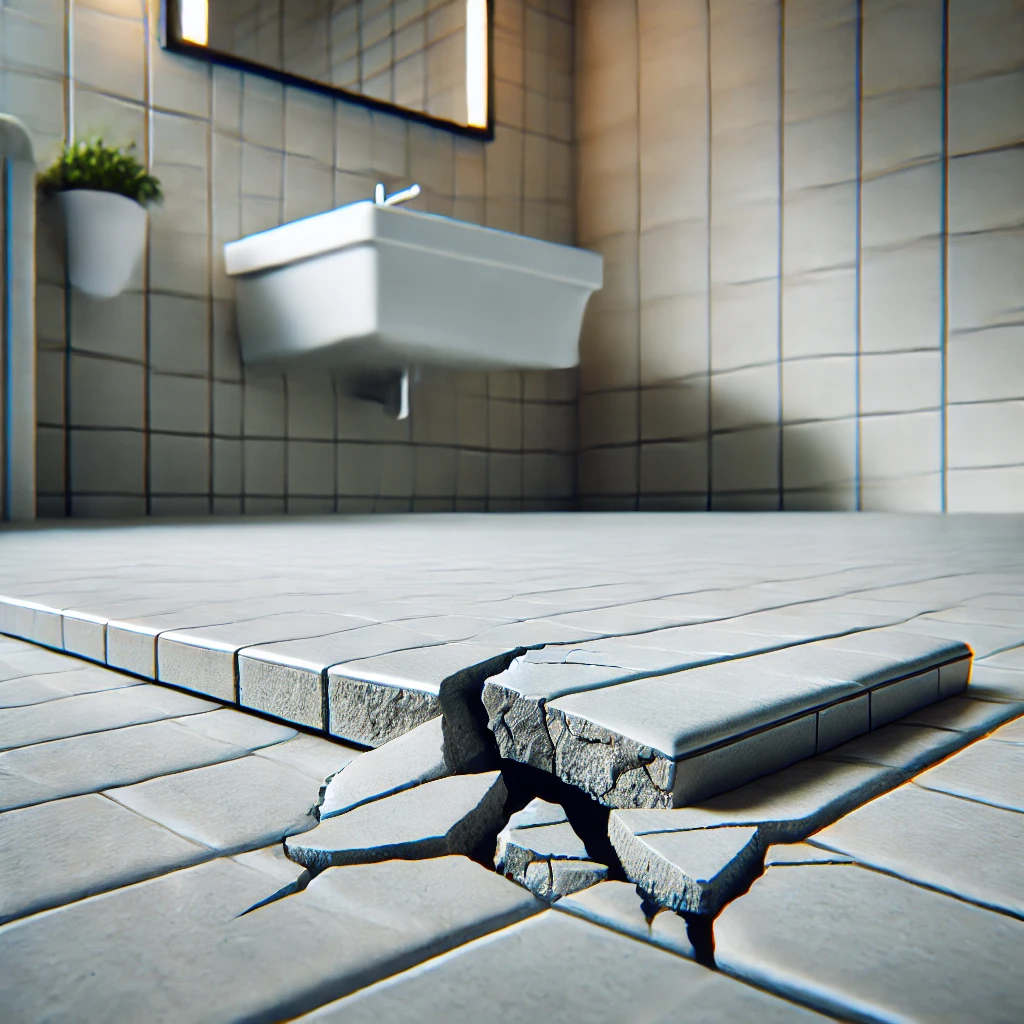
- Repair Difficulty: If a granite countertop does get chipped or cracked, repairs can be challenging and costly.
- Limited Color Range: While granite has many patterns, the color options are more limited compared to engineered materials like quartz.
- Seam Visibility: In larger installations, seams between granite slabs may be visible.
- Chemical Sensitivity: Some common household cleaners can damage granite, requiring the use of specific cleaning products.
Recommended Tools for the Project
To effectively clean granite counters, you’ll need the following tools and supplies:
- pH-neutral cleaner: Specialized granite cleaners that are pH-neutral to avoid damaging the stone.
- Microfiber cloths: Soft cloths that won’t scratch the granite surface.
- Sealer: A high-quality granite sealer to protect the surface from stains and damage.
- Spray bottle: For applying the cleaner and sealer evenly across the countertop.
- Soft-bristled brush: To gently scrub away any stubborn dirt or grime without scratching the surface.
- Paper towels: For wiping down the counters and drying the surface after cleaning.
- Warm water: To mix with the cleaner and rinse the surface.
- Isopropyl alcohol: For disinfecting the surface without causing damage.
- Rubber gloves: To protect your hands from the cleaner and sealer.
- Polishing cloth: To buff the granite and restore its shine.
Necessary Steps (1-10)
Here are the steps to clean your granite counters effectively:
- Clear the Countertop: Remove all items from the counter to have an unobstructed surface to clean.
- Dust the Surface: Use a microfiber cloth to dust off any loose debris and crumbs.
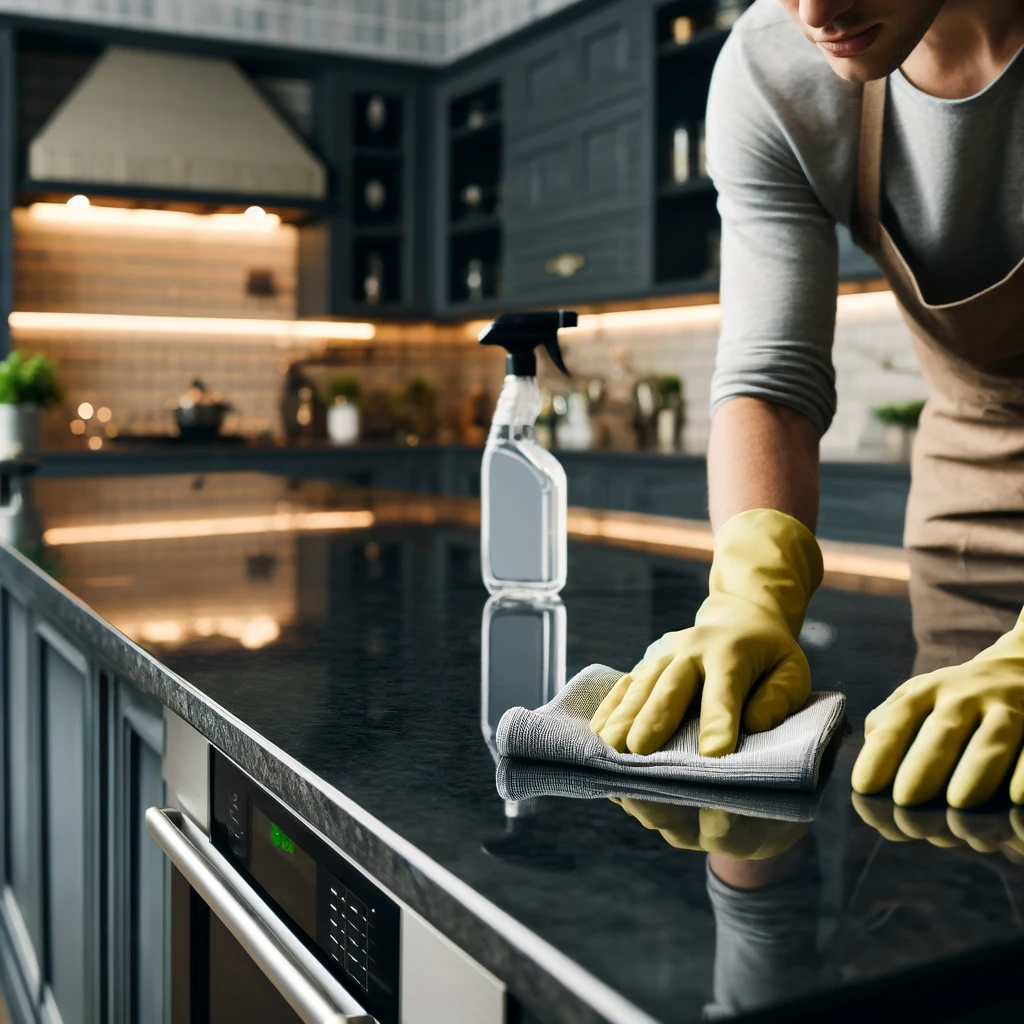
- Apply the Cleaner: Spray a pH-neutral granite cleaner onto the surface, covering the entire area evenly.
- Wipe Down the Counter: Use a clean microfiber cloth to wipe down the counter in a circular motion.
- Scrub Stubborn Spots: Use a soft-bristled brush to gently scrub any stubborn spots or stains.
- Rinse with Warm Water: Dampen a clean cloth with warm water and wipe down the counter to remove any cleaner residue.
- Dry the Surface: Use paper towels or a dry microfiber cloth to dry the surface thoroughly.
- Apply Sealer: Spray a granite sealer onto the surface, following the manufacturer’s instructions for coverage.
- Buff the Counter: Use a polishing cloth to buff the surface and restore its shine.
- Replace Items: Once the counter is dry and polished, replace any items you removed earlier.
Comparisons
When choosing a countertop material, it’s important to compare granite with other popular options:
- Granite vs. Quartz: Quartz countertops are more uniform in color and pattern, require less maintenance, and are non-porous, but they can be more expensive than granite.
- Granite vs. Marble: Marble offers a more elegant and classic look but is softer and more prone to scratches and stains compared to granite.
- Granite vs. Laminate: Laminate is much cheaper and easier to install, but it lacks the durability and heat resistance of granite.
- Granite vs. Concrete: Concrete can be customized in terms of color and finish, but it requires more maintenance and is prone to cracking.
- Granite vs. Butcher Block: Butcher block offers a warm, natural look but requires frequent sealing and can be damaged by water and stains.
Tips & Tricks
To maintain your granite counters and keep them looking their best, follow these tips and tricks:
- Use Coasters and Trivets: Prevent damage from hot pots and acidic beverages by using coasters and trivets.
- Avoid Harsh Cleaners: Steer clear of cleaners containing bleach, ammonia, or acidic substances like vinegar.
- Clean Spills Immediately: Wipe up spills as soon as they happen to prevent staining.
- Regular Sealing: Seal your granite countertops every 6 to 12 months to maintain their protective barrier.
- Cutting Boards: Always use cutting boards to avoid scratching the granite surface.
- Soft Cloths: Use only soft microfiber cloths for cleaning to avoid scratching the surface.
- Gentle Scrubbing: For stubborn stains, use a soft-bristled brush rather than abrasive pads.
- Polish Regularly: Polish your granite counters to keep them shiny and free of smudges.
- Use Mild Soaps: If you run out of granite cleaner, use a mild dish soap diluted in water.
FAQs
Q: Can I use vinegar to clean granite countertops?
A: No, vinegar is acidic and can etch the surface of the granite, leading to dullness and damage. Use a pH-neutral cleaner specifically designed for granite.
Q: How often should I seal my granite countertops?
A: It is recommended to seal granite countertops every 6 to 12 months, depending on the level of use and type of granite.
Q: What should I do if my granite countertop gets a stain?
A: For stains, create a paste using baking soda and water, apply it to the stain, cover with plastic wrap, and let it sit overnight. Rinse and wipe clean the next day.
Q: Can granite countertops be repaired if they chip or crack?
A: Yes, minor chips and cracks can be repaired using epoxy or resin fillers. For significant damage, it’s best to consult a professional.
Q: Are granite countertops safe for food preparation?
A: Yes, granite countertops are safe for food preparation when properly sealed and cleaned. Use a cutting board to prevent scratches and cross-contamination.
Updates and Future Considerations
Granite countertops continue to be a popular choice for homeowners, but new trends and advancements in materials may influence future decisions:
- Eco-friendly Options: Sustainable and eco-friendly countertop materials are becoming more popular, offering alternatives to natural stone.
- Enhanced Sealers: Newer sealers provide longer-lasting protection and make maintenance even easier.
- Innovative Designs: Advancements in technology allow for more intricate and customized granite designs and patterns.
- Smart Kitchens: Integration of technology in kitchen design may influence the choice of countertop materials and their maintenance.
- Durability Improvements: Research and development are leading to even more durable and resilient granite products.
Cost or Price
The cost of cleaning and maintaining granite countertops can vary depending on several factors:
- Initial Investment: Granite countertops typically cost between $50 to $200 per square foot, including installation.
- Cleaning Products: Specialized granite cleaners and sealers can range from $10 to $30 per bottle.
- Professional Services: Hiring professionals for sealing and polishing can cost around $100 to $300, depending on the size of the countertop.
- DIY Maintenance: Regular DIY maintenance, including cleaning and sealing, can cost less than $50 per year.
- Repairs: Minor repairs can cost between $50 to $200, while significant damage may require professional intervention, costing more.
Investing in proper maintenance and cleaning products can extend the life of your granite countertops, making them a cost-effective choice in the long run.
Conclusion
Cleaning granite counters involves the right tools, techniques, and regular maintenance. By following the steps and tips outlined in this guide, you can keep your granite countertops looking beautiful and pristine for years to come. Whether you’re dealing with daily cleaning or addressing specific stains and damage, understanding how to properly care for granite is essential for preserving its beauty and functionality.