Tiles are a beautiful and durable choice for floors, walls, and countertops, but they can accumulate grime over time, making them look dull and unattractive. Whether it’s in your bathroom, kitchen, or any other tiled area, cleaning grime out of tile is essential for maintaining a pristine appearance and a hygienic environment. This guide will walk you through the pros and cons of different cleaning methods, recommend the best tools, provide a detailed step-by-step process, and offer helpful comparisons, tips, and answers to frequently asked questions.
Pros
Cleaning grime out of tile comes with numerous benefits, enhancing both the appearance and hygiene of your home. Here are some specific advantages:
- Improved Appearance: Regularly cleaning your tiles helps maintain their original shine and color, making your space look fresh and inviting.
- Enhanced Durability: Keeping tiles clean prevents the buildup of grime that can cause damage over time, extending the lifespan of your tile surfaces.
- Health Benefits: Removing grime and mold from tiles, especially in damp areas like bathrooms, reduces the risk of allergies and respiratory issues.
- Prevention of Stains: Regular cleaning prevents grime from becoming deeply ingrained and turning into stubborn stains that are difficult to remove.
- Easier Maintenance: Consistent cleaning makes each subsequent cleaning session easier, as there is less buildup to deal with.
- Cost-Effective: By maintaining your tiles well, you can avoid expensive professional cleaning services or the need to replace damaged tiles.
- Versatility: Most tile cleaning methods are versatile and can be used on various types of tiles, including ceramic, porcelain, and stone.
These pros highlight the importance of regularly cleaning grime out of your tiles to maintain a clean and healthy living environment.
Cons
While there are many benefits to cleaning grime out of tile, there are also some potential drawbacks to be aware of:
- Time-Consuming: Cleaning tiles, especially in large areas, can be a time-consuming task requiring significant effort.
- Labor-Intensive: Scrubbing grime off tiles often requires physical exertion, which can be challenging for those with mobility issues.
- Chemical Exposure: Many tile cleaning products contain harsh chemicals that can be harmful if not used correctly, requiring careful handling and ventilation.
- Potential Damage: Using the wrong cleaning tools or methods can scratch or damage tile surfaces, particularly if they are delicate or natural stone.
- Environmental Impact: Some commercial tile cleaners are not eco-friendly, contributing to environmental pollution.
- Cost of Supplies: Purchasing specialized cleaning tools and products can add up, especially if you need to clean large areas frequently.
- Temporary Results: Without regular maintenance, tiles can quickly become grimy again, making it a continuous effort to keep them clean.
Balancing these cons with the pros can help you make informed decisions about how to best clean and maintain your tiled surfaces.
Recommended Tools for the Project
To effectively clean grime out of tile, you’ll need a variety of tools and supplies. Here are the top recommendations:
- Tile Cleaner: Choose a high-quality tile cleaner that is appropriate for the type of tiles you have. Look for options that are effective on grime but safe for your tiles.
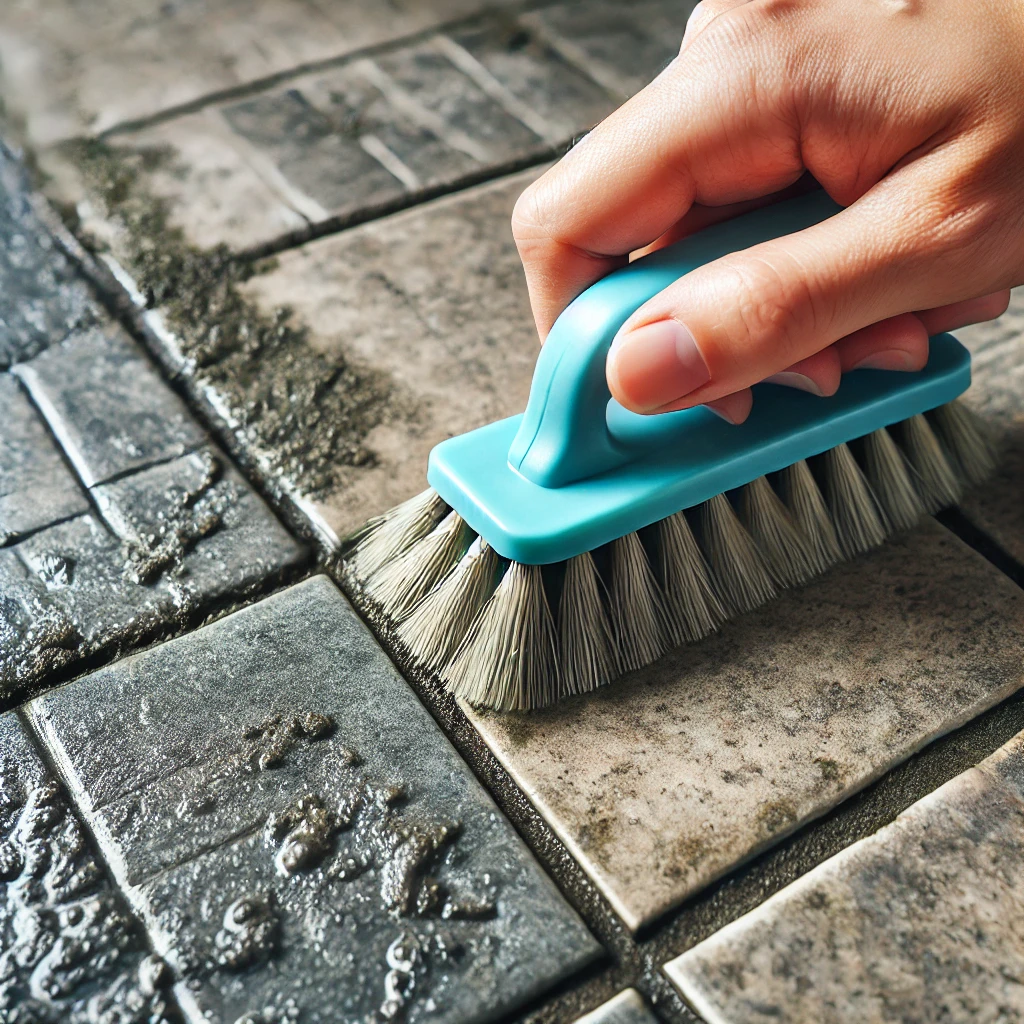
- Scrub Brush: A stiff-bristled scrub brush is essential for tackling tough grime. Consider a brush with a long handle for floors and a smaller one for tighter areas.
- Grout Brush: A specialized grout brush helps you clean the narrow spaces between tiles, where grime often accumulates.
- Microfiber Cloths: Use microfiber cloths for wiping down tiles after scrubbing, as they are highly absorbent and gentle on surfaces.
- Bucket and Mop: For larger tile areas, a bucket and mop system can help you apply and rinse cleaning solutions efficiently.
- Steam Cleaner: A steam cleaner can be an excellent investment for deep cleaning tiles without chemicals, using high-temperature steam to loosen grime.
- Protective Gear: Wear gloves and, if necessary, a mask to protect yourself from harsh chemicals and grime during the cleaning process.
Having the right tools on hand can make the task of cleaning grime out of tile much more manageable and effective.
Necessary Steps (1-10)
Follow these detailed steps to clean grime out of your tiles effectively:
- Gather Supplies: Assemble all necessary tools and cleaning products before starting to ensure a smooth process.
- Prepare the Area: Remove any loose dirt and debris by sweeping or vacuuming the tiled area.
- Mix Cleaning Solution: If using a concentrated cleaner, dilute it according to the manufacturer’s instructions in a bucket of warm water.
- Apply Cleaner: Apply the cleaning solution to the tiles, focusing on small sections at a time to prevent it from drying out.
- Scrub Tiles: Use a scrub brush to vigorously scrub the tiles, paying extra attention to areas with heavy grime buildup.
- Clean Grout: Use a grout brush to scrub the grout lines, as they can hold a significant amount of grime.
- Rinse Tiles: Rinse the tiles with clean water to remove any remaining cleaning solution and grime.
- Dry Tiles: Use microfiber cloths to thoroughly dry the tiles, preventing water spots and ensuring a shiny finish.
- Inspect and Repeat: Inspect the tiles for any remaining grime and repeat the cleaning process if necessary.
- Maintain Regularly: Establish a regular cleaning schedule to prevent grime buildup and make future cleanings easier.
Following these steps will help you achieve clean and sparkling tiles with minimal hassle.
Comparisons
Different methods and products for cleaning grime out of tile have their own advantages and disadvantages. Here’s a comparison to help you choose the best option for your needs:
- Commercial Tile Cleaners vs. Homemade Solutions: Commercial cleaners are often more powerful and effective but can be expensive and contain harsh chemicals. Homemade solutions, like vinegar and baking soda, are more eco-friendly and cost-effective but may require more elbow grease.
- Scrub Brushes vs. Steam Cleaners: Scrub brushes are inexpensive and effective for manual cleaning, but they require significant effort. Steam cleaners provide a chemical-free deep clean with less physical exertion, but they are a more substantial upfront investment.
- Microfiber Cloths vs. Traditional Cloths: Microfiber cloths are more absorbent and effective at picking up grime without scratching surfaces, whereas traditional cloths may not be as gentle or efficient.
- Eco-Friendly Cleaners vs. Conventional Cleaners: Eco-friendly cleaners are better for the environment and safer for your health, but they may be less potent against tough grime compared to conventional cleaners.
- DIY Cleaning vs. Professional Services: DIY cleaning is cost-effective and convenient, but professional services can save time and ensure a thorough clean, especially for heavily soiled or large tile areas.
Understanding these comparisons can help you select the best approach for cleaning your tiles.
Tips & Tricks
To make your tile cleaning process more efficient and effective, consider these tips and tricks:
- Use Warm Water: Warm water can help to loosen grime more effectively than cold water, making your cleaning solution more potent.
- Work in Sections: Clean small sections at a time to prevent the cleaning solution from drying out before you can scrub it.
- Let the Cleaner Sit: Allow the cleaning solution to sit on the tiles for a few minutes before scrubbing to break down the grime.
- Use a Toothbrush for Corners: A toothbrush can help you reach and clean the tight corners and edges of your tiles.
- Test in a Hidden Area: Always test a new cleaning solution on a small, inconspicuous area first to ensure it doesn’t damage your tiles.
- Ventilate the Area: Ensure proper ventilation when using chemical cleaners to avoid inhaling fumes.
- Seal Grout: After cleaning, consider applying a grout sealer to protect the grout from future grime buildup.
- Regular Maintenance: Regularly sweep and mop your tiles to prevent dirt and grime from accumulating.
- Avoid Abrasive Tools: Avoid using abrasive scrubbers or steel wool, as they can scratch and damage tile surfaces.
- Use Mats and Rugs: Place mats or rugs in high-traffic areas to minimize dirt and grime on your tiles.
Implementing these tips and tricks can help you achieve the best results when cleaning grime out of tile.
FAQs (Frequently Asked Questions)
Q: How often should I clean my tiles?
A: Regular cleaning should be done weekly, with a deep clean recommended every few months to prevent grime buildup.
Q: Can I use bleach to clean tile grout?
A: Yes, bleach can be used to clean grout, but it should be diluted and used with caution to avoid damaging the grout and surrounding tiles.
Q: What is the best homemade cleaner for tiles?
A: A mixture of vinegar and baking soda is a popular and effective homemade cleaner for tiles. It’s eco-friendly and can handle most grime and stains.
Q: Is it safe to use a steam cleaner on all types of tiles?
A: Steam cleaners are generally safe for ceramic and porcelain tiles, but they may not be suitable for natural stone tiles, as the heat can damage the stone.
Q: How do I prevent mold and mildew on bathroom tiles?
A: Ensure proper ventilation in the bathroom, clean regularly, and use a mold-resistant grout sealer to prevent mold and mildew growth.
Updates and Future Considerations
The methods and products for cleaning tiles continue to evolve, with new innovations making the process easier and more effective. Future considerations include:
- Advanced Cleaning Products: Expect to see more eco-friendly and non-toxic cleaning solutions that are just as effective as their chemical counterparts.
- Smart Cleaning Tools: Innovations in cleaning technology, such as automated scrubbers and advanced steam cleaners, will make tile cleaning more efficient.
- Sustainable Practices: Emphasis on sustainable and eco-friendly cleaning practices will grow, encouraging the use of natural and biodegradable products.
- Nanotechnology: Emerging nanotechnology coatings could make tiles more resistant to grime and easier to clean, reducing the need for frequent deep cleaning.
Staying updated on these developments can help you maintain your tiles more effectively and sustainably.
Cost or Price
The cost of cleaning grime out of tile can vary depending on the method and tools you choose:
- Commercial Cleaners: Prices range from $5 to $20 per bottle, depending on the brand and formula.
- Scrub Brushes: Basic scrub brushes cost around $5, while more advanced or specialized brushes can cost up to $20.
- Steam Cleaners: Steam cleaners range from $50 to $300, with higher-end models offering more features and greater cleaning power.
- Protective Gear: Gloves and masks are relatively inexpensive, typically costing under $10.
- Professional Cleaning Services: Hiring a professional service can cost anywhere from $50 to $200 per hour, depending on the size of the area and the level of grime.
While there is an initial investment in tools and products, regular cleaning can save you money in the long run by preserving the condition of your tiles and avoiding costly replacements.
Cleaning grime out of tile is an essential task to keep your home looking pristine and hygienic. By understanding the pros and cons, using the right tools, following necessary steps, and implementing tips and tricks, you can achieve sparkling clean tiles with minimal effort. Regular maintenance and staying informed about new cleaning technologies will help you maintain the beauty and durability of your tiles for years to come.