A running toilet can be an annoying problem that wastes water and increases your utility bills. Fortunately, you can often repair it yourself with some basic tools and a little know-how. This guide will walk you through the steps to fix a running toilet, covering everything from the pros and cons to tips, recommended tools, and more.
Pros
Repairing a running toilet yourself has several advantages:
- Cost Savings: Hiring a plumber can be expensive. DIY repairs can save you a significant amount of money.
- Convenience: You can fix the problem on your own schedule without waiting for a professional.
- Satisfaction: There’s a sense of accomplishment in repairing something yourself.
- Immediate Solution: You can address the issue as soon as you notice it, preventing further water waste.
- Skill Building: DIY projects can improve your handyman skills and build your confidence for future repairs.
Doing it yourself means you control the timeline and budget, giving you the flexibility to address the problem promptly.
Cons
However, there are some drawbacks to consider:
- Time-Consuming: If you’re not familiar with the process, it can take longer than expected.
- Potential for Mistakes: Without professional expertise, there’s a risk of making the problem worse.
- Initial Costs for Tools: If you don’t already own the necessary tools, you’ll need to purchase them.
- Frustration: If the fix doesn’t go as planned, it can be frustrating and stressful.
- Limited Warranty: Professional repairs often come with a warranty, whereas DIY fixes do not.
Understanding these cons can help you weigh the decision to tackle the repair yourself or call a professional.
Recommended Tools for the Project
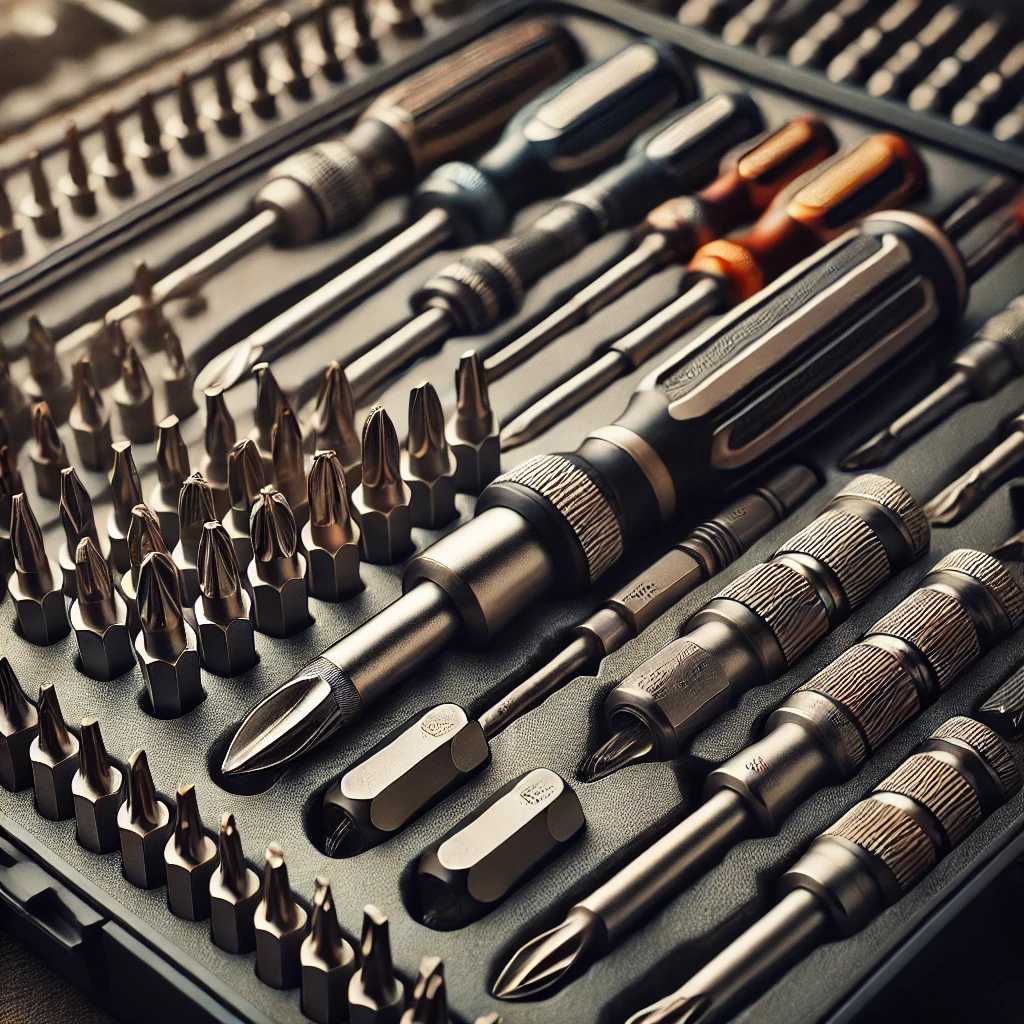
To successfully repair a running toilet, you’ll need the following tools:
- Adjustable Wrench: For tightening and loosening nuts.
- Screwdriver: Both flathead and Phillips.
- Plunger: In case of any clogs during the process.
- Replacement Parts: Such as flappers, fill valves, and gaskets.
- Bucket: To catch any water that might spill during the repair.
- Towels or Rags: For cleaning up any water spills.
Having these tools on hand will make the repair process smoother and more efficient.
Comparisons
When it comes to fixing a running toilet, you have a few options:
- DIY Repair: The most cost-effective but requires some knowledge and effort.
- Professional Plumber: More expensive but guarantees the job is done correctly.
- Temporary Fixes: Using quick solutions like jiggling the handle or turning off the water supply. These are not long-term solutions and should only be used if you need time to plan a proper repair.
Each method has its pros and cons, and the best choice depends on your budget, time, and comfort level with DIY tasks.
Tips & Tricks
Here are some tips and tricks to make the repair process easier:
- Identify the Problem: Before you start, determine if the issue is with the flapper, fill valve, or another component.
- Turn Off the Water Supply: Always shut off the water supply to the toilet before starting any repairs.
- Use a Quality Flapper: A high-quality flapper can prevent future leaks.
- Adjust the Float: Ensure the float is set at the correct level to prevent overflow.
- Check for Mineral Build-Up: Hard water can cause mineral deposits that affect the toilet’s performance. Clean these as needed.
- Follow Manufacturer Instructions: When replacing parts, follow the instructions provided to ensure proper installation.
These tips can help you avoid common pitfalls and ensure a successful repair.
FAQs
What causes a toilet to keep running?
A running toilet is usually caused by a faulty flapper, fill valve, or float. The flapper may not be sealing properly, the fill valve may be malfunctioning, or the float may be set too high. These components are critical in regulating the flow and level of water in the toilet tank.
How much does it cost to fix a running toilet?
The cost of fixing a running toilet varies. DIY repairs typically cost between $10 and $30 for replacement parts. Hiring a professional plumber can range from $100 to $200, depending on the complexity of the issue and your location.
Can a running toilet increase my water bill?
Yes, a running toilet can significantly increase your water bill. A constantly running toilet can waste hundreds of gallons of water per day, leading to a noticeable spike in your utility costs.
Is it difficult to fix a running toilet?
Fixing a running toilet is generally not difficult, especially if you have some basic DIY skills. The process involves identifying the faulty component, purchasing the correct replacement part, and following step-by-step instructions to complete the repair.
How often should toilet components be replaced?
Toilet components like the flapper and fill valve should be inspected regularly and replaced every 3-5 years or as needed. Regular maintenance can help prevent issues like a running toilet.
Updates and Future Considerations
Plumbing technology is constantly evolving, with new and more efficient toilet components becoming available. When repairing your toilet, consider upgrading to modern parts that offer better water efficiency and durability. Additionally, keep an eye on any signs of wear and tear, and be proactive about maintenance to prevent future problems.
Cost or Price
The cost of repairing a running toilet can vary based on the method you choose. DIY repairs are typically very affordable, often only requiring the cost of replacement parts, which can range from $10 to $30. Professional repairs, on the other hand, can be more expensive, often costing between $100 and $200. Despite the higher initial cost, professional repairs come with the assurance of quality and a warranty on the work performed.
Conclusion
Repairing a running toilet is a manageable DIY project that can save you money and prevent water waste. By understanding the pros and cons, using the right tools, and following our tips and tricks, you can successfully fix your toilet and avoid the hassle of a professional call-out. Regular maintenance and staying updated with modern components can ensure your toilet functions efficiently for years to come.