When it comes to protecting and enhancing the durability of your garage floor, the choice often boils down to two popular options: Epoxy and Polyaspartic. Both garage floor coatings offer unique benefits and have their own sets of challenges. This blog post will delve into the pros and cons of each, provide recommendations for tools, offer comparisons, and give tips and tricks for a successful garage floor coating project. We’ll also discuss the cost implications and answer frequently asked questions to help you make an informed decision on which garage floor coating lasts longer. Understanding the key differences between Epoxy vs. Polyaspartic garage floor coatings is essential for choosing the best option for your needs.
Pros
Epoxy
- Durability: Epoxy is highly resistant to wear and tear, making it suitable for high-traffic areas.
- Chemical Resistance: It can withstand spills of oils, cleaners, and other chemicals.
- Aesthetic Appeal: Epoxy coatings can be customized with a variety of colors and finishes.
- Cost-Effective: Generally, epoxy is more affordable compared to polyaspartic.
- Availability: Easily accessible at most home improvement stores.
Epoxy is renowned for its durability and resistance to various chemicals. This makes it a popular choice for garage floor coatings where oil spills, cleaners, and other chemical substances are common. The aesthetic flexibility of epoxy coatings allows homeowners to select from a range of colors and finishes, enhancing the overall look of the garage. Moreover, epoxy tends to be more cost-effective, offering robust protection at a relatively lower price. Its widespread availability in home improvement stores makes it a convenient option for DIY garage floor coating enthusiasts.
Polyaspartic
- Quick Curing Time: Polyaspartic coatings cure much faster than epoxy.
- UV Stability: They do not yellow or fade under sunlight.
- Flexibility: Polyaspartic coatings are more flexible, reducing the risk of cracking.
- Temperature Tolerance: They can be applied in a wider range of temperatures.
- Long-Term Durability: Polyaspartic is known for its long-lasting finish.
Polyaspartic coatings offer the advantage of a quick curing time, often allowing for the garage to be used within a day of application. Unlike epoxy, polyaspartic does not yellow or fade when exposed to sunlight, maintaining its appearance over time. Its flexibility helps to prevent cracking, a common issue in environments with fluctuating temperatures. Additionally, polyaspartic can be applied under a wider range of temperature conditions, making it a versatile choice for different climates. Its long-term durability ensures that the finish remains intact for years, making it a worthwhile investment despite the higher cost.
Cons
Epoxy
- Long Curing Time: It requires a longer time to fully cure, often up to several days.
- UV Sensitivity: Epoxy can yellow and degrade when exposed to direct sunlight.
- Temperature Sensitivity: Application is best in moderate temperatures, not too hot or cold.
- Surface Preparation: Requires extensive surface preparation for optimal adhesion.
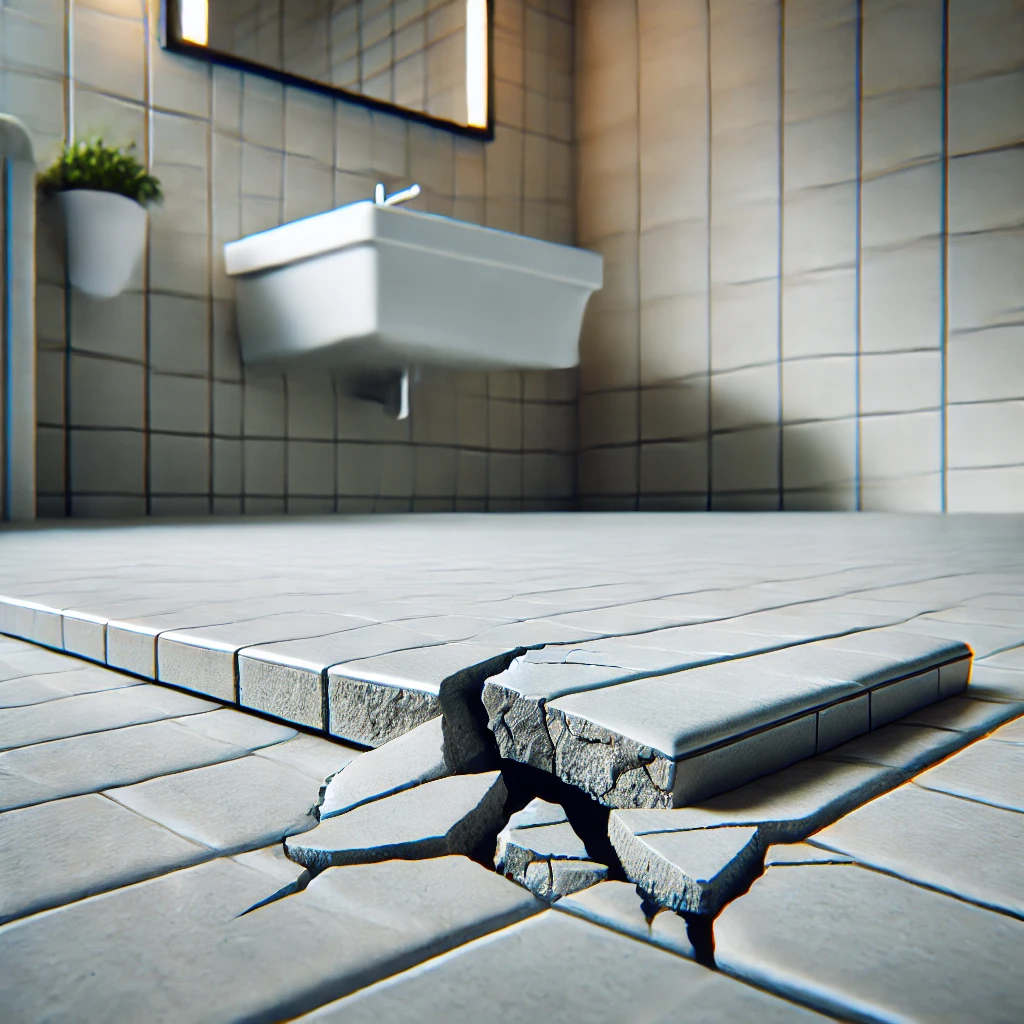
- Potential for Cracking: Less flexible, which can lead to cracking over time.
Epoxy’s long curing time can be a drawback for those needing a quick turnaround. Additionally, its sensitivity to UV light can cause yellowing and degradation when exposed to sunlight. The optimal application of epoxy occurs in moderate temperatures, which can limit its use in extreme weather conditions. Extensive surface preparation is necessary to ensure proper adhesion, adding to the complexity of the project. Over time, the lack of flexibility in epoxy can lead to cracking, particularly in environments with significant temperature fluctuations.
Polyaspartic
- Higher Cost: Generally more expensive than epoxy.
- Application Sensitivity: Requires precise application techniques.
- Less Availability: Not as widely available in stores as epoxy.
- Potential Slipperiness: Can be slippery when wet without added traction additives.
- Smell During Application: Strong odor during application which can be off-putting.
While polyaspartic offers numerous benefits, its higher cost can be a significant factor for budget-conscious homeowners. The application process is more sensitive, requiring precise techniques to achieve optimal results. This can make DIY application challenging and may necessitate professional help. Polyaspartic is also less readily available in stores compared to epoxy, potentially requiring special orders. The coating can become slippery when wet unless traction additives are included. Additionally, the strong odor during application can be unpleasant and may require adequate ventilation.
Recommended Tools for the Project
- Floor Grinder: Essential for preparing the concrete surface.
- Mixing Drill: To ensure proper mixing of the coating components.
- Rollers and Brushes: For applying the coating evenly.
- Protective Gear: Including masks, gloves, and goggles for safety.
- Vacuum: To clean the floor before application.
Proper preparation and application are crucial for a successful garage floor coating project. A floor grinder is necessary to prepare the concrete surface, ensuring the coating adheres properly. A mixing drill is essential to thoroughly mix the coating components, which is critical for both epoxy and polyaspartic. High-quality rollers and brushes help in applying the coating evenly and efficiently. Protective gear such as masks, gloves, and goggles are important to ensure safety during the application process. Finally, a vacuum is useful for cleaning the floor of dust and debris before applying the coating, ensuring a smooth finish.
Comparisons
Durability: Both epoxy and polyaspartic are durable, but polyaspartic tends to last longer due to its flexibility and UV stability.
Curing Time: Polyaspartic has a significantly faster curing time compared to epoxy, making it ideal for quick projects.
UV Resistance: Polyaspartic is UV stable and does not yellow, while epoxy can degrade under sunlight.
Application Temperature: Polyaspartic can be applied in a wider range of temperatures, whereas epoxy is best applied in moderate conditions.
Cost: Epoxy is generally more affordable, while polyaspartic is more expensive but offers long-term benefits.
When comparing the two coatings, polyaspartic emerges as the more durable option due to its flexibility and resistance to UV light. This makes it less likely to crack and degrade over time compared to epoxy in an Epoxy vs. Polyaspartic garage floor scenario. The curing time for polyaspartic is also much shorter, allowing for quicker project completion. Polyaspartic’s UV stability ensures that it does not yellow, maintaining its appearance for longer periods. Additionally, it can be applied in various temperature conditions, adding to its versatility. While epoxy is more cost-effective upfront, polyaspartic’s long-term benefits can justify the higher initial investment.
Tips & Tricks
- Preparation is Key: Ensure the concrete surface is thoroughly prepared for better adhesion.
- Follow Manufacturer Instructions: Adhere to the specific mixing and application guidelines provided by the manufacturer.
- Consider Traction Additives: Especially for polyaspartic coatings, to prevent slipperiness.
- Work in Sections: Apply the coating in manageable sections to ensure even coverage.
- Ventilation: Ensure adequate ventilation during application to mitigate strong odors.
For a successful application of Epoxy vs. Polyaspartic garage floor coatings, proper preparation of the concrete surface is crucial. This includes cleaning and possibly grinding the surface to ensure optimal adhesion. Following the manufacturer’s instructions for mixing and application is essential to achieve the best results. Adding traction additives, particularly to polyaspartic coatings, can help prevent the surface from becoming slippery when wet. Working in sections allows for more manageable application, ensuring even coverage and avoiding missed spots. Lastly, ensuring adequate ventilation during the application process can help mitigate the strong odors associated with these coatings.
FAQs
Q: How long does it take for epoxy to cure?
A: Epoxy typically takes about 24 to 72 hours to cure completely, depending on the environmental conditions and the specific product used. During this time, it’s crucial to avoid any traffic on the surface to ensure a smooth, durable finish.
Q: Can polyaspartic be applied over existing epoxy?
A: Yes, polyaspartic can be applied over existing epoxy, provided the surface is properly prepared. This includes cleaning and roughening the epoxy surface to ensure good adhesion of the new coating.
Q: Is polyaspartic worth the higher cost?
A: Polyaspartic is often worth the higher cost due to its faster curing time, UV stability, flexibility, and long-term durability. These benefits can provide a better return on investment over time.
Q: Do I need professional help to apply these coatings?
A: While both epoxy and polyaspartic can be applied as DIY projects, professional help may ensure a more flawless finish, especially for polyaspartic due to its application sensitivity.
Q: How do I maintain a coated garage floor?
A: Maintenance involves regular cleaning with mild detergents and avoiding harsh chemicals. For polyaspartic floors, periodic inspections to add traction additives if necessary can also help maintain the surface.
Cost
The cost of epoxy garage floor coatings generally ranges from $3 to $7 per square foot, making it a more affordable option for many homeowners. Polyaspartic coatings, on the other hand, can cost between $5 and $12 per square foot. While the initial cost of polyaspartic is higher, its long-term durability and additional benefits such as UV resistance and faster curing time can provide a better return on investment over time. When budgeting for your garage floor project, consider not only the upfront costs but also the long-term maintenance and durability of the coating you choose.
Updates and Future Considerations
As technology advances, both epoxy and polyaspartic garage floor coatings continue to evolve. Future innovations may include formulations that combine the best features of both products, offering enhanced durability, quicker application times, and improved environmental resistance. It’s also worth considering eco-friendly garage floor coating options that reduce the environmental impact of these coatings. Keeping an eye on industry trends and updates can help you make informed decisions for future garage floor projects.
By carefully weighing the pros and cons of Epoxy vs. Polyaspartic garage floor coatings, considering the necessary tools, and following best practices, you can ensure a durable and attractive finish for your garage. Whether you prioritize cost, curing time, or long-term durability, understanding these factors will help you make the best choice for your specific needs.