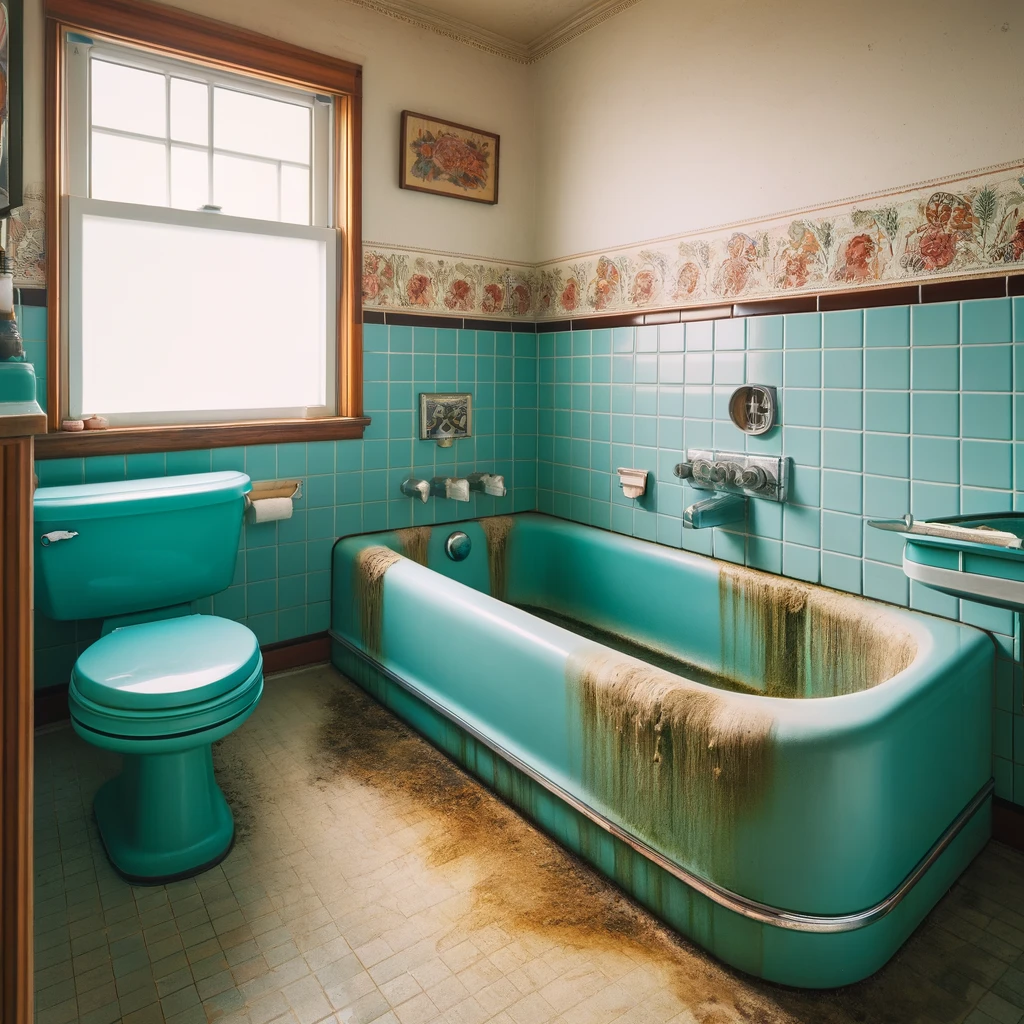
Mold in the bathroom is a common issue that can cause various health problems and damage the structure of your home. Bathrooms, with their high moisture levels and poor ventilation, are particularly prone to mold growth. This guide will cover effective methods for removing mold from bathroom walls, the pros and cons of different approaches, recommended tools, comparisons of methods, tips and tricks, FAQs, and future considerations for mold prevention. Understanding these aspects will help you tackle mold effectively and maintain a clean, healthy bathroom environment.
Pros of Removing Mold from Bathroom Walls
Removing mold from your bathroom walls comes with several benefits that contribute to a healthier living environment and maintain the integrity of your home.
- Health Improvement: Eliminating mold reduces the risk of respiratory issues, allergies, and other health problems caused by mold spores.
- Aesthetic Enhancement: Mold-free walls improve the visual appeal of your bathroom, making it look cleaner and more inviting.
- Structural Preservation: Removing mold prevents it from causing damage to the walls, which can lead to costly repairs.
- Improved Air Quality: A mold-free bathroom ensures better air quality, which is essential for overall well-being.
- Increased Property Value: Maintaining a mold-free home can enhance its market value and attract potential buyers.
Cons of Removing Mold from Bathroom Walls
While removing mold is essential, there are some drawbacks to consider, which can influence the approach you choose.
- Time-Consuming: Effective mold removal can be a lengthy process, especially if the mold has spread extensively.
- Chemical Exposure: Some mold removal products contain harsh chemicals that can pose health risks if not used properly.
- Temporary Solutions: Without addressing the underlying causes of mold growth, such as poor ventilation, mold may reappear.
- Cost: Professional mold removal services can be expensive, and DIY methods may require multiple products.
- Skill and Knowledge: Successful mold removal requires understanding the best practices and techniques, which can be challenging for some homeowners.
Recommended Tools for the Project
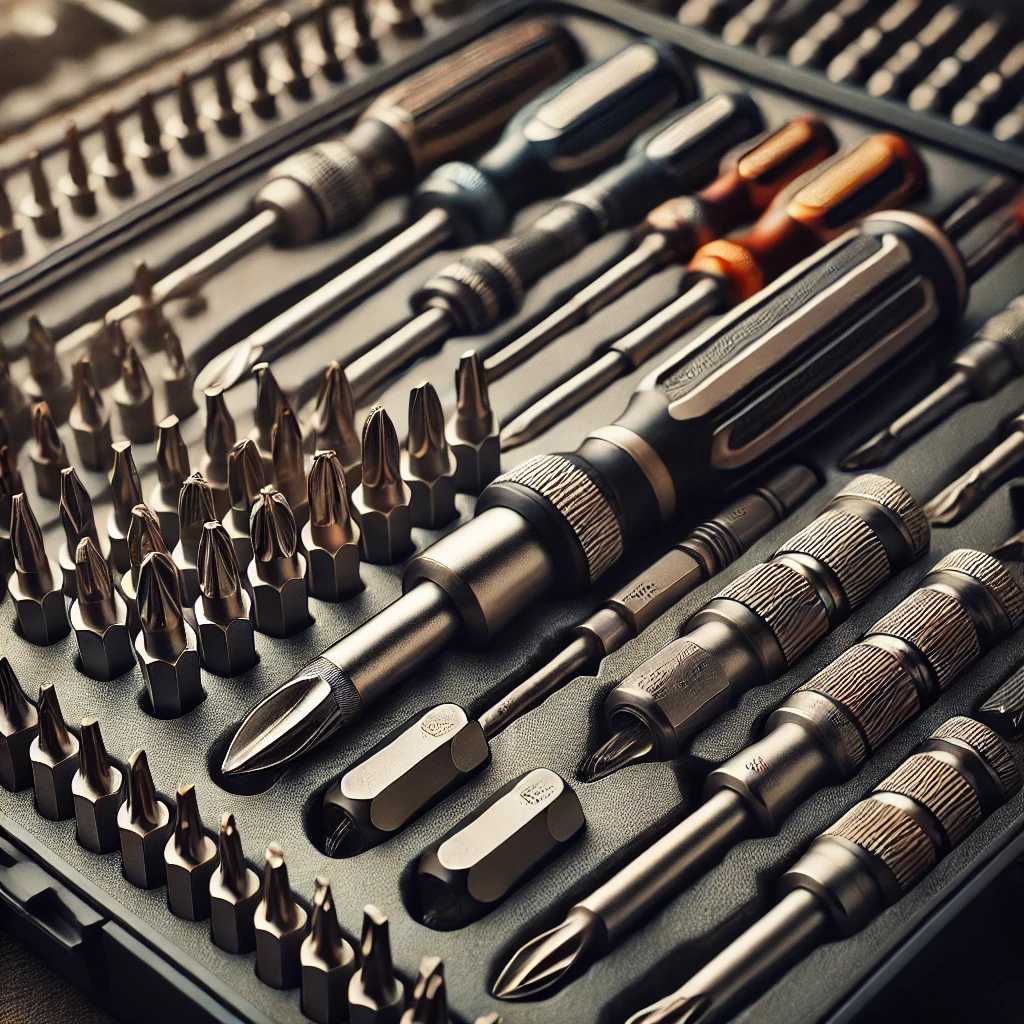
Having the right tools is crucial for effectively removing mold from bathroom walls. Here are the essential items you’ll need:
- Protective Gear: Gloves, masks, and goggles to protect yourself from mold spores and cleaning chemicals.
- Scrub Brushes: Different sizes and stiffness levels for scrubbing mold off various surfaces.
- Cleaning Solutions: Mold-specific cleaners, bleach solutions, or natural alternatives like vinegar and baking soda.
- Spray Bottles: For applying cleaning solutions evenly on affected areas.
- Moisture Meter: To check moisture levels in your bathroom and identify areas prone to mold growth.
- Dehumidifier: To reduce humidity levels and prevent mold from returning.
Comparisons of Methods for Removing Mold from Bathroom Walls
Several methods can be used to remove mold from bathroom walls. Here, we compare the most common approaches:
Chemical Cleaners
- Effectiveness: Highly effective in killing mold spores quickly.
- Application: Easy to apply with spray bottles and scrub brushes.
- Safety: Requires proper ventilation and protective gear due to harsh chemicals.
Natural Remedies
- Effectiveness: Effective for minor mold issues but may require multiple applications.
- Application: Uses common household items like vinegar and baking soda.
- Safety: Safe and eco-friendly, with no harmful fumes.
Professional Services
- Effectiveness: Extremely thorough, with guaranteed results.
- Application: Handled by experts using industrial-grade equipment.
- Safety: Professionals follow strict safety protocols, ensuring minimal risk.
Tips & Tricks for Effective Mold Removal
- Identify the Source: Determine the cause of mold growth, such as leaks or poor ventilation, to prevent recurrence.
- Ventilate: Always ventilate your bathroom during and after mold removal to reduce humidity levels.
- Use Dehumidifiers: Keep humidity levels below 60% to inhibit mold growth.
- Regular Cleaning: Clean bathroom surfaces regularly with mold-preventive cleaners.
- Seal Grout and Tiles: Apply sealant to grout and tiles to prevent moisture penetration and mold growth.
- Replace Damaged Materials: If mold has penetrated drywall or insulation, replace these materials to eliminate mold completely.
FAQs (Frequently Asked Questions)
Q1: Can I remove mold myself, or do I need a professional?
A1: You can remove mold yourself if the affected area is small and manageable. Use protective gear and proper cleaning solutions. However, for extensive mold infestations or if you have health concerns, it’s best to hire a professional to ensure thorough and safe removal.
Q2: What are the best natural remedies for mold removal?
A2: Vinegar and baking soda are effective natural remedies for mold removal. Spray vinegar directly onto the moldy surface, let it sit for an hour, then scrub with a brush. Baking soda mixed with water into a paste can also be applied and scrubbed off after sitting for a while. These methods are safe and environmentally friendly.
Q3: How can I prevent mold from returning?
A3: To prevent mold from returning, ensure your bathroom is well-ventilated by using exhaust fans and opening windows. Keep humidity levels low with a dehumidifier and fix any leaks promptly. Regularly clean bathroom surfaces with mold-preventive cleaners and apply sealant to grout and tiles.
Q4: Are there any health risks associated with mold removal?
A4: Yes, mold removal can pose health risks, especially if you have allergies or respiratory issues. Wear protective gear, such as gloves, masks, and goggles, to avoid direct contact with mold spores and cleaning chemicals. Ensure good ventilation to reduce inhalation of fumes and spores.
Q5: What should I do if the mold keeps coming back?
A5: If mold keeps returning, it indicates an underlying issue like persistent moisture or poor ventilation. Address these issues by repairing leaks, improving ventilation, and using dehumidifiers. If the problem persists, consult a professional mold remediation service to identify and solve the root cause.
Cost or Price
The cost of mold removal can vary significantly depending on the method and extent of the infestation. DIY methods using household items like vinegar and baking soda are inexpensive, typically costing under $20 for supplies. Chemical cleaners are more effective but can range from $10 to $50 per product. Hiring a professional mold removal service is the most thorough but also the most expensive option, with costs ranging from $500 to $6,000 depending on the severity and size of the affected area. Investing in preventive measures, like a dehumidifier, can cost between $50 and $300, but helps avoid future mold issues.
Updates and Future Considerations
Keeping up-to-date with the latest mold removal techniques and products is essential for effective maintenance. Innovations in eco-friendly cleaning solutions and advanced dehumidifiers are continually emerging, offering better and safer options for mold prevention and removal. Future considerations should include investing in high-quality ventilation systems, continuous monitoring of bathroom moisture levels, and regular maintenance checks to identify and address potential mold issues early. Staying informed and proactive will help maintain a mold-free bathroom environment, ensuring the health and safety of your household.
By following these guidelines and utilizing the recommended tools and methods, you can effectively remove mold from your bathroom walls and maintain a clean, healthy environment. Regular maintenance and preventive measures will help keep mold at bay, providing a safe and comfortable space for you and your family.