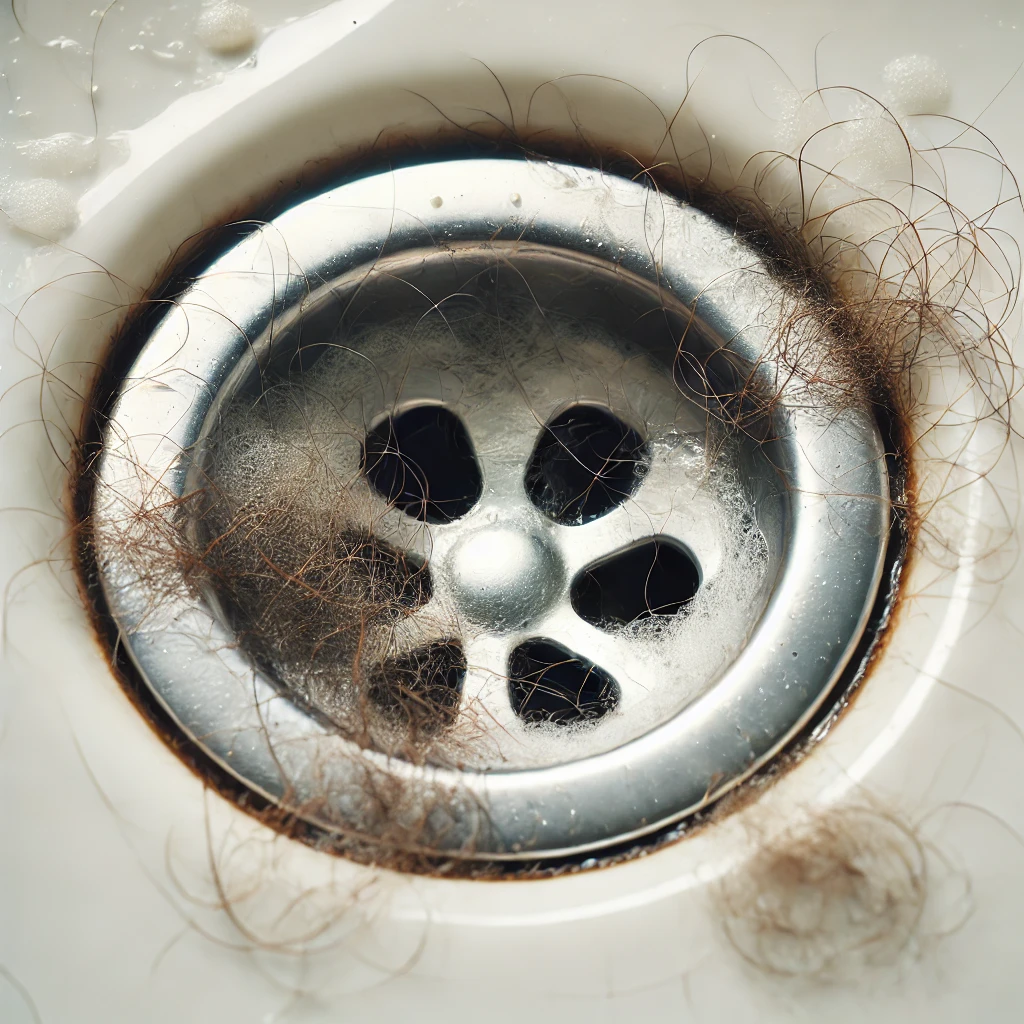
Clogged bathroom sinks are a common problem, often caused by hair accumulation. If you’re wondering how to get hair out of a bathroom sink, this guide will walk you through the process. We’ll cover everything from the pros and cons of different methods to the tools you’ll need, the steps to follow, comparisons of various techniques, and much more.
Pros
When it comes to getting hair out of a bathroom sink, several methods can be employed, each with its own set of advantages. Understanding the pros of each technique can help you choose the most effective approach for your specific situation.
- Ease of Use: Many methods are simple enough for anyone to perform. For instance, using a plunger or a drain snake requires minimal technical knowledge and can be done quickly.
- DIY-Friendly: These methods do not require professional help, saving you money.
- Quick Results: Many techniques can clear the drain within minutes.
- Accessibility: Most tools and materials needed are readily available at local stores.
- Cost-Effective: Removing hair from your sink drain doesn’t have to be expensive.
- Affordable Tools: Plungers, drain snakes, and chemical cleaners are relatively inexpensive.
- Preventative Measures: Regular maintenance can reduce the frequency of clogs, saving on long-term costs.
- Environmentally Friendly Options: Some methods are safer for the environment compared to chemical cleaners.
- Natural Solutions: Baking soda and vinegar are eco-friendly and effective.
- Minimal Waste: Using a drain snake generates no waste compared to disposable chemical containers.
- Safety: Non-chemical methods pose fewer risks to your health and home.
- No Harmful Fumes: Natural solutions do not emit toxic fumes.
- Household Safety: There’s no risk of chemical spills harming your surfaces or fixtures.
- Preventative Maintenance: Regular cleaning can prevent severe clogs.
- Routine Checks: Using a hair catcher regularly reduces build-up.
- Regular Flushing: Periodic flushing with hot water keeps the drain clear.
Cons
Despite the advantages, there are also some drawbacks to consider when tackling hair clogs in your bathroom sink.
- Time-Consuming: Some methods may take longer to show results.
- Manual Effort: Using a drain snake or plunger requires physical effort and can be time-consuming.
- Multiple Attempts: It might take several tries to completely clear the clog.
- Potential for Mess: Dealing with drain clogs can be messy.
- Water Spillage: Plunging can cause water to spill over.
- Unpleasant Odors: Removing hair can release bad smells from the drain.
- Effectiveness: Not all methods work equally well for every clog.
- Stubborn Clogs: Some hair clogs might be too tough for simple methods like plunging.
- Partial Removal: Chemical cleaners might not fully dissolve hair, leaving partial clogs.
- Cost of Tools: While some tools are affordable, others can be pricey.
- Expensive Equipment: High-end drain snakes and hydro-jetting tools can be costly.
- Frequent Purchases: Regular use of disposable items like chemical cleaners adds up over time.
- Chemical Risks: Using chemical cleaners can have downsides.
- Health Hazards: Chemical cleaners can be harmful if not used properly.
- Environmental Impact: Chemicals can be harmful to the environment if not disposed of correctly.
Recommended Tools for the Project
Having the right tools is crucial for effectively removing hair from your bathroom sink. Here’s a list of recommended tools and why they’re essential.
- Plunger: A basic yet effective tool for dislodging clogs.
- Versatile: Can be used for sinks, tubs, and toilets.
- Easy to Use: Requires no special skills.
- Drain Snake: Perfect for reaching and pulling out hair clogs.
- Flexible Design: Can navigate bends in the pipe.
- Reusable: Can be used multiple times.
- Chemical Cleaners: Useful for dissolving tough clogs.
- Fast-Acting: Breaks down hair and other debris quickly.
- Widely Available: Can be found in most stores.
- Baking Soda and Vinegar: A natural alternative to chemical cleaners.
- Eco-Friendly: Safe for the environment.
- Effective: Works well for minor clogs.
- Pipe Wrench: Needed for disassembling the drain if necessary.
- Heavy-Duty: Essential for tougher jobs.
- Durable: Lasts for many years.
- Bucket and Towels: For catching water and keeping the area clean.
- Mess Management: Helps prevent water damage.
- Convenient: Keeps your workspace tidy.
Necessary Steps (1-10)
Removing hair from your bathroom sink can be done in a few straightforward steps. Follow these steps to ensure a successful and hassle-free process.
- Prepare Your Workspace: Clear the area around the sink and gather all necessary tools.
- Remove Items: Clear any items from the sink and surrounding area.
- Safety Precautions: Wear gloves to protect your hands.
- Try the Plunger First: Use the plunger to try and dislodge the clog.
- Seal the Drain: Ensure a good seal over the drain.
- Plunge Vigorously: Use strong, consistent pressure.
- Use a Drain Snake: If the plunger doesn’t work, use a drain snake.
- Insert the Snake: Push the snake into the drain until you feel resistance.
- Twist and Pull: Rotate the snake and pull it out to remove the hair.
- Apply Chemical Cleaners: For stubborn clogs, use a chemical cleaner.
- Read Instructions: Follow the manufacturer’s directions carefully.
- Use Sparingly: Avoid overuse to prevent damage to pipes.
- Natural Solutions: For a chemical-free approach, use baking soda and vinegar.
- Pour Baking Soda: Pour a cup of baking soda down the drain.
- Add Vinegar: Follow with a cup of vinegar and let it fizz.
- Flush with Hot Water: After using any cleaning method, flush the drain with hot water.
- Boil Water: Heat water until boiling.
- Pour Slowly: Pour the hot water down the drain to clear any remaining debris.
- Check the Trap: If the clog persists, check the P-trap under the sink.
- Remove the Trap: Use a pipe wrench to loosen and remove the P-trap.
- Clean the Trap: Clear out any debris inside.
- Reassemble the Sink: Once clear, reassemble the P-trap and other components.
- Tighten Connections: Ensure all connections are secure to prevent leaks.
- Test the Drain: Run water to check for proper drainage.
- Prevent Future Clogs: Implement preventative measures to avoid future clogs.
- Use a Hair Catcher: Place a hair catcher over the drain.
- Regular Maintenance: Perform regular cleaning to keep the drain clear.
- Seek Professional Help: If all else fails, contact a professional plumber.
- Persistent Issues: For stubborn clogs that don’t respond to DIY methods.
- Expert Assistance: Professionals have the tools and experience to solve the problem.
Comparisons
Understanding the differences between various methods can help you choose the most effective approach for removing hair from your bathroom sink.
- Plunger vs. Drain Snake:
- Ease of Use: A plunger is easier to use but may not reach deep clogs.
- Effectiveness: A drain snake is more effective for stubborn, deep-seated clogs.
- Chemical Cleaners vs. Natural Solutions:
- Speed: Chemical cleaners work faster but may be harsher on pipes.
- Safety: Natural solutions are safer but may require more time and effort.
- DIY Methods vs. Professional Help:
- Cost: DIY methods are more cost-effective but may not always work.
- Reliability: Professional plumbers offer reliable, long-term solutions but at a higher cost.
- Prevention vs. Reaction:
- Preventative Measures: Using hair catchers and regular maintenance can prevent clogs.
- Reactive Methods: Using plungers and snakes are reactive solutions after a clog has formed.
- Short-Term vs. Long-Term Solutions:
- Short-Term: Chemical cleaners provide quick fixes but may not be sustainable.
- Long-Term: Regular maintenance and professional help offer more sustainable solutions.
Tips & Tricks
Here are some additional tips and tricks to help you effectively remove hair from your bathroom sink and prevent future clogs.
- Regular Maintenance: Make a habit of regular drain cleaning to prevent clogs.
- Monthly Cleaning: Use baking soda and vinegar monthly to keep the drain clear.
- Hair Catchers: Always use hair catchers to catch hair before it goes down the drain.
- Proper Disposal: Dispose of hair properly to avoid it going down the sink.
- Trash Disposal: Always throw hair in the trash, not down the drain.
- Brush Before Showering: Brush your hair before showering to remove loose hairs.
- Use Hot Water: Regularly flush the drain with hot water.
- Weekly Flush: Pour boiling water down the drain weekly to dissolve minor clogs.
- Preventive Measure: Helps keep the drain free of soap scum and hair.
- Avoid Chemical Overuse: Limit the use of harsh chemical cleaners.
- Natural Alternatives: Opt for natural solutions when possible.
- Pipe Safety: Prevents damage to your plumbing system.
- Know When to Call a Professional: Don’t hesitate to call a professional if needed.
- Persistent Clogs: If DIY methods fail, seek professional help.
- Prevent Damage: Avoid causing damage by attempting complex repairs yourself.
FAQs
Q1: What causes hair to clog bathroom sinks?
Hair clogs occur when strands of hair accumulate and combine with soap scum and other debris, forming a blockage in the drain.
Q2: Can I prevent hair clogs in my sink?
Yes, you can prevent hair clogs by using a hair catcher, regularly cleaning the drain, and disposing of hair properly.
Q3: Are chemical drain cleaners safe for all types of pipes?
No, chemical drain cleaners can be harsh on certain types of pipes, especially older plumbing systems. It’s best to use them sparingly and consider natural alternatives.
Q4: How often should I clean my bathroom sink drain?
Regular maintenance, such as monthly cleaning with baking soda and vinegar, can help prevent clogs.
Q5: What should I do if my drain is still clogged after trying these methods?
If your drain remains clogged, it may be time to call a professional plumber for assistance.
Updates and Future Considerations
Keeping up with advancements in plumbing tools and techniques can help you maintain a clog-free bathroom sink.
- New Tools: Stay informed about new, more effective drain cleaning tools.
- Innovative Designs: New tools are continually being developed to make drain cleaning easier and more efficient.
- Eco-Friendly Solutions: Consider the environmental impact of your drain cleaning methods.
- Green Products: Look for eco-friendly drain cleaning products that are safe for the environment.
- Professional Services: Regularly consult with professional plumbers for preventative maintenance.
- Scheduled Check-Ups: Professional inspections can identify potential issues before they become major problems.
- Home Warranties: Consider a home warranty that covers plumbing issues.
- Coverage Benefits: Home warranties can save money on expensive plumbing repairs.
- Smart Home Technology: Explore smart home solutions that can help monitor and maintain your plumbing system.
- Leak Detectors: Devices that alert you to leaks can prevent water damage and clogs.
Cost or Price
The cost of removing hair from your bathroom sink can vary depending on the methods and tools used.
- DIY Methods: Using a plunger or drain snake is cost-effective.
- Plunger: Typically costs between $5 and $15.
- Drain Snake: Prices range from $10 to $50.
- Chemical Cleaners: These are relatively affordable but add up over time.
- Cost per Use: A bottle of chemical cleaner costs around $5 to $10.
- Natural Solutions: Baking soda and vinegar are very affordable.
- Cost: Both items usually cost less than $5 each.
- Professional Services: Hiring a plumber is more expensive but may be necessary for severe clogs.
- Service Call: The average cost of a plumber ranges from $100 to $200 per visit.
- Preventative Tools: Investing in preventative measures can save money in the long run.
- Hair Catchers: These cost around $5 to $10 each.
Getting hair out of a bathroom sink can be a simple task with the right tools and knowledge. Whether you prefer DIY methods or need professional assistance, understanding the pros, cons, and costs can help you make the best decision for your situation. Regular maintenance and preventative measures can keep your sink free of clogs, saving you time and money in the long run.