Creating a home gym can be a game-changer for your fitness journey. Having the right home gym essentials at home allows you to work out anytime, save on gym memberships, and customize your workout space to suit your needs. In this guide, we’ll explore the essential tools for a home gym, providing you with insights into the pros, cons, necessary steps, and more.
Pros
Setting up a home gym comes with numerous advantages. Here are some of the key benefits:
- Convenience: One of the biggest advantages of a home gym is the convenience it offers. You can work out at any time without worrying about gym hours or travel time.
- Cost Savings: While the initial investment might be significant, over time, you’ll save money on gym memberships and travel expenses.
- Personalization: You can tailor your home gym to fit your specific fitness goals and preferences. Whether you’re into weightlifting, cardio, or yoga, your gym can be customized accordingly.
- Privacy: For those who feel self-conscious working out in public, a home gym provides a private and comfortable space to exercise.
- Hygiene: With your own equipment, you don’t have to worry about the cleanliness of machines or shared spaces, reducing the risk of infections or illnesses.
Cons
While there are many benefits to having a home gym, there are also some drawbacks to consider:
- Initial Cost: Setting up a home gym can be expensive. Equipment like treadmills, weights, and machines can add up quickly.
- Space Requirements: A home gym requires adequate space. Not everyone has a spare room or enough space in their home to accommodate gym equipment.
- Maintenance: Gym equipment requires regular maintenance to keep it in good working condition. This can be time-consuming and costly.
- Lack of Social Interaction: For many, the gym is a place to socialize and meet new people. A home gym can be isolating if you enjoy the social aspect of working out.
- Motivation: Staying motivated at home can be challenging without the structured environment and energy of a public gym.
Recommended Tools for the Project
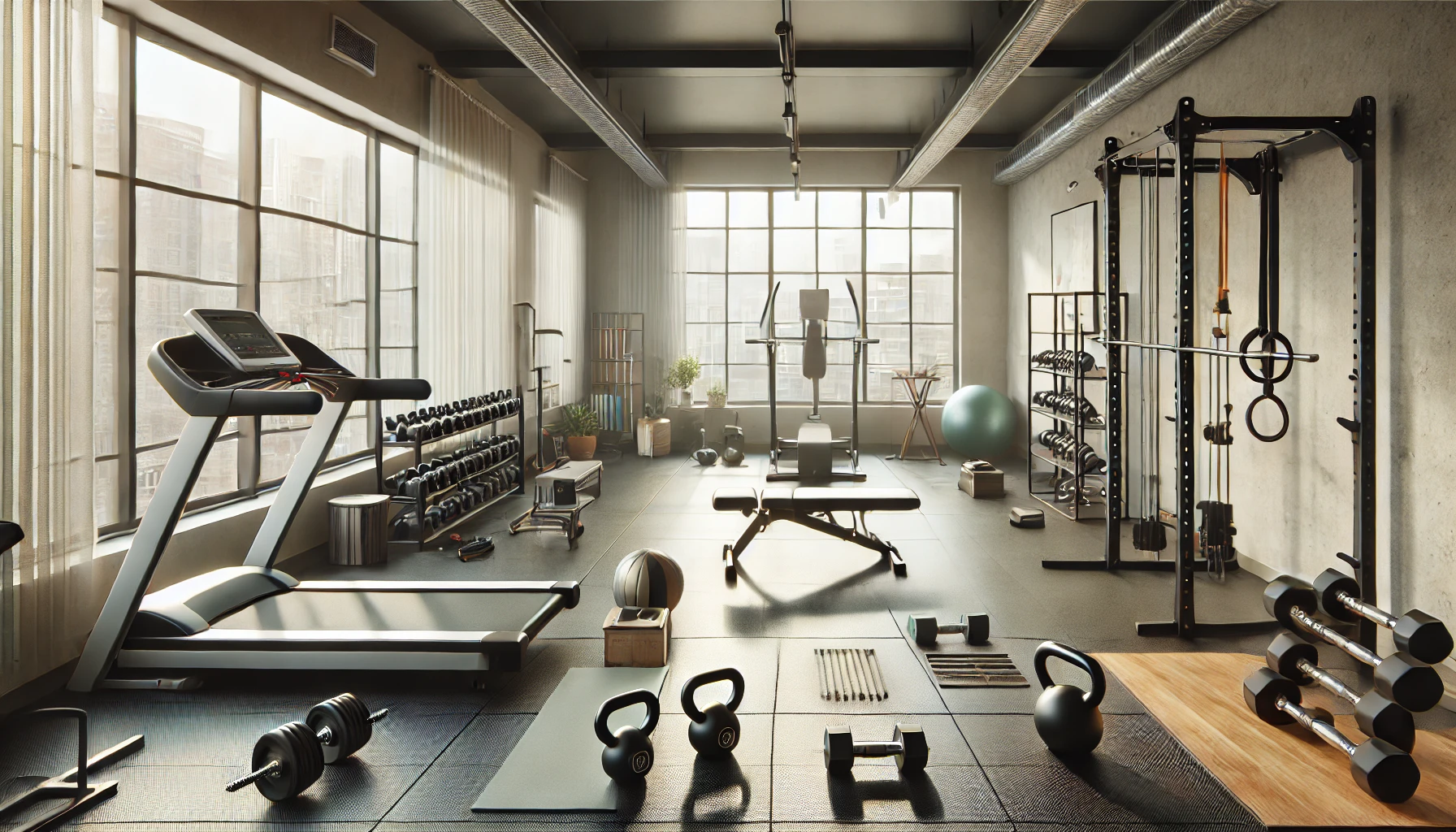
When setting up your home gym, having the right tools is crucial. Here are some must-have items:
- Adjustable Dumbbells: These are versatile and save space compared to having a full rack of different weights.
- Resistance Bands: Perfect for strength training, flexibility exercises, and even physical therapy routines.
- Treadmill or Stationary Bike: Essential for cardio workouts, these machines are great for improving cardiovascular health.
- Yoga Mat: Useful for a variety of exercises, including yoga, pilates, and stretching routines.
- Pull-Up Bar: Ideal for upper body workouts and can be installed in a doorway to save space.
- Weight Bench: A good quality bench can support a variety of exercises, from bench presses to step-ups.
- Kettlebells: These are excellent for functional training and can be used for a wide range of exercises.
- Foam Roller: Helps with muscle recovery and flexibility.
- Jump Rope: A simple, inexpensive tool for high-intensity cardio workouts.
- Mirror: Helps you monitor your form and technique during workouts.
Necessary Steps (1-10)
Setting up a home gym involves several important steps. Follow this guide to ensure you have everything you need:
- Determine Your Fitness Goals: Before purchasing equipment, identify your fitness goals. This will help you decide what equipment is necessary.
- Assess Your Space: Determine where you’ll set up your gym. Measure the space to ensure it can accommodate the equipment you plan to buy.
- Set a Budget: Home gym equipment can be costly. Establish a budget to avoid overspending.
- Research Equipment: Look for high-quality, durable equipment. Read reviews and compare prices.
- Purchase Essential Equipment: Start with the basics like dumbbells, resistance bands, and a treadmill or bike.
- Create a Layout: Plan the layout of your gym to make the best use of your space. Ensure there’s enough room to move around and perform exercises safely.
- Install and Assemble Equipment: Follow manufacturer instructions to assemble and set up your equipment properly.
- Create a Routine: Develop a workout routine that incorporates a variety of exercises to meet your fitness goals.
- Stay Motivated: Set regular workout times and stick to them. Consider adding motivational elements like music or a workout buddy.
- Maintain Your Equipment: Regularly clean and maintain your equipment to ensure it stays in good working condition.
Comparisons
When deciding on home gym equipment, it’s essential to compare different options. Here are some comparisons to consider:
- Dumbbells vs. Kettlebells: Dumbbells are great for isolated movements and building strength, while kettlebells are excellent for functional and dynamic exercises.
- Treadmill vs. Stationary Bike: Treadmills offer a more intense cardio workout, while stationary bikes are easier on the joints and great for lower body strength.
- Resistance Bands vs. Free Weights: Resistance bands are portable and versatile, perfect for a variety of exercises. Free weights offer more resistance and are better for building muscle.
- Foam Roller vs. Massage Gun: Foam rollers are inexpensive and effective for muscle recovery, while massage guns provide targeted deep tissue massage but are pricier.
- Adjustable Bench vs. Flat Bench: Adjustable benches offer more versatility for different exercises, while flat benches are more stable and durable.
Tips & Tricks
Here are some tips and tricks to make the most of your home gym:
- Use Multi-Functional Equipment: Choose equipment that can be used for multiple exercises to save space and money.
- Stay Organized: Keep your gym tidy by using storage solutions like racks and shelves for your equipment.
- Incorporate Technology: Use fitness apps and online workouts to stay motivated and add variety to your routine.
- Invest in Quality Flooring: Protect your floors and reduce noise with high-quality gym mats or rubber flooring.
- Stay Hydrated: Keep a water bottle and a small refrigerator in your gym to stay hydrated during workouts.
- Set Realistic Goals: Set achievable fitness goals and track your progress to stay motivated.
- Mix Up Your Routine: Avoid workout boredom by regularly changing your exercises and trying new workouts.
- Use Mirrors: Install mirrors to monitor your form and technique, which can help prevent injuries.
- Focus on Form: Proper form is crucial for avoiding injuries and maximizing the effectiveness of your workouts.
- Create a Comfortable Environment: Ensure your gym is well-ventilated and has adequate lighting to create a pleasant workout environment.
FAQs
Q: What is the most essential piece of equipment for a home gym?
A: The most essential piece of equipment depends on your fitness goals. However, adjustable dumbbells and resistance bands are highly versatile and beneficial for most workouts.
Q: How much space do I need for a home gym?
A: The space required depends on the equipment you plan to use. A small corner or a spare room can suffice for basic equipment, while larger setups may require a basement or garage.
Q: Can I set up a home gym on a budget?
A: Yes, you can set up a home gym on a budget by starting with essential items like resistance bands, a jump rope, and a yoga mat. Gradually add more equipment as your budget allows.
Q: How do I maintain my home gym equipment?
A: Regularly clean your equipment, check for any signs of wear and tear, and follow the manufacturer’s maintenance guidelines to keep your equipment in good condition.
Q: What are some effective home workouts without equipment?
A: Bodyweight exercises like push-ups, squats, lunges, and planks are effective workouts that don’t require any equipment.
Updates and Future Considerations
As fitness trends evolve, so should your home gym. Consider these future updates:
- Smart Equipment: Incorporate smart fitness equipment like connected treadmills or bikes that offer interactive workouts.
- Virtual Training: Use virtual training platforms for guided workouts and personal training sessions.
- Outdoor Gym Area: If space allows, create an outdoor workout area for a change of scenery and fresh air.
- Advanced Recovery Tools: Invest in advanced recovery tools like infrared saunas or cryotherapy units to aid in muscle recovery.
- Customizable Equipment: Look for modular equipment that can be expanded or customized as your fitness needs change.
- Energy-Efficient Equipment: Consider energy-efficient equipment to reduce electricity usage and lower your carbon footprint.
Cost or Price
The cost of setting up a home gym can vary widely depending on the equipment you choose. Here’s a general breakdown:
- Basic Setup: A basic setup with essentials like dumbbells, resistance bands, a yoga mat, and a jump rope can cost around $200-$500.
- Mid-Range Setup: Adding equipment like a treadmill, stationary bike, and weight bench can bring the cost to $1,000-$2,000.
- Advanced Setup: A fully equipped home gym with high-end machines, smart equipment, and advanced recovery tools can cost $3,000 and above.
Investing in a home gym is a long-term commitment to your health and fitness. While the initial cost can be significant, the benefits of convenience, personalization, and cost savings over time make it a worthwhile investment.