Pros of Polyaspartic vs. Epoxy
When comparing polyaspartic and epoxy, it’s essential to weigh the pros of each to determine which might be best for your garage flooring needs. Below are the specific benefits of polyaspartic flooring that make it a compelling choice.
- Quick Curing Time: Polyaspartic coatings cure much faster than epoxy, allowing for a quicker turnaround time for project completion. This can be especially beneficial for commercial spaces that cannot afford long downtimes.
- Superior UV Stability: Polyaspartic is highly resistant to UV rays, preventing yellowing or discoloration over time. This makes it an excellent choice for areas exposed to sunlight.
- Flexibility and Durability: Polyaspartic is more flexible than epoxy, allowing it to better withstand impacts and temperature fluctuations without cracking. This makes it ideal for environments with varying conditions.
- Chemical Resistance: Polyaspartic coatings offer superior resistance to chemicals, including oils, greases, and other common automotive fluids. This provides long-lasting protection for garage floors.
- Moisture Tolerance: Unlike epoxy, polyaspartic can be applied in environments with higher humidity levels and even slightly damp substrates. This makes it versatile for different application conditions.
Pros Summary: The quick curing time, UV stability, flexibility, chemical resistance, and moisture tolerance of polyaspartic coatings make them a superior choice for many applications, providing long-lasting durability and aesthetic appeal.
Cons of Polyaspartic vs. Epoxy
While polyaspartic coatings have many benefits, they are not without their drawbacks. It’s crucial to understand these cons to make an informed decision.
- Cost: Polyaspartic coatings are generally more expensive than epoxy. The higher price can be a significant factor, especially for large projects or budget-conscious consumers.
- Application Sensitivity: Polyaspartic requires precise application techniques and conditions. The fast curing time means there is little room for error, and professional installation is often recommended.
- Limited DIY Suitability: Due to the technical skills required for proper application, polyaspartic is not typically suitable for DIY projects. This can add to the overall cost if professional installation is needed.
- Limited Color and Finish Options: While improving, polyaspartic still offers fewer color and finish options compared to epoxy. This can limit customization for specific aesthetic preferences.
- Potential for Odor During Application: Polyaspartic coatings can emit strong odors during application, requiring proper ventilation. This can be a consideration for indoor installations.
Cons Summary: The higher cost, application sensitivity, limited DIY suitability, fewer customization options, and potential odors during application are the primary drawbacks of polyaspartic coatings compared to epoxy.
Recommended Tools for the Project
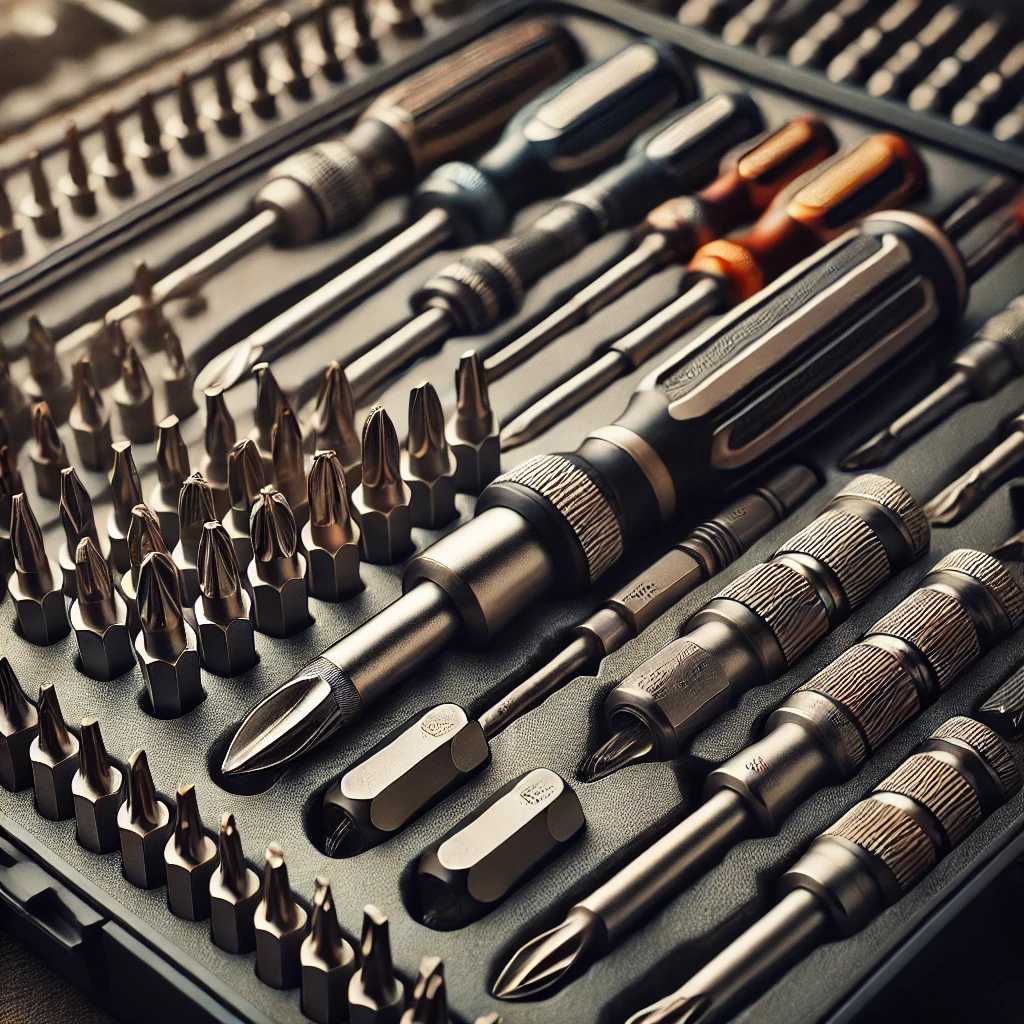
When undertaking a polyaspartic or epoxy flooring project, having the right tools is essential for achieving a professional finish. Here are the recommended tools:
- Surface Grinder: Essential for preparing the concrete surface by removing any existing coatings, smoothing out imperfections, and creating a rough texture for better adhesion.
- Moisture Meter: Crucial for checking the moisture levels of the concrete. Proper moisture levels ensure optimal adhesion and longevity of the coating.
- Mixing Drill and Paddles: Used to mix the polyaspartic or epoxy components thoroughly. Proper mixing ensures an even distribution of the coating material.
- Roller Frames and Covers: High-quality rollers are necessary for applying the coating evenly across the surface. Different roller covers may be needed for primer, base coat, and top coat applications.
- Spiked Shoes: Worn over your shoes, these allow you to walk on the wet coating without leaving marks. They are essential for spreading and leveling the coating during application.
Tools Summary: Having the correct tools, including a surface grinder, moisture meter, mixing drill, rollers, and spiked shoes, is crucial for successfully applying polyaspartic or epoxy coatings to achieve a durable and professional finish.
Necessary Steps (1-10)
Proper application of polyaspartic or epoxy coatings involves a series of meticulous steps. Here is a step-by-step guide to ensure the best results:
- Surface Preparation: Clean the concrete surface thoroughly, removing any dirt, grease, or old coatings. Use a surface grinder to ensure the surface is even and has the proper texture for adhesion.
- Moisture Testing: Use a moisture meter to check the concrete’s moisture levels. The surface must be dry to avoid adhesion issues.
- Crack and Joint Repair: Fill any cracks or joints with a suitable filler material. This ensures a smooth and even coating application.
- Priming: Apply a primer to the prepared surface. Primers enhance adhesion and provide a stable base for the coating.
- Mixing the Coating: Use a mixing drill and paddles to mix the polyaspartic or epoxy components according to the manufacturer’s instructions.
- Base Coat Application: Apply the base coat using a roller. Ensure even coverage and work systematically to avoid lap lines.
- Broadcasting Decorative Chips (Optional): If using decorative chips, broadcast them onto the wet base coat. This step adds texture and aesthetic appeal.
- Top Coat Application: Once the base coat is cured, apply the top coat. This provides additional durability and a glossy finish.
- Curing: Allow the coating to cure fully. Polyaspartic coatings cure faster than epoxy, but it’s essential to follow the manufacturer’s recommended curing time.
- Final Inspection and Touch-Ups: Inspect the finished surface for any imperfections. Make any necessary touch-ups to ensure a flawless finish.
Steps Summary: Following these ten steps, including surface preparation, moisture testing, priming, coating application, and curing, ensures a professional and long-lasting finish for polyaspartic or epoxy flooring.
Comparisons: Polyaspartic vs. Epoxy
Understanding the differences between polyaspartic and epoxy coatings is key to making an informed decision. Here’s a detailed comparison:
- Curing Time: Polyaspartic cures much faster than epoxy, reducing downtime. Epoxy typically requires longer curing times, which can delay project completion.
- UV Resistance: Polyaspartic is highly UV resistant, preventing yellowing and discoloration. Epoxy can yellow over time when exposed to UV light, making polyaspartic a better choice for areas with sunlight exposure.
- Flexibility: Polyaspartic is more flexible and can withstand impacts and temperature changes better than epoxy. This makes it ideal for environments with varying conditions.
- Chemical Resistance: Both coatings offer good chemical resistance, but polyaspartic generally performs better against a broader range of chemicals.
- Application Conditions: Polyaspartic can be applied in higher humidity and even on slightly damp surfaces. Epoxy requires more stringent application conditions, including lower humidity and completely dry surfaces.
Comparisons Summary: Polyaspartic offers faster curing times, better UV resistance, greater flexibility, superior chemical resistance, and more forgiving application conditions compared to epoxy, making it a more versatile and durable option for many applications.
Tips & Tricks
Achieving a professional finish with polyaspartic or epoxy coatings involves some insider knowledge. Here are some tips and tricks:
- Surface Preparation: Spend adequate time on surface preparation. A well-prepared surface ensures better adhesion and a longer-lasting finish.
- Consistent Mixing: Use a high-quality mixing drill and paddles for consistent mixing. Proper mixing prevents uneven curing and ensures a uniform finish.
- Temperature and Humidity Control: Monitor the temperature and humidity levels during application. Ideal conditions help the coating cure properly and achieve the best results.
- Work in Sections: Apply the coating in manageable sections. This approach helps maintain a wet edge and prevents lap lines.
- Use Spiked Shoes: Wear spiked shoes during application to avoid leaving marks on the wet coating. This is especially important when broadcasting decorative chips.
Tips Summary: Focusing on surface preparation, consistent mixing, controlling application conditions, working in sections, and using spiked shoes can significantly enhance the quality and durability of your polyaspartic or epoxy coating project.
FAQs
1. Is polyaspartic really better than epoxy? Polyaspartic coatings generally offer faster curing times, better UV stability, and greater flexibility compared to epoxy. However, they are also more expensive and require precise application techniques.
2. Can I apply polyaspartic or epoxy coatings myself? While epoxy can be a DIY project with proper preparation, polyaspartic typically requires professional installation due to its fast curing time and application sensitivity.
3. How long does a polyaspartic coating last? Polyaspartic coatings can last 10-20 years or more with proper application and maintenance, making them a long-lasting solution for garage flooring.
4. Are polyaspartic coatings worth the extra cost? For many, the additional cost of polyaspartic coatings is justified by their superior performance, durability, and reduced maintenance needs.
5. Can polyaspartic be applied over existing epoxy coatings? Yes, polyaspartic can be applied over existing epoxy coatings, provided the surface is properly prepared and primed.
Updates and Future Considerations
The world of floor coatings is constantly evolving, with new advancements and updates emerging regularly. Here are some future considerations and updates in the field of polyaspartic and epoxy coatings:
- Advancements in Polyaspartic Formulations: Ongoing research is leading to improved formulations of polyaspartic coatings. These advancements aim to enhance durability, reduce application time, and expand the range of available colors and finishes.
- Sustainable Coatings: There is a growing trend towards more environmentally friendly floor coatings. Future polyaspartic and epoxy formulations may incorporate more sustainable materials, reducing their environmental impact.
- Enhanced Application Techniques: Innovations in application techniques and tools continue to emerge, making it easier to achieve professional results. New tools and methods may streamline the application process, making it more accessible for DIY enthusiasts.
- Improved Chemical Resistance: Future developments may further enhance the chemical resistance of both polyaspartic and epoxy coatings, providing even greater protection against a wider range of substances.
- Customized Solutions: As demand for customized flooring solutions grows, manufacturers are likely to offer more options for personalization. This includes unique patterns, textures, and colors to meet specific aesthetic preferences.
Updates Summary: Staying informed about advancements in polyaspartic and epoxy formulations, sustainable practices, application techniques, chemical resistance, and customization options ensures you are aware of the latest trends and improvements in the field.
Cost or Price Considerations
When deciding between polyaspartic and epoxy coatings, cost is a significant factor. Here’s a detailed look at the cost considerations for each option:
- Initial Cost: Polyaspartic coatings tend to be more expensive upfront compared to epoxy. This is due to the higher cost of materials and the need for professional installation in most cases.
- Long-Term Value: While the initial cost of polyaspartic is higher, its superior durability and lower maintenance requirements can offer better long-term value. Fewer repairs and replacements are needed over time, potentially saving money in the long run.
- Installation Costs: Professional installation is often recommended for polyaspartic due to its fast curing time and precise application requirements. This adds to the overall cost. Epoxy, on the other hand, can be a more affordable DIY project.
- Maintenance Costs: Both polyaspartic and epoxy coatings are relatively low maintenance. However, polyaspartic’s enhanced durability means fewer maintenance expenses over the lifespan of the coating.
- Total Cost of Ownership: Considering the total cost of ownership, including initial installation, maintenance, and potential repairs, polyaspartic may offer a more cost-effective solution despite its higher initial cost.
Cost Summary: While polyaspartic coatings have a higher upfront cost compared to epoxy, their long-term durability and lower maintenance needs can make them a more economical choice over time.
In conclusion, when asking “Is polyaspartic really better than epoxy?”, it becomes clear that both coatings offer distinct advantages and potential drawbacks. Polyaspartic coatings shine with their quick curing times, superior UV resistance, and enhanced flexibility, making them a top choice for high-traffic areas and environments exposed to sunlight. On the other hand, epoxy coatings offer extensive customization options and are more accessible for DIY applications. By carefully considering factors such as cost, application conditions, and long-term maintenance, you can select the right flooring solution for your garage, pole barn, or workshop. Whether you choose polyaspartic or epoxy, both options provide durable, protective, and aesthetically pleasing finishes for your concrete surfaces.