Renovating an old house can be a deeply rewarding project, offering a unique blend of historical preservation and modernization. However, it’s not without its challenges. This detailed guide will explore the pros and cons, provide recommendations on tools, offer comparison points with newer homes, share essential tips and tricks, address frequently asked questions, and consider future updates and considerations. Whether you’re a seasoned renovator or a first-time homebuyer considering a fixer-upper, this blog will help you make an informed decision.
Pros of Renovating an Old House
Renovating an old house has several advantages that can make it a worthwhile investment:
- Character and Charm: Older homes often have unique architectural details that are not found in newer constructions.
- Location: They are typically located in established neighborhoods with mature trees and developed landscaping.
- Potential for Increased Value: With the right improvements, there is a significant opportunity to increase the property’s market value.
- Customization: Renovating allows homeowners to customize their living space exactly how they want it.
- Preservation of History: There’s a cultural value in preserving a piece of architectural history.
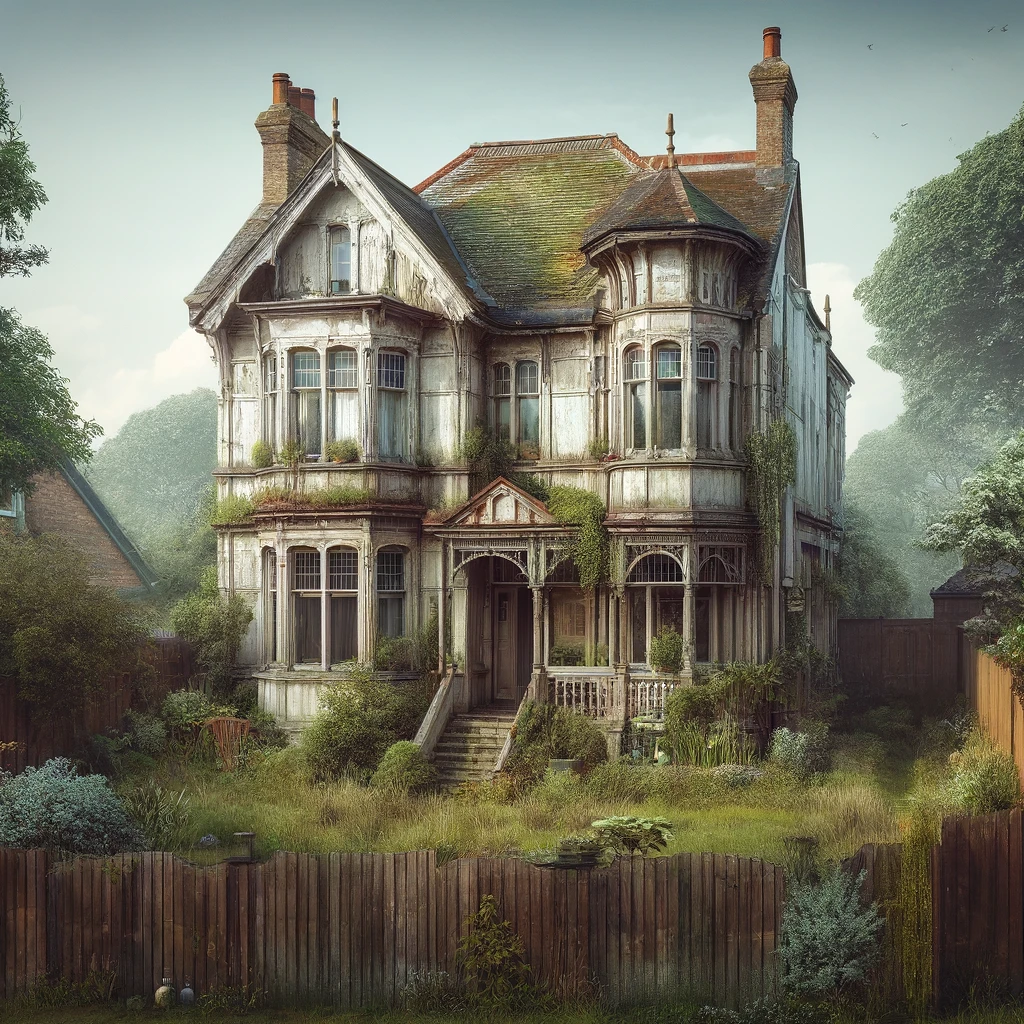
Renovating an old home allows owners to maintain a structure with historic significance and personal charm. The customization of living spaces to modern standards while preserving unique architectural details is a significant draw for many.
Cons of Renovating an Old House
However, there are also several drawbacks to consider:
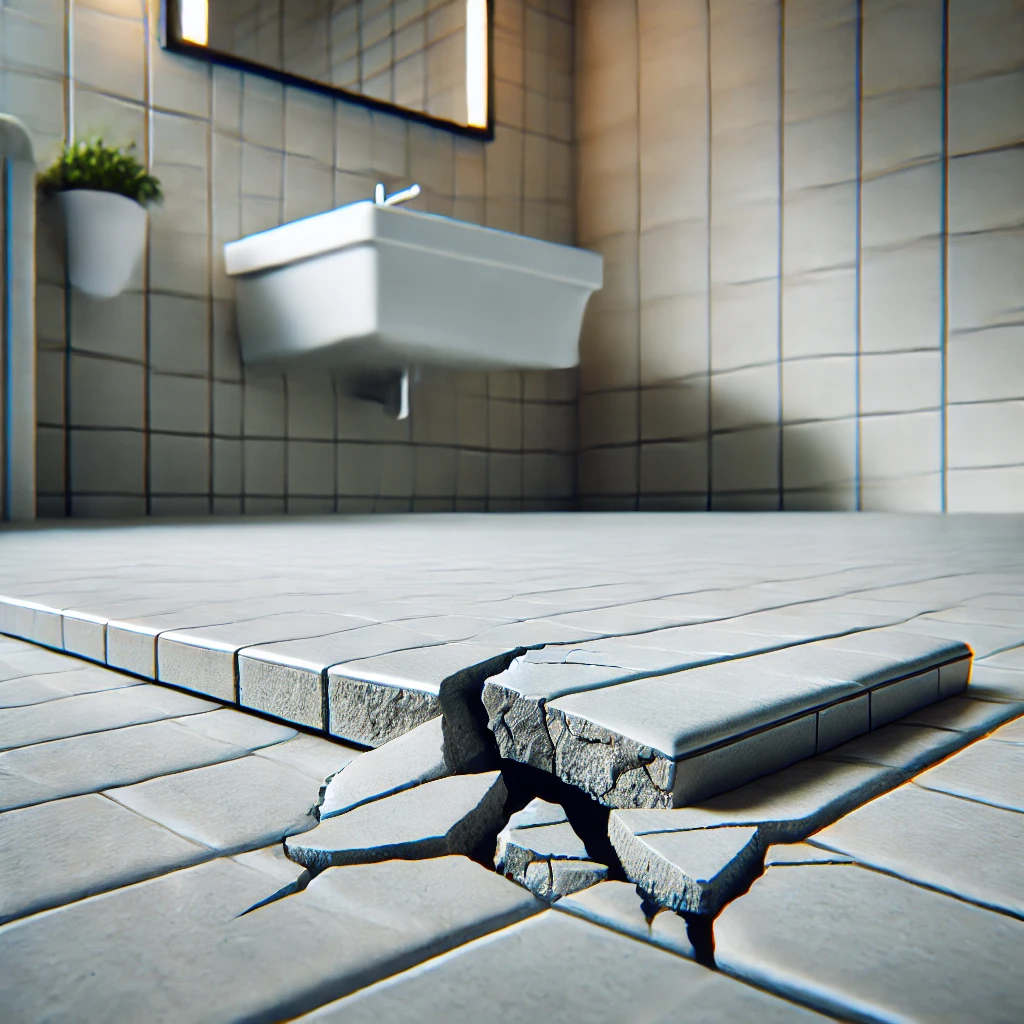
- Unexpected Costs: Older homes can have hidden problems that are costly to repair.
- Time Consuming: Renovations can often take longer than expected, leading to extended inconvenience.
- Overcapitalization: There’s a risk of spending more on the house than the market value can support.
- Regulations and Permissions: Local building codes and regulations might restrict certain renovations.
- Energy Efficiency: Older structures typically lack modern energy-efficient features.
Renovating an old house can sometimes turn into a financial and regulatory nightmare, with hidden damages and outdated systems leading to unforeseen expenses and complications.
Recommended Tools for the Project
For those embarking on a renovation, having the right tools is crucial:
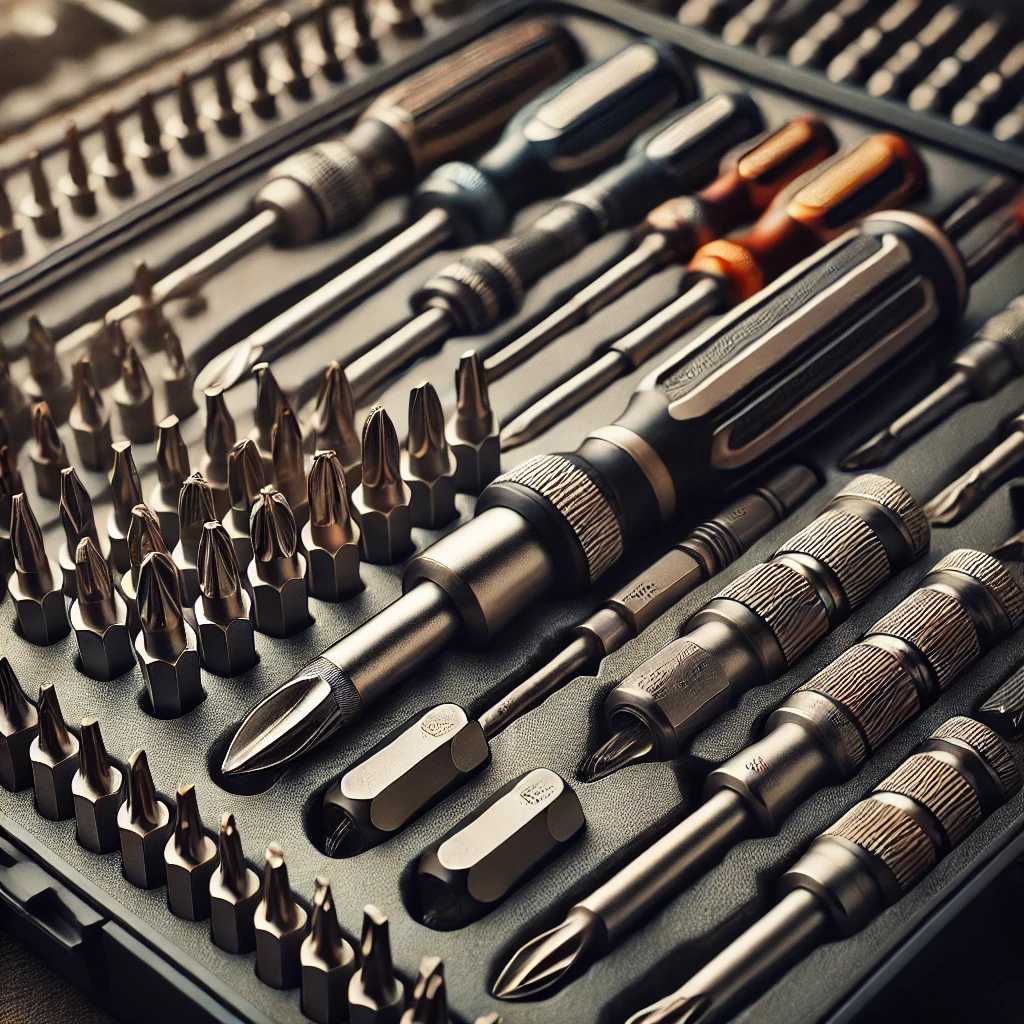
- Quality Power Tools: Drill, saw, sander, and nail gun.
- Safety Gear: Helmets, goggles, gloves, and dust masks.
- Measuring Tools: Tape measure, laser level, and chalk line.
- Painting Supplies: Brushes, rollers, and sprayers.
- Software: Design software to help plan renovations and visualize the end result.
Investing in high-quality tools not only makes the job easier but also ensures safety and efficiency throughout the project.
Comparisons: Renovating Old vs. Buying New
When deciding whether to renovate an old house or buy a new one, consider the following:
- Cost: Renovating can sometimes be more cost-effective depending on the condition of the old house.
- Time: Buying new is typically quicker than renovating.
- Customization: Renovating offers more scope for customization.
- Location: Older homes are often in more desirable neighborhoods.
- Sustainability: Renovating is generally more environmentally friendly than building anew.
Understanding these factors can help potential homeowners make a choice that best fits their needs and lifestyle.
Tips & Tricks for Renovating an Old House
Here are some valuable tips to help streamline the renovation process:
- Plan Ahead: Always have a detailed plan and budget before starting.
- Expect the Unexpected: Allocate an additional 20% of your budget for unforeseen expenses.
- Hire Professionals: For complex projects, hiring experienced professionals can save both time and money.
- Preserve Original Features: Maintain the home’s character by preserving original elements where possible.
- Upgrade Systems: Focus on updating electrical, plumbing, and HVAC systems to modern standards.
These strategies can help minimize stress and maximize the efficiency and outcomes of your renovation project.
Frequently Asked Questions
Q: How much does it typically cost to renovate an old house? A: The cost can vary widely based on the extent of the renovations and the home’s condition but expect to spend anywhere from $20,000 to $200,000 or more.
Q: How long does it take to renovate an old house? A: Depending on the scale of the renovation, it can take from a few months to over a year.
Q: Are there any tax benefits to renovating an old house? A: Yes, in some areas, there may be tax incentives for preserving historical properties or improving property energy efficiency.
Q: What is the most important aspect to consider when renovating an old house? A: Assessing the structural integrity of the house is crucial; it determines the scope and safety of the entire project.
Updates and Future Considerations
Looking to the future, potential renovators should consider the following:
- Technology Integration: Incorporating smart home technology during renovations.
- Energy Efficiency: Upgrading insulation, windows, and systems to reduce energy consumption.
- Market Trends: Staying informed about what homebuyers are looking for can influence resale value.
- Sustainability Practices: Using sustainable materials and practices can increase the home’s value and appeal.
- Long-term Maintenance: Planning for long-term maintenance can prevent future issues.
Renovating an old house can certainly be worth it if done thoughtfully, considering both the immediate benefits and long-term implications. With proper planning, a clear understanding of the challenges, and the right tools and strategies, homeowners can turn an old house into a cherished home.