Maintaining your HVAC system year-round is crucial for ensuring optimal performance, extending its lifespan, and reducing energy costs. By following a regular maintenance schedule, you can prevent costly repairs and keep your home comfortable in all seasons. In this guide, we’ll cover everything you need to know to maintain your HVAC system, including the pros and cons, recommended tools, necessary steps, comparisons, tips and tricks, FAQs, updates and future considerations, and cost considerations.
Pros of Maintaining Your HVAC System Year-Round
- Improved Efficiency: Regular maintenance ensures your HVAC system runs at peak efficiency, reducing energy consumption and lowering utility bills.
- Extended Lifespan: Routine maintenance can significantly extend the life of your HVAC system, delaying the need for a costly replacement.
- Better Air Quality: Clean filters and ducts improve indoor air quality, reducing allergens and pollutants in your home.
- Fewer Breakdowns: Preventative maintenance helps identify and fix minor issues before they become major problems, reducing the likelihood of unexpected breakdowns.
- Enhanced Comfort: A well-maintained HVAC system provides consistent and reliable heating and cooling, ensuring your home stays comfortable year-round.
Cons of Maintaining Your HVAC System Year-Round
- Initial Cost: Regular maintenance can require an upfront investment in professional services and tools.
- Time-Consuming: Performing regular maintenance can be time-consuming, especially for those unfamiliar with HVAC systems.
- Potential for Over-Maintenance: Some homeowners may over-maintain their systems, leading to unnecessary expenses.
- Complexity: HVAC systems are complex, and improper maintenance can lead to further issues or void warranties.
- Dependency on Professionals: Some maintenance tasks require professional expertise, which can add to the overall cost.
Recommended Tools for the Project
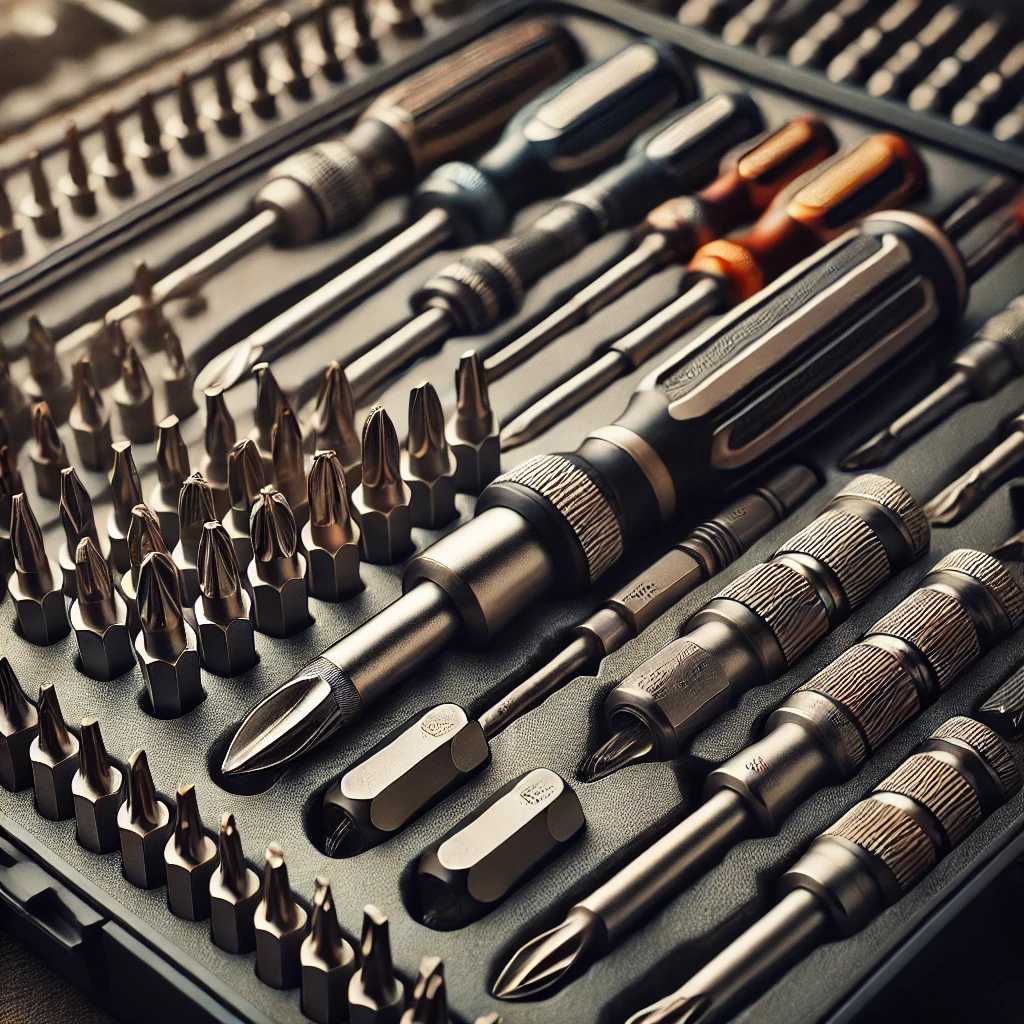
- Screwdrivers and Wrenches: Essential for accessing and tightening HVAC components.
- Vacuum Cleaner: Useful for cleaning dust and debris from vents and ducts.
- Fin Comb: Helps straighten and clean the fins on your condenser and evaporator coils.
- Multimeter: Necessary for checking electrical connections and diagnosing issues.
- Replacement Filters: Having spare filters on hand ensures you can replace them as needed without delay.
Necessary Steps (1-10)
- Inspect and Replace Air Filters: Check air filters monthly and replace them every 1-3 months to maintain airflow and air quality. To maintain your HVAC system efficiently, this step is critical.
- Clean Coils: Clean the evaporator and condenser coils annually to remove dirt and debris that can impede heat transfer. Clean coils help maintain your HVAC system’s efficiency.
- Check Thermostat Settings: Ensure your thermostat is set correctly and consider upgrading to a programmable thermostat for better control. Proper settings are vital to maintain your HVAC system.
- Inspect Refrigerant Levels: Check refrigerant levels and top up if necessary to maintain cooling efficiency. Proper refrigerant levels are necessary to maintain your HVAC system’s performance.
- Clean and Straighten Fins: Use a fin comb to clean and straighten coil fins, improving airflow. This is an essential task to maintain your HVAC system.
- Inspect Ductwork: Look for leaks or damage in your ductwork and seal any gaps to prevent energy loss. Well-maintained ductwork helps maintain your HVAC system.
- Lubricate Moving Parts: Lubricate motors, bearings, and other moving parts to reduce friction and wear. Regular lubrication is key to maintain your HVAC system.
- Check Electrical Connections: Inspect and tighten electrical connections to ensure safe and efficient operation. Proper electrical connections help maintain your HVAC system.
- Test System Controls: Test the startup cycle and shutoff sequence to ensure your system operates correctly. Regular testing helps maintain your HVAC system.
- Schedule Professional Maintenance: Arrange for a professional HVAC technician to perform a thorough inspection and maintenance at least once a year. Professional checks are essential to maintain your HVAC system.
Comparisons
- DIY vs. Professional Maintenance: While DIY maintenance can save money, professional services ensure thorough and accurate inspections, helping to maintain your HVAC system effectively.
- Programmable vs. Smart Thermostats: Programmable thermostats offer basic scheduling, while smart thermostats provide advanced features and remote control, which can help maintain your HVAC system.
- Standard vs. High-Efficiency Filters: High-efficiency filters capture more particles but may require more frequent replacements, playing a crucial role in maintaining your HVAC system.
- Traditional vs. Ductless Systems: Ductless systems offer flexible installation and zoning but can be more expensive upfront. Both systems require maintenance to maintain your HVAC system.
- Seasonal vs. Year-Round Maintenance: Year-round maintenance ensures continuous efficiency, while seasonal checks may suffice for some systems. Regular checks are vital to maintain your HVAC system.
Tips & Tricks
- Create a Maintenance Schedule: Develop a monthly, quarterly, and annual maintenance schedule to stay on top of tasks. Scheduling is key to maintain your HVAC system.
- Use High-Quality Filters: Invest in high-quality air filters to improve air quality and system efficiency. Quality filters are essential to maintain your HVAC system.
- Clear Surrounding Area: Keep the area around your outdoor unit clear of debris and vegetation to ensure proper airflow. A clear area helps maintain your HVAC system.
- Monitor Energy Bills: Keep an eye on your energy bills; a sudden increase may indicate an issue with your HVAC system. Monitoring bills can help maintain your HVAC system.
- Listen for Unusual Noises: Strange noises can signal problems; address them promptly to prevent further damage. Listening for noises is crucial to maintain your HVAC system.
FAQs
Q: How often should I replace my HVAC filters? A: It’s recommended to check your filters monthly and replace them every 1-3 months, depending on the type of filter and your household’s needs. Regular filter replacement is necessary to maintain your HVAC system.
Q: Can I perform HVAC maintenance myself? A: Yes, many maintenance tasks can be done by homeowners, but it’s advisable to schedule professional maintenance at least once a year to maintain your HVAC system properly.
Q: What are the benefits of a programmable thermostat? A: Programmable thermostats can help you save energy by automatically adjusting the temperature based on your schedule, improving comfort and reducing costs, which helps maintain your HVAC system.
Q: How do I know if my HVAC system needs repairs? A: Signs that your HVAC system needs repairs include unusual noises, reduced airflow, inconsistent temperatures, and higher energy bills. Recognizing these signs early helps maintain your HVAC system.
Q: Is it necessary to clean my HVAC ducts? A: While not always necessary, cleaning your HVAC ducts can improve air quality and system efficiency, especially if you notice dust buildup or allergies. Clean ducts are crucial to maintain your HVAC system.
Updates and Future Considerations
- Smart Home Integration: Consider integrating your HVAC system with smart home devices for enhanced control and monitoring. Smart integrations can help maintain your HVAC system more effectively.
- Energy Efficiency Upgrades: Stay informed about the latest energy-efficient technologies and upgrades to keep your system running efficiently. Upgrades are part of maintaining your HVAC system.
- Regular Inspections: Schedule regular inspections to catch issues early and ensure your system is operating optimally. Inspections are essential to maintain your HVAC system.
- Eco-Friendly Options: Explore eco-friendly HVAC options, such as geothermal systems, for sustainable heating and cooling. Eco-friendly choices also help maintain your HVAC system efficiently.
- Regulatory Changes: Keep an eye on regulatory changes that may impact your HVAC system, such as new efficiency standards or refrigerant regulations. Staying updated with regulations helps maintain your HVAC system.
Cost or Price
Maintaining your HVAC system year-round involves some costs, but these are often outweighed by the savings from improved efficiency and fewer repairs. Typical maintenance costs include:
- Professional Services: Annual maintenance by a professional technician can cost between $100 and $300, depending on the scope of work. Investing in professional services is key to maintain your HVAC system.
- Replacement Parts: Filters, belts, and other parts may need replacing periodically, costing anywhere from $20 to $100 each. Replacement parts are necessary to maintain your HVAC system.
- Energy Savings: Regular maintenance can reduce your energy bills by up to 20%, offsetting the cost of maintenance over time. Energy savings are a benefit of maintaining your HVAC system.
- Extended Lifespan: Investing in maintenance can delay the need for a new HVAC system, which can cost $3,000 to $7,000 or more. Extending lifespan helps maintain your HVAC system’s value.
- Warranty Compliance: Regular maintenance is often required to keep your system’s warranty valid, potentially saving you thousands in repair costs. Warranty compliance is a key reason to maintain your HVAC system.
Maintaining your HVAC system year-round is a smart investment that ensures your home remains comfortable and efficient. By following these guidelines and staying proactive, you can enjoy the benefits of a reliable and cost-effective HVAC system for years to come.
Maintaining your HVAC system year-round is crucial for ensuring optimal performance, extending its lifespan, and reducing energy costs. By following a regular maintenance schedule, you can prevent costly repairs and keep your home comfortable in all seasons. In this guide, we’ll cover everything you need to know to maintain your HVAC system, including the pros and cons, recommended tools, necessary steps, comparisons, tips and tricks, FAQs, updates and future considerations, and cost considerations.
Pros of Maintaining Your HVAC System Year-Round
Maintaining your HVAC system offers numerous benefits that enhance the efficiency and longevity of your system. By scheduling regular HVAC maintenance, you ensure that your system operates at its peak, reducing energy consumption and saving you money on utility bills. Furthermore, a well-maintained HVAC system can significantly extend its lifespan, delaying the need for costly replacements.
- Improved Efficiency: Regular maintenance ensures your HVAC system runs at peak efficiency, reducing energy consumption and lowering utility bills.
- Extended Lifespan: Routine maintenance can significantly extend the life of your HVAC system, delaying the need for a costly replacement.
- Better Air Quality: Clean filters and ducts improve indoor air quality, reducing allergens and pollutants in your home.
- Fewer Breakdowns: Preventative maintenance helps identify and fix minor issues before they become major problems, reducing the likelihood of unexpected breakdowns.
- Enhanced Comfort: A well-maintained HVAC system provides consistent and reliable heating and cooling, ensuring your home stays comfortable year-round.
Investing in regular maintenance helps improve the air quality in your home by keeping filters and ducts clean. This reduction in allergens and pollutants makes your living environment healthier. Additionally, preventative maintenance helps catch minor issues before they escalate into major problems, thus reducing the chances of unexpected system breakdowns. Ultimately, a well-maintained HVAC system ensures consistent and reliable heating and cooling, keeping your home comfortable throughout the year.
Cons of Maintaining Your HVAC System Year-Round
While there are many benefits to regular HVAC maintenance, there are also some drawbacks to consider. One of the main cons is the initial cost involved in regular maintenance. Hiring professionals and purchasing necessary tools can require a significant upfront investment. Additionally, performing regular maintenance can be time-consuming, particularly for those who are not familiar with HVAC systems.
- Initial Cost: Regular maintenance can require an upfront investment in professional services and tools.
- Time-Consuming: Performing regular maintenance can be time-consuming, especially for those unfamiliar with HVAC systems.
- Potential for Over-Maintenance: Some homeowners may over-maintain their systems, leading to unnecessary expenses.
- Complexity: HVAC systems are complex, and improper maintenance can lead to further issues or void warranties.
- Dependency on Professionals: Some maintenance tasks require professional expertise, which can add to the overall cost.
Another drawback is the potential for over-maintenance, where homeowners might perform unnecessary tasks that lead to extra costs. HVAC systems are also complex, and improper maintenance can result in additional issues or even void warranties. Finally, some tasks require professional expertise, which can add to the overall maintenance cost. Despite these cons, the benefits of regular maintenance often outweigh the drawbacks, making it a worthwhile investment for most homeowners.
Recommended Tools for the Project
To effectively maintain your HVAC system, having the right tools is essential. Basic tools like screwdrivers and wrenches are necessary for accessing and tightening HVAC components. A vacuum cleaner is useful for removing dust and debris from vents and ducts, ensuring clean airflow.
- Screwdrivers and Wrenches: Essential for accessing and tightening HVAC components.
- Vacuum Cleaner: Useful for cleaning dust and debris from vents and ducts.
- Fin Comb: Helps straighten and clean the fins on your condenser and evaporator coils.
- Multimeter: Necessary for checking electrical connections and diagnosing issues.
- Replacement Filters: Having spare filters on hand ensures you can replace them as needed without delay.
A fin comb is another useful tool for straightening and cleaning the fins on your condenser and evaporator coils. This helps maintain optimal airflow and efficiency. A multimeter is necessary for checking electrical connections and diagnosing any issues, ensuring the electrical components of your system are functioning correctly. Lastly, having replacement filters on hand allows you to change them regularly, maintaining good air quality and system performance. By having these tools ready, you can maintain your HVAC system more effectively and efficiently.
Necessary Steps
To maintain your HVAC system, follow these ten essential steps. Regular inspection and replacement of air filters are critical to maintaining airflow and air quality. Clean air filters help your HVAC system run efficiently and reduce strain on the system.
- Inspect and Replace Air Filters: Check air filters monthly and replace them every 1-3 months to maintain airflow and air quality. To maintain your HVAC system efficiently, this step is critical.
- Clean Coils: Clean the evaporator and condenser coils annually to remove dirt and debris that can impede heat transfer. Clean coils help maintain your HVAC system’s efficiency.
- Check Thermostat Settings: Ensure your thermostat is set correctly and consider upgrading to a programmable thermostat for better control. Proper settings are vital to maintain your HVAC system.
- Inspect Refrigerant Levels: Check refrigerant levels and top up if necessary to maintain cooling efficiency. Proper refrigerant levels are necessary to maintain your HVAC system’s performance.
- Clean and Straighten Fins: Use a fin comb to clean and straighten coil fins, improving airflow. This is an essential task to maintain your HVAC system.
- Inspect Ductwork: Look for leaks or damage in your ductwork and seal any gaps to prevent energy loss. Well-maintained ductwork helps maintain your HVAC system.
- Lubricate Moving Parts: Lubricate motors, bearings, and other moving parts to reduce friction and wear. Regular lubrication is key to maintain your HVAC system.
- Check Electrical Connections: Inspect and tighten electrical connections to ensure safe and efficient operation. Proper electrical connections help maintain your HVAC system.
- Test System Controls: Test the startup cycle and shutoff sequence to ensure your system operates correctly. Regular testing helps maintain your HVAC system.
- Schedule Professional Maintenance: Arrange for a professional HVAC technician to perform a thorough inspection and maintenance at least once a year. Professional checks are essential to maintain your HVAC system.
Cleaning the coils annually helps remove dirt and debris that can impede heat transfer, thus improving efficiency. Checking thermostat settings and upgrading to a programmable thermostat can offer better control and efficiency. Inspecting refrigerant levels ensures your system can cool effectively. Using a fin comb to clean and straighten fins improves airflow. Inspecting ductwork for leaks and sealing any gaps prevents energy loss. Lubricating moving parts reduces friction and wear, while checking electrical connections ensures safe operation. Testing system controls ensures everything operates correctly. Finally, scheduling professional maintenance at least once a year provides a thorough inspection and ensures all components are in good working order.
Comparisons
When considering HVAC maintenance, it’s important to compare different approaches and tools. DIY maintenance can save money, but professional services offer thorough and accurate inspections, ensuring your HVAC system runs efficiently. Comparing programmable and smart thermostats can also help you decide which is best for maintaining your HVAC system.
- DIY vs. Professional Maintenance: While DIY maintenance can save money, professional services ensure thorough and accurate inspections, helping to maintain your HVAC system effectively.
- Programmable vs. Smart Thermostats: Programmable thermostats offer basic scheduling, while smart thermostats provide advanced features and remote control, which can help maintain your HVAC system.
- Standard vs. High-Efficiency Filters: High-efficiency filters capture more particles but may require more frequent replacements, playing a crucial role in maintaining your HVAC system.
- Traditional vs. Ductless Systems: Ductless systems offer flexible installation and zoning but can be more expensive upfront. Both systems require maintenance to maintain your HVAC system.
- Seasonal vs. Year-Round Maintenance: Year-round maintenance ensures continuous efficiency, while seasonal checks may suffice for some systems. Regular checks are vital to maintain your HVAC system.
High-efficiency filters capture more particles, improving air quality, but may require more frequent replacements. Traditional HVAC systems and ductless systems each have their pros and cons; ductless systems offer flexible installation and zoning but can be more expensive upfront. Deciding between seasonal and year-round maintenance is also important; year-round maintenance ensures continuous efficiency, while seasonal checks might suffice for some systems. Understanding these comparisons helps you make informed decisions on how best to maintain your HVAC system.
Tips & Tricks
Here are some additional tips and tricks to help you maintain your HVAC system more effectively. Creating a maintenance schedule helps you stay on top of tasks and ensures regular checks and cleanings. Using high-quality filters improves air quality and system efficiency.
- Create a Maintenance Schedule: Develop a monthly, quarterly, and annual maintenance schedule to stay on top of tasks. Scheduling is key to maintain your HVAC system.
- Use High-Quality Filters: Invest in high-quality air filters to improve air quality and system efficiency. Quality filters are essential to maintain your HVAC system.
- Clear Surrounding Area: Keep the area around your outdoor unit clear of debris and vegetation to ensure proper airflow. A clear area helps maintain your HVAC system.
- Monitor Energy Bills: Keep an eye on your energy bills; a sudden increase may indicate an issue with your HVAC system. Monitoring bills can help maintain your HVAC system.
- Listen for Unusual Noises: Strange noises can signal problems; address them promptly to prevent further damage. Listening for noises is crucial to maintain your HVAC system.
Keeping the area around your outdoor unit clear of debris and vegetation ensures proper airflow. Monitoring your energy bills can help identify issues early; a sudden increase may indicate a problem with your HVAC system. Finally, listening for unusual noises and addressing them promptly can prevent further damage and help maintain your HVAC system in good working order.
FAQs
Q: How often should I replace my HVAC filters? A: It’s recommended to check your filters monthly and replace them every 1-3 months, depending on the type of filter and your household’s needs. Regular filter replacement is necessary to maintain your HVAC system.
Q: Can I perform HVAC maintenance myself? A: Yes, many maintenance tasks can be done by homeowners, but it’s advisable to schedule professional maintenance at least once a year to maintain your HVAC system properly.
Q: What are the benefits of a programmable thermostat? A: Programmable thermostats can help you save energy by automatically adjusting the temperature based on your schedule, improving comfort and reducing costs, which helps maintain your HVAC system.
Q: How do I know if my HVAC system needs repairs? A: Signs that your HVAC system needs repairs include unusual noises, reduced airflow, inconsistent temperatures, and higher energy bills.
Q: Is it necessary to clean my HVAC ducts? A: While not always necessary, cleaning your HVAC ducts can improve air quality and system efficiency, especially if you notice dust buildup or allergies. Clean ducts are crucial to maintain your HVAC system.
These FAQs address common concerns about HVAC maintenance, such as filter replacement frequency, the benefits of programmable thermostats, and recognizing signs that your HVAC system needs repairs. By addressing these questions, you can better understand how to maintain your HVAC system and ensure it operates efficiently.
Updates and Future Considerations
Staying updated with the latest trends and technologies in HVAC maintenance can help you maintain your HVAC system more effectively. Consider integrating your HVAC system with smart home devices for enhanced control and monitoring. Smart integrations can help maintain your HVAC system more effectively.
- Smart Home Integration: Consider integrating your HVAC system with smart home devices for enhanced control and monitoring. Smart integrations can help maintain your HVAC system more effectively.
- Energy Efficiency Upgrades: Stay informed about the latest energy-efficient technologies and upgrades to keep your system running efficiently. Upgrades are part of maintaining your HVAC system.
- Regular Inspections: Schedule regular inspections to catch issues early and ensure your system is operating optimally. Inspections are essential to maintain your HVAC system.
- Eco-Friendly Options: Explore eco-friendly HVAC options, such as geothermal systems, for sustainable heating and cooling. Eco-friendly choices also help maintain your HVAC system efficiently.
- Regulatory Changes: Keep an eye on regulatory changes that may impact your HVAC system, such as new efficiency standards or refrigerant regulations. Staying updated with regulations helps maintain your HVAC system.
Energy efficiency upgrades can significantly improve your system’s performance and reduce energy costs. Scheduling regular inspections helps catch issues early and ensures your system operates optimally. Exploring eco-friendly options like geothermal systems can provide sustainable heating and cooling solutions. Finally, staying informed about regulatory changes that impact your HVAC system ensures compliance and optimal performance.
Cost or Price
Maintaining your HVAC system year-round involves some costs, but these are often outweighed by the savings from improved efficiency and fewer repairs. Typical maintenance costs include professional services, replacement parts, and potential energy savings.
- Professional Services: Annual maintenance by a professional technician can cost between $100 and $300, depending on the scope of work.
- Replacement Parts: Filters, belts, and other parts may need replacing periodically, costing anywhere from $20 to $100 each.
- Energy Savings: Regular maintenance can reduce your energy bills by up to 20%, offsetting the cost of maintenance over time. Energy savings are a benefit of maintaining your HVAC system.
- Extended Lifespan: Investing in maintenance can delay the need for a new HVAC system, which can cost $3,000 to $7,000 or more. Extending lifespan helps maintain your HVAC system’s value.
- Warranty Compliance: Regular maintenance is often required to keep your system’s warranty valid, potentially saving you thousands in repair costs. Warranty compliance is a key reason to maintain your HVAC system.
Investing in professional services ensures thorough maintenance and can prevent costly repairs in the long run. Replacement parts, such as filters and belts, are necessary for maintaining your system’s efficiency. Regular maintenance can lead to significant energy savings, offsetting the maintenance costs. Additionally, extending the lifespan of your HVAC system through regular maintenance can delay the need for expensive replacements. Maintaining your HVAC system is often required to keep your warranty valid, saving you money on potential repair costs.